
Reviewed · PHUKET TOURS
Phuket : Guided Tour to Elephant Sanctuary with Transfers
The best part of this Phuket experience is that the elephants are allowed to roam, forage, and interact with their caretakers rather than perform tricks. You walk beside them in the forest, then help gather banana trees and grass for their food. I especially like the hands-on feeding and the quiet setting, where you can watch elephant behavior instead of rushing from one staged activity to another. The small-group feel can be a real bonus, with some visits becoming almost private.
The main catch is the short one-hour program. Once you add the roughly 20-minute van ride each way, this is a focused introduction, not a full-day sanctuary visit. The forest walk can also be difficult for anyone with back problems or limited mobility, although the staff have shown flexibility in bringing an elephant closer to someone who could not manage the hills.
Key points at a glance

- Five rescued elephants: The sanctuary cares for elephants retired from tourism, with hill tribe caretakers closely involved in their daily lives.
- No riding or bathing: You observe, feed, and walk beside the elephants, without direct bathing or touching.
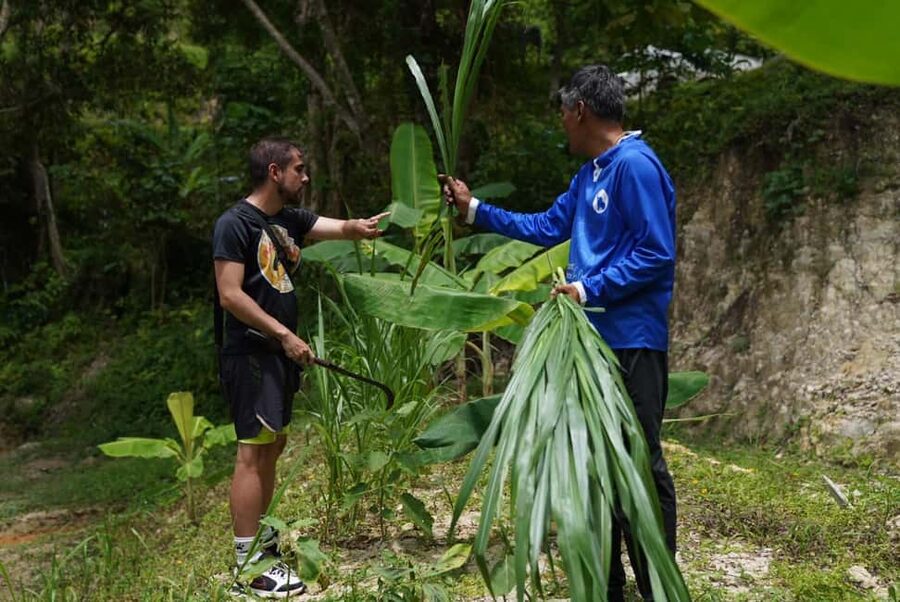
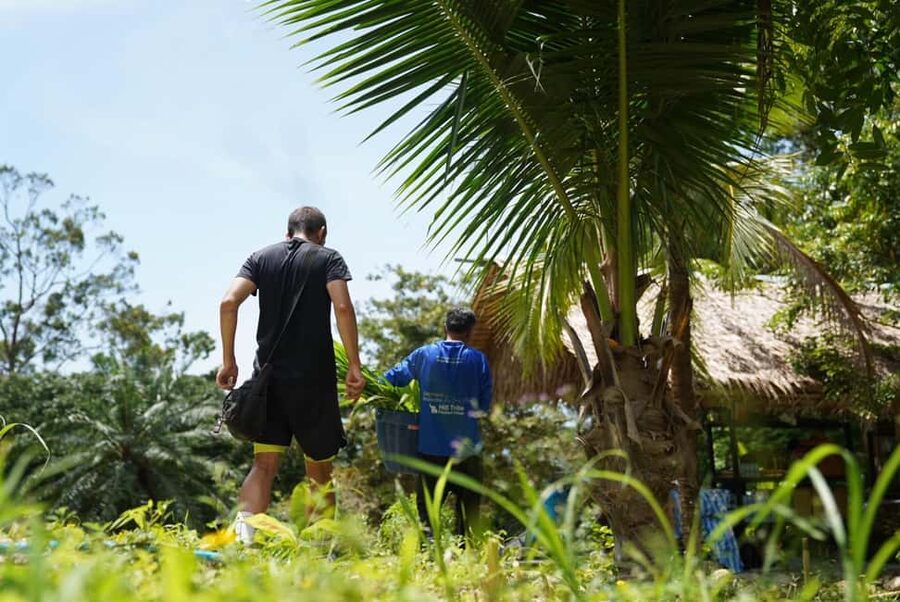
- Food preparation included: You cut banana trees and collect fresh grass before offering food by hand.
- English-speaking guides: Guides including Pa, Par, and Chi Chi explain elephant body language, care, and individual personalities.
- Optional hotel transfers: Pickup is available from Patong, Kata, Karon, Phuket Town, Kamala, Surin, Bang Tao, and Laguna.
- A short but meaningful visit: The activity lasts one hour, making it easy to fit into a Phuket morning or afternoon.
Meeting rescued elephants in their forest home
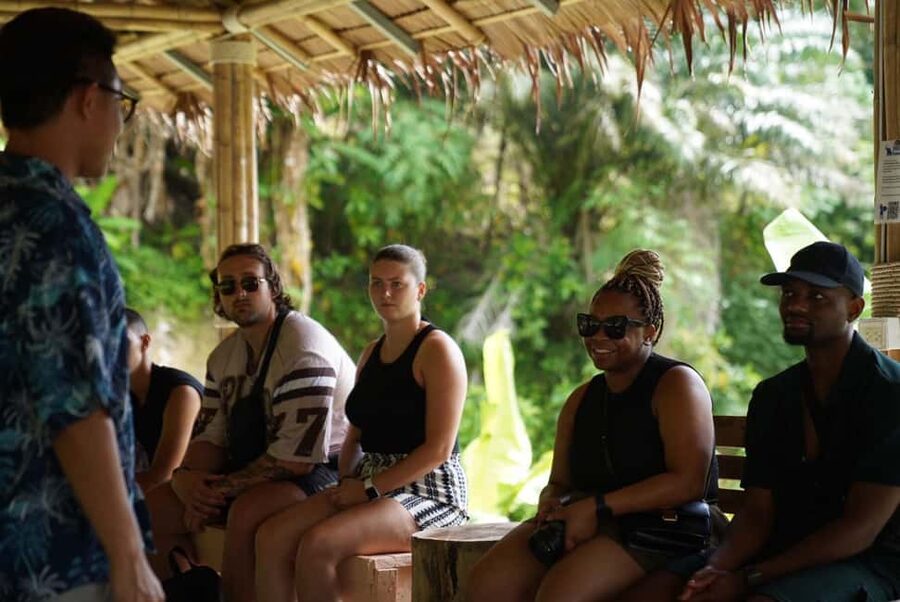
At Patong Hill Tribe Elephant Village, your visit begins with an introduction to the elephants and the people who care for them. The sanctuary looks after elephants retired from tourism, and the focus is on giving them room to move in a more natural way.
That distinction matters. You are not watching elephants paint, perform, or carry passengers. You are seeing them walk, forage, eat, and respond to their mahouts. The word mahout refers to an elephant caretaker, and the connection between each mahout and elephant is an important part of the introduction.
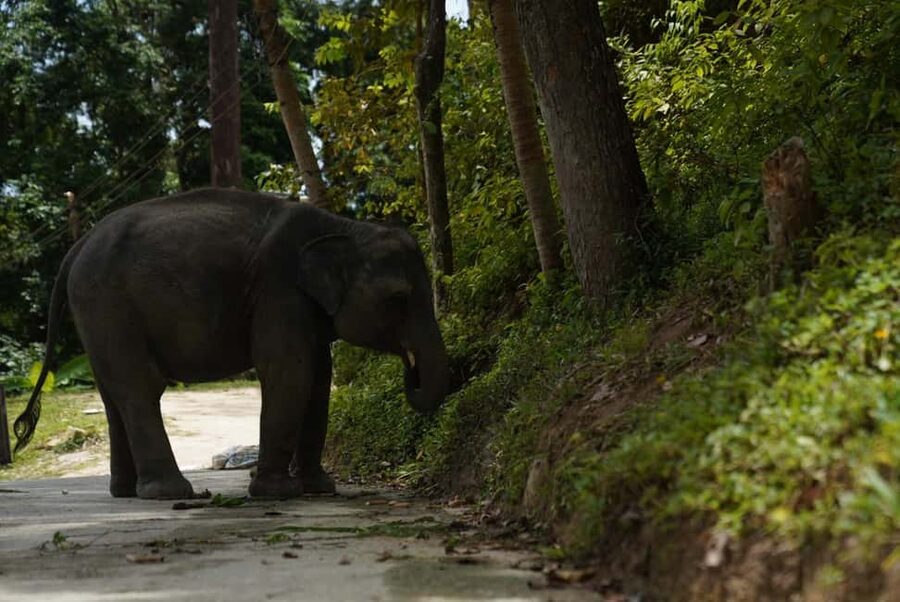
The sanctuary is home to five elephants. You learn that each one has its own habits and personality, which makes the encounter more than a quick photo stop. One elephant may be keen to accept extra food, while another may prefer to keep moving through the trees. This gives you a better chance to notice real behavior instead of a tightly controlled routine.
The guides explain how elephants communicate through posture, movement, and body language. You might learn to watch the direction of an elephant’s head, the position of its ears, or the way it approaches food. These small details help you behave calmly and respectfully around a very large animal.
English is the tour language. Guides such as Pa, Par, and Chi Chi have been singled out for warm, clear explanations and good care of both people and elephants. The guide also takes responsibility for keeping the group at a safe distance and showing you when feeding is appropriate.
More Elephant Sanctuary Tours in Phuket
- Phuket: Elephant Jungle Sanctuary Ethical Feeding Experience
★ 4.8 · 4,359 reviews - Phuket: Elephant Sanctuary Guided Tour with Hotel Transfers
★ 4.8 · 2,020 reviews - A Morning with the Elephants at Phuket Elephant Sanctuary
★ 5.0 · 1,693 reviews
A quiet walk with the elephants
The central part of the visit is a walk into the forest alongside the elephants. You do not ride them, and you are not led through a line of animals waiting for attention. Instead, you follow as they roam, forage, and interact with their caretakers.
This is the most authentic part of the experience, but it also requires the right expectations. An elephant does not follow a tour schedule in the same way a museum guide does. You may spend time waiting for one to move, watching it search for food, or adjusting your pace as the group follows its natural behavior.
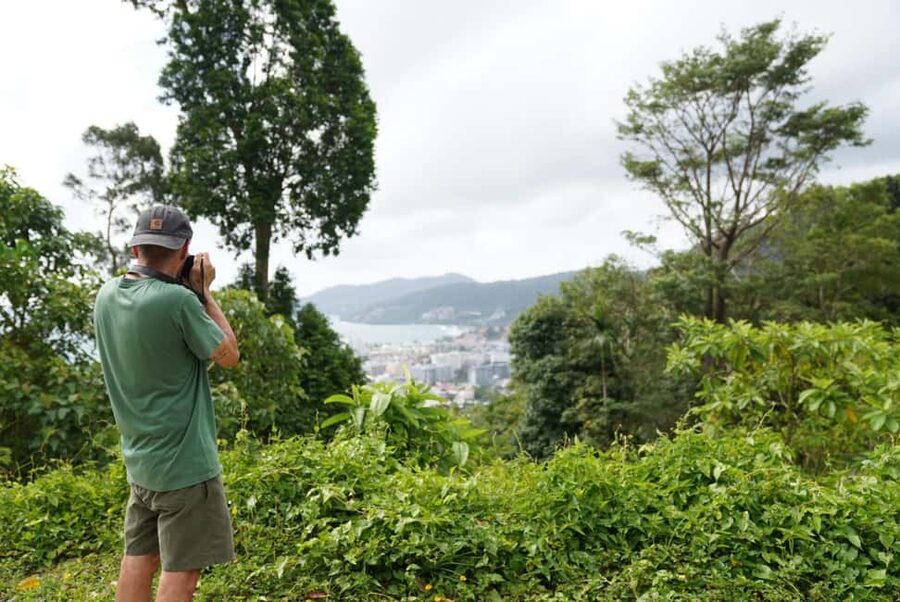
I like this slower rhythm. It gives you time to notice how the animals use the forest and how the mahouts read their movements. The walk is not a long trek, but the ground includes hills, so sturdy shoes and sensible clothing are useful. Sunscreen, a hat, and insect repellent are worth bringing in Phuket’s warm climate.
You should not expect to bathe the elephants or touch them directly. Loud noises and flash photography are not allowed. These rules may disappoint anyone hoping for a dramatic elephant selfie, but they help keep the animals relaxed and reduce pressure to make them perform for cameras.
Some visits are very small. A few have been private experiences for only one or two people, though group size can vary. A small group makes it easier to hear the guide and watch the elephants without a crowd pressing close. If you prefer a cooler, calmer outing, the later afternoon option may suit you better.
Preparing banana trees and fresh grass

The hands-on food activity gives the visit a useful purpose. Rather than simply receiving food from staff, you help prepare it.
You may cut banana trees and collect grass from the garden. The work is simple, but it shows what daily elephant care involves. An adult elephant eats large amounts of plant food, so feeding is not just a matter of handing over one or two bananas for a photograph.
The staff prepare herbal elephant food as well, and you can offer food from your hand. This is an enjoyable moment, but follow the guide’s instructions closely. Feed only when invited, keep your hands in the position shown, and let the elephant decide how quickly to take the food.
The elephants may be eager. One might reach for an extra treat or try to take more than its share. That cheeky behavior is entertaining, but it is also a reminder that these are powerful, independent animals, not oversized domestic pets.
You should not attempt to touch or hug an elephant unless the staff specifically permit a particular interaction. The stated rules prohibit direct touching and bathing. The goal is a respectful encounter, not physical contact at any cost.
What the 20-minute transfer adds

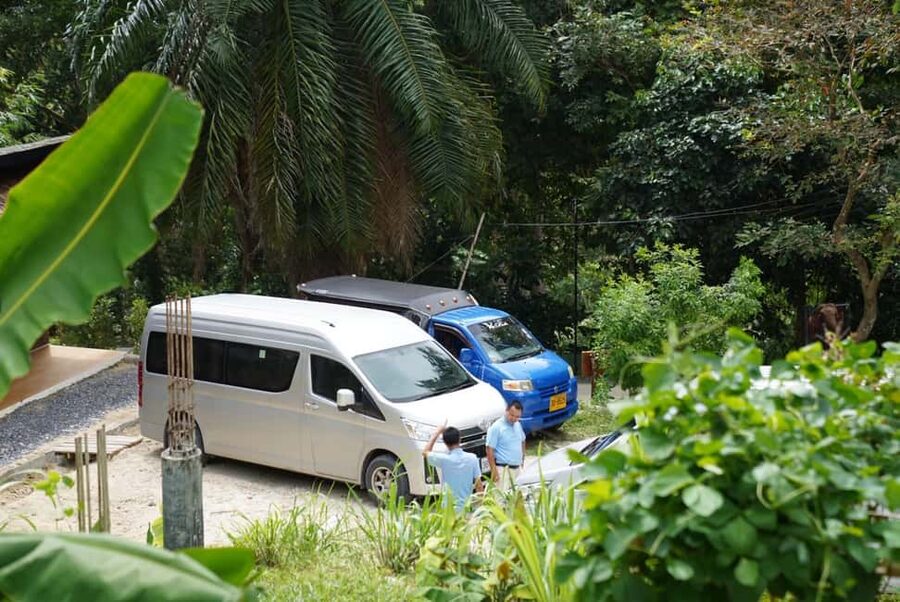
If you select hotel pickup, the experience begins with a van journey of about 20 minutes. Return transport takes about the same time. Pickup is available from several Phuket areas, including Patong, Kata, Karon, Phuket Town, Kamala, Surin, Bang Tao, and Laguna.
The transfer is useful if you are staying in one of the covered resort districts. It removes the need to arrange a separate taxi and makes this an easy add-on to a beach holiday. Transport has received a very high satisfaction score, with 96 percent of reviewers giving it a perfect rating.
You need to meet the driver in your hotel lobby at least 10 minutes before the scheduled pickup. Phuket traffic and hotel access can take time, so do not cut this close. If you arrive more than 10 minutes late, or after the van has already left, you may be treated as a no-show.
If your hotel is outside the pickup areas, choose the meeting-point option instead. The exact meeting details are supplied after booking. The return service includes drop-off options around Phuket, though the precise point depends on the option you choose.
With only one hour at the sanctuary, the transfer is a sizeable part of the total outing. That is not a flaw if you are already nearby or want a compact activity between beach time and dinner. It is less appealing if you want several hours of observation, a long forest walk, or a full meal included. No food is provided, though drinking water is included, and you are asked to bring a reusable bottle.
More elephant sanctuary visits around Phuket:
- From Phuket: Elephant Jungle Sanctuary Feed and Shower Trip
★ 4.8 · 1,056 reviews - Phuket Elephant Sanctuary Canopy Walkway Tour
★ 5.0 · 601 reviews - Phuket: Half Day or 2-Hour Ethical Elephant Care Sanctuary
★ 4.5 · 481 reviews - Elephant Sanctuary Small Group Tour in Phuket
★ 5.0 · 449 reviews
Is $45 a fair price?
At $45 per person, this is not the cheapest way to see elephants in Phuket, but price alone misses the point. You are paying for transport if selected, an English-speaking guide, insurance, sanctuary staff, food preparation, and a controlled visit built around rescued elephants rather than rides or shows.
The value is strongest for someone who wants a short ethical introduction. You get a forest walk, an education session, food gathering, and hand feeding in one hour. That is a fair package for a half-day schedule, especially if hotel pickup saves you the cost and trouble of arranging transport.
The value is weaker if you expect a long program. The one-hour duration includes the guided sanctuary activity, not the van ride. There is no meal, no bathing session, and no extended free time with the elephants. You are buying a concentrated encounter, not an all-day animal-care course.
I would also treat the ethical promise as something to examine carefully at any elephant attraction. Here, the useful signs are practical: no riding, no performances, no direct bathing, and room for the animals to roam with their caretakers. The program also supports jobs for people who care for the elephants. Still, good behavior from visitors matters. Keep your voice low, avoid flash, and accept that the elephants set the pace.
Who will enjoy this experience most?
This tour suits you if you want a clear introduction to elephant welfare without giving up an entire day. It works well for couples, families, solo visitors, and small groups staying in the main Phuket resort areas.
It is especially good for people who enjoy learning while they watch. The guide explains behavior and care rather than simply pointing out an elephant and handing you a camera opportunity. If you like practical activities, cutting banana trees and collecting grass make the visit more memorable than a passive viewing platform.
Families should remember that the experience involves hills, animals, heat, and quiet behavior around elephants. Children need to follow the guide’s instructions and avoid sudden movement or loud sounds.
The experience is not suitable for pregnant women, people with back problems, or people with animal allergies. Wheelchair access is listed, but the forest hills may still limit how much of the route some visitors can manage. Staff can adapt in some cases. One family member with limited mobility was unable to walk the hills, so the staff brought an elephant to the meeting area. That kind of help cannot be guaranteed for every situation, but it is worth discussing with the provider before booking.
Choosing morning or afternoon
You can choose a morning or afternoon start. Morning may fit best if you want to keep the rest of the day open for beaches, markets, or another Phuket activity.
An early slot may also give you a smaller group. Some early visits have been almost private, with direct access to the guide and more room to observe the elephants. That is not guaranteed, but it is a good reason to choose the first available time if personal attention matters to you.
Afternoon visits can be more comfortable in the heat, particularly if you choose a later time. The setting may feel quieter and more restful as you walk through the trees, though Phuket weather can change quickly. Bring sunscreen and insect repellent either way.
A camera is welcome, but flash is forbidden. A phone or camera with a wrist strap is sensible during feeding, since you may want both hands free. Wear clothes you can move in and shoes suited to uneven ground.
Practical details before you go
The tour includes insurance and drinking water. Bring a reusable bottle, along with a hat, camera, sunscreen, and insect repellent. Meals are not included, so plan food around the activity if you need it.
The tour is conducted in English. Cancellation is free up to 24 hours before the start time, and you can reserve now and pay later. That flexibility helps if your Phuket plans depend on weather or changing beach days.
The meeting details arrive after booking. Read them carefully, especially if you are using a meeting point instead of hotel pickup. Be ready at least 10 minutes early. Missing the van after the scheduled departure can mean losing the booking.
Most important, let the guide control the interaction. Do not call an elephant toward you, make loud noises, use flash, bathe it, or touch it directly. The best photographs often come when you stop trying to force a pose.
Should you book the Phuket elephant sanctuary visit?
I would book this if you want a short, calm, educational encounter with rescued elephants and you value an attraction that avoids riding and performances. The food preparation is a strong feature, and the chance to watch elephants roam with their caretakers feels more respectful than a tightly staged animal show.
I would skip it if you want a full-day sanctuary program or several hours of close observation. The one-hour activity passes quickly, and the transfer can add 40 minutes to the total outing. People with back problems, allergies, pregnancy, or serious difficulty on hills should also choose another activity unless the provider confirms a suitable arrangement.
For most visitors staying near Patong, Kata, Karon, Kamala, Surin, Bang Tao, Laguna, or Phuket Town, this is a practical way to spend part of a morning or afternoon. Arrive early, dress for heat and uneven ground, and let the elephants remain elephants. That is where the experience has its real value.
FAQ
How long does the elephant sanctuary experience last?
The guided sanctuary activity lasts one hour. If you choose hotel pickup, allow about 20 minutes each way for the van transfer.
Is hotel pickup included?
Hotel pickup is included only when you select an option with transfers. Pickup is available from Patong, Kata, Karon, Phuket Town, Kamala, Surin, Bang Tao, and Laguna. If your hotel is outside those areas, choose the meeting-point option.
What happens during the one-hour visit?
You meet the rescued elephants and their hill tribe caretakers, learn about elephant behavior and communication, walk through the forest beside the elephants, and help prepare banana trees and grass for feeding.
Can I ride or bathe the elephants?
No. Riding and direct bathing are not part of the experience. Direct touching and loud noises are also not allowed.
Can I feed the elephants?
Yes. You can prepare food and offer herbal elephant food, bananas, and other approved items by hand, following the guide’s instructions.
Is the tour conducted in English?
Yes. The live guide speaks English.
What should I bring?
Bring a hat, camera, sunscreen, insect repellent, and a reusable water bottle. Drinking water is included. Flash photography is not allowed.
Who should not book this activity?
It is not suitable for pregnant women, people with back problems, or people with animal allergies. The forest route includes hills, so anyone with limited mobility should contact the provider before booking.
Just added around Phuket
- The Upside Down House: Phuket’s Must-See Attraction★ 4.7 · 13 reviews
- Siam Niramit Phuket Admission Ticket with Transfer Option★ 4.6 · 49 reviews
- Simon Cabaret Phuket Show Included Tickets and Transfer★ 4.4 · 155 reviews
- Phuket: Zipline Flying Higher than a Hawk with ATV Option★ 4.7 · 33 reviews
- Phuket:City Tour,Big Buddha, Forest Safari Tiger Park Canopy★ 3.6 · 15 reviews
- Phuket: White Water Rafting, ATV, and Zipline Adventure★ 3.1 · 35 reviews
- Phuket: Big Buddha View Wat Chalong, Old Town Guided Tour★ 3.6 · 38 reviews
- Phuket: Fully Customized Night Market Tour★ 4.2 · 18 reviews
Phuket Tours, compared.

Phang Nga Bay Sea Cave Canoeing & James Bond Island by Big Boat
Read our review →
Elephant Jungle Sanctuary Ethical Feeding Experience
Read our review →

Phi Phi Islands Adventure Day Trip w/ Seaview Lunch by V. Marine
Read our review →

Phi Phi Islands and Maya Bay Day Trip with Lunch
Read our review →
Phuket Thai Cooking Class with Market Tour Option
Read our review →Browse the lists this tour appears in