
Reviewed · KHAO LAK TOURS
Khao Lak Ethical Elephant Sanctuary Conservation Experience
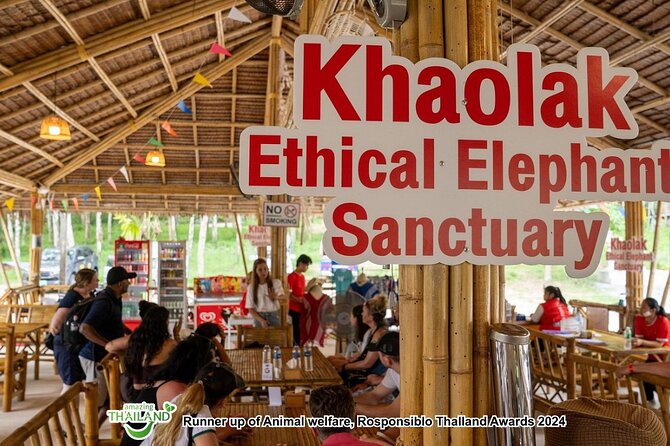
At Khaolak Ethical Elephant Sanctuary, the elephants are the show. You watch rescued animals roam, eat, play, and splash in their own space instead of asking them to perform for you. No riding and no bathing make this a calmer choice for anyone who wants wildlife contact without turning the animals into props.
I like the observation-first approach, and I like the small maximum group of 15 people. An English guide explains each elephant’s past, daily routine, and care, which gives the visit more meaning than a quick photo stop. The main drawback is the short advertised duration of about 30 minutes, especially when some sanctuary programs appear to last an hour or a full morning. Confirm exactly which experience you are booking.
Key points to know before you go
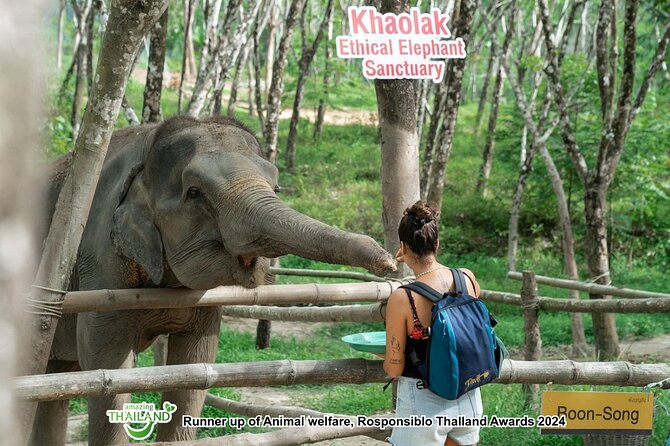
- Watch elephants on their terms: The animals can roam, interact, eat, and splash without riding or bathing sessions.
- Hear individual rescue stories: The guide explains where the elephants came from and how their rehabilitation works.
- Small group limit: A maximum of 15 people should make it easier to hear the English guide and see the animals.
- Expect observation, not a hands-on program: The advertised experience is non-intrusive, so do not assume you will feed or wash an elephant.
- Budget for your own transport: Hotel transfer is not included, though the sanctuary is near public transportation.
- Good value for a short visit: At $32.27 per person, the price is reasonable if you want a brief, welfare-focused encounter rather than a long activity.
Meeting rescued elephants in Khao Lak
The sanctuary sits at 77 Soi Nam Tok Sai Rung, Khuekkhak, Takua Pa, Phang-nga 82220. You meet there and finish at the same point, so this is not a door-to-door excursion from your hotel.
That detail matters in Khao Lak, where accommodation can be spread along a long coastal strip. You need to arrange your own way to the sanctuary. The location is near public transportation, but the activity does not include a hotel pickup or drop-off. Check your route and allow enough time before the scheduled start.
Once you arrive, the sanctuary team introduces you to the elephants and explains how the visit works. The first impression should be less like an animal show and more like a quiet observation area. You are there to notice what the elephants choose to do, not to direct their movements.
The maximum group size is 15. That is not a private tour, but it is small enough to keep the guide within earshot. It also reduces the crowd pressure around the animals. If the group reaches its limit, your ability to watch should still be better than at a large attraction with buses arriving all day.
More Elephant Sanctuary Tours in Khao Lak
- Ethical Elephant Sanctuary Experience in Khao Lak
★ 4.8 · 778 reviews - Khaolak: Elephant Sanctuary Guided Tour with Hotel Transfers
★ 4.7 · 226 reviews - 2-Hour Guided Eco-Tour & Transfer to Khaolak Elephant Sanctuary
★ 5.0 · 91 reviews
What the 30-minute visit actually includes
The advertised program lasts approximately 30 minutes. That is short, so think of it as a focused introduction rather than a half-day sanctuary visit.
You can expect an English-speaking guide to explain the elephants’ backgrounds, daily routines, and rehabilitation. The guide also describes the sanctuary’s conservation work and the principles behind responsible tourism. These explanations are important because an elephant standing quietly in a field tells you only part of the story.
The visit centers on watching the elephants in their surroundings. You may see them moving around, interacting with one another, enjoying food, or splashing in water. The appeal is in the small details: the way an elephant reaches for food, how it responds to another animal, or how it chooses where to stand.
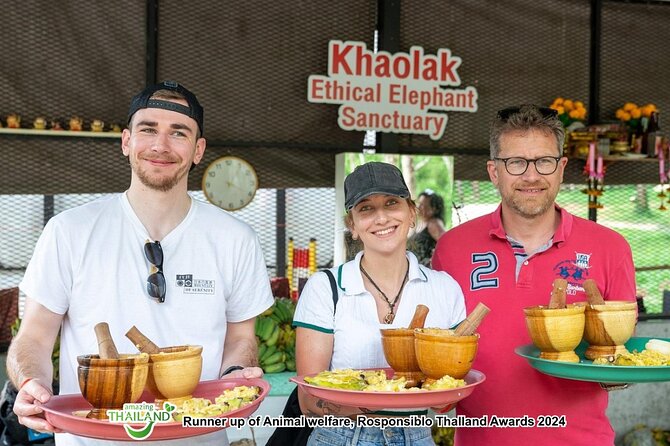
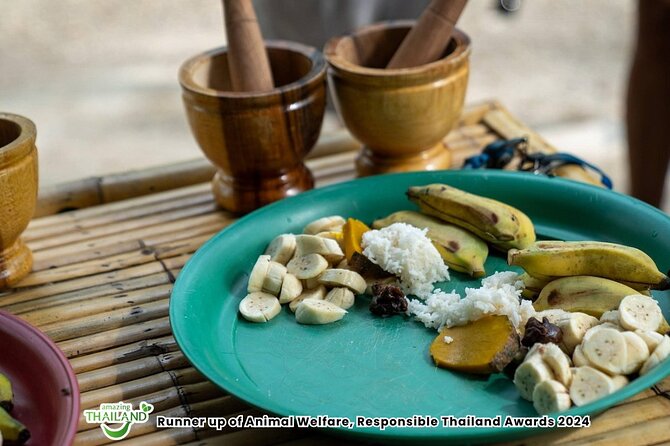
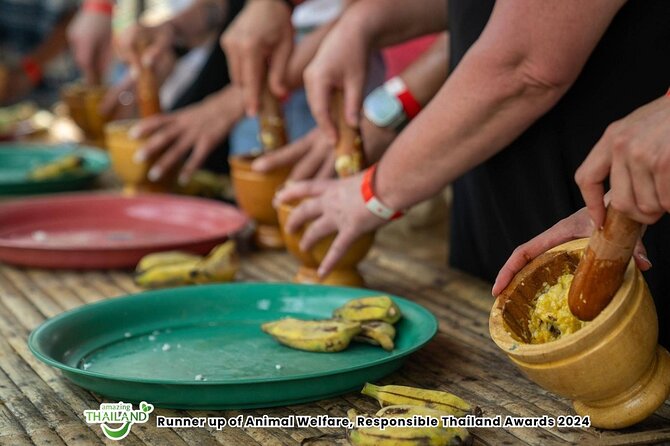
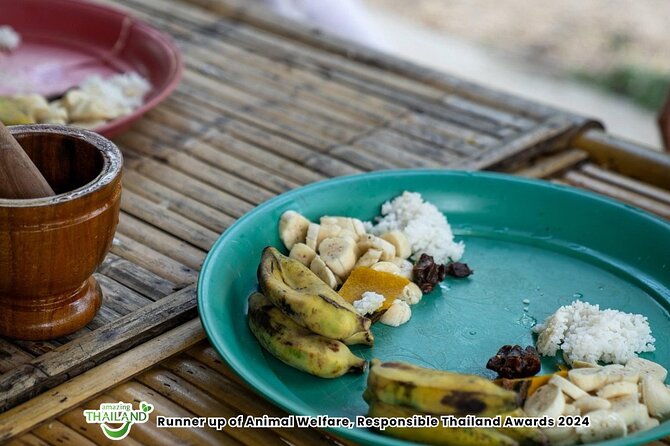
Caretakers prepare nutritious snacks as part of the elephants’ daily care. However, the advertised experience is described as observation-only, with no bathing and no riding. That distinction is worth taking seriously. Some other programs at the sanctuary have included more interactive activities, such as feeding, preparing food, or washing elephants, but you should not assume those activities are part of this 30-minute booking.
If hands-on contact is important to you, ask the provider to confirm the exact program before paying. If animal welfare and a quieter setting matter more, the limited contact is a benefit.
Why no riding and no bathing matter
Elephant tourism in Thailand comes with a difficult question: does the activity put the animal first, or does it simply use gentle-looking animals for entertainment? A no-riding policy removes one of the clearest concerns. You are not sitting on an elephant, asking it to carry people for photographs, or treating its body as a vehicle.
The no-bathing policy also keeps the interaction simpler. Bathing can look harmless, but it still asks an elephant to take part in a scheduled human activity. Here, the point is to watch the animal splash or clean itself without making the animal perform that behavior on command.
The word ethical should not make you stop asking questions. One past account raised concerns about feeding practices and how the sanctuary’s policies were explained. Another praised the careful handling and the way the elephants were allowed to move freely. Those different impressions show why clear expectations matter.
I would judge this experience by its actual rules: no riding, no bathing, observation rather than forced contact, and animals allowed to roam and interact naturally. You can also ask the guide how the elephants arrived, what contact they have with caretakers, and how your admission supports their care. A responsible visit welcomes those questions.
The elephants’ rescue stories add meaning
An elephant encounter can be lovely but still feel thin if you know nothing about the animals. Here, the guide explains each elephant’s rescue background and the rehabilitation process. That turns the visit from a simple photo opportunity into a lesson about the work required to care for animals that have lived under human control.
The stories may also help you understand why some rescued elephants still accept or seek human contact. Elephants used in domestic work or tourism do not simply forget their previous lives. They may be comfortable around caretakers while still needing a protected place to live.
One guide named Hans has been singled out for his clear explanations and strong knowledge of the elephants. Tony has also led visits, sharing each animal’s individual story and explaining the sanctuary’s work. Guide assignments can change, so do not book on the assumption that either person will lead your session. Still, the presence of guides who can discuss individual elephants is a real strength.
Listen for practical information, not just sentimental stories. You want to learn what the elephants eat, how their days are structured, and how the sanctuary decides what contact is appropriate. The best part of this visit may be understanding why doing less with an elephant can be the more respectful choice.
More elephant sanctuary visits around Khao Lak:
- Khaolak: Elephant Sanctuary Guided Tour with Hotel Transfers
★ 4.8 · 56 reviews - Khao Lak: Waterfall,Sea Turtle,Elephant Care,Meal & Transfer
★ 4.6 · 52 reviews - Guide Tour to Khaolak Elephant Sanctuary in Small Group
★ 5.0 · 47 reviews - Khaolak Elephant Sanctuary, Cooking Class and Waterfall Tour
★ 4.5 · 15 reviews
A calm alternative to interactive elephant camps
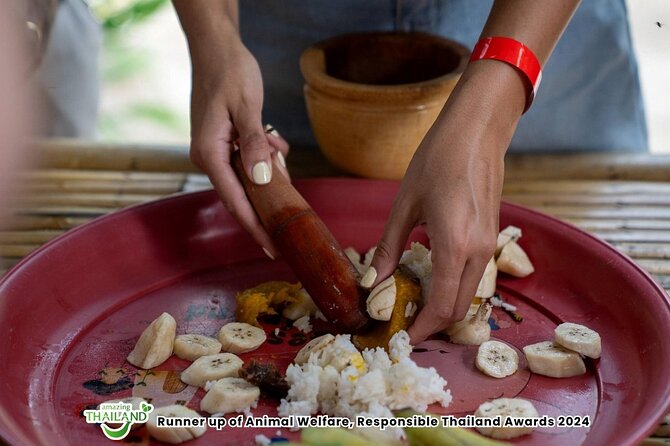
Many elephant programs sell a long list of activities: feeding, mud baths, bathing, riding, painting, performances, or jungle walks. The appeal is obvious. You get close, stay busy, and leave with plenty of photos.
This sanctuary experience takes the opposite route. You watch rather than handle. You are not promised a bath, a ride, or a staged trick. The result may feel less exciting for someone looking for constant activity, but it is a better match for a person who wants to support observation-based conservation.
The short format also works well in a busy Khao Lak schedule. You can fit it between other plans instead of giving up an entire morning. Families may appreciate the manageable length, especially if younger children have limited patience. People who want a serious, extended look at elephant care may find 30 minutes too little.
The sanctuary has also offered longer formats. Past visits to one-hour programs included preparing food, making Thai pancakes, creating an inhaler, feeding several elephants, and washing them. Those details belong to a different format unless the provider confirms otherwise. Make sure the product name, length, and activities match what you want.
How much value do you get for $32.27?
At $32.27 per person, this is not the cheapest quick stop in Thailand, but the price is fair for a small-group conservation visit with an English guide. Drinking water is included, and the admission supports the sanctuary’s elephant care according to the stated purpose of the experience.
The value depends heavily on your expectations. If you want a 30-minute introduction, a chance to watch elephants in a less intrusive setting, and useful explanations about rescue and rehabilitation, the cost is sensible. You are paying for the setting, staff time, animal care, and a controlled encounter, not for a long menu of activities.
If you expect an hour or more of feeding and direct contact, the price may feel high. The sanctuary’s other programs appear to offer more interaction, but those are not automatically included here. I would compare duration first, then check exactly what you can do during the visit.
There is also a practical value in avoiding a large group. A maximum of 15 people gives you a better chance to hear the guide and observe without a crowd pressing toward the elephants. That matters more than a free snack or a long list of add-ons.
What the visit feels like for different kinds of people
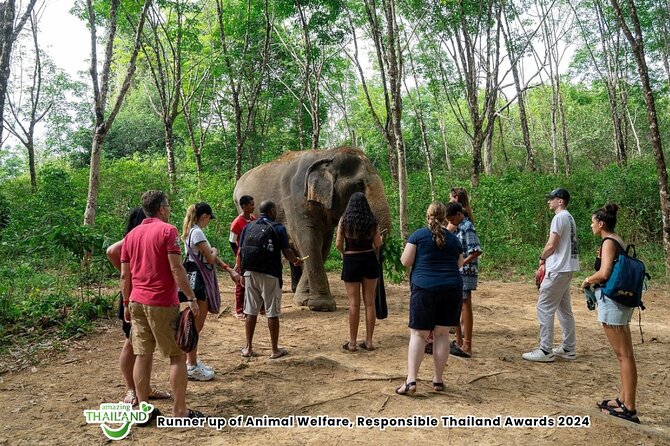
This experience suits you if animal welfare is more important than touching an elephant. It is also a good fit if you have limited time in Khao Lak, prefer a small group, or want a guide to explain conservation rather than simply point out photo opportunities.
Families can appreciate the short duration and the clear focus. Children may enjoy watching the elephants eat and play, though adults should prepare them for the fact that the animals are not there to provide constant action.
It also suits first-time visitors who are unsure how to judge an elephant attraction. The no-riding, no-bathing format gives you a straightforward standard: observe, learn, and avoid asking the elephants to entertain you.
This is less suitable if you want to walk closely beside an elephant, feed several animals, prepare elephant food, or take part in bathing. Those activities have been available in longer formats, but they are not part of the advertised observation-only visit.
Photography should be secondary. You may get memorable pictures, but the elephants’ behavior can be subtle and the visit is brief. Watch first. Put the phone down long enough to see what the animal is actually doing.
Practical planning for a smoother visit
Your confirmation arrives at booking, and the ticket is mobile, so you can show it on your phone. Keep the booking details easy to access when you arrive.
Bring your own transport plan because hotel transfer is excluded. The sanctuary is near public transportation, but the supplied details do not promise a particular bus route, taxi service, or pickup arrangement. If you are staying outside central Khao Lak, check the travel time before selecting a start time.
The activity ends back at the meeting point. That makes it easy to continue with your own plans afterward, but it also means you cannot count on being dropped at a hotel or another attraction.
Drinking water is included. An English guide is included as well, which is important because the conservation explanation is a central part of the visit. The tour is suitable for most people, according to the supplied participation information, though no detailed mobility guidance is provided. If you have specific access needs, contact the provider before booking.
You can cancel for a full refund if you do so at least 24 hours before the local start time. Inside that 24-hour window, the payment is not refunded and changes are not accepted. That is a useful safety net, but it does not protect a last-minute change of mind.
Questions worth asking at the sanctuary
A good guide should be able to explain each elephant’s origin and current routine. Ask how long the animal has been at the sanctuary, what care it receives, and what freedom it has to choose where to go.
You can also ask how your admission helps the animals. A conservation claim is more useful when the provider can explain the actual costs of food, medical care, staff, and maintenance.
Pay attention to the animals’ body language. Calm movement, space between people and elephants, and the freedom to walk away are reassuring signs. If an elephant is being repeatedly called over, crowded, or directed for a photograph, you are right to question the practice.
The supplied experience promises a non-intrusive visit, so the clearest test is simple: are you watching the elephants, or are the elephants being made to work for your attention?
Should you book the Khao Lak sanctuary?
Book this experience if you want a brief, observation-only visit built around rescued elephants, an English explanation, and no riding or bathing. The small group and individual rescue stories add substance, while the $32.27 price is reasonable for a short conservation-focused stop.
Before booking, confirm the duration and activity list. The advertised visit is about 30 minutes, but the sanctuary also has longer programs with feeding and other hands-on elements. If you want those, choose the correct option rather than arriving with the wrong expectations.
I would recommend it most strongly to visitors who value respectful wildlife encounters and are happy to let the elephants set the pace. If you want a full morning or direct interaction, select a longer program only after checking its welfare rules. For everyone else, this is a useful, compact way to see elephants without riding them or turning a rescued animal into a performance.
FAQ
How long is the Khao Lak Ethical Elephant Sanctuary experience?
The advertised experience lasts approximately 30 minutes. The sanctuary also has longer programs, so confirm the duration of the option you book.
How much does the experience cost?
The listed price is $32.27 per person.
Does the experience include elephant riding or bathing?
No. This experience is described as no-riding, no-bathing, and observation-only.
Is hotel transportation included?
No. Hotel transfer is not included. You meet at Khaolak Ethical Elephant Sanctuary and return to the same meeting point at the end.
Is an English guide included?
Yes. An English guide is included, along with drinking water.
Can I cancel for a refund?
Yes. You can receive a full refund if you cancel at least 24 hours before the local start time. Cancellations or changes made within 24 hours are not refunded or accepted.
Just added around Khao Lak
- Khao Lak/Phuket: Wow Andaman Snorkeling Trip to Surin Islands★ 5.0 · 15 reviews
- Guide Tour to Khaolak Elephant Sanctuary in Small Group★ 5.0 · 47 reviews
- Phuket: Wow Andaman Snorkeling Trip to Similan Islands★ 4.5 · 32 reviews
- Twiligth Sea Canoe and Bioluminescent Plankton★ 5.0 · 10 reviews
- Temples Tour in Thailand from Khaolak★ 5.0 · 35 reviews
- Surin Islands Snorkeling Day Trip By Love Andaman From Khao Lak★ 4.5 · 11 reviews
- Takuapa Cultural History Half-Day Tour From Khao Lak★ 4.5 · 12 reviews
- Surin Islands Snorkel Tour by SeaStar Andaman from Khao Lak★ 4.5 · 42 reviews
Khao Lak Tours, compared.
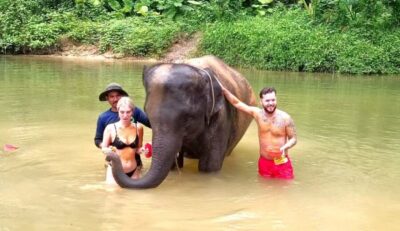
Ethical Elephant Sanctuary Experience in Khao Lak
Read our review →
Thai Cooking Class in Khao Lak by Amazon Prime Series Chef
Read our review →
Khaolak: Bamboo Rafting, Waterfalls, and Turtle Conservation
Read our review →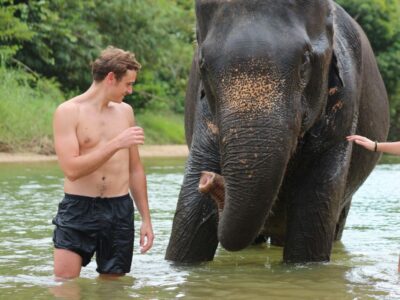

Little Amazon Canoe Ride & Tam Nang Waterfall Tour
Read our review →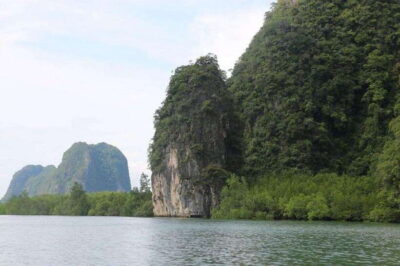
Khaolak: Phang Nga Bay, Tapu Island, and Panyi Village Tour
Read our review →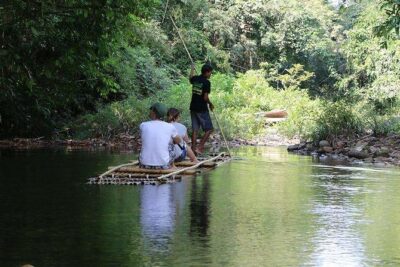
Bamboo Rafting & Sea Turtle Conservation Center
Read our review →
Browse the lists this tour appears in