
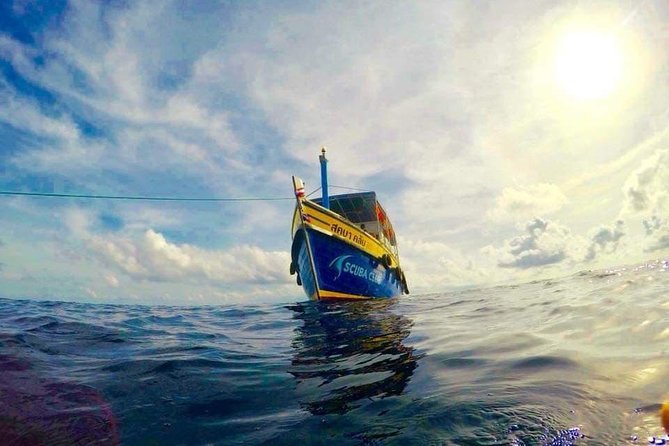
Reviewed · KOH TAO TOURS
Advanced Adventurer – 2 days ( Advanced Open Water)
Koh Tao’s SSI Advanced Adventurer course is less about sitting in a classroom and more about trying five different kinds of underwater work. You practice navigation, buoyancy, a descent to as much as 30 meters, wreck skills at the HTMS Sattakut, and the strange after-dark world beneath the surface.
I like the way the course lets you test several specialties before committing to one. I also like the small group limit of four, along with the strong focus on calm, careful instruction from guides such as Safari, Oni, Ae, and Rosita. The main consideration is that the exact plan can take two or three days, since weather and the specialty choices affect the schedule.
Key points to know before booking
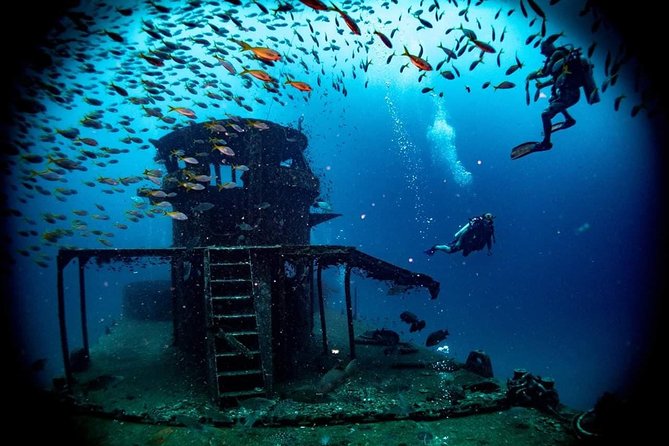
- Five specialty sessions in one course: Try buoyancy, navigation, deep, wreck, and night work rather than choosing only one subject.
- A 30-meter limit after completion: The deep session qualifies you to descend to a maximum of 30 meters under the SSI course structure.
- The HTMS Sattakut adds real character: The wreck session gives you a practical introduction to wreck procedures at one of Koh Tao’s notable underwater sites.
- The night session changes the mood completely: Nocturnal marine life appears after sunset, making this the most distinctive part of the course for many people.
- Groups are capped at four: That is useful when you need close feedback on buoyancy, navigation, or comfort in the water.
- Plan for flexibility: The course is described as two days, but conditions and your chosen sessions can stretch it to three.
What the Koh Tao Advanced Adventurer course really offers
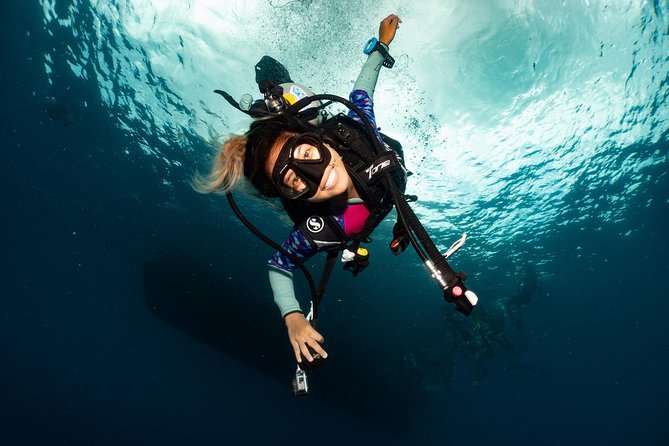
Many advanced scuba courses ask you to pick a specialty and follow a fixed path. This one takes a sampler approach. Across five underwater sessions, you get a taste of several skills that can shape the kind of scuba you want to pursue next.
That format suits you if your open-water qualification left you curious but undecided. You may enjoy wrecks, night conditions, navigation, or simply the feeling of moving through the water with better control. Instead of guessing which specialty fits, you get a useful trial run.
The course includes a session focused on each of five areas: perfect buoyancy, navigation, deep work, wreck procedures, and night conditions. The supplied recommendation is to complete all five, but the course can take two to three days depending on conditions and the sessions selected.
Koh Tao is presented as a suitable setting for instruction because the local sites generally offer manageable depth, visibility, and water conditions. That does not mean every session will feel effortless. You still need moderate physical fitness, and weather can affect the schedule. But the setting is intended to let you concentrate on technique rather than battling difficult conditions.
A few more Koh Tao half-days worth weighing up
- 2-Day Angkor Wat Tour from Bangkok
★ 4.5 · 206 reviews - Khao Sok Wildlife 2 Days
★ 4.5 · 59 reviews - From Chiangrai: Slow Baot to Loas (Luangprabang) 2-Day Tour
★ 4.4 · 56 reviews
Meeting at Koh Tao Scuba Club at 9:30 am
Your day begins at Koh Tao Scuba Club, at 8 21 Moo Koh Tao, Surat Thani 84310. The listed start time is 9:30 am, and the activity ends back at the meeting point.
Pickup is offered, but the stated start location remains the club. I would confirm the pickup arrangement before booking if you are relying on transport. The practical point is simple: allow enough time to reach the club, get organized, and be ready for the morning schedule rather than arriving at the last minute.
Public transportation is nearby, and the club is easy to use as your base for the course. Since the group size is limited to four people, the morning setup should feel more personal than a large boat operation. That matters when you are checking equipment, discussing your comfort level, or asking how the day will run.
The course has mobile tickets and booking confirmation is provided at the time of reservation. Those are small conveniences, but useful when you are moving around Thailand and keeping travel paperwork on your phone.
Perfect buoyancy: the skill that makes everything else easier
The buoyancy session is the quiet workhorse of the course. It may sound less exciting than a wreck or night session, but good buoyancy affects almost every other part of scuba.
You work on staying at the right level in the water instead of constantly rising, sinking, or using your hands to correct your position. Better control can help you conserve energy, protect the seabed, and move more calmly near marine life.
I like this as an early course choice because it gives you a practical base for the rest of the program. Navigation becomes easier when you are not distracted by your depth. Wreck procedures become more controlled when you can hold your position. Night work feels less intimidating when your body is settled and your movements are deliberate.
Do not expect this session to be a flashy highlight. Its value is that you carry the technique into every later session. If your open-water course felt rushed, this is a good chance to make your basic movement more natural.
Navigation: learning to return with a plan
The navigation session moves your attention away from simply following a guide. You learn to plan your route and find your way back to the boat underwater.
That is an important change in confidence. Many newly qualified scuba participants are comfortable while an instructor leads, but less certain about direction once the group turns or visibility changes. Navigation practice gives you a clearer sense of where you are and what you are trying to achieve.
The value here is practical rather than dramatic. You are not just looking at fish. You are learning to think ahead, track your route, and remain calm while making decisions underwater.
The small group limit helps this kind of lesson. With no more than four participants, you have a better chance of receiving direct correction instead of simply staying in line. Oni was praised for making the course enjoyable while teaching useful skills and putting safety first, which is exactly the approach you want during a navigation session.
Same base, a completely different kind of day out:
- Koh Tao: Islands Snorkeling Highlights Day Tour & Lunch
★ 4.7 · 3,742 reviews - Full day snorkeling adventure around Koh Tao
★ 5.0 · 2,300 reviews - Open Water Course – Become certified diver in 3 days
★ 5.0 · 1,137 reviews - Koh Tao: Koh Nangyuan & Hidden Bays Snorkeling Tour w/ Lunch
★ 4.6 · 912 reviews
The 30-meter descent and what it changes
The deep specialty session takes you to a maximum of 30 meters. After completing this part of the course, the stated SSI qualification allows you to scuba to that maximum depth.
That expanded limit can open up more sites and give you access to features that sit below standard open-water depth. But the number itself should not be the main goal. A deeper descent brings a greater need for planning, depth awareness, air management, and calm decision-making.
The course description emphasizes that you plan the descent rather than simply going down to a particular number. That is a useful distinction. You are practicing how to approach deeper water with a plan, not collecting a depth as a badge.
You should also keep your personal comfort in mind. The maximum depth is an upper limit, not a requirement to reach it on every future outing. The best outcome is a better understanding of how deeper conditions affect you and how to manage them carefully.
The HTMS Sattakut wreck session
The wreck session is likely to be the most memorable daytime part of the course. You visit the HTMS Sattakut and learn the basics of wreck scuba.
A wreck gives a lesson more structure than an open reef. You have a large fixed object to study, a route to plan, and specific boundaries to respect. The basic instruction is valuable because wrecks require extra care around surfaces, entry points, depth, and positioning.
The information provided does not promise interior penetration, so you should not assume that you will enter the wreck. Think of this as an introduction to wreck procedures and observation around the site.
That makes the session suitable for someone who is curious about wreck specialties but does not yet know if they want a full wreck course. It is also a good place to apply your buoyancy and navigation practice. You can work on staying controlled near the structure while keeping track of your route.
The night session at Koh Tao
The night session offers the sharpest change from ordinary daytime scuba. Once the sun goes down, marine life that remains hidden or quiet during the day can become active.
The underwater world feels different after dark. Your attention narrows to the area lit by your torch, and familiar surroundings can seem new. That change makes the session more than a repeat of a daytime route.
You need to be comfortable with the basic skills before attempting it. The earlier sessions can help you settle your buoyancy, manage your equipment, and follow a plan. That is one reason the five-session format works well: each part supports the next.
Safari received especially strong praise for creating a calm, safe feeling while keeping the sessions fun. That combination matters at night. You want an instructor who takes procedures seriously without making the experience tense.
The night session is also the part most likely to divide people. Some participants love the unusual marine activity and the sense of discovery. Others may find the darkness less comfortable. If you are uncertain, tell the instructor early so the session can be approached at a suitable pace.
Instructors and the value of personal attention
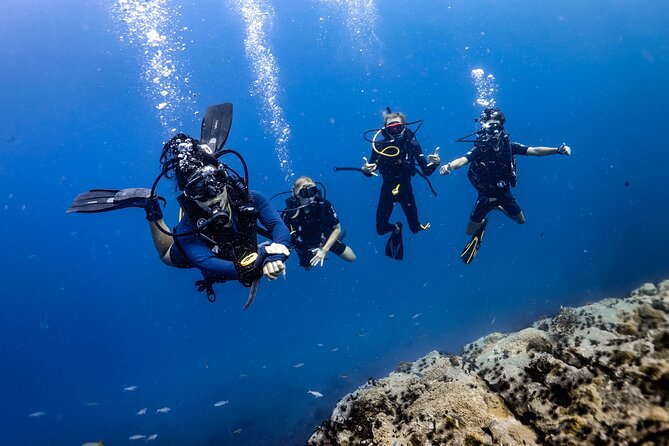
The named instructors associated with the course include Oni, Safari, Ae, and Rosita. The most consistent praise centers on instructors who make participants feel safe, explain skills clearly, and keep the mood relaxed.
Oni is described as confident and safety-focused, while Safari is repeatedly singled out for helping people feel calm and comfortable. Ae is praised for professionalism and strong instruction, and Rosita is remembered for making lessons funny as well as clear.
That mix is important because advanced scuba is not only about technical information. You need to trust the person beside you when you are working on navigation, heading into darkness, or approaching a wreck.
You can request a particular instructor, but the supplied information does not guarantee that a named guide will be available. If you have a preference, ask when booking. The group maximum of four remains one of the strongest practical features, since close feedback is more useful than a large class moving at one pace.
Conditions around Koh Tao
The course describes Koh Tao’s sites as well suited to instruction, with generally good depth, clarity, and calmness. Those factors make a real difference during skill training.
Clearer water lets you focus on your task instead of spending the whole session trying to orient yourself. Calm conditions can make navigation and buoyancy work less tiring. Suitable depths also allow the instructor to match the session to the lesson rather than forcing every participant into a demanding environment.
Still, good general conditions are not a promise of perfect weather every day. The course requires suitable weather, and a cancellation caused by poor conditions leads to either a different date or a full refund.
I would leave some flexibility in your Koh Tao plans. That is especially wise if the course is tied to a ferry, flight, or onward hotel booking. The course is advertised at approximately two days, but the schedule may extend to three.
Is $326.11 good value?
At $326.11 per person, this is not a casual add-on for a single morning. You are paying for five specialty sessions over approximately two days, instruction, and the chance to gain an SSI advanced qualification with a maximum depth of 30 meters.
The value is strongest if you already know you want more than standard open-water scuba. Taking five subjects in one course can save you from paying separately to sample each specialty. You also get a clearer idea of what interests you before committing to a longer specialty program.
The price is less attractive if you only want a single wreck visit or a one-off night session. In that case, a shorter activity may suit your plans better. This course earns its cost through variety and structured progression, not through a single headline site.
The small group size improves the value. A limit of four means the instruction is designed around close contact rather than a crowd. You are more likely to have time for questions and personal correction, although the exact experience still depends on the instructor and sea conditions.
Who should take this course?
I would recommend it most strongly to someone who has recently completed open-water certification and wants to build confidence while the basic skills are still fresh. The five-session format gives you useful practice without forcing you to choose a specialty too soon.
It also suits returning scuba participants who want a structured refresher with a clear goal. The navigation and buoyancy sessions are useful even if the wreck and night elements are what first attract you.
You should be comfortable with moderate physical activity and with spending much of the course in the water. If darkness, deeper water, or wreck structures make you uneasy, that does not automatically rule out the course, but you should discuss your concerns with the instructor.
This is not the right choice if you need a rigid two-day schedule. Conditions and session choices can push the course to three days. It is also not ideal if you are looking for a sightseeing trip with no skills work. This is a certification course, so learning and planning remain central.
Booking, cancellation, and useful planning notes
Confirmation arrives when you book, and the experience ends at the Koh Tao Scuba Club meeting point. The activity is near public transportation, pickup is offered, and mobile tickets are available.
You can cancel for a full refund up to 24 hours before the local start time. Inside that window, the amount paid is not refunded and changes are not accepted. If poor weather causes the operator to cancel, you receive the choice of another date or a full refund.
The course has a maximum of four participants. I would ask about the daily timetable, pickup details, and the likely specialty order before the first morning, especially if you have limited time on Koh Tao.
Should you book the Advanced Adventurer course?
Book it if you want a broad next step after open-water certification. The combination of buoyancy, navigation, 30-meter training, the HTMS Sattakut wreck, and a night session gives you more useful experience than a single specialty introduction.
I especially like it for the participant who is curious but undecided. You can find out if wrecks, night conditions, or technical skills hold your interest while building fundamentals that help everywhere.
Skip it if you want a guaranteed two-day timetable, dislike structured lessons, or only want a relaxed sightseeing session. For everyone else, the small groups, safety-minded instructors, and range of underwater work make the $326.11 price reasonable, provided you can keep your schedule flexible.
FAQ
Where does the course start?
It starts at Koh Tao Scuba Club, 8 21 Moo Koh Tao, Surat Thani 84310, Thailand.
What time does the course begin?
The listed start time is 9:30 am.
Where does the activity end?
The course ends back at the meeting point, Koh Tao Scuba Club.
How long does the course take?
It takes approximately two days, but conditions and the sessions selected can make it two to three days.
How many underwater sessions are included?
The course includes five sessions.
Which specialty sessions are recommended?
The recommended subjects are perfect buoyancy, navigation, deep, wreck, and night.
How deep can I go after completing the course?
The course states that you can scuba to a maximum of 30 meters after completing the deep session.
Does the course visit a wreck?
Yes. The wreck session visits the HTMS Sattakut and covers the basics of wreck scuba.
How many people can join the activity?
The maximum group size is four participants.
What happens if bad weather cancels the course?
You are offered another date or a full refund if poor weather causes the activity to be canceled.
Just added around Koh Tao
- Basic Diver ( One Day Experience)★ 5.0 · 205 reviews
- La Bombona Diving Koh Tao Try Dive★ 4.5 · 14 reviews
- Full Day Treasure Hunt on Koh Tao★ 5.0 · 86 reviews
- Snorkel Tour to Koh Nangyuan and the hidden bays of Koh Tao onboard the Oxygen★ 5.0 · 190 reviews
- Snorkel Trip to Koh Nangyuan and Bays of Koh Tao By The Oxygen★ 5.0 · 30 reviews
- La Bombona Diving Koh Tao Open Water Course★ 5.0 · 172 reviews
- PADI Discover Scuba Diving in Koh Tao – half day and two dives★ 4.5 · 74 reviews
- CocoTipAdventures and Snorkel with Meals-BBQs-Cocktail-Sunset★ 5.0 · 46 reviews
Koh Tao Tours, compared.
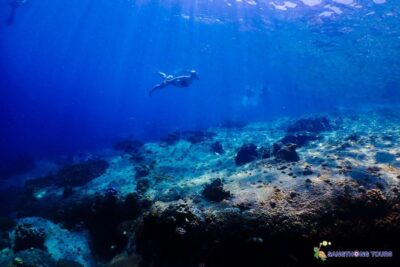
Islands Snorkeling Highlights Day Tour & Lunch
Read our review →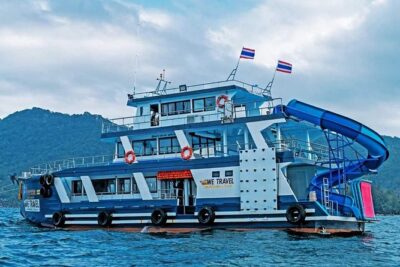
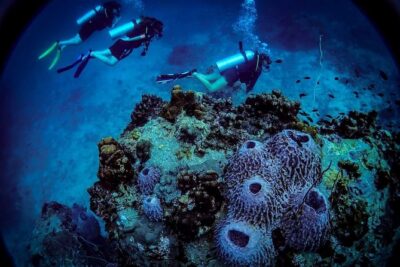
Open Water Course – Become certified diver in 3 days
Read our review →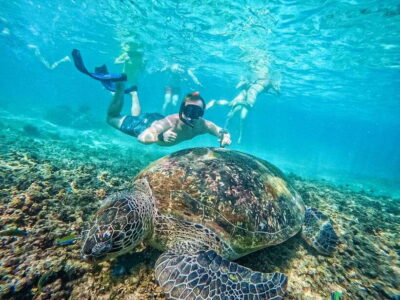
Koh Nangyuan & Hidden Bays Snorkeling Tour w/ Lunch
Read our review →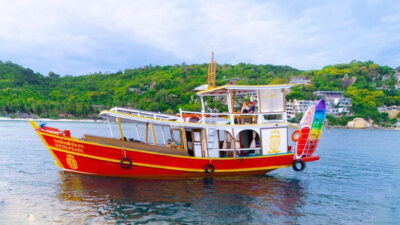
Tao-Nangyuan Snorkeling Day Trip with Meals & Sunset
Read our review →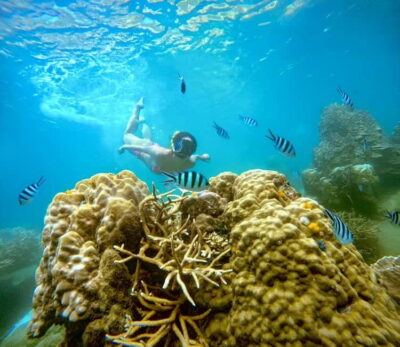
Snorkeling Trip to Nang Yuan Island & Hidden Bays
Read our review →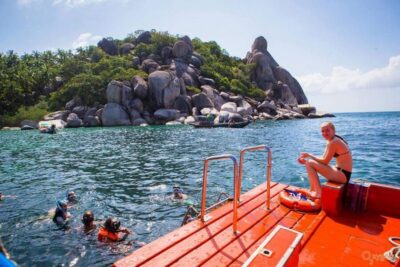
Koh Nangyuan and the Hidden Bays Trip by the Oxygen
Read our review →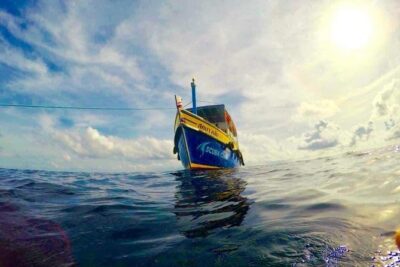
Browse the lists this tour appears in