
Reviewed · BANGKOK TOURS
Bangkok: Chinatown By Night Walking Tour
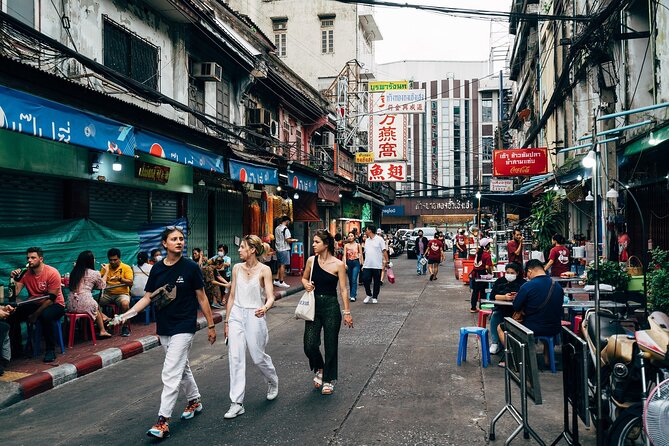
Bangkok’s Chinatown is at its best after sunset, when neon signs glow over Yaowarat Road and narrow lanes lead to old shrines, markets, family shops, and food stalls. This two-hour evening walk gives you a local guide to connect those sights, rather than leaving you to guess what you are seeing.
I like the mix of street food and cultural detail, especially the attention to Chinese gold-trade history, traditional shopfronts, temples, and herbal drinks. I also like the small-scale stops: an old community museum, a European-style mosque, a Chinese courtyard house, and a riverside shrine.
The main catch is pace. The route covers Chinatown and parts of Talat Noi, with several historic stops packed into about two hours. The streets can be crowded, and food is not clearly listed as an included cost, so bring money if you want to taste more than a sample or buy a full dish.
Key points to know before you book
- Chinatown after dark: Start at 6:30 pm, when Yaowarat’s signs, stalls, and restaurants begin to define the neighborhood.
- Several guides lead this experience: Names associated with the tour include Nam, Jimmy, Tony, Bobby, Bass, Den, Dan, and Kim. Guide quality appears central to the experience.
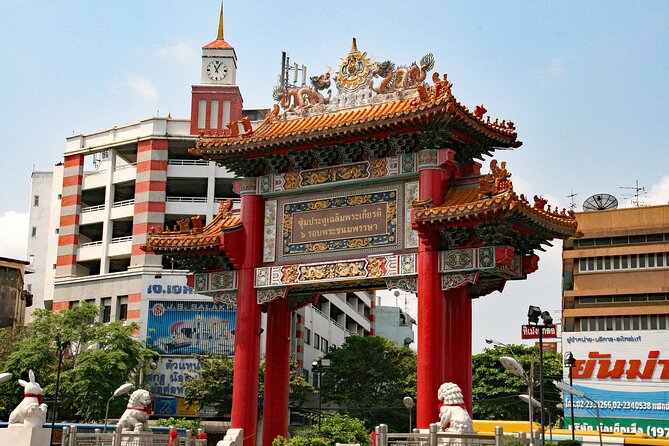
- A mix of famous and modest sights: You visit Chinatown Gate, Talat Kao market, old shrines, a mosque, historic homes, and temple grounds.
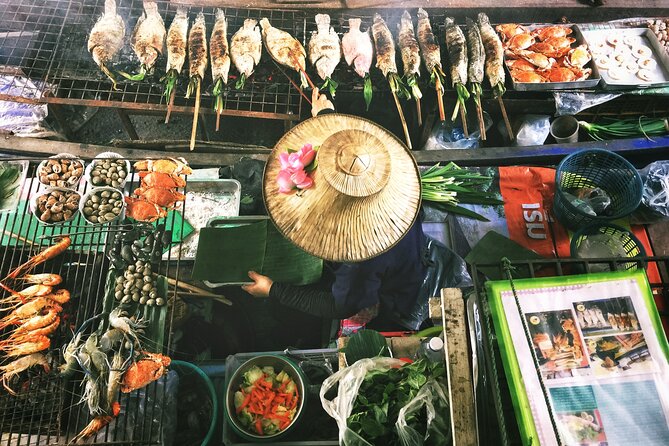
- Food is part of the walking experience: Your guide can point out and introduce Thai and Chinese dishes, but plan to pay for anything you purchase unless told otherwise.
- A brisk route: The advertised duration is about two hours, though one account describes a 1.5-hour version. Expect movement, crowds, and limited time at each stop.
- Useful extras: Your mobile ticket includes access to three self-guided tours in the Vox City app.
Why Chinatown works so well at night
Bangkok Chinatown is not a museum district. It is a working neighborhood where gold shops, old residences, religious buildings, markets, and restaurants sit close together. That makes a guided walk useful. A local can explain why a lane matters, point out a sign you might miss, and help you read the difference between a shrine, temple, market, and ordinary shopfront.
The tour begins at 6:30 pm, a smart time for this part of town. You get the cooler feel of evening rather than the full heat of the day, and the neighborhood has more atmosphere once lights come on and food stalls begin serving. Still, Bangkok evenings remain warm, and the close crowds can make the walk tiring, especially for children or anyone unused to city heat.
The meeting point is in the Hua Lamphong and Rong Muang area of Bangkok, near public transportation. You return to the same meeting point at the end, which makes the logistics simple, though you should allow time to find the exact meeting location around Hua Lamphong.
More walking tours in Bangkok:
- Bangkok: City Highlights Temple and Market Walking Tour
★ 4.5 · 3,990 reviews - Bangkok: Grand Palace and Wat Phra Kaew Guided Walking Tour
★ 4.4 · 2,417 reviews - Bangkok: Wat Pho and Wat Arun Guided Walking Tour
★ 4.6 · 1,720 reviews
From Chareon Chai Community to Chinatown’s Chinese roots
One of the most worthwhile stops is an old house converted into a community museum in the Chareon Chai Community. The point here is not grand architecture. It is the chance to see how local people preserved a record of their way of life in a neighborhood shaped by Chinese migration and trade.
A community museum can give the walk a human scale. Instead of hearing only about merchants and royal buildings, you get a look at domestic life and neighborhood memory. Because the tour is short, your guide’s explanation will matter more than the amount of time spent inside.
The next stop is an old mosque built in the style of a European villa, an unusual sight in this part of Bangkok. Its form helps show how different communities and architectural influences have met in the city. It also breaks up the usual Chinatown pattern of Chinese shrines and commercial streets.
I would treat these early stops as context setters. They are not likely to be long attraction visits, and entry fees are not included. Their value comes from seeing how many traditions occupy the same urban area.
Talat Kao, Chinatown’s old market lane
Talat Kao, also called Chinatown’s Old Market, occupies a long, narrow alley off Yaowarat Road. This is the kind of place where a guide earns the fee quickly. The lane can be confusing, and a local guide can direct your attention to food, old businesses, and the way the market fits into Chinatown’s commercial life.
The lane is narrow, so expect people moving in both directions and little room to pause. That is part of the character, but it can frustrate anyone hoping for a slow photo walk. Keep your bag close, stay with the group, and be ready to stop only when the guide finds a practical place.
Food is one of the pleasures here. Guides including Jimmy, Tony, Bobby, Bass, Den, and Dan have been praised for explaining local dishes, pointing out worthwhile stalls, and introducing traditional Chinese herbal drinks. You may have opportunities to taste food or purchase dishes from stalls, but the supplied tour details do not promise a fixed meal or a set number of tastings.
That distinction matters. At $15 per person, the tour is inexpensive for a guided introduction to Chinatown, but you should not book it expecting dinner to be covered. Carry Thai baht for snacks, drinks, or dishes you want to try. If you have dietary restrictions, ask the guide what each item contains before eating it. The tour information does not provide a special dietary menu.
Riverside temples and the small Chao Phraya shrine
The route includes a small temple near the Marine Department station on the Chao Phraya orange express line. You can see the temple from the riverside, which gives this stop a different setting from the packed commercial lanes.
This is a good reminder that Chinatown is tied to the river. Bangkok’s waterways helped goods, people, and ideas move through the city, and the riverfront still gives the district a quieter edge. The stop may appeal to you if you like religious buildings in their urban setting rather than only the most famous monuments.
The itinerary also includes an old royal monastery established during the Ayutthaya era. That places the stop within the long story of Bangkok and the earlier kingdom that came before it. Your guide’s storytelling is important here because the tour does not include attraction entry, and the short duration means you may mainly view the exterior or grounds.
Do not expect a full temple tour with lengthy time for prayer, photography, or architectural study. Think of these stops as a connected walk through the area’s religious life. If you want to explore each temple at leisure, you will need a separate visit.
More evenings out in Bangkok:
- Bangkok by Night: Temples, Markets and Food Tuk-Tuk Tour
★ 5.0 · 3,752 reviews - Bangkok:The Planet Sunset&Dinner Cruise on Chao Phraya River
★ 4.3 · 812 reviews - Bangkok: Night Bike Tour with Temples & Flower Market Visit
★ 4.8 · 751 reviews - Bangkok: Evening Tour with Wat Arun, Wat Pho & Tuk Tuk Ride
★ 4.6 · 701 reviews
Talat Noi, So Heng Tai Mansion, and Zhou Si Kong Shrine
The route reaches Talat Noi, a historic neighborhood beside the river. Here you see So Heng Tai Mansion, a nineteenth-century Chinese courtyard house. Courtyard homes offer a useful contrast to the shop-lined streets of Yaowarat. They show how a wealthy Chinese family residence could be arranged around an internal open space.
The mansion is one of the more distinctive stops because it gives the walk architectural variety. It also helps explain why Talat Noi feels different from the main Chinatown strip. You move from bright commercial roads into an older neighborhood where historic residences and religious sites remain part of the local fabric.
The final listed stop is Zhou Si Kong Shrine, a roughly 200-year-old riverside shrine in Talat Noi. It is used for worship and prayers for good luck, good health, strength, and freedom from illness during the year. Even if you are not religious, the shrine helps you understand how everyday hopes are expressed through local ritual.
A guide can explain proper behavior and the purpose of the site, which is especially helpful if you have not visited a Chinese shrine before. Be respectful, avoid blocking worshippers, and follow any instructions about photography. The supplied information does not promise a formal ceremony or special access.
The guide can make or break the walk
This is a people-led experience. The strongest part is not a single monument. It is the guide who turns a crowded lane into a readable neighborhood.
Several guides have been associated with the experience. Nam is described as passionate and engaging. Jimmy is praised for showing Chinatown and explaining its food. Tony is noted for being kind and attentive when a young participant struggled with the heat. Bobby is associated with food and Thai cultural explanations, while Bass is described as friendly and careful while leading a solo participant through the area.
Den is noted for combining historic facts with useful street-food advice and traditional herbal drinks. Dan is associated with taking guests through smaller side streets and pointing out signs that are easy to miss. Kim is praised for explaining Thai history and the culture of Thai-Chinese people.
Guide assignments can change, so you should not assume you will receive a particular person. Still, these details show what to look for: clear storytelling, practical food guidance, patience in the heat, and the ability to move a group through crowded streets without losing people.
The tour can accommodate up to 99 participants, which is a large possible maximum for a walking experience. A smaller group would make narrow lanes and questions easier, but the actual group size is not specified. If the group is full, expect less personal attention and more waiting at crossings or busy stalls.
What the $15 price really buys you
At $15, this is a low-cost way to get a first orientation to Chinatown. You are paying for a local guide, route planning, storytelling, and help identifying food and cultural details. You also receive three self-guided tours through the Vox City app, which adds value if you want more independent sightseeing afterward.
The price does not cover headphones or entry to attractions. That means you should not expect an audio system, private access, or a series of paid museum visits. The experience works best as an outdoor introduction, with your guide’s voice and observations doing most of the work.
Food needs a little care. The tour description says you taste popular Thai street food, and the experience includes stops at stalls where you can purchase and try dishes. Since food is not separately listed among the inclusions, bring extra cash and treat any tasting as dependent on the guide, stall, and group timing.
For many people, the value is strong because Chinatown can be hard to read on a first night. For serious food hunters, the tour may be only a starting point. You will get suggestions and orientation, but not necessarily a full dinner or a long stay at each stall.
Timing, comfort, and practical planning
The walk lasts about two hours, although the exact version may be closer to 1.5 hours. That is enough time for an overview, not enough for a slow examination of every stop. Wear comfortable shoes and expect standing, walking, heat, and crowded streets.
Public transportation is nearby, and the tour both starts and ends at the meeting point. Check the meeting details carefully before leaving your hotel, since Hua Lamphong and Rong Muang cover a busy central area.
A mobile ticket is provided, and confirmation arrives when you book. You do not need to print a ticket based on the supplied information. Headphones are not provided, so the guide will normally need to speak directly to the group. In a large group, stay close and make sure you can hear before the walk moves on.
Most people can take part, but the tour information does not give detailed accessibility notes. If you have mobility concerns, ask the provider before booking because narrow market lanes, crowds, and the walking distance may affect your comfort.
Free cancellation is available if you cancel at least 24 hours before the 6:30 pm start time. Changes or cancellations inside that 24-hour window are not accepted and are not refunded.
Who should book this Chinatown walk?
I would choose this tour if you are new to Bangkok, want a short evening activity, or prefer cultural context with your street food. Families may like the manageable length, though the heat and crowds can test younger children. Solo visitors can also benefit from having a guide through unfamiliar side streets.
It suits you less if you want a dedicated food tour with a full meal, a small private group, or long visits inside historic buildings. The group may be as large as 99 people, and attraction entry is not included.
Should you book it?
Book this Chinatown by Night Walking Tour if you want an affordable, guided first look at Yaowarat and Talat Noi, with food tips and stories that connect shops, shrines, homes, and the river. The $15 price is fair for the orientation and guide support.
Go with realistic expectations: this is a brisk outdoor walk, not a private history tour or guaranteed dinner. Bring water, comfortable shoes, Thai baht for food, and patience for crowds. If those conditions suit you, the tour offers a useful way to get your bearings before returning to Chinatown on your own.
FAQ
Where does the Bangkok Chinatown night tour start?
It starts at Hua Lamphong, in the Rong Muang area of Pathum Wan, Bangkok 10330, Thailand.
What time does the tour start?
The scheduled start time is 6:30 pm.
How long does the walking tour last?
The advertised duration is approximately two hours. One version of the experience has been described as lasting 1.5 hours.
Where does the tour end?
The activity ends back at the meeting point.
How much does the tour cost?
The listed price is $15 per person.
Is a mobile ticket available?
Yes. The experience includes a mobile ticket, and confirmation is received at the time of booking.
Is food included in the price?
The tour includes opportunities to taste popular Thai street food and learn about local dishes. Food purchases are not clearly listed as an included cost, so bring money for anything you want to buy.
Are attraction entry fees included?
No. Entry to attractions is not included.
Are headphones provided?
No. Headphones are not included.
How large can the tour group be?
The maximum listed group size is 99 travelers.
Can I cancel for a full refund?
Yes, if you cancel at least 24 hours before the local start time. Cancellations or changes made within 24 hours are not accepted and are not refunded.
What extra benefit comes with the tour?
The booking includes three self-guided tours in the Vox City app.
Just added around Bangkok
- Bangkok to Ayutthaya Lopburi Monkey Temple, Largest Buddha Tour★ 5.0 · 62 reviews
- Baiyoke Sky Dinner Experience with Observation Deck Access★ 3.5 · 57 reviews
- Bangkok Luggage Delivery from Hotel to Airport★ 5.0 · 25 reviews
- Living Green Elephant Sanctuary Tour from Bangkok and Pattaya★ 5.0 · 88 reviews
- Bangkok Luggage Storage★ 4.5 · 37 reviews
- Living Green Elephant Sanctuary Experience near Bangkok & Pattaya★ 5.0 · 76 reviews
- Ethical Elephant Watching Tour From Bangkok & Pattaya★ 4.5 · 9 reviews
- King Power MahaNakhon SkyWalk at Bangkok Admission Ticket★ 4.0 · 37 reviews
Bangkok Tours, compared.
Damnoen Saduak Market and Maeklong Railway Market
Read our review →
The Old Siam: Damnoen Saduak and Maeklong Railway Market
Read our review →
Train Market & Floating Market with Boat Ride
Read our review →
Bangkok Canal Tour: 2-Hour Longtail Boat Ride
Read our review →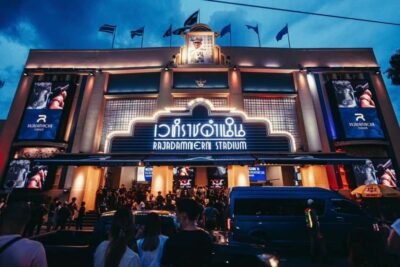
Muay Thai Boxing Tickets at Rajadamnern Stadium
Read our review →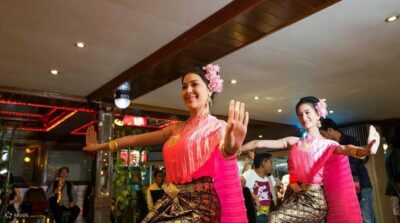
White Orchid Chao Phraya Dinner Cruise free Beer
Read our review →
Bangkok by Private Guide: Full Day Tour In and Around
Read our review →Browse the lists this tour appears in