
Reviewed · BANGKOK TOURS
Bangkok Walking Tour : Mouthwatering Journey Food Tour
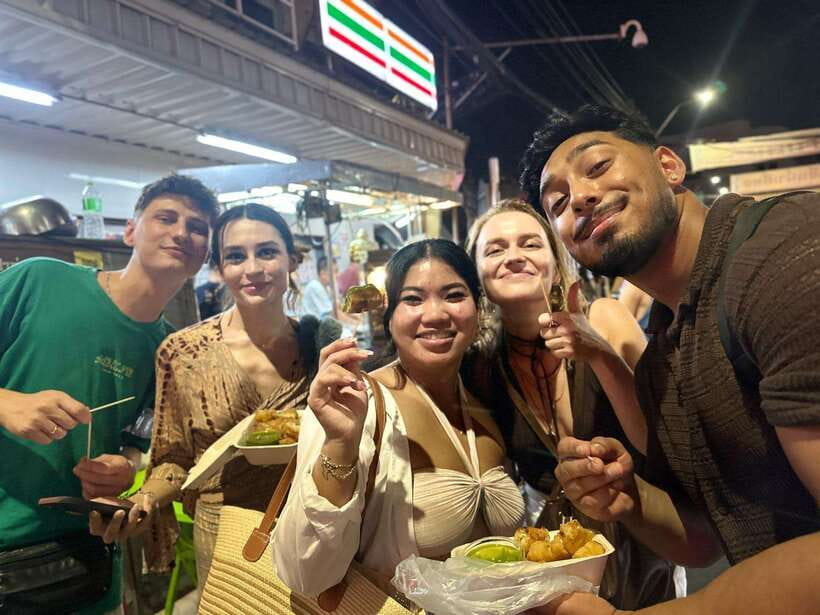
Bangkok’s Chinatown is best understood one bite at a time. This three-hour walk takes you from I’m Chinatown Mall into food markets, small eateries, street stalls, and temple areas, with 10 to 12 tastings along the way. You may try dumplings, dim sum, spring rolls, Thai curries, and freshly prepared dishes while your guide explains how Thai and Chinese food traditions meet here.
I like the large number of tastings and the chance to visit places beyond the most obvious tourist stops. I also like the local contact: guides such as Kwan and Peak help you speak with vendors and explain the customs behind the food. The main drawback is serious and should shape your decision: pork is common, with no vegetarian, vegan, halal, gluten-free, or dependable pescatarian alternatives.
Key points at a glance
- Ten to twelve tastings in three hours: This is a full food experience, not a quick snack walk.
- Chinatown food and culture together: Markets, temples, landmarks, and vendor interactions add context to the meal.
- Guides named Kwan and Peak: Both are praised for good organization, friendly company, and access to less touristy food stops.
- A licensed local guide leads the walk: The tour operates in English, with local history and food culture explained as you go.
- Pork is central to the menu: This tour is not suitable for vegetarians, vegans, halal diners, people with food allergies, or anyone needing gluten-free food.
- $43 includes food, drinks, and water: You pay for a guided three-hour walk and a substantial series of samples, but not hotel transfers or alcohol.
Starting at I’m Chinatown Mall
The meeting point is in front of I’m Chinatown Mall, a practical place to begin because it gives you a clear landmark in an otherwise busy part of Bangkok. The tour returns to the same area after three hours, so you do not need to arrange a separate ride from the final stop.
You will meet an English-speaking local guide and set off on foot. There is no hotel pickup or drop-off, so you need to make your own way to the mall. Wear shoes you can walk in comfortably. Chinatown streets can be crowded, and a food walk is more enjoyable when you are not thinking about sore feet.
Bring sunscreen, water, an umbrella, and rain gear. Bangkok weather can change quickly, and the tour continues through the streets rather than moving between indoor dining rooms. Bottled water and refreshments are included, but carrying a small amount of water is still sensible.
The pace is likely to be shaped by food stops, vendor conversations, and sightseeing rather than by long-distance walking. Still, this is not a wheelchair-friendly activity. The tour is specifically listed as unsuitable for wheelchair users.
More Food Tours in Bangkok
- Bangkok: Backstreets Food Tour with 15+ Tastings
★ 4.9 · 2,880 reviews - Bangkok Backstreets Food Tour with 15+ Tastings
★ 5.0 · 1,926 reviews - Bangkok: Michelin Guide Street Food Tour by Tuk Tuk
★ 4.4 · 1,274 reviews
Why Chinatown works as a food tour
Bangkok’s Chinatown is a natural setting for this kind of experience because Chinese and Thai cooking traditions share the same streets. Dumplings, dim sum, spring rolls, noodles, curries, market snacks, and pork-based dishes can appear within a short walk of one another.
That mix gives the tour more range than a meal at one restaurant. You are not simply served a plate and told what it is. Your guide can explain where a dish fits within local food culture, how it is prepared, and why particular ingredients are common in Chinatown.
The district’s markets also add useful context. Food here is tied to trade, family businesses, religious sites, and daily shopping. As you walk, you get a sense of how the neighborhood functions beyond its role as a sightseeing stop.
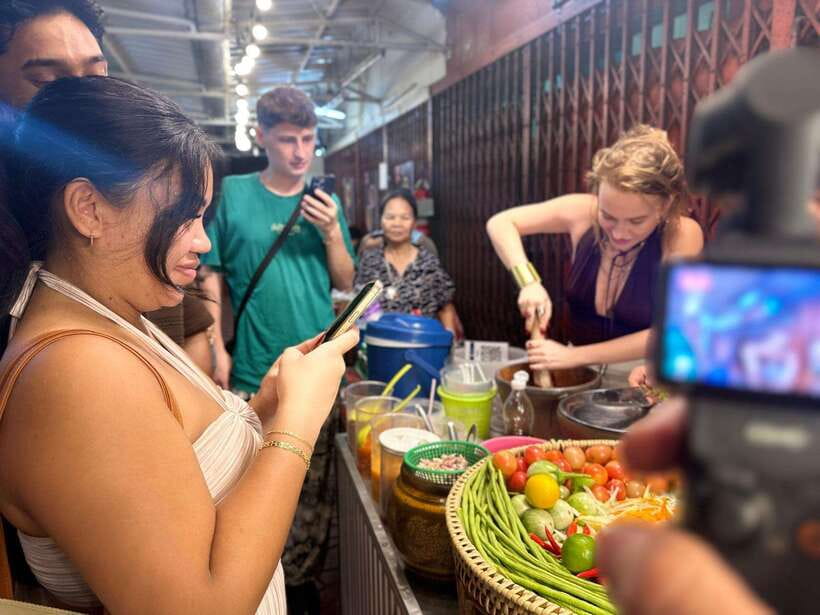
I particularly like the idea of speaking with vendors. Even a short exchange can make the food feel less anonymous. You may see a traditional cooking method, watch a dish being prepared, or try your hand at part of the process. The information provided does not promise a full cooking class, so think of these moments as brief, interactive demonstrations rather than a hands-on lesson lasting the whole tour.
The first tastings: dumplings, dim sum, and Chinese-Thai flavors
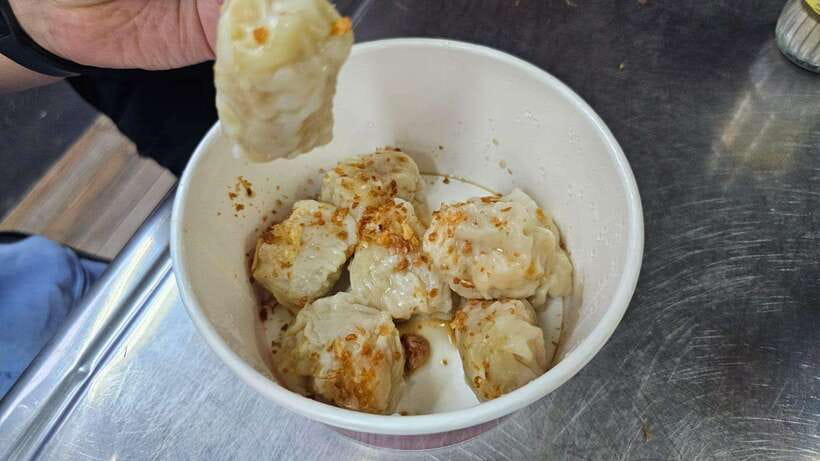
The opening part of the walk is built around Chinese-influenced foods such as dim sum and savory dumplings. These are useful early tastings because they introduce the Chinatown side of the menu before the tour moves into stronger Thai flavors.
Your guide explains the story behind each dish and its cultural role. That matters because similar-looking foods can have different fillings, cooking methods, or local meanings. Instead of guessing at every unfamiliar item, you get a simple explanation before taking a bite.
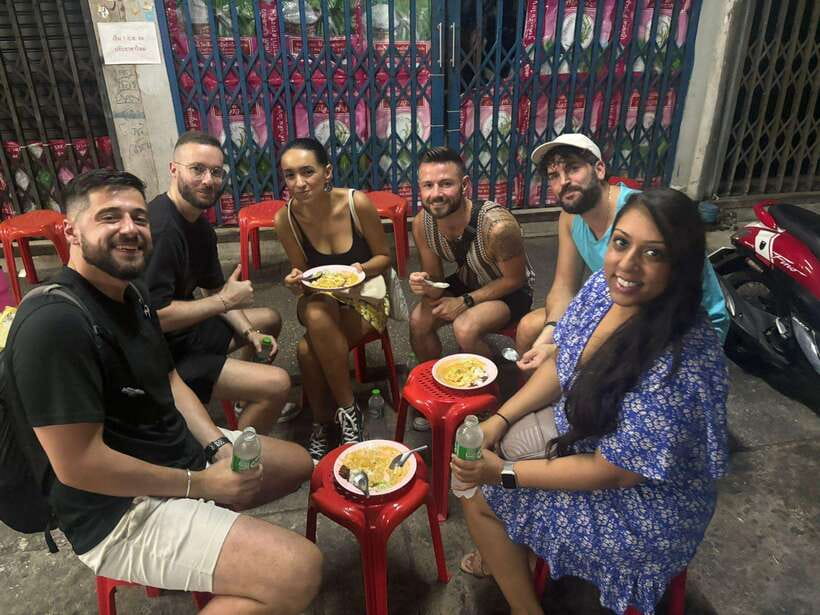
The tasting format should help you save room. You are sampling rather than ordering full meals, but 10 to 12 foods across three hours is still a lot. I would avoid eating a large meal immediately beforehand. Arriving hungry makes the price easier to justify and lets you try more of the selection without feeling overly full halfway through.
One useful feature is the range of textures. Dumplings and dim sum may offer soft or steamed bites, while spring rolls add crispness. That change keeps the walk from feeling like the same dish repeated at every stop.
Still, you should not expect every food to be mild or familiar. Thai and Chinese food in Chinatown can use strong seasoning, and the tour description does not promise adjustments for allergies or special diets. Ask the guide about each dish before eating if you have any concern, but do not book this experience if you need guaranteed ingredient control.
Thai curries and freshly prepared street food
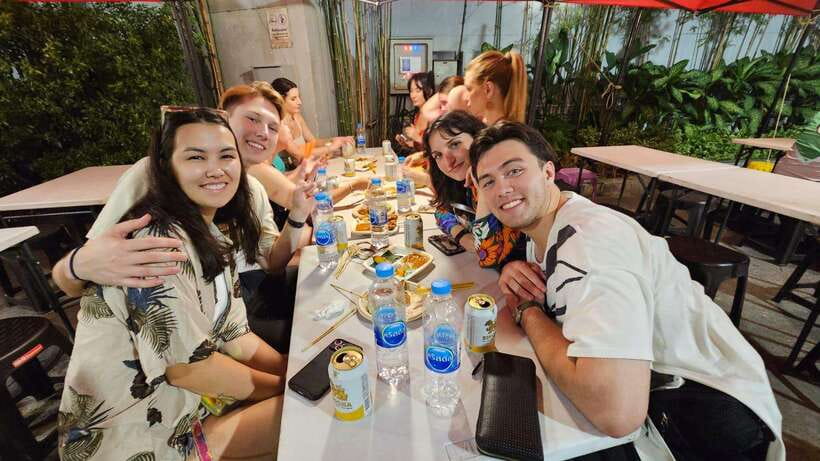
The menu then moves into Thai dishes, including spicy curries and other freshly prepared foods. This is where the contrast between Chinese and Thai cooking becomes most useful. Rather than treating Chinatown as only a Chinese district, the tour shows how the neighborhood’s food has developed across both traditions.
Curries bring heat, herbs, and fuller flavors. Spring rolls and other fried snacks provide a different texture. The precise dishes can vary, and the tour does not give a fixed menu, so you should think in terms of food styles rather than guaranteed recipes.
That flexibility is part of the appeal of a street food walk. Your guide can take you to available vendors and local stops instead of serving a preset restaurant menu. The tradeoff is that you do not know every dish in advance. If you prefer a carefully controlled meal, this may feel uncertain. If you like trying food you would not order alone, it is a strong point.
One Canadian participant said guide Kwan made it possible to try typical dishes that would otherwise have been passed over. That is an important benefit of a food guide in Bangkok. Menus can be difficult to interpret, and unfamiliar stalls may not explain their cooking methods. A guide gives you a way into that world.
The food is also served as part of a moving experience. You will eat, walk, stop, look, and listen rather than sit down for three uninterrupted hours. I find that format better for understanding a neighborhood, though anyone wanting a relaxed long meal should choose a restaurant-based experience instead.
More street food walks in Bangkok:
- Old Siam Bangkok Food Tour with 15+ Tastings
★ 5.0 · 867 reviews - Bangkok Authentic Tasting Thai-Chinatown Walking Food Tour
★ 4.9 · 852 reviews - Bangkok Tuk-Tuk Tour by Night with Chinatown Street Food Meal
★ 5.0 · 635 reviews - Bangkok: Old Siam Food Tour with 15+ Tastings
★ 4.9 · 559 reviews
Markets, vendors, and local conversation
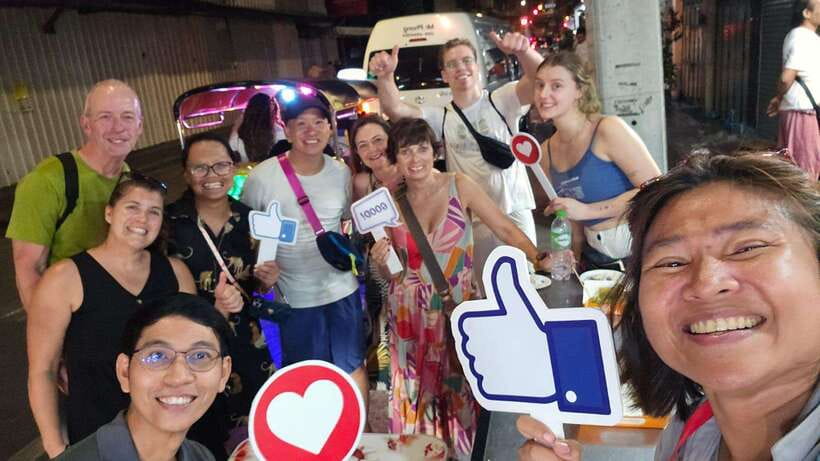
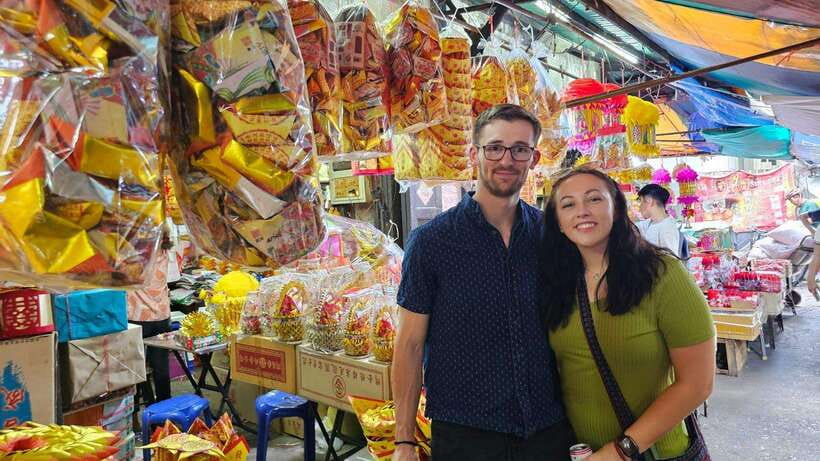
The market section gives the tour its strongest sense of place. You can expect to walk through Chinatown’s food markets and stop at street stalls or small eateries selected by the guide. The goal is to show you places that local residents use, not only the most visible tourist-facing businesses.
The word secret is used for some of these stops, but it should not be taken too literally. The more useful promise is that the guide knows where to look and can help you approach vendors with confidence. Food stalls often make more sense once someone points out what is being cooked and how it is normally eaten.
Vendor interaction is another good reason to book with a guide rather than walk alone. You may learn about an ingredient, watch a cooking technique, or see food prepared moments before you taste it. These small encounters add value that a list of restaurant addresses cannot provide.
At the same time, street food is not the same as a controlled dining room. Food is prepared in working market settings, and the itinerary does not offer allergy safeguards or special substitutions. If you have a food allergy, gluten intolerance, or strict dietary rule, skip this tour.
The tour includes drinks and bottled water, but alcohol is not included. You should not count on an alcoholic drink as part of the tasting sequence.
Temples and Chinatown landmarks between bites
Food is the main event, but the walk also includes iconic landmarks and temples. These stops help explain why Chinatown looks and feels different from other parts of Bangkok.
The exact temples and landmarks are not named in the available details, so I would not book this as a temple tour first. Think of the cultural sights as part of the route, giving you pauses between tastings and a wider view of the area’s heritage.
This combination is useful if you have only a short time in Bangkok. In three hours, you get food, neighborhood history, market scenes, and landmark visits without committing to separate tours. Your guide discusses the history of Chinatown and the different communities connected to the district, linking what you see in the streets to what you eat at the stalls.
Dress and behave respectfully around temples. The tour includes visits to religious sites, so modest clothing and a considerate attitude are wise. The supplied information does not set out a formal dress code, but temple visits are not just photo stops.
The guides make the difference
The tour is led in English by a licensed local guide. Kwan is named in two of the strongest comments, with specific praise for organization and food choices. One account also names Peak, who led the group to less touristy places and explained Thai food culture clearly.
Those details suggest that the guide is not simply there to lead a route. The guide’s choices determine which vendors you meet, how much background you receive, and how smoothly 10 to 12 tastings fit into three hours.
The tour has a rating of 5 from 15 reviews, and the repeated strengths are clear: good organization, strong food selection, local atmosphere, and guides who create a friendly group experience. I would give those points real weight, especially in Chinatown, where an unplanned food walk can become confusing or repetitive.
A private group is available. That may suit you if you want a more personal pace or prefer to ask detailed questions. The basic information does not state the maximum size of a standard group, so do not assume the regular booking is private unless you select that option.
Is $43 good value for three hours?
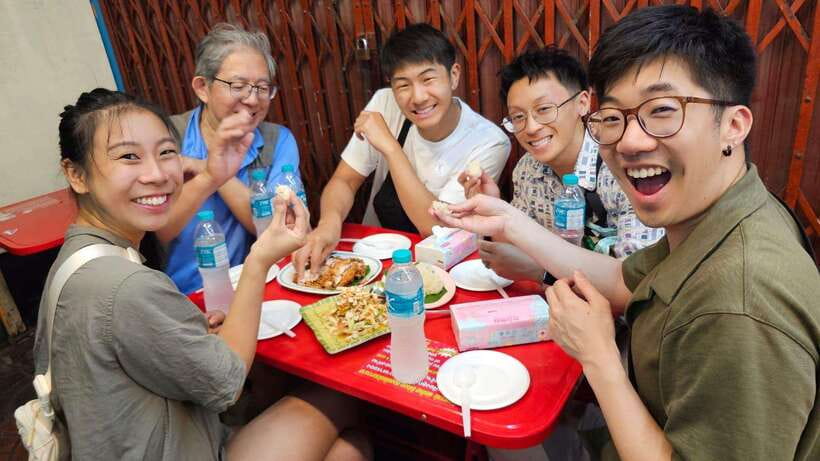
At $43 per person, this tour is not the cheapest way to eat in Bangkok. You can buy individual street foods for far less. The value comes from combining 10 to 12 tastings with a guide, cultural explanations, market access, vendor interaction, sightseeing, bottled water, and refreshments.
The food quantity sounds substantial. One participant described being more than full by the end, which matches the planned number of tastings. If you eat a full breakfast or lunch before arriving, you may feel that part of the cost is wasted.
For a first visit to Bangkok, the price is easier to defend. You are paying to reduce the guesswork, find a series of food stops, and understand what you are eating. It can also help you return to Chinatown later with a better idea of which foods appeal to you.
For repeat visitors who already know the district and are comfortable ordering street food, the value is less obvious. You may prefer to spend $43 on several independent meals. The tour earns its price through guidance and access, not luxury transportation or a private dining room.
There is no hotel transfer, no alcohol, and no replacement menu for restricted diets. Keep those exclusions in mind when comparing it with other Bangkok food tours.
Who should book this Bangkok Chinatown food walk?
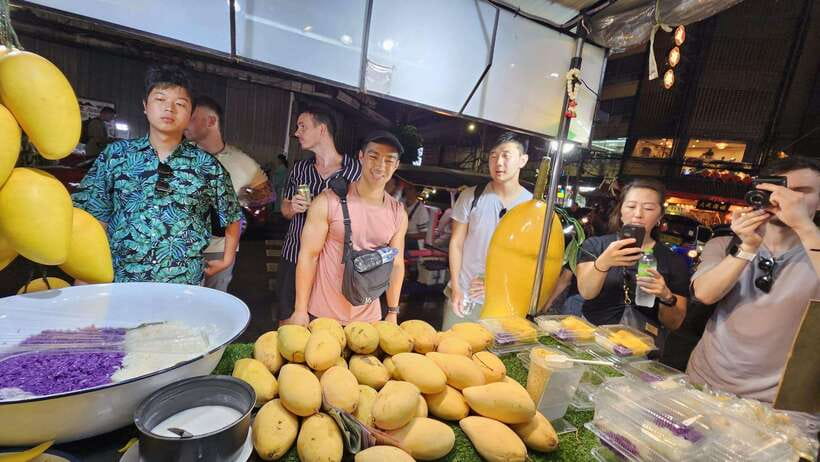
I would recommend it most strongly to people who:
- Want to sample many dishes in one outing
- Enjoy street food and do not need a fixed menu
- Are curious about Thai and Chinese food traditions
- Want a local guide to explain dishes and speak with vendors
- Have three hours available in central Bangkok
- Can comfortably walk through market streets
- Eat pork and have no gluten, allergy, halal, vegetarian, vegan, or pescatarian requirements
It is also a good choice if you are nervous about trying unfamiliar food alone. Kwan and Peak are named as guides who can make the experience easier and more social.
I would not recommend it for anyone with a serious food allergy. The restrictions are unusually clear: most vendors use pork, there are no vegetarian or vegan replacements, no gluten-free options, no halal food, and no dependable pescatarian choices.
The tour is also a poor match if your main goal is a formal cooking class, a temple-focused visit, or a quiet sit-down meal. Cooking techniques are included as interactive moments, but the experience remains a walking food tour.
Practical details before you reserve
The activity lasts three hours and starts and ends at I’m Chinatown Mall. Starting times vary, so check availability before booking. English is the listed tour language.
You can cancel up to 24 hours before the start for a full refund, and the reserve-now, pay-later option lets you hold a place without paying immediately. Those terms are useful if your Bangkok schedule is still changing.
Bring comfortable shoes, sunscreen, an umbrella, a camera, water, and rain gear. Food and drinks are provided, but alcohol is not. Plan your day around the meal, since 10 to 12 tastings can be filling.
Should you book it?
Book this tour if you want a guided introduction to Chinatown through food rather than a standard sightseeing walk. The strong points are the generous tasting count, the mix of Thai and Chinese dishes, the market setting, and guides such as Kwan and Peak, who bring local explanation to the stops.
Skip it if you need dietary flexibility. The lack of vegetarian, vegan, halal, gluten-free, allergy-safe, and reliable pescatarian choices is not a minor footnote. For the right eater, $43 is a fair price for three hours of food and neighborhood context. For anyone who cannot eat the planned menu, it is simply the wrong tour.
FAQ
Where does the Bangkok Chinatown food tour meet?
The meeting point is in front of I’m Chinatown Mall. The tour also returns to I’m Chinatown Mall at the end.
How long does the tour last?
The walking and food experience lasts three hours.
How many foods will I try?
You will try approximately 10 to 12 foods during the tour. The specific dishes may vary, but examples include dumplings, dim sum, Thai curries, and crispy spring rolls.
Is the tour conducted in English?
Yes. The listed tour language is English, and a live local guide leads the experience.
Are food and drinks included?
Yes. Food, drinks, bottled water, and refreshments are included. Alcoholic beverages are not included.
Is hotel pickup available?
No. Hotel pickup and drop-off are not included. You need to travel to the meeting point at I’m Chinatown Mall.
Is the tour suitable for vegetarians or vegans?
No. The tour does not provide vegetarian or vegan options, and most food vendors use pork without replacements.
Is halal, gluten-free, or pescatarian food available?
No halal or gluten-free options are provided. There are also no dependable pescatarian options because not all vendors can provide fish or seafood.
Can I cancel the booking?
Yes. You can cancel up to 24 hours in advance for a full refund. A reserve-now, pay-later option is also available.
More Walking Tours in Bangkok
- Bangkok: City Highlights Temple and Market Walking Tour
★ 4.5 · 3,990 reviews - Bangkok: Grand Palace and Wat Phra Kaew Guided Walking Tour
★ 4.4 · 2,417 reviews - Bangkok: Wat Pho and Wat Arun Guided Walking Tour
★ 4.6 · 1,720 reviews - Bangkok: Discover a Taste of Chinatown – 2 Hr Walking Tour
★ 4.2 · 152 reviews
Just added around Bangkok
- Bangkok to Ayutthaya Lopburi Monkey Temple, Largest Buddha Tour★ 5.0 · 62 reviews
- Baiyoke Sky Dinner Experience with Observation Deck Access★ 3.5 · 57 reviews
- Bangkok Luggage Delivery from Hotel to Airport★ 5.0 · 25 reviews
- Living Green Elephant Sanctuary Tour from Bangkok and Pattaya★ 5.0 · 88 reviews
- Bangkok Luggage Storage★ 4.5 · 37 reviews
- Living Green Elephant Sanctuary Experience near Bangkok & Pattaya★ 5.0 · 76 reviews
- Ethical Elephant Watching Tour From Bangkok & Pattaya★ 4.5 · 9 reviews
- King Power MahaNakhon SkyWalk at Bangkok Admission Ticket★ 4.0 · 37 reviews
Bangkok Tours, compared.
Damnoen Saduak Market and Maeklong Railway Market
Read our review →
The Old Siam: Damnoen Saduak and Maeklong Railway Market
Read our review →
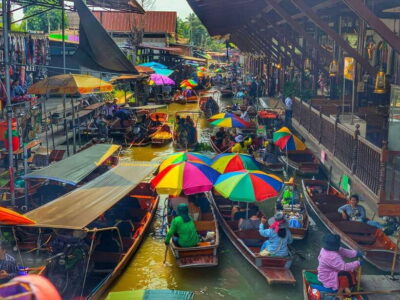
Train Market & Floating Market with Boat Ride
Read our review →
Bangkok Canal Tour: 2-Hour Longtail Boat Ride
Read our review →
Muay Thai Boxing Tickets at Rajadamnern Stadium
Read our review →
White Orchid Chao Phraya Dinner Cruise free Beer
Read our review →
Bangkok by Private Guide: Full Day Tour In and Around
Read our review →Browse the lists this tour appears in