
Reviewed · CHIANG RAI TOURS
Explore the Chiang Rai and the Golden Triangle
Chiang Rai’s best-known sights are spread far beyond town, and this full-day tour solves the transport puzzle in one go. You’ll see three very different art and temple sites, meet the Long Neck Karen community, stop for tea in the hills, and finish at the meeting point of Thailand, Laos, and Myanmar.
I like the excellent range of stops and the fact that lunch, fuel, an English-speaking guide, and hotel pickup are included. I also like the flexible entry plan: you can pay to enter the sights that matter most to you instead of being forced to buy every ticket.
The tradeoff is a long day, roughly 8:00 AM to 6:30 or 7:00 PM, with plenty of time in a vehicle. Several stops are optional, and the tour is not suited to children under 10, wheelchair users, or people with significant back, heart, motion, or other listed health concerns.
Key points at a glance
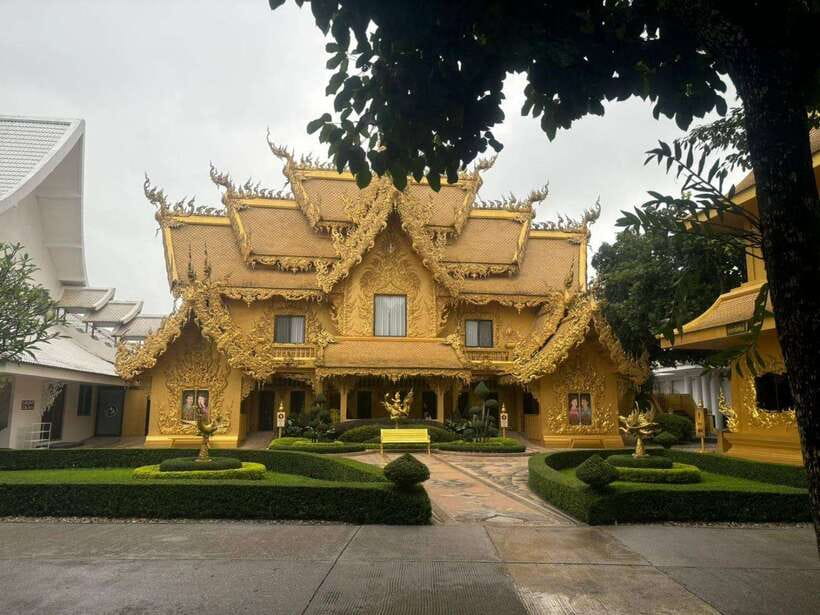
- Three temples with three very different moods: White Temple dazzles with surreal detail, Blue Temple glows with color, and Black House takes a darker artistic path.
- A full northern Thailand circuit: You cover Chiang Rai’s main cultural sights, the tea hills, and the Golden Triangle in one day.
- Long Neck Karen visit included: Guide Gift is named as a source of background and conversation at this cultural stop.
- Tea with a view: Choui Fong Tea Plantation adds a slower, scenic break after the museums and temples.
- Optional entrance fees: The advertised price is $41, while selected attractions cost extra if you choose to enter.
- Strong guide feedback: Gap is specifically praised for staying with the group and explaining each stop clearly, even to someone with limited English.
Why this $41 Chiang Rai tour covers so much ground
At $41 per person, this is a practical way to see northern Thailand if you have only one day in Chiang Rai. The price includes local food, a car or minivan with fuel, an English-speaking guide, and pickup from hotels in Chiang Rai city, provided your hotel is within about 3 kilometers of the city center.
That matters here. The sights are not gathered around one compact historic district. You would otherwise need to arrange separate transport to the White Temple, Black House, tea plantation, and Golden Triangle. A private car or minivan also saves you from working out the route yourself.
The value is strongest for first-time visitors who want a broad introduction rather than a slow day at one temple. You get architecture, contemporary art, ethnic culture, food, tea, border geography, and modern regional history in a single outing.
The price does not cover every admission. If you enter all four listed paid attractions, the extra cost is 530 baht: 100 baht for the White Temple, 80 baht for Black House, 300 baht for the Long Neck Karen village, and 50 baht for the museum. You decide which places to enter, so the final cost depends on your choices.
One point deserves attention: the guide also drives at times. That can keep the day efficient, but it may mean the guide is not beside you for every minute at every stop. Gap is praised for following the group closely and explaining things clearly, which is exactly the kind of guide presence that helps on a packed day. The tour information also names Gift, especially in connection with the Long Neck visit. Confirm the guide for your date if that matters to you.
A few more Chiang Rai half-days worth weighing up
- Chiang Rai: Guided Highlights Guided Tour with Buffet Lunch
★ 4.9 · 1,532 reviews - Chiang Rai: Iconic Temples & 7 Major Sites—River View Buffet
★ 4.9 · 692 reviews - Chiang Rai: White, Blue, Red Temples, Long Neck Tour
★ 4.8 · 652 reviews
8:00 AM pickup and a long day on the road
Pickup begins between 8:00 and 8:30 AM from your hotel lobby in Chiang Rai. Return is expected between 6:30 and 7:00 PM. Since the tour includes distant sights near the borders, you should treat this as a demanding full day, not a casual morning outing.
Wear shoes you can walk in and bring water, sunscreen, a hat, insect repellent, medication, a charged phone, and a power bank. Cash is useful for entrance fees and personal purchases. A passport or an accepted copy is listed among the things to bring.
The clothing rule is important. This is a temple-focused day, so bring long pants or another covering garment and something that covers your shoulders. Shorts, short skirts, sleeveless shirts, tight clothing, and sportswear are listed as unsuitable. A light change of clothes can save you from trying to improvise at the temple gates.
Large bags and luggage are not allowed in the vehicle. Food, alcohol, drugs, chewing gum, and littering are also prohibited. The vehicle is meant for transport between stops, not for carrying a full day of airport baggage.
White Temple, Wat Rong Khun, and modern Thai art
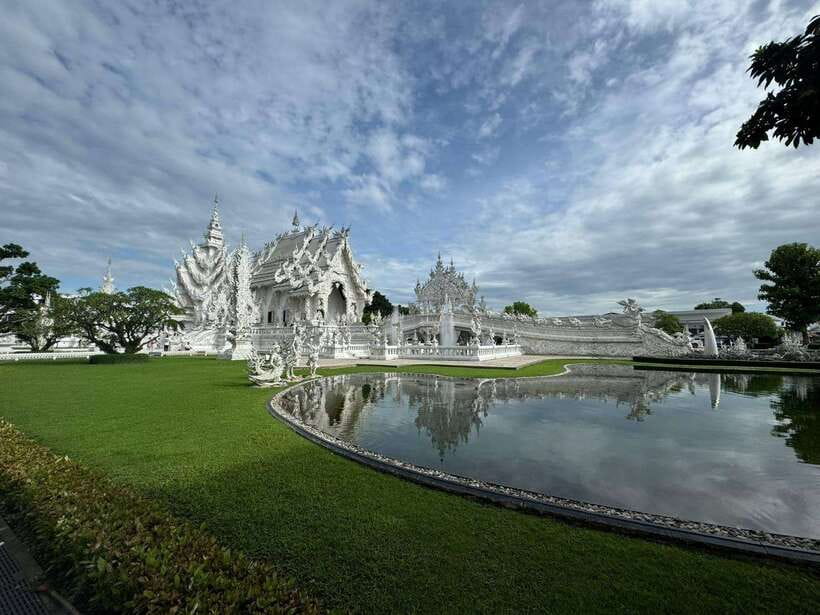
The White Temple is the morning headline for good reason. Wat Rong Khun uses white surfaces, reflective details, and unusual imagery to create something far removed from a plain traditional temple visit.
You can expect a site that feels part religious building, part art installation. The white exterior catches the light, while the surreal artwork gives you plenty to study beyond the standard temple photograph. This is the stop most likely to appeal to people who want striking pictures and a memorable first look at Chiang Rai.
The entrance fee is 100 baht if you choose to go inside. The tour allows you to wait outside if you prefer not to pay, but entering gives you a better sense of the artistic program and the site’s interior work.
Give yourself time to look instead of treating it as a quick photo stop. The unusual images can be startling, and the building rewards close attention. Modest clothing still applies, even though the site has a strong modern-art feel.
The main drawback is crowding and pace. The tour covers a lot of ground, so you may not have unlimited time to inspect every detail. If the White Temple is your main reason for visiting Chiang Rai, a dedicated visit would let you linger longer.
Blue Temple, where color changes the mood
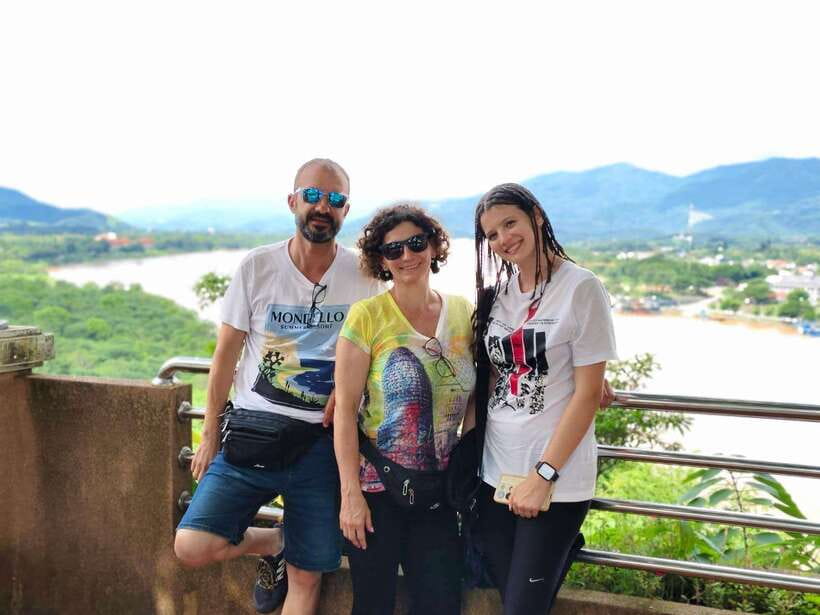
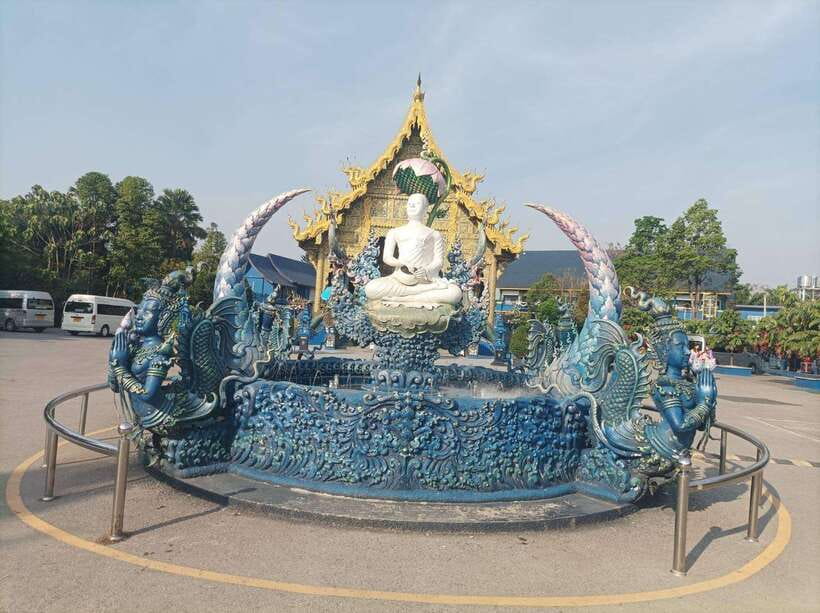
Wat Rong Suea Ten, known as the Blue Temple, offers a sharp contrast to the White Temple. Its deep blue and gold color scheme gives the place a dreamlike quality, while the design links it to the same broad modern temple movement associated with the White Temple.
This is a good example of why the three-temple format works. You are not seeing three versions of the same building. The White Temple feels bright and surreal, the Blue Temple feels bold and calm, and Black House takes you into darker, more symbolic art.
The Blue Temple is included as a stop, but no separate admission fee is listed in the provided price information. You should still follow your guide’s instructions on where to enter and how to dress.
I would pay attention to the way color shapes the experience. The intense blue and gold surfaces make this more than a religious site to photograph from the front. It is a place to pause, look up, and notice how the interior and exterior create different effects.
As with the White Temple, the visit is brief compared with a dedicated temple outing. The day is designed to give you a taste of each place, not a long period for quiet contemplation.
Same base, a completely different kind of day out:
- Sightseeing Join Tour Chiang Rai / PICK UP ONLY IN CHIANG RAI
★ 4.5 · 398 reviews - Chiang Rai Must-See Tour – 7 Icons, Lunch & Small Group(9pp)
★ 4.7 · 395 reviews - Chiang Rai Guide: Popular 7places 3Colors ,Golden Triangle
★ 4.9 · 285 reviews - Chiang Rai: Private Tour with Driver and Custom Itinerary
★ 4.9 · 208 reviews
Black House, Baan Dam, and the darker side of art
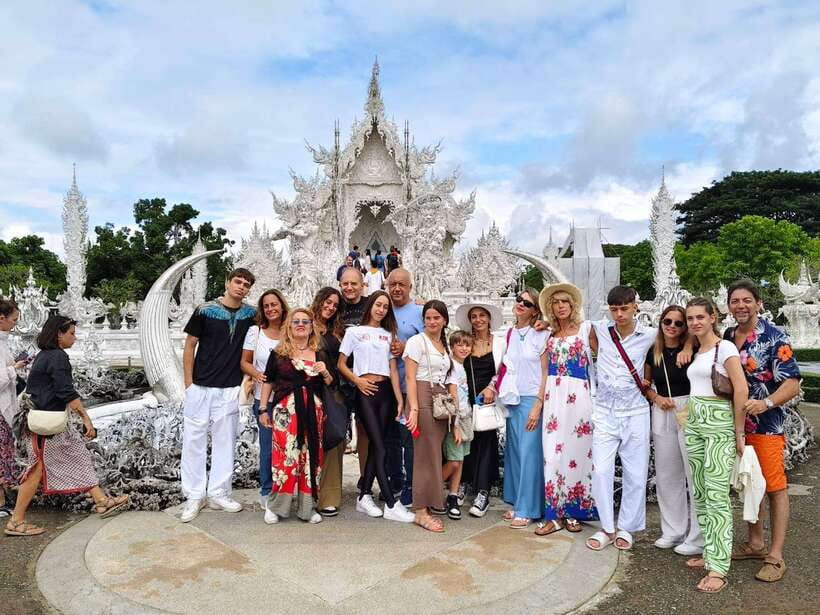
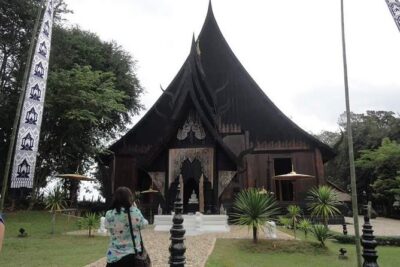
Baan Dam, or Black House, changes the tone again. This art center includes more than 40 buildings, with traditional Thai forms mixed with designs that can feel stark, strange, and provocative.
The Black House is not simply another temple. It is an artistic environment built around strong symbols and darker themes. Some people will find it thought-provoking; others may find parts of it unsettling. That contrast is useful because it prevents the day from becoming a string of similar religious attractions.
Entry is 80 baht if you decide to go inside. The scale of the grounds means you will want comfortable shoes and a little patience. You can move between buildings and compare the forms, materials, and displays rather than focusing on one central structure.
For me, this is one of the most worthwhile stops for anyone interested in Thai contemporary art. It gives Chiang Rai a creative identity beyond famous temples.
The consideration is simple: not every person enjoys edgy or symbolic museum-style art. If your interests lean toward classic Buddhist architecture, you may prefer to spend less time here and use the flexible entry option.
Long Neck Karen village and the question of cultural visits
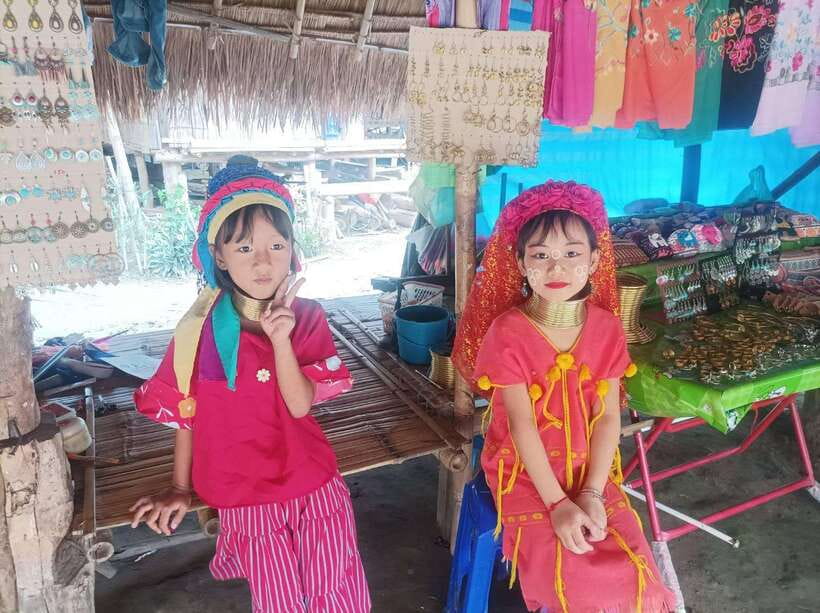
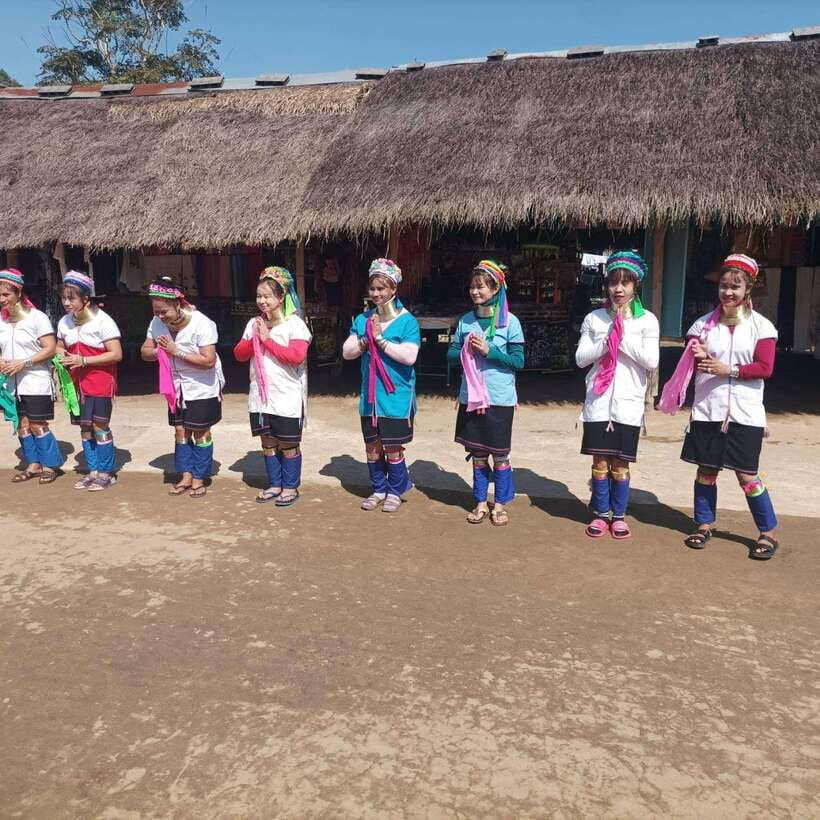
The Long Neck Karen stop offers a chance to learn about a distinctive community and its way of life. Guide Gift is described as someone who shares the group’s background and answers questions, which can make this more than a quick pass through a display area.
Approach this visit with respect and curiosity. Listen first, ask polite questions, and remember that you are entering a community setting, not simply checking off a photo stop. A good guide can help explain what you are seeing and provide context that you would not get by walking around alone.
The entry fee is 300 baht, the largest single extra charge on the day. Since the fee is optional, you can decide in advance how you feel about the visit and what kind of cultural experience you want.
This stop may be meaningful for you if you want to learn about minority communities in northern Thailand. It may also feel uncomfortable if you prefer cultural encounters that involve more direct, extended conversation. The best approach is to keep your expectations modest and treat the community with dignity.
Thai buffet lunch and a useful pause
Lunch is included and takes the form of a local Thai buffet. That is a practical choice on a day with several stops. You can sample familiar dishes, try something new, and choose the amount that suits you without arranging a separate meal.
The supplied information does not specify the exact menu, so you should not expect a particular dish. You can expect local Thai flavors and a chance to recharge during the long route.
A buffet also works well for a mixed group. If you are cautious with spice or unfamiliar ingredients, you can take small portions first. If you enjoy Thai food, this is a chance to try more than one preparation.
Since food is not allowed in the vehicle, make the most of the meal stop and carry only permitted drinks or personal necessities as instructed by the guide.
Choui Fong Tea Plantation in the northern hills
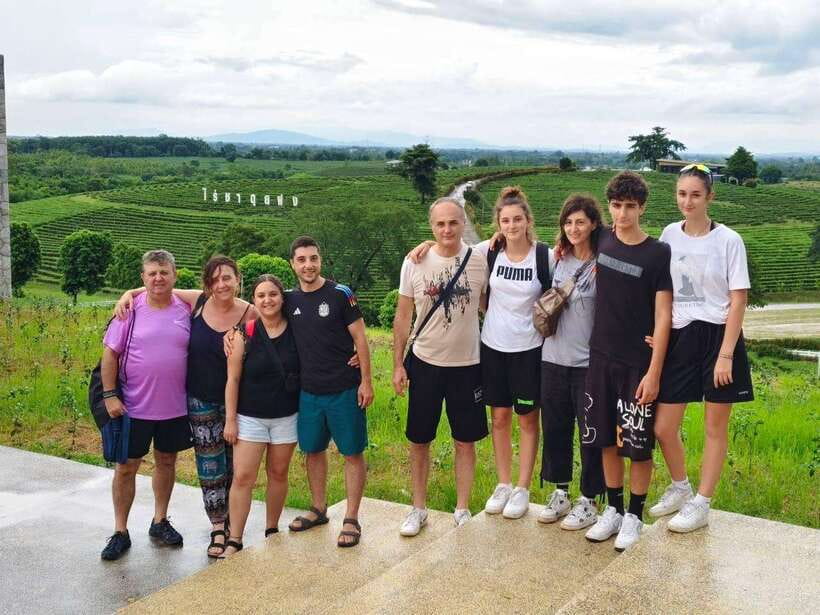
Choui Fong Tea Plantation supplies the day’s quietest break. After temples, art buildings, and the Long Neck visit, the green tea fields and hill setting offer room to slow down.
You can sip freshly brewed local tea, take photographs, and browse the tea shop for something to bring home. This stop is less about a formal lesson and more about scenery, taste, and a change of pace.
I like the balance. A day made entirely of museums and temples can become tiring, especially in warm weather. Tea gives you a simple reason to sit down and reset before the final stretch to the border region.
The plantation is also useful for souvenirs because the shop gives you a direct place to look for local tea. The tour does not specify how much time you will have there, so plan to enjoy the setting first and shop second.
Bring sunscreen and insect repellent. You are spending time outdoors, and the hills can feel different from the built-up parts of Chiang Rai.
The Golden Triangle and three-country geography
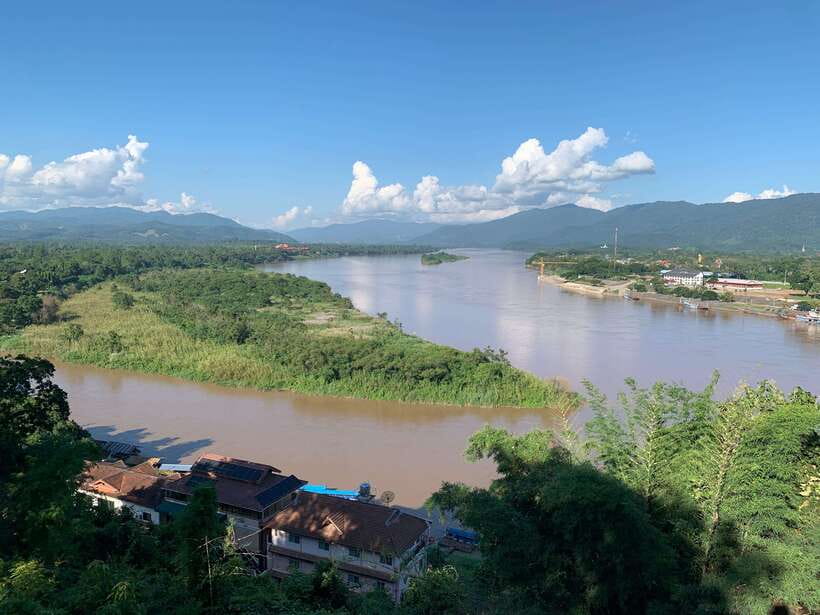
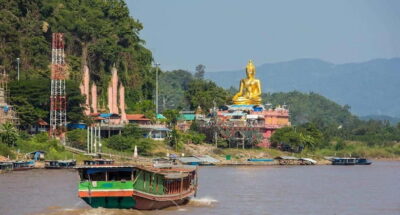
At the Golden Triangle, Thailand, Laos, and Myanmar meet around the Mekong River. The appeal here is both visual and geographic. You are looking across a border region whose identity has long been shaped by rivers, trade, and movement between neighboring countries.
The viewpoint gives you a chance to understand the map in a physical way. Instead of seeing three names on a page, you can look toward the meeting area and connect the geography to the region around you.
This is a scenic stop, but it is not the same kind of attraction as the temples. Keep your expectations focused on the viewpoint, the river, and the significance of the location. The tour does not list a boat ride or a border crossing, so do not expect either.
The distance from central Chiang Rai is part of the day’s cost and part of its fatigue. The Golden Triangle makes this tour worthwhile for people who want to see more than the city’s nearby sights, but it also helps explain why you will spend much of the day in the vehicle.
Opium House Museum and a difficult regional past
The final stop is the Opium House Museum, where you learn about the Golden Triangle’s connection to the opium trade and the efforts to change the region’s future.
This museum adds needed context to the border visit. Without it, the Golden Triangle can seem like only a famous viewpoint. The museum helps you understand why the area carries such a strong reputation and how the opium trade affected its identity.
Admission is 50 baht if you choose to enter. The visit may feel more serious than the earlier temple and tea stops, but that is part of its value. It gives the day an ending grounded in history and social change rather than a final photo opportunity.
If you prefer light sightseeing only, this may be the most demanding stop emotionally. If you want to understand the place you are visiting, it is one of the more useful additions.
Who will get the most from this day
I would choose this tour if you have one free day in Chiang Rai and want a broad overview without hiring separate transport. It suits people who enjoy mixing architecture, art, food, local culture, scenery, and regional history.
It also works well if you are comfortable with a full schedule and do not need long, unstructured time at each sight. The flexible entrance plan helps you control both cost and energy.
I would think twice if you have back problems, heart problems, motion sickness, insect allergies, animal allergies, a cold, kidney problems, or altitude sickness. The tour is also listed as unsuitable for people over 70 and over 80, people weighing more than 140 kilograms, babies under 1 year, children under 10, and wheelchair users. The information gives overlapping age limits, so older participants should confirm eligibility before booking.
The English-language guiding is another factor. Gap is specifically praised for explaining each step clearly and staying close to the group, even when English was difficult to understand. That kind of patient communication can make a packed day much easier.
What to bring and what to skip
Pack light. Large bags and luggage are not allowed, and the tour already includes transport, so there is no reason to carry more than you need.
Your useful day bag contains:
- Long pants and a shoulder-covering top
- Comfortable closed-toe shoes
- Sunscreen, preferably biodegradable
- A sun hat and insect repellent
- Cash and a credit card
- Phone, power bank, and camera
- Passport or an accepted copy
- Personal medication and any medical statement you need
Do not rely on shorts or sleeveless clothing for this trip. The temple visits require respectful coverage, and changing clothes during the day is specifically advised.
Booking value, flexibility, and the final decision
Free cancellation is available up to 24 hours before departure, and you can reserve now and pay later. That is useful when your Chiang Rai plans may shift, although you should still check the available start time before booking.
At $41, the tour offers good value if you want transport and a guide for a long route. The optional admissions keep the base price from becoming misleadingly high, but remember that entering every paid stop adds 530 baht.
Should you book this Chiang Rai and Golden Triangle tour?
Book it if you want to see Chiang Rai’s major modern temples, Black House, a Long Neck Karen village, a tea plantation, and the Golden Triangle in one organized day. The mix is the main strength, and the guide support can be especially helpful when you want clear explanations in English.
Skip it if you prefer slow temple visits, dislike long vehicle journeys, or want to spend a full day in one part of Chiang Rai. For most first-time visitors with limited time, though, this is a sensible and well-priced introduction to the province, provided you arrive prepared for the early start, optional fees, modest dress, and long day.
FAQ
How long does the tour last?
The tour lasts one full day. Hotel pickup is scheduled between 8:00 and 8:30 AM, with return to Chiang Rai expected between 6:30 and 7:00 PM.
Is hotel pickup included?
Yes. Pickup from a hotel lobby in Chiang Rai city is included for hotels within about 3 kilometers of the city center.
Is lunch included?
Yes. A local Thai buffet lunch is included in the price.
Is transportation included?
Yes. Transport by car, minivan, or van, including gasoline, is included.
Is an English-speaking guide provided?
Yes. The tour includes a live English-speaking guide. The guide may also drive for part of the trip.
How much are the optional entrance fees?
The White Temple costs 100 baht, Black House costs 80 baht, Long Neck Karen village costs 300 baht, and the museum costs 50 baht. You can choose which attractions to enter.
Do I need to wear long pants?
Yes. You should bring long pants and clothing that covers your shoulders for the temple visits. Shorts, short skirts, and sleeveless shirts are listed as unsuitable.
Can I join without entering every attraction?
Yes. Entrance fees are optional. You can wait outside an attraction if you prefer not to enter, and the tour states that arrangements will be made for you to wait comfortably.
What should I bring?
Bring comfortable closed-toe shoes, a sun hat, sunscreen, biodegradable insect repellent, cash, a charged smartphone, a power bank, personal medication, and a passport or accepted copy.
Who should not take this tour?
The tour is not suitable for children under 10, babies under 1 year, wheelchair users, people over 70 or 80 as listed, people over 140 kilograms, or people with back, heart, kidney, motion sickness, insect allergy, animal allergy, cold, or altitude sickness concerns.
Just added around Chiang Rai
- From Chiangrai: Slow Baot to Loas (Luangprabang) 2-Day Tour★ 4.4 · 56 reviews
- From Chiang Mai : 3 Temples & Golden Triangle with Lunch★ 4.5 · 17 reviews
- Chiang Rai: Discover 7 Must-See Spots & Lunch Included★ 4.7 · 26 reviews
- Chiangrai Full day: Popular 7 Locations with Thai buffet★ 4.8 · 16 reviews
- Chiang Rai:Lanna Home Cooking Class at Give Green Farm House★ 5.0 · 61 reviews
- Chiang Rai: Top Temples & Signature Attractions ~Free Buffet★ 4.7 · 10 reviews
- Chiang Rai:3D2N Transfer to Luang Prabang by Slow Boat★ 3.4 · 15 reviews
- Chiang Rai: Half Day Tour – 3 Famous Temples & Lalita Cafe’★ 5.0 · 79 reviews
Chiang Rai Tours, compared.
Guided Highlights Guided Tour with Buffet Lunch
Read our review →
Iconic Temples & 7 Major Sites—River View Buffet
Read our review →
Sightseeing Join Tour Chiang Rai / PICK UP ONLY IN CHIANG RAI
Read our review →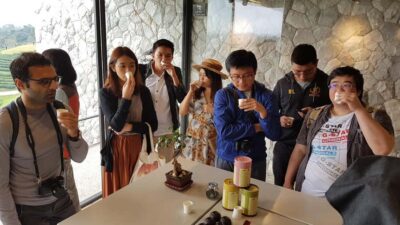
Chiang Rai Must-See Tour – 7 Icons, Lunch & Small Group(9pp)
Read our review →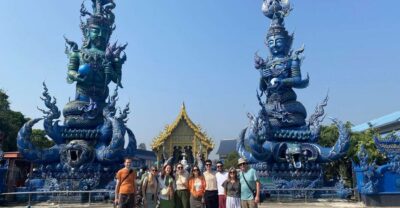
Chiang Rai Guide: Popular 7places 3Colors ,Golden Triangle
Read our review →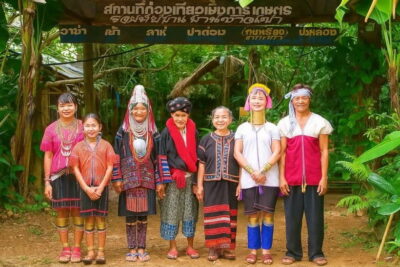
Browse the lists this tour appears in