
Reviewed · PHUKET TOURS
Phuket: Bukit Elephant Park Sanctuary Walk and Feed Tour
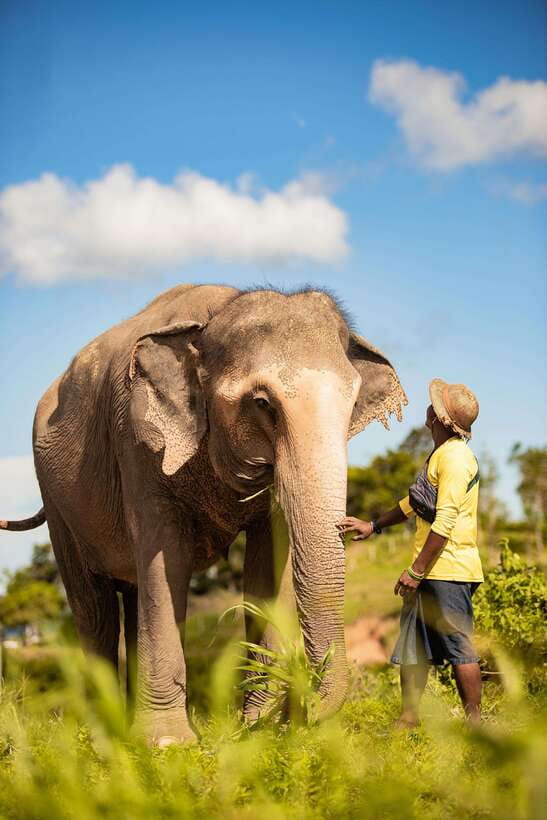
The best thing about Bukit Elephant Park is that the elephants set the pace. You feed them bananas and rice balls, but the main event is watching them walk, eat, rest, and behave on their own terms. There is no riding, no forced bathing, and no demand that every elephant be touched.
I like the animal-first rules and the way the guides explain each elephant’s past and personality. I also like the practical 90-minute length, especially if you have just arrived in Phuket or want a shorter family activity. The main drawback is that the first banana-feeding session can feel crowded and rushed, and the experience is carefully organized rather than a quiet one-to-one meeting.
Key points at a glance
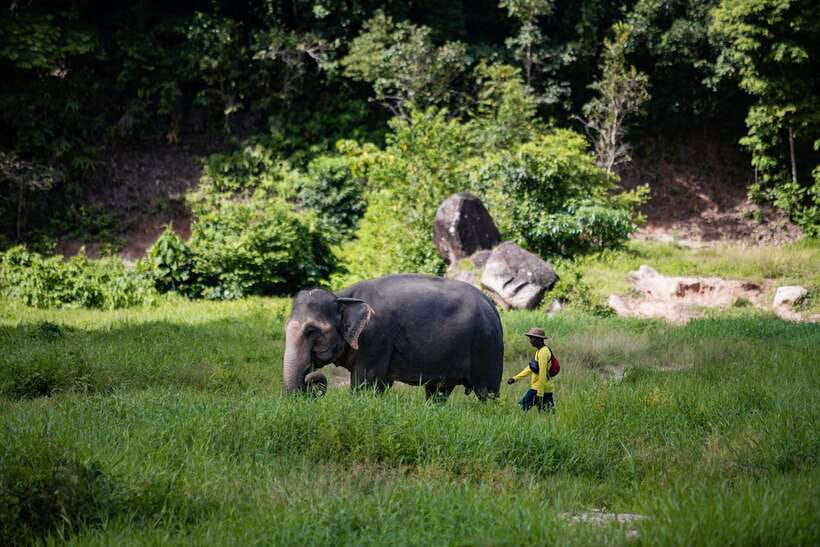
- Rescued elephants roam freely: The park gives its elephants space to move around rather than presenting them for rides or staged bathing.
- Two feeding activities: You first offer bananas, then prepare rice balls mixed with fruit and feed them again.
- Guides add meaning: Guides including Siri and Jamie explain the elephants’ former lives, habits, and individual personalities.
- No riding or bathing: The rules protect the animals from two common forms of elephant tourism.
- Hotel pickup covers much of Phuket: Shared vans collect from Phuket Town, Patong, Karon, Kata, Rawai, Panwa, Kamala, Bang Tao, Chalong, and other listed areas.
- A short, useful half-day stop: The visit lasts 90 minutes, though transport makes the total outing longer.
Why the animal-first approach matters

Elephant tourism in Thailand can be confusing. A smiling photo beside an elephant does not tell you how the animal was trained or handled. Bukit Elephant Park takes a clearer position: no riding, no bathing with elephants, and no cruelty.
That matters because the experience is built around observation rather than control. You may feed an elephant by hand, but you are not asked to climb onto it, scrub it, pose on it, or make it perform. You are taught to watch its body language and respect its choice about contact.
You may be allowed to touch an elephant only when the animal accepts it. If an elephant does not want contact, you watch from a suitable distance. That can feel less theatrical than a bathing session, but it is a far more responsible way to meet these animals.
The park is described as a large home where the elephants can roam freely. One account places the grounds at about 45 acres, and another notes that the sanctuary has no fence in the usual sense. The important point for you is not the exact acreage, but the style of care: the elephants are not constantly lined up for handling.
The park’s work also has a practical side. Ticket income supports the care and rescue of elephants, and the sanctuary is dealing with the hard realities of land costs and expansion. A hotel development is reportedly forcing the sanctuary to find a new site, so your visit supports an organization facing a real funding and space challenge.
More walking tours in Phuket:
- Phuket:Beach walk with elephants, rain & care. 2.5 hours
★ 4.9 · 969 reviews - World B+ (Zipline 18 Platforms + Roller + Sky Walk with World Set Menu )
★ 5.0 · 218 reviews - Phuket Food Tour and City Walk by Jane
★ 5.0 · 109 reviews
Getting there by shared hotel van
Pickup is included from many parts of Phuket, but this is a joined van with other people. You should wait in the hotel lobby before your assigned time and provide a WhatsApp number, Thai phone number, or email so the team can reach you.
The exact pickup window depends on your area:
- Surin and Kamala areas: approximately 7:50 to 8:00, 9:50 to 10:00, or 12:50 to 1:00
- Ao Por Pier, Kalim, Patong, Laem Hin Pier, and Koh Sirey: approximately 8:00 to 8:15, 10:00 to 10:15, or 1:00 to 1:15
- Karon, Kata, Rawai, Panwa, Phuket Town, and Nai Harn: approximately 8:20 to 8:30, 10:20 to 10:30, or 1:20 to 1:30
- Chalong: approximately 8:30 to 8:45, 10:30 to 10:45, or 1:30 to 1:45
These times are useful, but do not treat the earliest minute as a suggestion. The driver has several hotels to visit and may leave if you are late. One poor transfer can sour an otherwise good outing, so be ready in the lobby and keep your phone close.
The shared van arrangement keeps the price reasonable, though it also means the total outing will take more than the advertised 90 minutes. Some rides are reported as cool and comfortable, while one transfer was criticized for unsafe driving. That is not a reason to dismiss the tour, but it is a fair reminder that the transport portion can vary from one driver to another.
The first meeting: bananas and safety rules
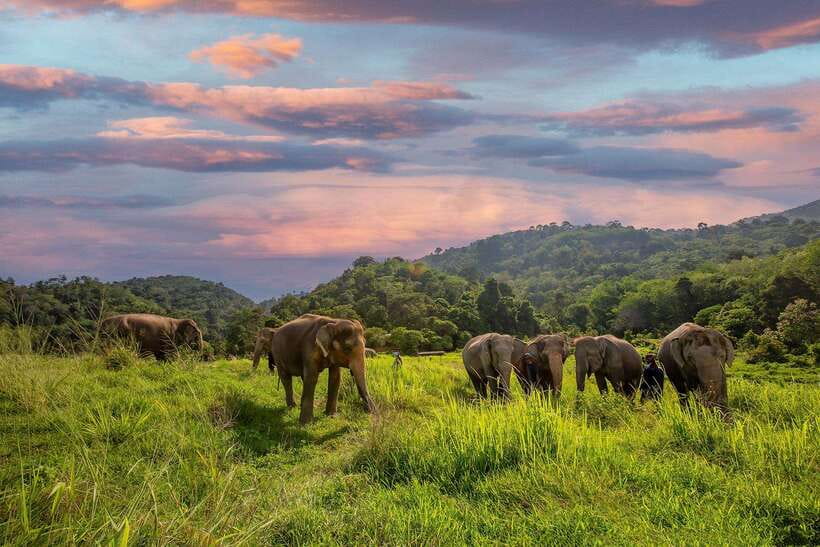
At Bukit Elephant Park, you may begin with tea or coffee before the guide explains how to behave around the elephants. The guide will outline safe feeding, how to approach, and when to keep your distance.
This introduction is not filler. Elephants are powerful, even when calm, and a few simple rules make the meeting safer for everyone. Listen closely, keep your hands controlled, and do not rush toward an elephant for a photo.
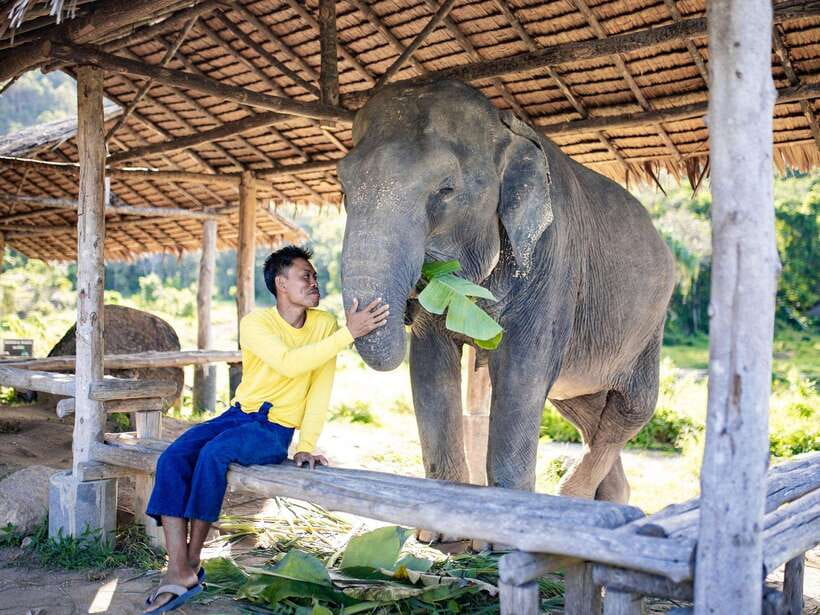
You receive a basket of bananas and feed the elephants by hand. This is the most active part of the visit, and it can become hectic if several people reach forward at once. One useful tip is to stay calm and follow the guide’s instructions rather than competing for the closest position.
The banana feeding lets you see how the elephants use their trunks and how quickly they can sort through food. It is an up-close moment, but it is also the section most likely to feel organized around a group schedule. If you want calm photographs, wait for the walking portion rather than trying to capture every image during the first feeding.
Walking beside elephants in their own routine
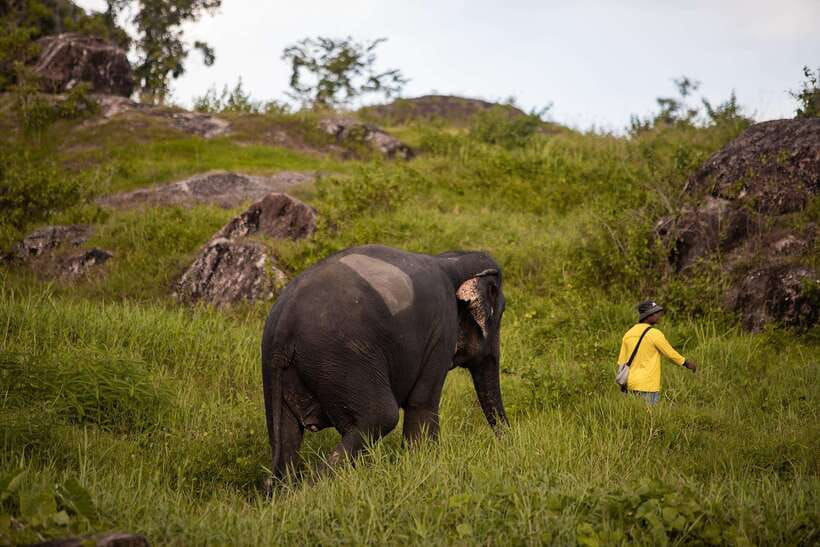
After the initial feeding, the group walks through the sanctuary. This is where Bukit feels less like a staged animal encounter and more like a place where elephants happen to live.
You watch them eat, walk, rest, and interact with the space. Depending on the weather and the elephants’ choices, you might see one bathe independently. That distinction is important: you are observing a natural activity, not entering the water and turning it into a visitor attraction.
The guide introduces the elephants and explains where they came from. Many have difficult backgrounds connected to captivity, exploitation, or labor. Hearing these stories can be upsetting, but it helps explain why the park avoids rides and forced contact.
You also learn that elephants have different temperaments. Some may be comfortable near people, while others prefer more room. The guide’s job is not just to tell stories, but to read those signals and adjust the interaction.
Siri is one guide praised for her warm manner and detailed explanations. Jamie has also been singled out for explaining how the elephants arrived at the park. The guide assigned to your visit may differ, but the English-language tour is built around this personal approach rather than a generic talk about elephants.
The walking section is also the best time for photographs. You can frame the elephants against the park’s greenery and open space without forcing them into a pose. Flash photography is not allowed, so bring a camera that works well in natural light and leave the flash switched off.
A few more Phuket half-days worth weighing up
- Phang Nga Bay Sea Cave Canoeing & James Bond Island by Big Boat
★ 5.0 · 4,666 reviews - Phuket: Elephant Jungle Sanctuary Ethical Feeding Experience
★ 4.8 · 4,359 reviews - From Phuket: Phang Nga Bay and Canoeing Tour by Big Boat
★ 4.7 · 3,528 reviews - Phi Phi Islands Adventure Day Trip w/ Seaview Lunch by V. Marine
★ 5.0 · 3,295 reviews
Making rice balls with fruit
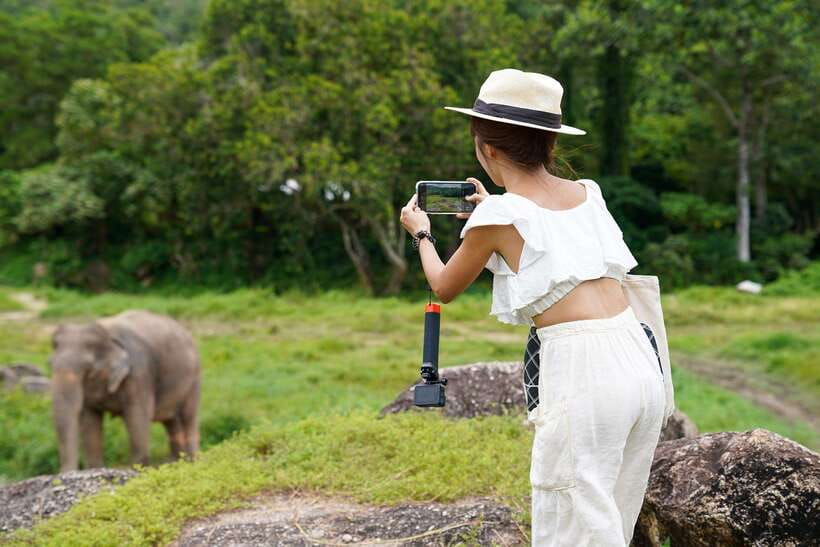
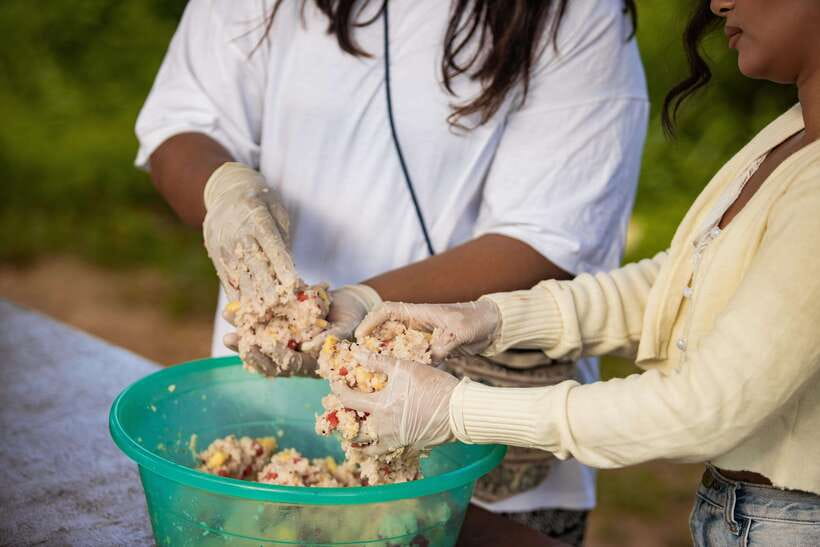
The second feeding is more hands-on in a different way. You prepare rice balls mixed with the elephants’ favorite fruits, then offer them to the elephants’ mouths.
This activity is popular with children because it turns feeding into a small task rather than a simple handout. A seven-year-old can take part in making the rice balls, while younger children will need close adult supervision around such large animals.
The rice-ball activity also gives the group a calmer way to finish. The first banana session can feel hurried, but preparing the food creates a natural pause. You are still interacting with the elephants, yet the attention shifts toward making something suitable for them and waiting for the right moment to feed.
Do not expect a long cooking lesson or a full meal for yourself. The included food preparation is for the elephants. There is no dining facility included, and one useful improvement would be a cafe or meal option for people after the visit.
What the stories add to the visit
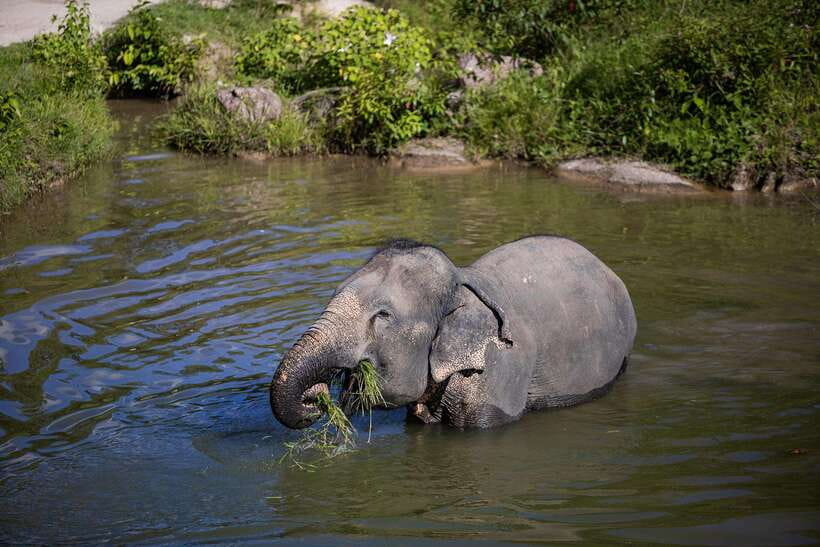
The food and photographs are memorable, but the personal stories give the outing its emotional weight. You hear about the elephants’ earlier lives and how they came to the sanctuary. Then you see them living with care, space, and a degree of choice.
That contrast can be hard to hear. Several elephants have experienced mistreatment before rescue, and the stories may be especially affecting for children. I would prepare young visitors by explaining that the elephants are safe now, but not hiding the fact that their pasts were difficult.
The guides also explain elephant habits and preferences. You learn that a large animal can still have clear boundaries, and that a responsible encounter sometimes means doing less. That is a useful lesson for anyone comparing sanctuary visits in Phuket.
The strongest part of the tour is not simply being close to an elephant. It is learning why the closeness has limits. If you want guaranteed touching, bathing, or a posed photo, this is not the right activity. If you want to support an approach based on watching and feeding without riding, it makes more sense.
How the $51 price measures up
At $51 per person, this is not Phuket’s cheapest short outing. The value comes from several pieces working together: shared hotel transport, an English-speaking guide, the banana basket, rice-ball preparation, access to the sanctuary, and support for elephant care.
A 90-minute activity is short, so the price may feel high if you are judging it only by clock time. Transport adds to the total time, but it does not turn the tour into a full-day program. You are paying for ethical care, staff, food for the elephants, and a managed encounter rather than for a long list of attractions.
For a first Phuket visit, I think the price is reasonable if animal welfare is your priority. The chance to feed elephants twice and watch them roam gives you more substance than a quick photo stop. It is also easier to fit around flights, beach time, or another activity than a day-long park excursion.
The value is weaker if you want a private experience. The initial feeding can be busy, and the route is designed for a group. You may get more quiet observation during the walk than during the banana handout.
There is also a time-sensitive point to check before booking. One recent update indicated that the feeding activity might close by March 2026 because the practice was being reassessed as potentially unethical. The current booking details still describe banana and rice-ball feeding, but confirm what is included for your date.
Who should book this sanctuary walk?
I would recommend Bukit Elephant Park to:
- Families wanting a short animal activity with clear rules
- Couples who prefer observation over staged bathing
- First-time visitors to Thailand who want to understand elephant welfare
- People staying in Phuket areas covered by the shared pickup
- Anyone who wants photos without riding or forcing an elephant to pose
- Visitors with only two or three hours available for the core activity
It is less suitable if you want a private guide, a long forest walk, a meal, or guaranteed close contact. The park controls the interaction for good reason, so your experience depends partly on the elephants’ mood and willingness to approach.
The activity is not suitable for pregnant women, according to the booking information. It is also not designed for baby strollers, electric wheelchairs, or drones. Alcohol, drugs, intoxication, and flash photography are not allowed.
Wear comfortable shoes and bring water, a sun hat, insect repellent, and a camera. Rain protection may be available on wet days, but you should still dress for Phuket’s changing weather.
A practical way to plan your visit

Choose a morning or afternoon departure that fits your hotel location, then allow extra time for the shared van. The listed pickup windows are narrow, and the driver cannot wait long at each stop.
Arrive ready to walk. The park portion includes a guided route, and comfortable footwear will matter more than stylish beach sandals. Keep valuables simple, and bring only what you need for warm, outdoor conditions.
If you are visiting with children, explain the rules before arrival. Tell them that the elephants are not there to perform and that an elephant may move away. This helps children enjoy the encounter without treating the animals like oversized pets.
For photographs, the walking and observation sections offer better chances than the first feeding. Stand where the guide directs you, avoid flash, and let the elephant remain the subject rather than trying to arrange the scene.
Finally, ask the guide questions. The best information here concerns the individual elephants, their habits, and the challenges of rescue work. The visit becomes much more than banana feeding when you pay attention to those details.
Should you book Bukit Elephant Park?
Book it if you want a short, ethical elephant encounter with hotel pickup, a live English-speaking guide, two food activities, and time to watch elephants behave freely. The park’s strongest feature is its refusal to offer riding or bathing with elephants, and the guides make the visit personal by explaining each animal’s past and character.
Skip it if you want solitude, a private experience, or a full-day program. Also check the feeding details for your date, since that part may change as the sanctuary reviews its practices and searches for a new site.
For most visitors who care about animal welfare and want a meaningful Phuket activity without a long commitment, the $51 cost is defensible. Go with the right expectation: you are not buying a performance. You are paying for a carefully managed chance to observe, feed, and learn while giving the elephants room to remain elephants.
FAQ
How long does the Bukit Elephant Park experience last?
The guided sanctuary activity lasts 90 minutes. Hotel pickup and drop-off are included, so the full time away from your hotel will be longer because the van collects and returns other people.
Is elephant riding included?
No. Elephant riding is not included and is not offered as part of this experience.
Can I bathe with the elephants?
No. Bathing with elephants is not included. You might see an elephant bathe independently, depending on the conditions and the animal’s choice, but visitors do not bathe with them.
What food do I give the elephants?
You receive a basket of bananas and later prepare rice balls mixed with fruit. You can feed the prepared rice balls to the elephants’ mouths under the guide’s direction.
Where does hotel pickup operate?
Pickup is available from listed areas including Phuket Town, Cape Panwa, Patong Beach, Karon Beach, Koh Sirey, Bang Tao Beach, Kamala Beach, Chalong, Kata, Rawai, Nai Harn, Surin, Ao Por Pier, Kalim, and Laem Hin Pier. Enter your hotel name when booking and wait in the lobby before the assigned pickup time.
What should I bring to the sanctuary?
Bring comfortable shoes, a sun hat, water, insect repellent, and a camera. Drones, flash photography, alcohol, drugs, baby strollers, electric wheelchairs, and animal riding are not allowed.
Just added around Phuket
- The Upside Down House: Phuket’s Must-See Attraction★ 4.7 · 13 reviews
- Siam Niramit Phuket Admission Ticket with Transfer Option★ 4.6 · 49 reviews
- Simon Cabaret Phuket Show Included Tickets and Transfer★ 4.4 · 155 reviews
- Phuket: Zipline Flying Higher than a Hawk with ATV Option★ 4.7 · 33 reviews
- Phuket:City Tour,Big Buddha, Forest Safari Tiger Park Canopy★ 3.6 · 15 reviews
- Phuket: White Water Rafting, ATV, and Zipline Adventure★ 3.1 · 35 reviews
- Phuket: Big Buddha View Wat Chalong, Old Town Guided Tour★ 3.6 · 38 reviews
- Phuket: Fully Customized Night Market Tour★ 4.2 · 18 reviews
Phuket Tours, compared.

Phang Nga Bay Sea Cave Canoeing & James Bond Island by Big Boat
Read our review →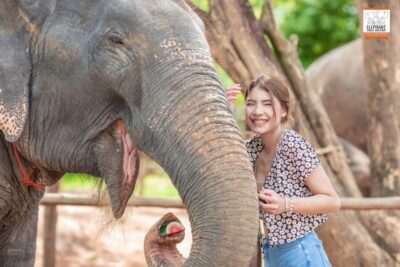
Elephant Jungle Sanctuary Ethical Feeding Experience
Read our review →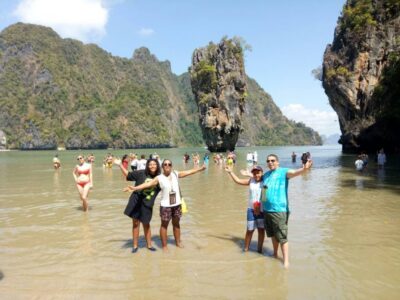

Phi Phi Islands Adventure Day Trip w/ Seaview Lunch by V. Marine
Read our review →

Phi Phi Islands and Maya Bay Day Trip with Lunch
Read our review →
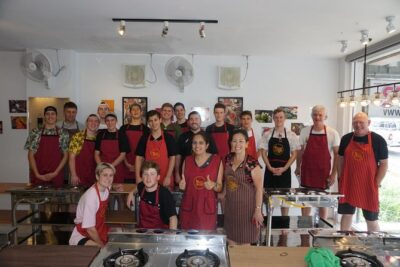
Phuket Thai Cooking Class with Market Tour Option
Read our review →Browse the lists this tour appears in