
Reviewed · BANGKOK TOURS
River Kwai Jungle Rafts: 2-Day Kanchanaburi Escape from Bangkok
Kanchanaburi’s most memorable moment may come after the museums close: you board a long-tail boat and travel upriver to a floating jungle raft with no electricity. The trip combines sobering World War II sites with a quiet night on the Kwai Noi River, plus a Mon village visit and a train ride over the Death Railway.
I like the way this tour puts the region’s major sights into a practical two-day route, and I like the mix of guided history, river travel, local culture, and downtime. The main catch is simple: the raft is basic, hot, and sometimes without warm water or Wi-Fi. You need to want an off-grid night, not expect a conventional hotel.
Key points to know before booking
- The raft has no electricity: Bring a charged power bank, but protect all electronics carefully from river spray and humidity.
- Hellfire Pass is the emotional center: The cutting shows the scale of the work forced on POWs and Asian laborers.
- The Death Railway ride is short but meaningful: You travel on tracks built during the wartime railway project.
- The Mon village adds a human, local perspective: You have time for a village visit, a short jungle walk, and a traditional dance performance.
- The day begins around 6:00 a.m.: Expect long road transfers, boat rides, steps, and some bumpy roads.
- Small groups keep the trip personal: The maximum group size is 15, with private departures also available.
Why this Kanchanaburi trip is more than a day tour
At $209 per person, this is not the cheapest way to reach Kanchanaburi from Bangkok. It is a package for people who want the transport, guide, meals, entrance fees, boat transfers, raft stay, and train ride arranged together.
That matters here. Kanchanaburi’s main sights are spread across the province, and reaching Hellfire Pass, the raft, the Mon village, and the railway independently takes planning. You would also need to work out how to move between the river, road, and train route.
I see the value in the overnight format. A day trip can cover the bridge and a museum, but it leaves little room for the river journey and the floating accommodation. This two-day route gives you time to pause between the difficult historical sites rather than rushing through them all in one long day.
The package includes breakfast, lunch, dinner where shown in the program, snacks, drinks or refreshments, transport, a professional English-speaking guide, long-tail boats, the train ticket, accommodation, and entrance fees. Personal drinks, tips, shopping, insurance, and costs tied to special airport or out-of-area transfers are extra.
A few more Bangkok half-days worth weighing up
- 2-Day Angkor Wat Tour from Bangkok
★ 4.5 · 206 reviews - 2 Day Private Car with Driver from Laem Chabang to Bangkok & Ayutthaya
★ 5.0 · 27 reviews - 2-Day River Kwai and Kanchanaburi Tour from Bangkok
★ 5.0 · 11 reviews
Leaving Bangkok at 6:00 a.m.
The early start is necessary, but it is not gentle. Pickup begins around 6:00 a.m. from eligible main hotels in central Bangkok, followed by a drive toward Kanchanaburi in a car, minivan, or coach.
Transfers are limited to central Bangkok areas and main hotels. Khao San Road, both international airports, Nonthaburi, Thonburi, Minburi, Ratchadaphisek, and upper Sukhumvit are outside the standard pickup area and may require an added charge. People staying in private residences or unregistered accommodation may be asked to meet at a nearby hotel.
The road journey takes time, so expect a fair amount of sitting in a vehicle. The benefit is that you do not need to arrange several separate connections. Vehicles have generally been described as air-conditioned, though road conditions can become uneven and bumpy closer to the rural sites.
Keep your luggage small. The operator asks for no more than one suitcase and one piece of hand luggage per person, especially when private cars are used. A small overnight bag is much easier than hauling a large case onto boats and through basic accommodation.
Starting with the Thailand-Burma Railway Centre
The Thailand-Burma Railway Centre gives you essential context before you reach the bridge and Hellfire Pass. This interactive museum explains the wartime railway project, the POW camps, the conditions endured by prisoners, and the huge human cost behind the railway.
You have about an hour here. That is enough for a useful introduction, but people with a strong personal connection to the railway may want more time than the schedule allows. The displays include photographs, written accounts, and models that help explain how the railway was built and why the project was so deadly.
The museum is particularly valuable because the bridge alone can be misleading. It is easy to see a famous structure, take a photograph, and miss the wider story. The centre helps connect the bridge to the forced labor, disease, hunger, violence, and engineering demands of the railway.
Some departures have also included a war cemetery, and the supplied tour material refers to important World War II sites beyond the museum. Since the exact running order and site access can vary, check the confirmed schedule if a cemetery visit is essential to you.
The River Kwai Bridge and the long-tail boat
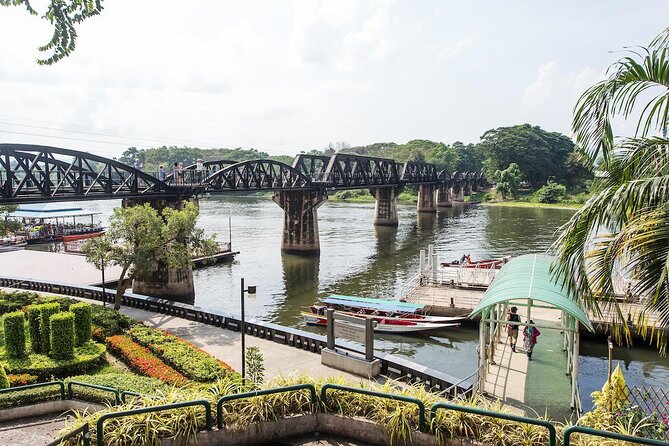
The stop at the River Kwai Bridge is brief, about 30 minutes. You have time to look around and take photographs before boarding a long-tail boat.
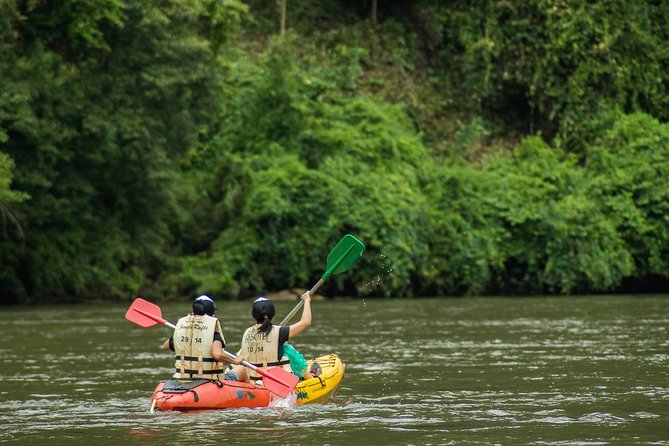
The boat ride is not just a transfer. It changes the pace of the day. After the road and museum visits, moving along the river gives you a quieter view of the area and leads directly to the floating accommodation. You should protect your phone and camera in a waterproof bag or double-wrapped pouch. River spray is a real risk, and damage caused by water is your responsibility.
Getting into and out of long-tail boats can be awkward. There are several boat journeys during the tour, and the steps, uneven footing, and low seating may be tiring if you have knee, back, or mobility problems. The tour is not suitable for pregnant people, people with neck or back problems, or people with limited mobility.
Same base, a completely different kind of day out:
- Bangkok: Damnoen Saduak Market and Maeklong Railway Market
★ 4.5 · 26,723 reviews - The Old Siam: Damnoen Saduak and Maeklong Railway Market
★ 4.5 · 10,992 reviews - From Bangkok: Ayutthaya Temples Guided Tour with Lunch
★ 4.7 · 10,535 reviews - Bangkok: Train Market & Floating Market with Boat Ride
★ 4.7 · 9,547 reviews
Hellfire Pass, a difficult place to visit
Hellfire Pass is the strongest historical stop on the route. POWs and Asian laborers cut through hard rock with hand tools and explosives to build a railway passage under brutal conditions. The scale of the cutting is difficult to grasp until you are standing beside it.
The visit usually lasts about 90 minutes, including the Hellfire Pass Interpretive Centre and the memorial area. The site calls for quiet attention rather than a quick photo stop. The physical setting helps you understand the work in a way that a museum display cannot.
The route can include steps, uphill walking, and uneven ground. Wear firm shoes, carry water, and use sun protection. Sunglasses, a hat, and high-SPF sunscreen are useful even on cloudy days.
The schedule is not immune to closures. One departure was unable to visit Hellfire Pass because of a holiday closure and used a substitute site instead. The operator notified the group before departure, but the replacement was not considered equal by the affected participant. If Hellfire Pass is your main reason for booking, confirm its availability for your date.
A night on the Kwai Noi River
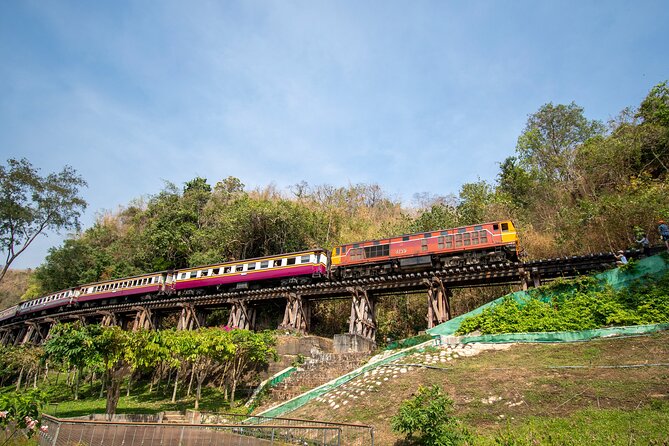
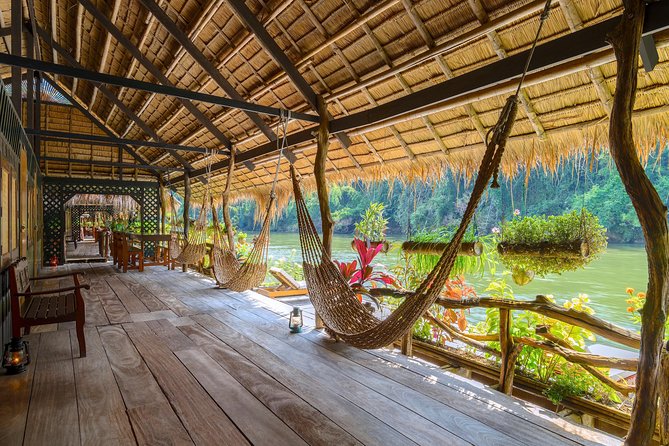
The River Kwai Jungle Rafts are the heart of the experience. Your room floats on the river, and the setting is quiet and remote. The accommodation is clean and simple, but it is deliberately not a modern resort.
There may be no electricity, air-conditioning, Wi-Fi, or warm water. Rooms use fans where available, and the heat can be intense, especially in warm weather. A swim in the river may help, but you should not count on a cool, fully equipped hotel room.
This is also what makes the night memorable. You hear the river, spend less time on screens, and get a rare break from Bangkok’s traffic and hotel routine. I would bring a power bank, a small flashlight, loose clothing, insect protection, and only the toiletries you need.
The floating restaurant serves the included meals, and the food has been praised for being plentiful and good. At least one meal did not include bottled water, so carry some cash for drinks and bring small notes. Shops or services at the raft may have difficulty changing large banknotes.
The Mon dance performance takes place at the jungle rafts. It is a pleasant cultural feature, but you should treat it as a short performance rather than a large evening show. The accommodation and meal service are valued more for their setting and warmth than for luxury.
The Mon village and a slower second morning
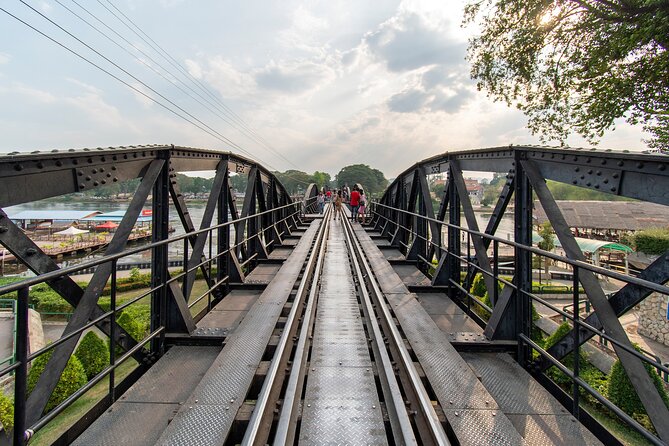
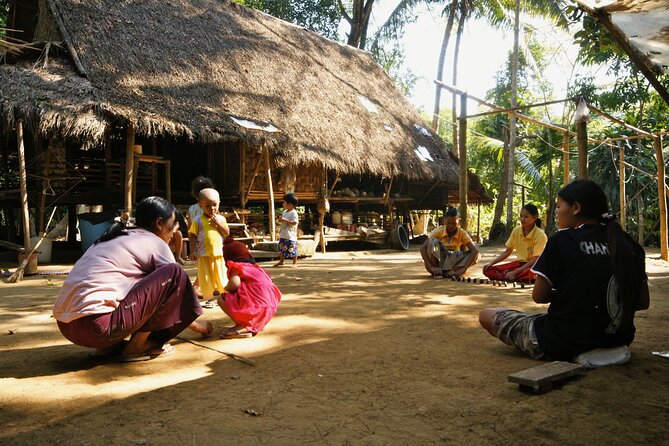
After breakfast, you visit a nearby Mon village and take a short walk through the surrounding jungle. The visit adds a local perspective to a trip otherwise dominated by wartime history.
You have about two hours for the village and walk. The pace is easier than the first day, though the walk and rural paths still require sensible shoes. The Mon community is presented as a living culture, not just a backdrop for photographs, and the visit works best when you remain respectful and follow your guide’s directions.
This part of the trip is also a useful counterweight to Hellfire Pass. The first day asks you to think about imprisonment and forced labor. The second morning gives you time to see present-day rural life and enjoy the river region without another major historical site immediately demanding your attention.
Guide quality can shape this visit. Guides called Bligh and Lady received especially warm praise for their care and clear explanations, while some English-speaking guides were harder to follow. English is the language used on shared tours, but accents and personal speaking styles vary. A private tour may give you more opportunity to ask questions.
Riding the Death Railway back toward Bangkok
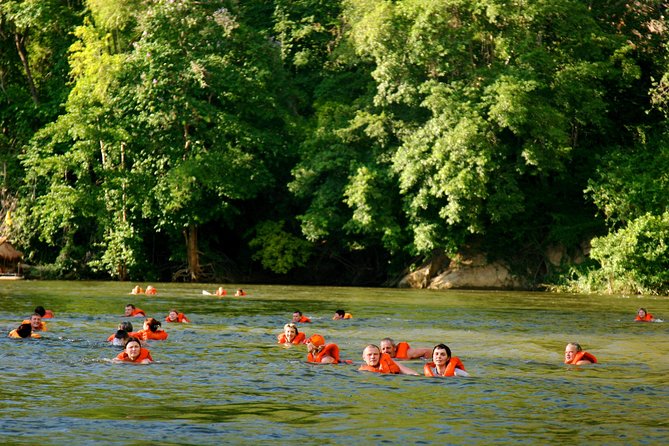
After checking out, you take another boat journey downstream and board a local train for a ride over the Death Railway. The train travels along the actual route built by POWs during the wartime railway project.
The ride lasts about 90 minutes. It is not a luxury rail journey, and the train itself is not the main point. You are seeing the railway as working infrastructure, with the historical knowledge that the tracks were laid under terrible conditions.
Some departures have offered an upgrade for the train ride. The base program includes a train ticket, but ask what any upgrade provides before paying more. The ride may feel more powerful if you have already visited the museum and Hellfire Pass, since you can connect the visible tracks with the stories you have heard.
The return to Bangkok involves another road transfer, so the second day is not short. You will have been on foot, on boats, and on a train before getting back into a vehicle. Plan a quiet evening after arrival.
Guides, group size, and the style of the tour
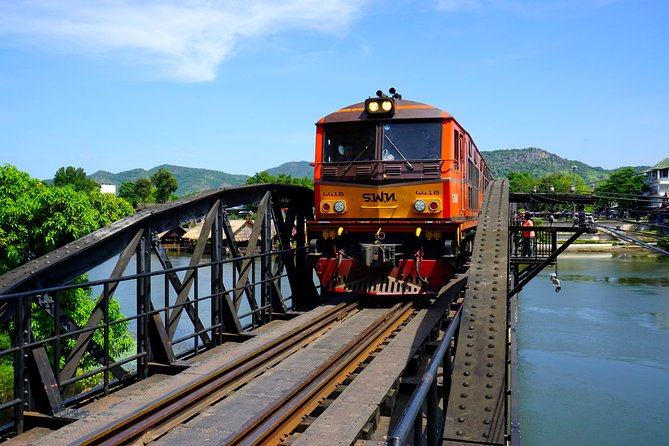
The tour is offered as a private trip or a shared departure with a maximum of 15 people. Shared tours keep the price manageable, while a private version may suit you if you want more control over questions, pacing, and pickup arrangements.
The guide stays with you for much of the route, though local staff may lead parts of the raft and village experience. Names reported for guides include Sam, Susan, Lady, and Bligh, but you are not guaranteed a particular person.
Guide quality has been mixed in a practical way. Several guides have been praised for strong historical explanations and close attention to individual needs. Sam and Lady were singled out for clear and engaging commentary, while Susan and another guide were harder for some people to understand because of pronunciation and speaking style.
That does not mean the tour lacks information. It means you should be ready to ask questions and request clarification. If World War II history is your main interest, read a little about the Burma-Siam Railway before departure. You will get more from the museums and memorials if the basic timeline is already familiar.
Food, heat, and what to pack
Meals are included as listed, and portions have generally been described as generous. Dietary requests are considered, but the operator cannot always confirm special arrangements in advance because meals depend on local restaurants and available choices.
Pack for a hot, outdoor trip:
- A small bag rather than a full suitcase
- Sunblock, sunglasses, and a hat
- Comfortable shoes with secure soles
- A waterproof pouch for electronics
- A power bank and small flashlight
- Cash in small notes for drinks and personal purchases
- Light clothing and basic toiletries
- Any medicine you need for heat, motion, or personal comfort
The river setting creates a pleasant sense of freedom, but it also exposes you to sun, humidity, splashes, and insects. Keep electronics protected at all times, not just during the boat rides.
Is $209 a fair price?
For $209, you are paying for convenience as much as for sightseeing. The price covers two days of transport from Bangkok, a guide, the raft accommodation, meals shown in the schedule, entrance fees, boat transfers, and the Death Railway ticket.
The value is strongest if you would otherwise need to book several services separately. The route includes places that are not simple to combine by public transport, and the overnight raft is a special stay that takes planning to arrange on your own.
The value is weaker if you want a polished hotel, lots of free time, or a short sightseeing day. The road transfers are long, the raft has basic facilities, lunch drinks may cost extra, and the early start can be tiring. The non-refundable booking rule also means you should be certain about your dates before paying.
Who should book this escape?
I would recommend it to you if you want a guided introduction to Kanchanaburi, care about World War II history, and like the idea of sleeping somewhere simple and unusual. It is especially meaningful if your family has a connection to the POWs or the railway, though no personal connection is needed to understand the importance of the sites.
It also suits you if you prefer a planned route over arranging several trains, boats, hotels, and transfers. The small group size, included transport, and attentive local staff take much of the work off your hands.
I would hesitate if you need air-conditioning, reliable electricity, warm showers, or easy access for limited mobility. I would also think twice if you dislike long drives, boat transfers, uneven paths, or a schedule that starts at dawn.
FAQ
What time does the tour start?
The stated start time is 6:00 a.m. Pickup is available from eligible main hotels in central Bangkok.
How long does the experience last?
The experience lasts approximately two days and includes one night at the floating jungle rafts.
Is accommodation included?
Yes. Accommodation is in a shared twin or double room on the floating raft.
Does the raft have electricity and Wi-Fi?
The accommodation may have no electricity, Wi-Fi, air-conditioning, or warm water. Basic amenities and fan-only rooms may be provided.
Is Hellfire Pass included?
Yes. The planned program includes the Hellfire Pass Interpretive Centre and Hellfire Memorial Pass. Closures or holidays can require a substitute site, so confirm the schedule for your date.
Is the Death Railway train ride included?
Yes. The program includes a ticket for the local train ride over the Death Railway. An upgrade may be available on some departures.
Are meals included?
Breakfast, lunch, and other meals shown in the program are included. Personal meals, drinks, and purchases not listed in the program are extra. Water may cost extra at some meals.
How many people can join the tour?
The tour has a maximum of 15 people. It is also offered on a private basis or as a shared English-speaking departure.
Should you book the River Kwai Jungle Rafts tour?
Book it if the combination of difficult history, river travel, Mon culture, and a no-electricity overnight sounds appealing. The raft, Hellfire Pass, and Death Railway make this much more than a quick bridge visit.
Skip it if you want comfort first. This is a soft-adventure trip with long transfers, heat, boats, basic rooms, and some walking. Pack lightly, protect your electronics, bring small cash, and confirm Hellfire Pass access before committing. For the right person, the unusual overnight stay and carefully linked historical sites make the $209 price reasonable.
Just added around Bangkok
- Bangkok Luggage Delivery from Hotel to Airport★ 5.0 · 25 reviews
- Bangkok to Ayutthaya Lopburi Monkey Temple, Largest Buddha Tour★ 5.0 · 62 reviews
- Baiyoke Sky Dinner Experience with Observation Deck Access★ 3.5 · 57 reviews
- Living Green Elephant Sanctuary Tour from Bangkok and Pattaya★ 5.0 · 88 reviews
- Bangkok Luggage Storage★ 4.5 · 37 reviews
- Living Green Elephant Sanctuary Experience near Bangkok & Pattaya★ 5.0 · 76 reviews
- Ethical Elephant Watching Tour From Bangkok & Pattaya★ 4.5 · 9 reviews
- King Power MahaNakhon SkyWalk at Bangkok Admission Ticket★ 4.0 · 37 reviews
Bangkok Tours, compared.
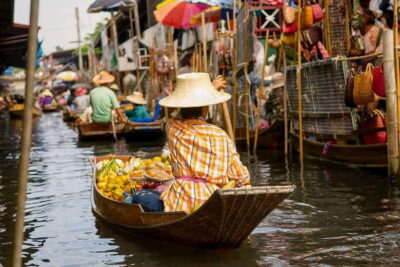
Damnoen Saduak Market and Maeklong Railway Market
Read our review →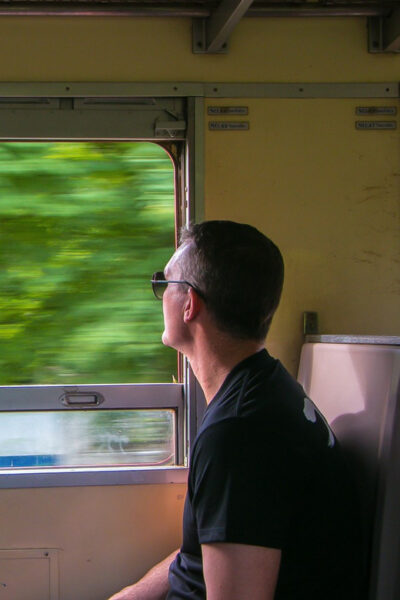
The Old Siam: Damnoen Saduak and Maeklong Railway Market
Read our review →
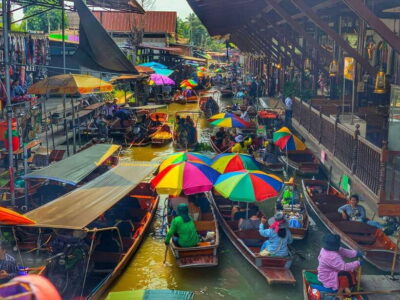
Train Market & Floating Market with Boat Ride
Read our review →
Bangkok Canal Tour: 2-Hour Longtail Boat Ride
Read our review →
Muay Thai Boxing Tickets at Rajadamnern Stadium
Read our review →
White Orchid Chao Phraya Dinner Cruise free Beer
Read our review →
Bangkok by Private Guide: Full Day Tour In and Around
Read our review →Browse the lists this tour appears in