
Reviewed · KOH SAMUI TOURS
Samui: Elephant Nutrition and Care Education Experience
The heart of this Koh Samui experience is simple: you help prepare food, then watch rescued elephants eat it. At Samui Elephant Home, the focus is on nutrition and daily care, not elephant rides or bathing. Guide Noi is often the person leading the talk, and her strong connection with the animals gives the visit a personal touch.
I like two things right away. First, you learn why food matters at different stages of an elephant’s life, from calves to older animals. Second, the staff make time for individual elephant stories, so you see more than a line of animals waiting for tourists. The main consideration is that the actual nursery visit may feel closer to one hour, even though the full booking lasts two hours with transfers.
Key points to know before you book
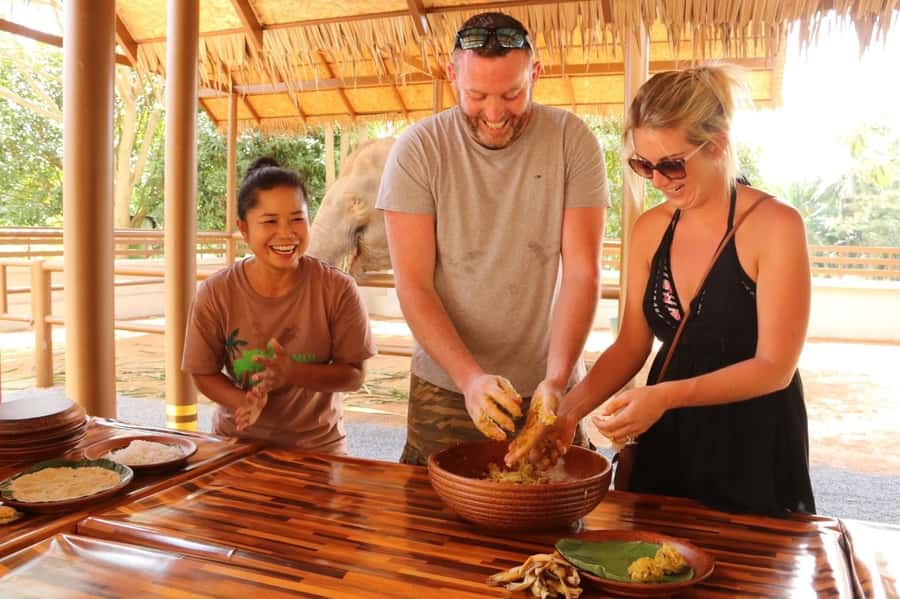
- Prepare natural supplementary food: You may help mix ingredients such as bananas, pumpkin, sticky rice, and herbs into food for the elephants.
- Meet rescued elephants at Koh Samui’s first elephant nursery: The visit explains where the animals came from and how their care changed after rescue.
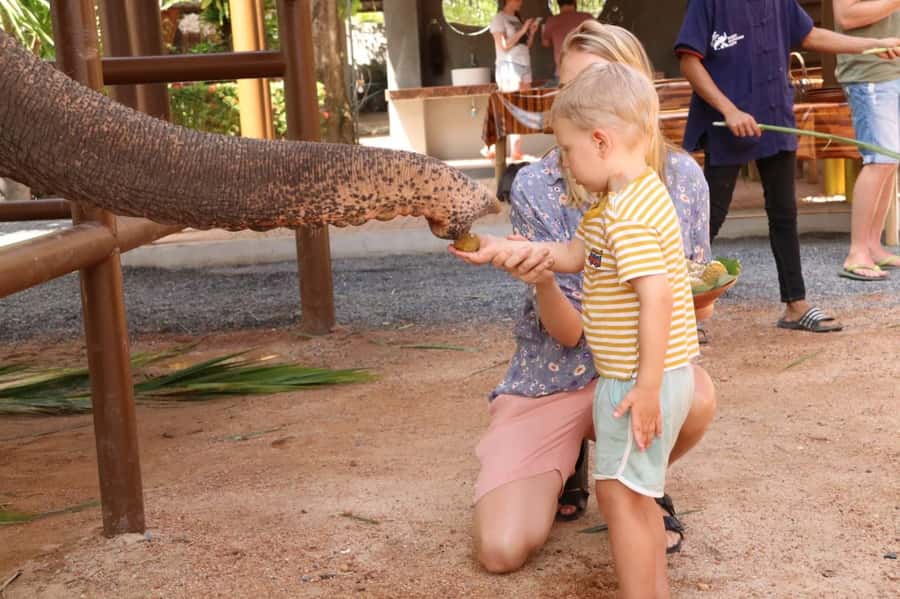
- Feeding is the main interaction: You can offer food and take photos, but the program puts animal welfare ahead of constant hands-on contact.
- Guide Noi brings the stories to life: Her talks cover elephant health, behavior, diet, and the personal background of the animals.
- Hotel pickup and drop-off are included: You get transport around Ko Samui, plus an English-speaking guide and insurance.
- Allow for a shorter on-site visit: The advertised duration is two hours, but some of that time is spent driving to and from your hotel.
What this Samui elephant experience is really about
Many elephant activities in Thailand are built around close contact. This one takes a different route. You come to learn how elephants are fed and cared for, then take part in a controlled feeding session.
That distinction matters. The most worthwhile part is not simply putting a banana into an elephant’s trunk. It is understanding how much food an elephant needs, why supplementary meals are prepared, and how care must change for animals of different ages and conditions.
The nursery is described as the first elephant nursery in Koh Samui. It cares for elephants with difficult pasts, including animals rescued from riding operations, circuses, logging work, and other forms of mistreatment. The staff explain those backgrounds during the visit, so some of the stories can be upsetting.
I think that emotional side is useful, provided you know about it in advance. You are not being given a polished wildlife story with all the hard parts removed. You hear why rescue is needed and why ongoing food, veterinary care, land, and staff time cost so much.
A few more Ko Samui half-days worth weighing up
- Koh Samui: Pig Island & Koh Tan Snorkeling by Speed boat
★ 4.5 · 4,149 reviews - Koh Samui: Mu Ko Ang Thong Park Cruise with Kayaking Option
★ 4.3 · 3,728 reviews - Koh Samui: Half-Day Island Highlights Tour with Hotel Pickup
★ 4.6 · 3,556 reviews
Hotel pickup makes a short morning easier
The experience begins with pickup somewhere in Ko Samui. After booking, the operator sends your pickup time, and you are asked to wait in your hotel lobby for about 15 minutes around that time.
That is practical on an island where getting to an animal center can otherwise mean arranging a taxi. Hotel drop-off is also included, so the $32 price covers more than admission.
The transport itself can vary. One account describes an open-air pickup truck, which made the trip more pleasant because you could see the views along the way. Do not treat that as a guaranteed vehicle type, but be ready for a casual island transfer rather than a luxury coach.
The booking includes insurance and an English-speaking guide. Bring your passport or ID card, as requested by the operator. Food and drinks for you are not included, so eat before leaving or plan accordingly.
Meeting the elephants and hearing their stories
At Samui Elephant Home, the visit begins with a welcome, a guide-led introduction, and a safety briefing. You learn about the nursery, the elephants’ backgrounds, and the basic rules for staying near large animals.
This opening is more important than it may sound. Elephants are powerful, and even a calm animal can react suddenly. The staff set the pace and explain where you should stand, how to offer food, and when to give an elephant space.
The personal stories are a major part of the visit. You learn that each elephant has its own background and care needs. The guide also explains the role of mahouts, the individual elephant carers who work with the animals day to day.
Guide Noi is praised repeatedly for speaking with real feeling about the elephants. Her presentation covers Asian elephants in general, as well as the animals at the nursery. The result is a talk that feels less like a quick animal fact sheet and more like an introduction to animals the staff know well.
Families can use this section to give children a better lesson than a simple photo stop allows. Younger children may focus on the elephants themselves, while older children can begin to understand the difference between seeing wildlife and using animals for entertainment.
Preparing bananas, pumpkin, sticky rice, and herbs
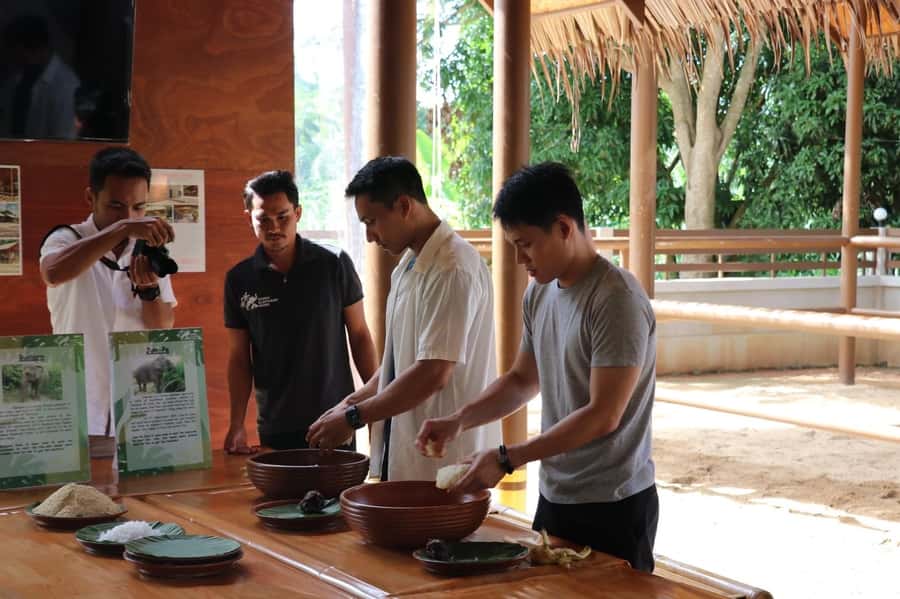
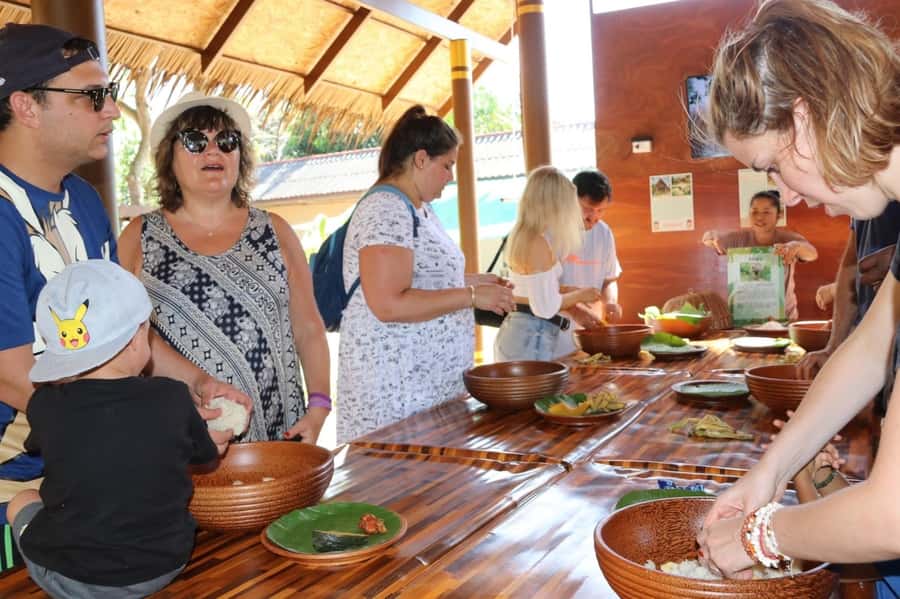
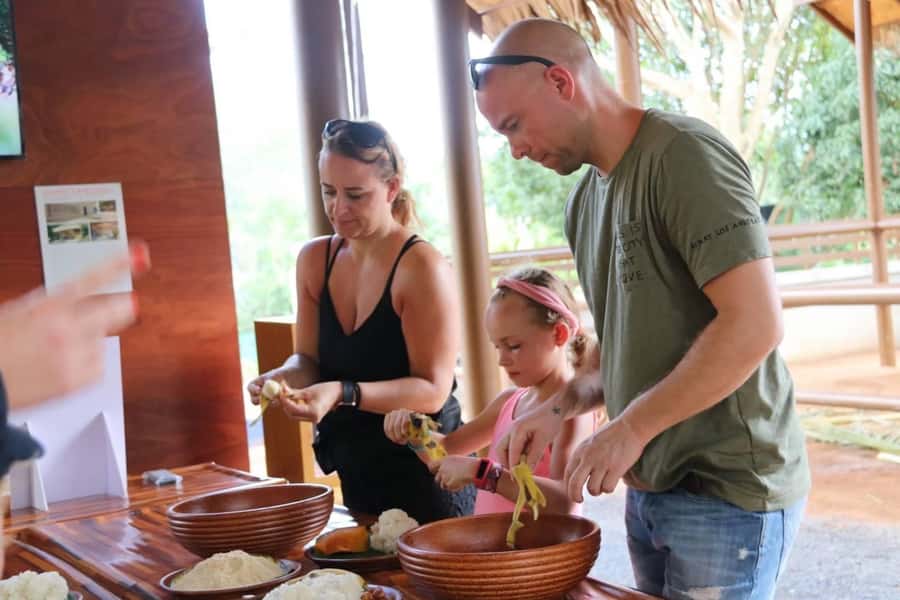
The hands-on food preparation is the activity’s most distinctive feature. Staff demonstrate how supplementary food is made from natural ingredients, including bananas, pumpkins, sticky rice, and herbs.
The exact recipe can vary according to the elephants’ needs. You may hear about protein balls or similar prepared portions. The useful point is that you are not just handed a basket of fruit. You see how the food is assembled and why extra nutrition can support an elephant’s health.
The guide explains that diets are adapted for different animals. A young elephant, an adult, and an older elephant do not necessarily need the same food in the same form. That makes the session a good fit for anyone who wants the care side of sanctuary work explained in plain terms.
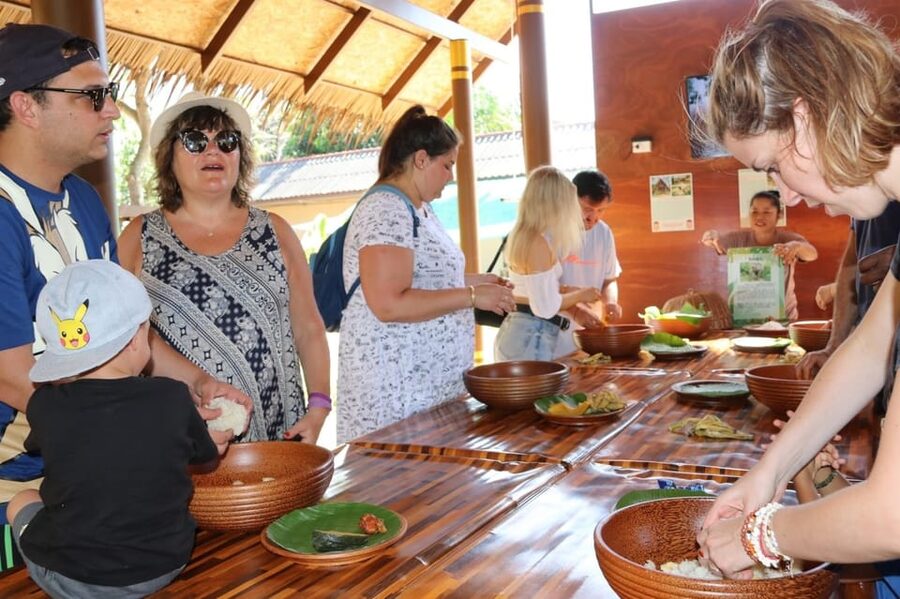
Children can take part in the preparation, and adults usually find it satisfying as well. There is a small but genuine sense of purpose in making the meal yourself, then seeing the elephants eat it.
The staff may provide more food after the prepared portions are gone. Several accounts describe extra bananas, bamboo, or other food being brought out, which can extend the feeding time. This is helpful for photos, but the staff remain in charge of how much food is offered and how the elephants are approached.
Same base, a completely different kind of day out:
- Koh Samui: Island Hopping Adventure in Coral and Pig Island
★ 4.6 · 3,453 reviews - Koh Samui: Mr.Ung’s 4WD Wild Jungle Safari Tour with Lunch
★ 4.7 · 2,956 reviews - Samui: Angthong Marine Park Boat Tour w/ Transfer and Meals
★ 4.4 · 2,756 reviews - Ko Samui: Pig Island Snorkeling and Koh Tan Speedboat Tour
★ 4.2 · 1,673 reviews
Feeding time is calm, close, and carefully managed
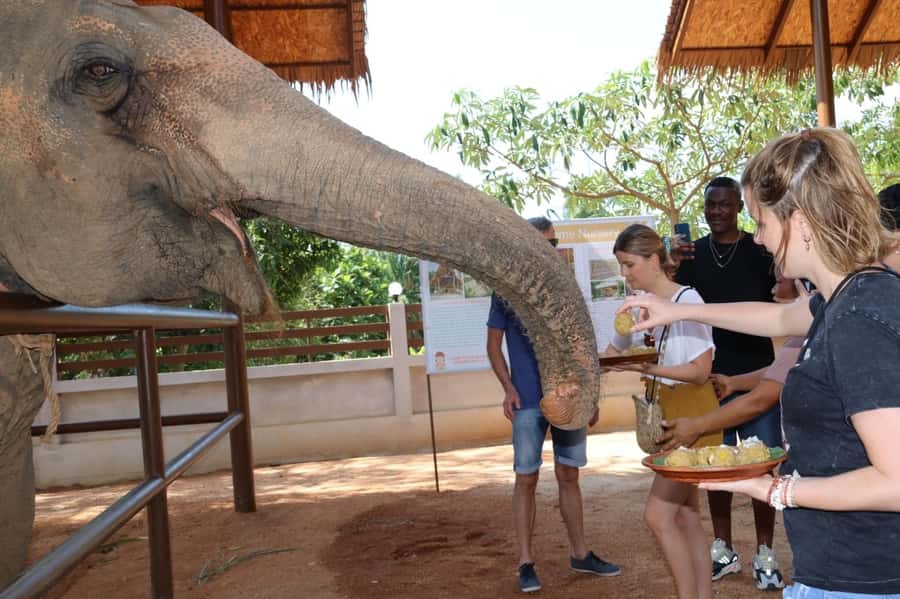
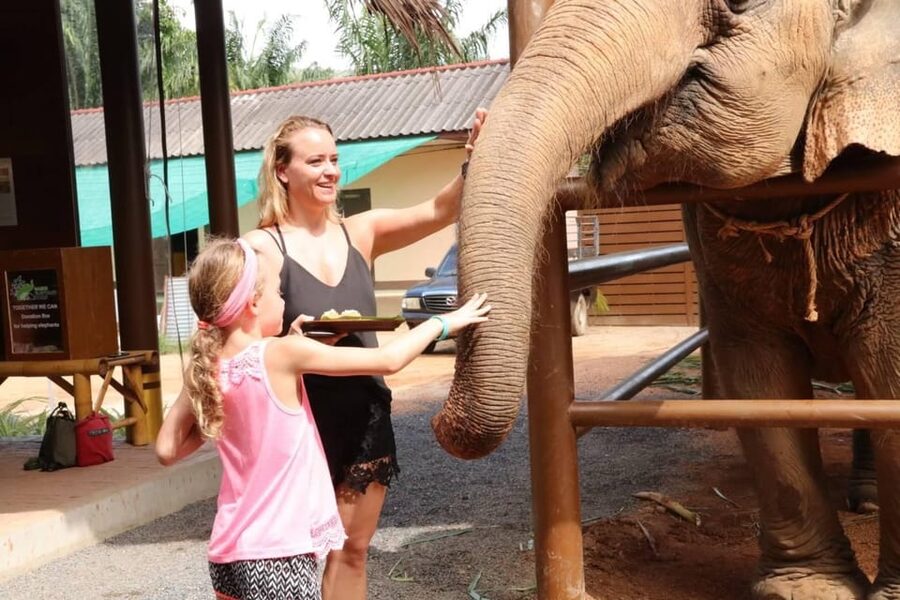
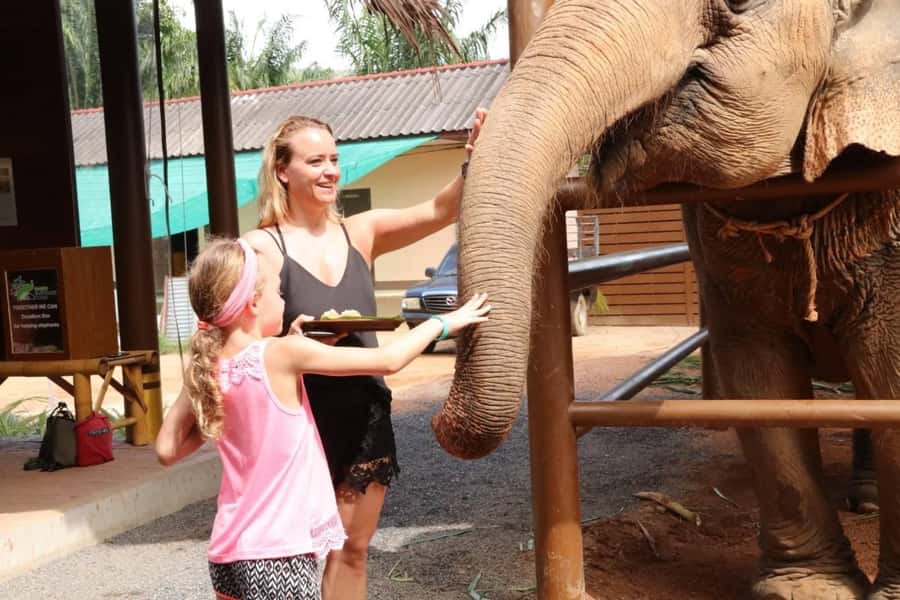
Once the food is ready, you watch the elephants eat in a fenced or controlled area. The elephants may reach toward you with their trunks, making feeding memorable without turning the visit into a free-for-all.
The atmosphere is intended to stay calm. You are encouraged to take photos and videos from a respectful position, and staff often help by taking pictures with your phone. That small service is useful because it lets you pay attention to the elephant instead of trying to manage your camera at the same time.
Some accounts describe touching the elephants during feeding. At the same time, the program is presented as education over interaction, and one important point is that a new elephant may not be touched while it gets used to people. Follow the staff’s instructions for the particular animal in front of you.
This is one reason I prefer the activity’s welfare-first approach. You are not promised unlimited contact. Instead, the amount of interaction depends on the elephant’s comfort and training. That is a better signal than a program that treats every animal as permanently available for hugs and photographs.
The experience does not include elephant riding. It also does not include bathing as part of this package. One person specifically noted that bathing was offered separately at a higher price, so choose this program if food, education, and observation matter more to you than water-based contact.
How ethical care affects the value
At $32 per person, this is a reasonably priced half-day-style activity, especially because hotel pickup and drop-off are included. The on-site program is short, but the price also covers the guide, safety briefing, food preparation, feeding session, and insurance.
I would not judge the value by the number of minutes spent touching an elephant. The stronger value is the explanation of how rescue work operates and why feeding is a serious part of long-term care.
The staff describe a model built around caring for elephants rescued from exploitative work. The project is supported largely by visitors, and one account states that the Thai government also provides partial support. Treat those funding details as part of the center’s own presentation, but they help explain why entrance fees and feeding activities matter.
Elephants are expensive to keep. One explanation given during a visit put the cost of purchasing a single elephant at about 34,000 euros, before considering food, workers, land, and medical needs. That figure is useful context, though it should not be read as a complete annual care budget.
Your admission helps pay for the nursery’s ongoing work. If you also buy a shirt or other souvenir, that gives you another way to support the center, but purchases are optional.
The main drawback: the visit can feel brief
The official duration is two hours, with starting times available according to the schedule. In practice, the nursery portion may be about one hour, with the rest taken up by pickup and return.
That is not necessarily a flaw. Several families found the length suitable, especially with young children. A shorter visit can keep the experience focused and prevent fatigue in hot weather.
Still, you should set your expectations correctly. This is not a full-day sanctuary program with a long walk around the grounds. One person wished they could see the elephants on the farm rather than mainly in their pens. The activity is centered on the nursery area, food preparation, explanations, and feeding.
If you want a broad tour of elephant habitat, ask the operator what the day’s visit includes before booking. If you want a compact educational activity that fits between other Koh Samui plans, the limited duration works in its favor.
Who will enjoy this activity most
I would recommend it to animal lovers who want a more responsible form of elephant tourism. It suits couples, families, older children, and first-time visitors who want a clear introduction to elephant welfare.
It is also a good choice if you feel uneasy about elephant attractions but still want to learn about rescued animals. The absence of riding is important, and bathing is not part of this package. The staff’s decision to limit contact with animals that are not ready for it is another positive sign.
Families with children aged roughly three to nine have found the format manageable, though every child responds differently to the emotional rescue stories. Explain beforehand that some elephants came from harmful working conditions. That prepares children for the serious side of the visit.
You may want another option if your priority is a long nature walk, observing elephants at a great distance, or spending several hours on a large reserve. You should also choose another package if bathing is the main reason you want to see elephants.
Practical tips for a smoother visit
Wear comfortable clothes that you do not mind getting food on. The activity involves handling natural ingredients and feeding elephants, so it is not a dressed-up sightseeing stop.
Bring your passport or ID card, as required. Keep your phone ready for photos, but let the staff guide the picture-taking. They may help capture photos and videos while you feed the elephants.
Eat before pickup because your own food and drinks are not included. Also, confirm the pickup time after booking and wait in the hotel lobby around 15 minutes before that time.
The site is listed as wheelchair accessible. If you use a wheelchair, confirm the exact vehicle and access arrangements when booking, since hotel transport and the nursery setting can involve practical details that are not specified.
Free cancellation is available up to 24 hours in advance for a full refund. You can also reserve now and pay later, which helps if your Ko Samui plans are still shifting.
Is Samui Elephant Home worth booking?
Yes, if you want a short, purposeful elephant experience built around food, care, and education. At $32, the included transfers make the price attractive, and the preparation session gives you more to do than simply stand beside an elephant for a photograph.
I especially like the program’s limits. There is no riding, bathing is not part of the package, and staff can decide when an elephant should not be touched. Those boundaries are good for the animals and give you a clearer idea of responsible wildlife tourism.
Book it if you value guide Noi’s heartfelt explanations, individual rescue stories, and the chance to prepare and feed natural food. Skip it if you expect a long farm visit or want extensive physical interaction. For most visitors seeking an ethical introduction to elephants on Koh Samui, this is a thoughtful and good-value choice.
FAQ
How long does the Samui Elephant Nutrition and Care Education Experience last?
The booking duration is two hours, including hotel pickup and drop-off. The visit at the elephant nursery itself may be closer to one hour.
What is included in the price?
The $32 price includes hotel pickup and drop-off in Ko Samui, an English-speaking guide, and insurance.
Is hotel pickup available?
Yes. Pickup and return transport are included. After booking, you receive the pickup time and should wait in your hotel lobby for about 15 minutes around that time.
What will I do at the nursery?
You will attend a guided introduction and safety briefing, learn about elephant health and nutrition, watch food preparation, help prepare supplementary food, and feed the elephants under staff guidance.
What ingredients are used for the elephant food?
Natural ingredients can include bananas, pumpkins, sticky rice, and herbs. The food is adapted to the needs of elephants at different ages.
Does this activity include elephant riding or bathing?
No elephant riding is included. Bathing is not part of this package and is described as a separate activity.
What should I bring?
Bring your passport or ID card. Food and drinks for you are not included, so plan to eat before the visit or bring suitable refreshments if permitted.
Just added around Ko Samui
- Pig Island(Koh Mudsum) and Koh Tan Half Day Snorkeling Tour★ 4.2 · 11 reviews
- Private Group Half-Day City Tour Around Koh Samui★ 4.1 · 20 reviews
- Koh Samui: Pig Island & Koh Tan Speedboat Tour with Lunch★ 4.2 · 120 reviews
- Koh Samui: Zipline Experience of Lamai Viewpoint★ 4.1 · 31 reviews
- EasyKart Koh Samui (Chaweng Lake): Go-Kart Racing Experience★ 4.3 · 10 reviews
- Koh Samui: Island Tour with Sunset and Sightseeing★ 4.5 · 23 reviews
- Koh Samui City Tour with Cultural and Scenic Highlights★ 4.5 · 33 reviews
- Koh Samui: Fishing Day Tour by Escort Boat with Mr. Tu★ 4.1 · 45 reviews
Koh Samui Tours, compared.

Pig Island & Koh Tan Snorkeling by Speed boat
Read our review →
Mu Ko Ang Thong Park Cruise with Kayaking Option
Read our review →
Half-Day Island Highlights Tour with Hotel Pickup
Read our review →
Island Hopping Adventure in Coral and Pig Island
Read our review →
Mr.Ung’s 4WD Wild Jungle Safari Tour with Lunch
Read our review →
Angthong Marine Park Boat Tour w/ Transfer and Meals
Read our review →
Pig Island Snorkeling and Koh Tan Speedboat Tour
Read our review →
Elephant Sanctuary Entry and Feeding Experience
Read our review →Browse the lists this tour appears in