
Reviewed · CHIANG MAI TOURS
11 Day Tuk Tuk Adventure in Northern Thailand
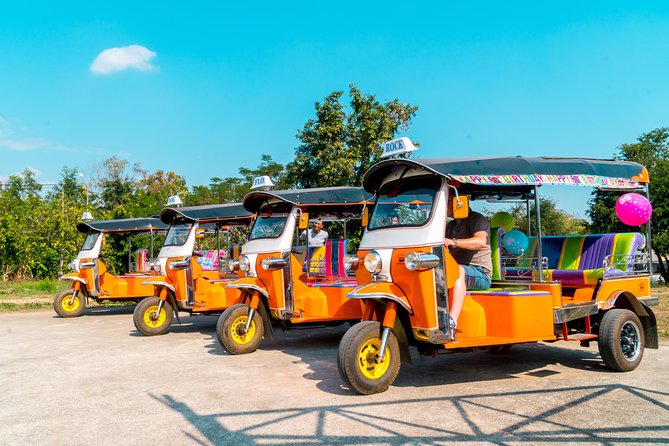
Northern Thailand is at its best from the seat of a tuk tuk. You leave Chiang Mai behind, take quiet mountain roads, stop at remote temples, meet hill-tribe communities, and decide when a view deserves a pause. This is not a sightseeing bus with a quick photo stop. You drive the route yourself, after training and with a support vehicle nearby.
I like two things right away. First, the route reaches places that are awkward to visit without your own transport, including Doi Inthanon, Mae Sariang, Mae Hong Son, and Pai. Second, the guides are a major part of the experience. Guides including Yuth, OA, Boyz, Worn, Yaya, Nahm, and Bigg have been praised for their care, patience, local insight, and good humor.
The catch is simple: this is an active driving holiday, not an easy ride through the countryside. You need an appropriate driving license and International Driving Permit, and anyone driving must be at least 18. The mountain roads, long days, weather, and tuk tuk controls will suit confident drivers better than people looking for a soft-paced resort break.
Key details before you book
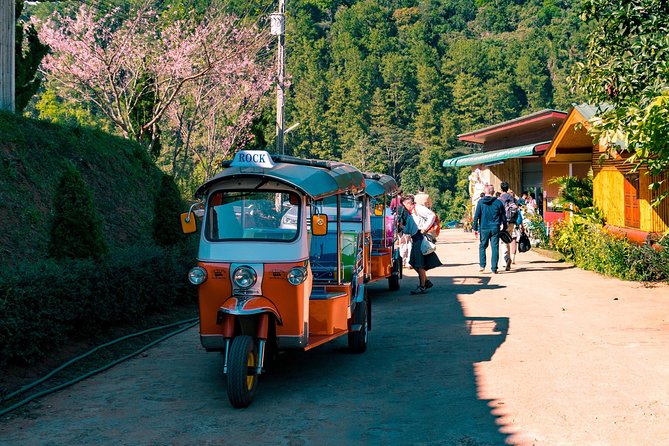
- You drive your own tuk tuk: Training comes first, then you take the wheel on rural roads and mountain routes.
- The route covers five overnight locations: You travel through Chiang Mai and Mae Hong Son provinces, with stays around Doi Inthanon, Mae Sariang, Mae Hong Son, and Pai.
- A support vehicle follows throughout: You are not left to handle route problems or mechanical concerns alone.
- The group is limited to 15 people: That gives the guides room to help with driving and keep the journey social without making it feel like a large coach tour.
- The trip includes 10 nights, meals, and national park fees: You still pay for unlisted food, drinks, snacks, activities, travel insurance, and other personal costs.
- You should book well ahead: The trip is booked an average of 178 days in advance, a useful warning if your dates are fixed.
Why a tuk tuk works so well here
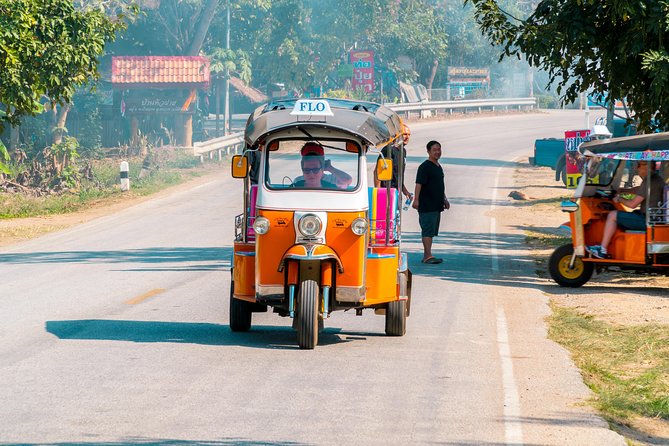
A tuk tuk is not the fastest way to cover northern Thailand. That is exactly why it works. You travel slowly enough to notice the change from city streets to farmland, forest, hills, and small communities. You can stop for mountain views when the group pulls over, rather than watching the scenery blur past a bus window.
Driving also gives the trip a useful sense of purpose. You learn the vehicle, gain confidence, and then put those skills to work. The first day is not simply an orientation talk. You transfer from Chiang Mai to the training base in Mae Wang, spend time practicing, and visit a remote hillside temple for a blessing before the route begins in earnest.
The small group matters here. A maximum of 15 people means the guides can keep an eye on driving ability, give practical help, and adjust the day when weather or road conditions call for a change. Several guide teams have been singled out for staying attentive throughout the trip, keeping vehicles clean and fueled, and making sure the ice boxes have cold water.
That support is important because self-drive sounds more independent than it really is. You are in control of your tuk tuk, but you are not expected to plan every turn, organize hotels, find meals, or solve every problem yourself. You get the fun part of independence with a safety net behind you.
More Tuk Tuk Tours in Chiang Mai
- Chiang Mai Temples and Market Tuk-Tuk Evening Night Tour
★ 4.5 · 201 reviews - Private Chiang Mai Old City Half Day Tuk Tuk Tour
★ 4.5 · 157 reviews - Full-Day Guided Tuk Tuk Chiang Mai Adventure and Rafting
★ 5.0 · 140 reviews
Day 1: Mae Wang training and a temple blessing
The adventure starts at 10:00 a.m. at Chiang Mai Gate Hotel, near Wua Lai Walking Street. From there, a transfer takes you roughly 60 minutes to the tuk tuk training base in Mae Wang.
This first session is one of the most important parts of the trip. You learn how the tuk tuk handles before the serious mountain driving begins. If you have never driven one, give yourself time to get comfortable with steering, braking, turning, and judging the vehicle’s size.
The temple visit adds a quiet cultural start. You travel to a remote hillside temple and receive a blessing for the road ahead. It is a small moment, but it gives the journey a sense of place rather than making the training feel like a rental-car handoff.
You should expect a full first day, even though the driving distance is limited. Training, transfers, and getting used to the group take energy. Wear practical clothes and shoes, and keep your first day free of tight evening plans.
Day 2: Elephants and a bamboo-raft finish
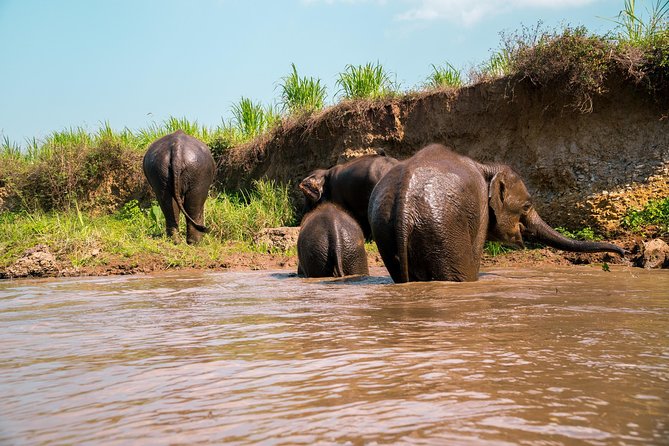
Day 2 gives you more practice before combining the driving with two very different activities. You visit an elephant home described as forward thinking, where you learn about elephants and meet them in a setting focused on their care.
The supplied details indicate opportunities to feed and walk with the elephants. That makes this more than a quick stop for photographs. Still, animal tourism varies widely, so it is worth asking your guide how the home operates and what forms of contact are appropriate on the day.
Later, you relax on a bamboo raft along the local river. It is a good contrast to the tuk tuk practice: quiet, low to the water, and less demanding physically. The day gives you a taste of the trip’s main appeal, a mix of outdoor activity, local culture, and time on the road.
Lunches and dinners are included only on specified days, so do not assume every meal is covered. Bottled water is included, but snacks and drinks outside the listed meals are your responsibility.
Days 3 and 4: Doi Inthanon and hill-tribe country
Day 3 is the first serious driving day. You head into the foothills of Doi Inthanon and spend the night in a small hill-tribe village.
This is where the journey shifts from a fun vehicle experience to a real road trip. The route brings mountain views and rural surroundings, but it also means bends, changes in elevation, and a longer period behind the wheel. Drivers should be prepared to concentrate, while passengers should be ready for a slower, more exposed ride than they would have in a private car.
Day 4 is built around walking and nature. You explore forests and waterfalls around Doi Inthanon, with the chance to visit a hill-tribe village. The schedule allows you to put the tuk tuk aside and experience the area on foot.
The village visit is valuable because it adds human context to the scenery. You are not simply collecting viewpoints. You get a chance to see a community setting and understand that this part of Thailand is home territory, not just a mountain route for holiday photos.
The exact walking conditions are not specified, so bring sensible footwear and be ready for uneven ground. If you prefer nonstop driving, this day may feel slow. I see it as a welcome reset after the previous day’s road time.
More tuk tuk rides around Chiang Mai:
- Chiang Mai: Exploration of Old City by Private Tuk-Tuk
★ 4.3 · 127 reviews - Chiang Mai Temples and Market Tuk Tuk Night Tour
★ 5.0 · 95 reviews - Chiang Mai: Private Tuk Tuk Tour of City Temples With Pickup
★ 4.4 · 84 reviews - Chiang Mai: Temples and Street Food Night Tour by Tuk Tuk
★ 4.3 · 81 reviews
Day 5: West to Mae Sariang
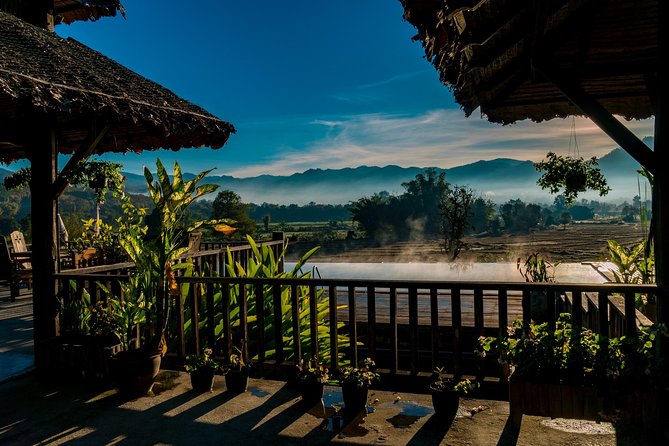
You continue west to Mae Sariang, a small town beside the river. The itinerary leaves room to relax at a pool, which is welcome after the first stretch of mountain driving.
Mae Sariang is one of the places that benefits from an overnight stay. You are not rushing in for an hour, taking a picture, and leaving. The town becomes a pause in the route, giving you time to enjoy a quieter side of northern Thailand.
This is also a good point to check your personal pace. Five nights of the trip are spent moving between locations, and the days are not designed around lying in. The pool helps, but the holiday remains active. If you need a long break, use this afternoon wisely.
Day 6: Mountain roads to Mae Hong Son
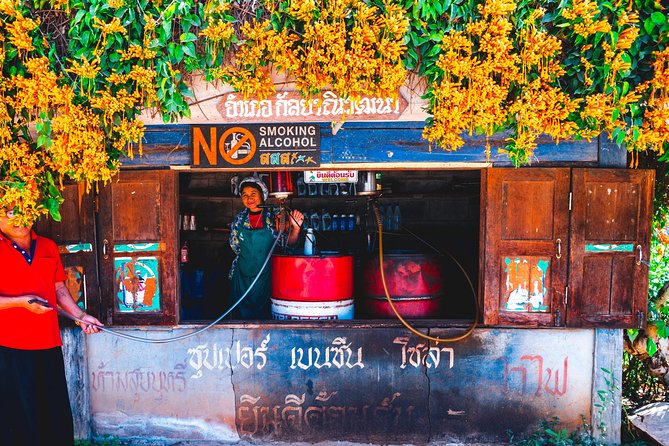
Day 6 takes you over the mountains to Mae Hong Son. It is another major driving day, with broad views and regular stops to experience local life.
Mae Hong Son is one of the route’s big rewards. Its setting and distance from Chiang Mai give it a very different feel from the starting city. The final accommodation is described as a rural resort around rice paddies and forest, so expect a quieter stay outside the town itself.
This day shows why the support vehicle and guides matter. The road is part of the attraction, but it demands attention. A guide team that can keep the convoy together, monitor conditions, and change the route when needed adds real value. The organizers have reversed the route in difficult weather, so flexibility is built into the operation.
Do not treat the published order as an absolute promise. Weather can affect mountain roads, and the guides may adjust the direction to keep the trip safe and workable. That is a practical strength, not a failure of planning.
Day 7: A free day in Mae Hong Son
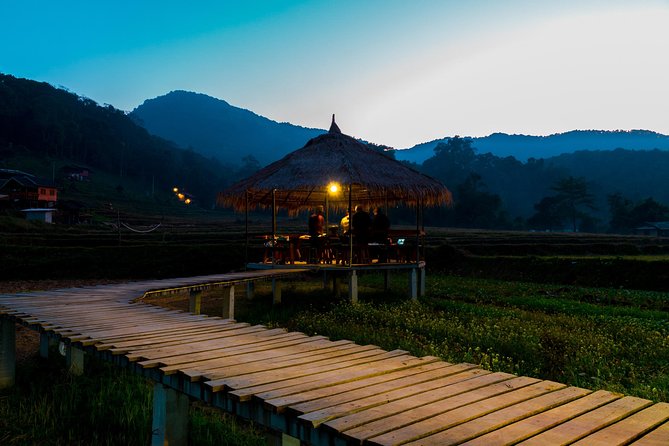
Day 7 gives you a rare choice: rest at your accommodation or explore Mae Hong Son. After several driving days, this free day is well placed.
You can use it to enjoy the town, take in the local setting, or simply sit by the pool and recover. Since no detailed activity list is provided for this day, the value comes from having unscheduled time rather than from a set excursion.
I like this break because it prevents the 11-day route from becoming a string of identical driving days. On a trip with this much road time, a free day is not wasted time. It helps you enjoy the second half instead of merely getting through it.
Day 8: The road to Pai
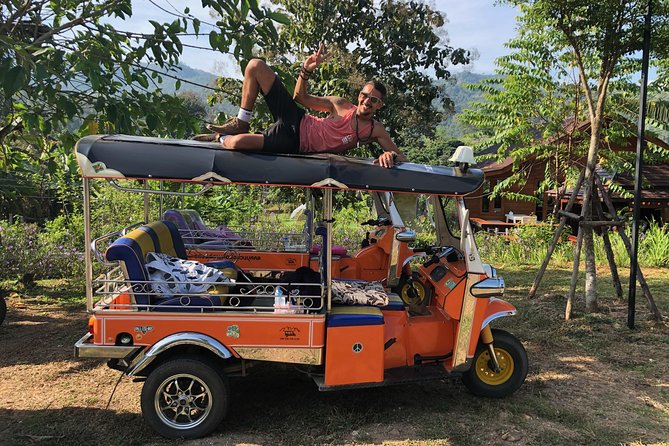
You return to the tuk tuks for the journey to Pai. The route again uses mountain roads and is described as a scenic drive with good stretches of road and frequent views.
Pai is known here as a mountain village, and the hotel pool gives you an easy finish after the day’s drive. You should not expect a short transfer. The pleasure is in the route, the stops, and the changing countryside, not in reaching Pai quickly.
This is another day when a passenger may appreciate the experience more than a nervous driver. If you are uncertain behind the wheel, tell the guides early. The group leaders have been praised for patience and care, and the support arrangement gives you a sensible place to ask for help.
Day 9: Time to enjoy Pai
The second free day lets you experience Pai at your own pace. You can relax, enjoy the views, or go out and explore, with activities not listed in the package paid for separately.
Because the trip does not prescribe every hour, you have some control over the holiday’s mood. You can make this a quiet pool day or use it as a chance to see more of Pai. Ask the guides for practical suggestions, since the included itinerary does not specify which independent activities are available.
The free day also gives you a break from driving before the return to Mae Wang. That matters more than it might sound. Tuk tuk driving is part of the fun, but eleven days of constant road movement would be tiring.
Day 10: Rural back roads and a farewell dinner
The final driving day takes you back to the base camp at Mae Wang using rural back roads. It is a fitting end to the self-drive part of the trip because you return with far more confidence than you had on Day 1.
The route is not just a direct transfer. You continue through rural areas and finish with a farewell dinner. Five dinners and three lunches are included across the trip, along with all 10 breakfasts, so this final meal is part of a broader food plan rather than the only organized evening.
The guides are often the people who make this kind of long trip work. Names associated with the guide teams include Yuth, OA, Boyz, Worn, Yaya, Nahm, and Bigg. The consistent strengths to look for are clear instructions, patience with new drivers, help with local communication, and attention to the small details that keep the convoy moving.
Day 11: Return to Chiang Mai
On the final morning, a minivan takes you from Mae Wang back to Chiang Mai city. Arrival is expected around late morning to midday, and the activity ends at the original meeting point.
That timing is useful if you are continuing your trip, but I would avoid booking a flight too close to the estimated arrival. Mountain routes and transfers can run late, and the listed arrival is approximate rather than a guarantee.
The tour starts and ends in Chiang Mai, making it easy to add city time before or after the adventure. The starting point is Chiang Mai Gate Hotel, at 11, 10 Suriyawong Alley, near Wua Lai Walking Street.
What the $2,148.21 price covers
At $2,148.21 per person, this is not a budget road trip. The price makes more sense when you add up what is arranged: 10 nights of twin-share accommodation, tuk tuk training, local guides, national park fees, a support vehicle, bottled water, 10 breakfasts, five dinners, and three lunches.
You are also paying for route design. Reaching Doi Inthanon, Mae Sariang, Mae Hong Son, and Pai on your own would require transport planning, hotel bookings, navigation, and decisions about rural roads. Here, those pieces are handled for you while you retain the unusual pleasure of driving.
Twin-share accommodation is worth noting. The package is priced per person, but the room arrangement is shared with another person. Solo occupancy details are not provided, so ask before booking if you do not want to share.
You still need to budget for travel insurance, which is compulsory, plus snacks, drinks, food outside the included meals, and activities not listed. Vegetarian meals are available if you request them when booking.
Who should choose this adventure
I would choose this tour if you want an active holiday with real road time, rural stops, and a social group. It suits adults who enjoy learning a new vehicle, do not need luxury at every stop, and like having a guide nearby without being carried from place to place.
It is also a strong choice if you have already seen Chiang Mai’s main sights and want to reach the province’s quieter areas. The route offers temples, elephants, waterfalls, villages, rice paddies, forest, rivers, and mountain towns in one organized trip.
You may want another tour if you dislike driving, get uncomfortable on winding mountain roads, or need complete control over your daily schedule. Although a passenger can travel on the tour from age seven, only people aged 18 or older with the required license and International Driving Permit can drive.
The maximum group size is 15, but the experience is still communal. You travel as part of a convoy and share meals and stops. That is a plus if you enjoy meeting people, but less appealing if you want a private couple’s escape.
Practical details worth knowing
Confirmation is sent within 48 hours of booking, subject to availability. Given the average booking lead time of 178 days, reserve early if you have fixed dates.
The ticket is mobile, and the meeting point is near public transportation. Service animals are allowed, and most people can participate, though the driving requirement makes this more demanding than a standard sightseeing tour.
Travel insurance is compulsory. Cancellation is generous only if handled early: cancel at least six full days before the start for a full refund. Cancel two to six full days before the start for a 50 percent refund. Less than two full days before the start means no refund, and all cutoffs use local Thai time.
Should you book the 11-day tuk tuk adventure?
Book it if the idea of learning to drive a three-wheeled vehicle, crossing northern Thailand by mountain road, and spending time in smaller communities sounds better than ticking off city attractions. The route is long enough to feel like a proper journey, and the free days in Mae Hong Son and Pai keep it from becoming a nonstop convoy.
I especially like the mix of control and support. You drive, but the guides organize the route. You get remote temples and rural roads, but you do not have to arrange every hotel and meal. You get adventure, but a support vehicle follows throughout.
Skip it if you want a low-cost tour, private rooms, or a holiday with little physical effort. For the right person, though, this is a memorable way to see northern Thailand slowly, with the road itself becoming part of the destination.
FAQ
Where does the tour start?
It starts at Chiang Mai Gate Hotel near Wua Lai Walking Street, at 10:00 a.m.
Where does the tour end?
The activity ends back at the original meeting point in Chiang Mai after the final transfer from Mae Wang.
How long is the experience?
The tour lasts approximately 11 days and includes 10 nights of accommodation.
Do I drive the tuk tuk myself?
Yes. The tour includes tuk tuk training, and participants can drive throughout the route. A driving license and International Driving Permit are required.
How old must I be to drive?
You must be at least 18 years old to drive a tuk tuk.
Can children join the tour?
Children can travel on the tour from age seven, but only people aged 18 or older may drive.
How many people can join?
The group has a maximum of 15 participants.
Is accommodation included?
Yes. The price includes 10 nights of twin-share accommodation according to the itinerary.
Are meals included?
The package includes 10 breakfasts, five dinners, and three lunches. Snacks, drinks, and food not listed are not included.
Is travel insurance required?
Yes. Travel insurance is compulsory for this experience.
More Tuk Tuk Rides in Chiang Mai
- Chiang Mai City Tuk Tuk Tour – Half Day
★ 5.0 · 45 reviews - Chiang Mai: Tuk-Tuk Evening Tour with Temples & Street Foods
★ 4.7 · 26 reviews - 5 Day Tuk Tuk Adventure in Chiang Mai – with driver
★ 5.0 · 21 reviews - Full Day Chauffeur Driven Tuk Tuk Adventure in Chiang Mai including rafting
★ 5.0 · 19 reviews
Just added around Chiang Mai
- Wat Phra That Doi Suthep & Wat Pha lat Evening Tour & Guide★ 4.5 · 89 reviews
- Walk With Monks Collecting Alms(meeting point maybe change)★ 4.9 · 8 reviews
- Chiang Mai: Doi Inthanon Park Day Trip with Kiw Mae Pan Hike★ 4.6 · 75 reviews
- Chiang Mai Zipline White Water Rafting and Elephant Sanctuary★ 4.0 · 11 reviews
- Zipline+Sticky waterfall+Long Neck Village Private Tour★ 5.0 · 22 reviews
- Chiang Mai Airport Private Transfer – Hotel or Airport★ 4.5 · 51 reviews
- Trek to a Jungle Waterfall★ 5.0 · 14 reviews
- Zipline Adventure at Skyline Jungle Luge Chiang Mai★ 5.0 · 102 reviews
Chiang Mai Tours, compared.
Half-Day Thai Cooking Class at Organic Farm in Chiang Mai
Read our review →
Elephant Sanctuary, Waterfall & Bamboo Rafting
Read our review →

Chiang Rai Temples, Karen Tribe and Hot Springs
Read our review →
Cooking Class, Market & Thai Herbs Garden Tour
Read our review →
Authentic Cooking Class with Market & Farm Visit
Read our review →
Elephant Sanctuary Feeding Program Half-Day Tour
Read our review →Browse the lists this tour appears in