
Reviewed · CHIANG MAI TOURS
Chiang Mai: Chiang Rai Temples, Karen Tribe and Hot Springs
Chiang Rai’s White Temple is the star of this long northern Thailand day trip, but the real appeal is the mix: hot springs, a Karen village, three very different temples, and plenty of time on the road to see rural Thailand. Wat Rong Khun feels like a fantasy built in white glass, while the Blue Temple and Huay Pla Kang show other sides of modern Thai religious art.
I like two things here. First, you get the major Chiang Rai sights without arranging several separate taxis or transfers. Second, guides such as Benz, Ruby, and Kwan add useful background, photo tips, Thai phrases, and practical help throughout the day. The catch is simple: 11 hours means a lot of driving, including a long return to Chiang Mai, and some of the roads can be bumpy.
Key points to know before booking
- White Temple entrance is included, along with fees for the Blue Temple and Huay Pla Kang Temple.
- Mae Kachan Hot Springs is a rest stop, not a swimming stop, so plan to look, walk, and perhaps soak your feet.
- The Karen village costs an extra 300 THB, and the visit deserves some thought before you go.
- Your guide speaks English only, while an audio guide is available by QR code in 41 languages. Bring your own earphones.
- Lunch is not included, but you have time to buy food during the Chiang Rai portion of the day.
- The trip offers strong value at $35, provided you are comfortable spending much of the day in a coach.
Why this Chiang Rai day trip works
Chiang Rai is far enough from Chiang Mai that a visit takes planning. This tour solves the transport problem with round-trip travel in an air-conditioned vehicle, a guide, temple entrance fees, and a fixed route that covers the province’s most famous modern attractions.
The price is low for a full day out. You still pay for lunch and the Karen village separately, but the included temple fees help. You also avoid the cost and hassle of hiring a private driver for the long journey.
I would choose this tour if you have only one free day and want a broad taste of Chiang Rai. You will not get a slow, deeply focused visit to each site. Instead, you get a well-packed introduction to northern Thai art, faith, village life, and countryside.
The group arrangement can vary by selected option, and private groups are available. On a shared departure, punctuality matters. The vehicle will not wait for late arrivals, so leave extra time to reach the meeting point at Burger King Thapae in Hotel M Chiangmai. Traffic in Chiang Mai can be heavy.
More spa and hot spring stops in Chiang Mai:
- Chiangmai to Chiangrai: 3 Temples, Hot Springs& Lalitta Cafe
★ 4.5 · 659 reviews - Red, Blue, White Temples & Hot Spring Trip from Chiang Mai
★ 4.4 · 143 reviews - Chiang Mai: Chiang Rai Famous Temples & Hot Springs Day Trip
★ 4.0 · 129 reviews
The long ride north from Chiang Mai
The first drive takes about 1.5 hours. It is not the scenic highlight of the day, but it gives you a chance to rest before the first stop. The total return journey includes about three hours after the last temple, so bring water, sun protection, and something small to occupy you during the ride.
The coach is air-conditioned, and some vehicles have USB ports, making a charging cable useful. Free water may be provided, but you should still carry your own bottle. The road has been reported as bumpy in places, with roadworks adding to the discomfort at times.
This is not the right outing if you have a flight later the same day. The schedule is long, and delays are possible. I would keep the evening free and avoid booking it on a day when you need to make a tight connection.
Mae Kachan Hot Springs: a gentle first stop
Mae Kachan Hot Springs is designed as a break after the first section of the drive. You can walk around the warm mineral pools, take photographs, and rest in the surrounding area. Swimming is not allowed, but you may be able to soak your feet.
The stop also has places to buy coffee, Thai tea, snacks, and small items. Some people enjoy the simple pleasure of starting the morning with warm water and a drink before the main sightseeing begins.
Keep your expectations in check. This is a short roadside stop rather than a quiet spa visit. It works well as a chance to stretch your legs and recharge, but it is not worth booking the tour for the hot springs alone.
The ground may be uneven, and the area can feel hot under the sun. Comfortable shoes, sunglasses, a hat, and sunscreen are sensible. If you plan to soak your feet, bring a small towel, though no towel service is specified.
The Karen long-neck village and the question of responsible visits
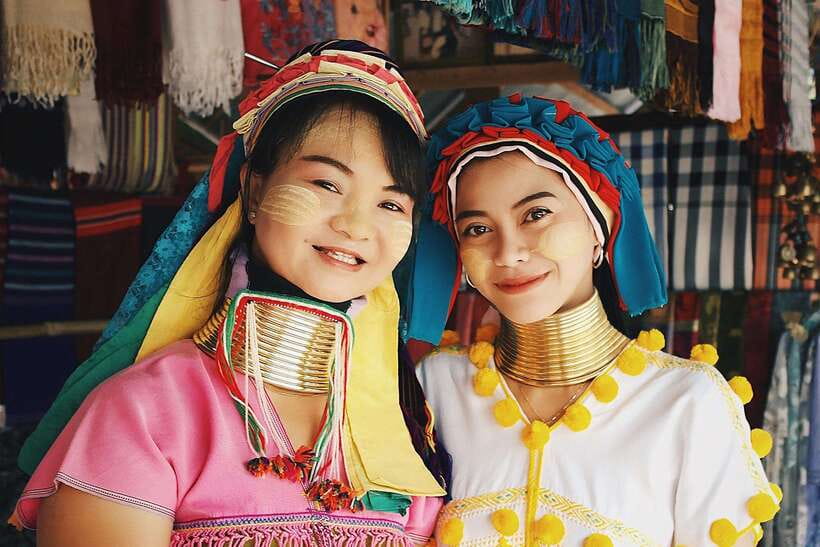
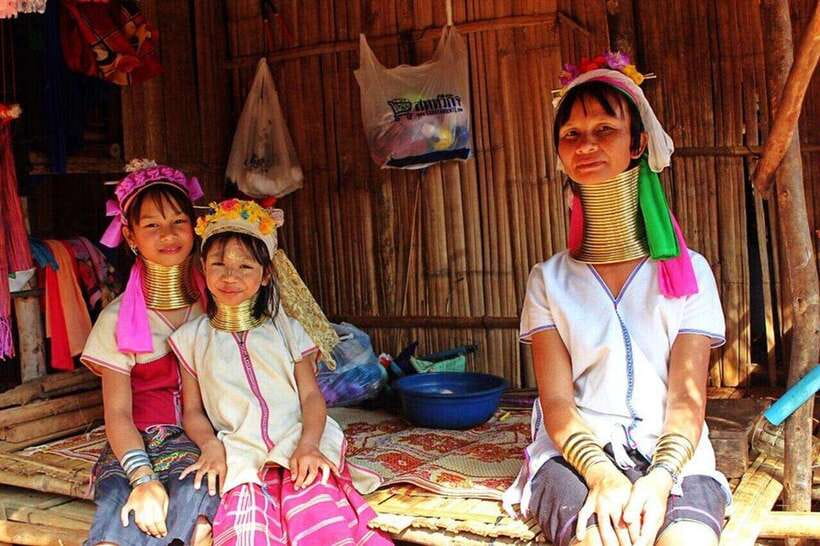
A short drive brings you to the Mae Kachan Hill Tribe and Long Neck Village. Here you learn about the Karen women who wear brass neck rings, a tradition associated with beauty and identity. The village also sells handmade crafts, including woven scarves and other items.
I suggest treating this stop as a cultural visit that calls for attention and respect, not as a quick photo opportunity. The sight of women and girls wearing the rings can feel uncomfortable or complicated. One useful approach is to read about the tradition beforehand, listen carefully to the guide, and buy a craft only if you genuinely value it.
The entrance fee is 300 THB and not included. Bring Thai baht in small notes. Buying directly from the makers can support the local community, and the woven goods may be among the most meaningful purchases of the day.
The information supplied for this tour does not promise a workshop or a formal meeting with the women. You should expect to see the village, learn about its customs, browse crafts, and take photographs where appropriate. Keep your camera respectful and ask before photographing people at close range.
A few more Chiang Mai half-days worth weighing up
- Half-Day Thai Cooking Class at Organic Farm in Chiang Mai
★ 5.0 · 19,087 reviews - Chiang Mai: Elephant Sanctuary, Waterfall & Bamboo Rafting
★ 4.9 · 9,160 reviews - Chiang Mai: Doi Inthanon National Park Eco-Friendly Tour
★ 4.6 · 6,667 reviews - Chiang Mai: Elephant Sanctuary & Waterfall Group Tour
★ 4.9 · 5,780 reviews
Wat Rong Khun, Chiang Rai’s White Temple
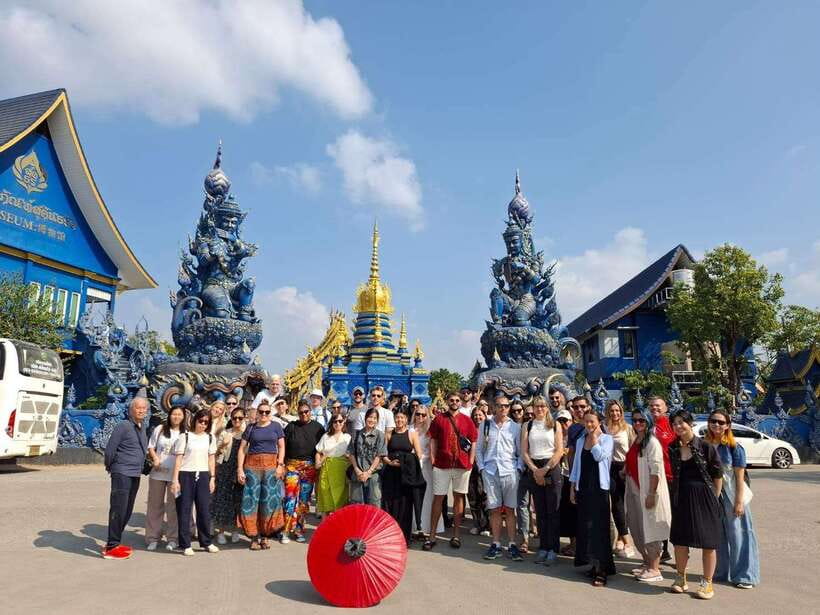
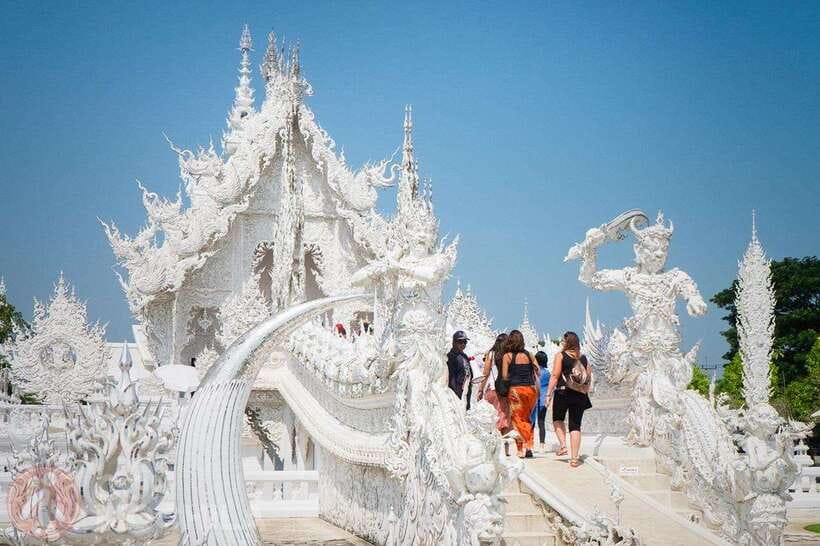
After roughly 2.25 hours of driving from the village, you reach Wat Rong Khun, commonly called the White Temple. Artist Chalermchai Kositpipat created this contemporary Buddhist complex, which uses white surfaces and mirrored glass to suggest purity and Buddhist wisdom.
The temple is unlike a traditional old Thai wat. Its sharp white forms, elaborate carvings, and reflective details create an almost otherworldly effect in bright sunlight. Inside and around the complex, classic religious subjects appear alongside surprising modern images.
That contrast is what makes the visit worthwhile. You are not simply looking at an old building with familiar decoration. You are seeing a modern artist’s interpretation of Buddhist ideas, presented with theatrical detail and a strong visual point of view.
Take your time with the smaller details. From a distance, the building looks pristine and simple. Up close, the carvings and glass work reward careful attention. The approach to the temple is also part of the experience, with symbolic imagery that can feel more dramatic than serene.
The temple is a major photo stop, but remember that it remains a religious site. Dress modestly and follow instructions about where you can walk and photograph. The entrance fee is included, which improves the value of the tour.
Lunch in Chiang Rai, with food on your own
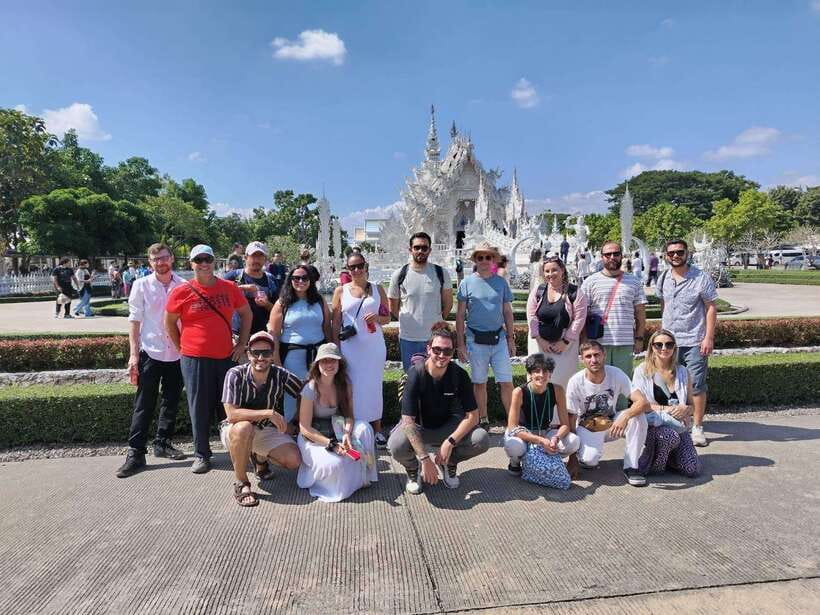
Lunch takes place in Chiang Rai Province after the White Temple. It is not included, so budget separately for your meal. The guide may suggest a restaurant, and one meal option praised by a guest was suitable for vegetarian diners.
This arrangement gives you some choice, but it also means you should carry cash. Small notes are useful because some vendors may not be able to change 500 or 1,000 baht bills. You may also find snacks, coffee, and ice cream during other stops.
Do not expect a long restaurant break. The day has several scheduled visits, and the group needs to stay on time. Eat enough to keep your energy up, especially since the final temple includes stairs and the return drive is lengthy.
Wat Rong Suea Ten, the Blue Temple
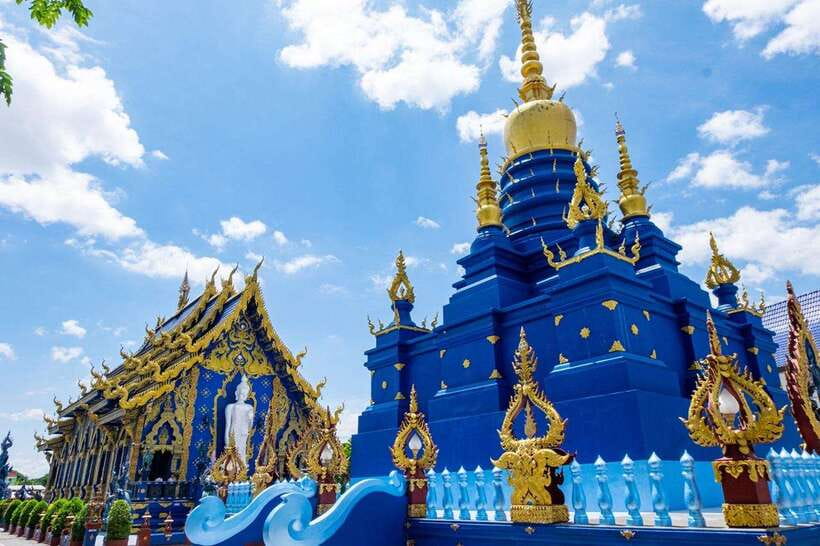
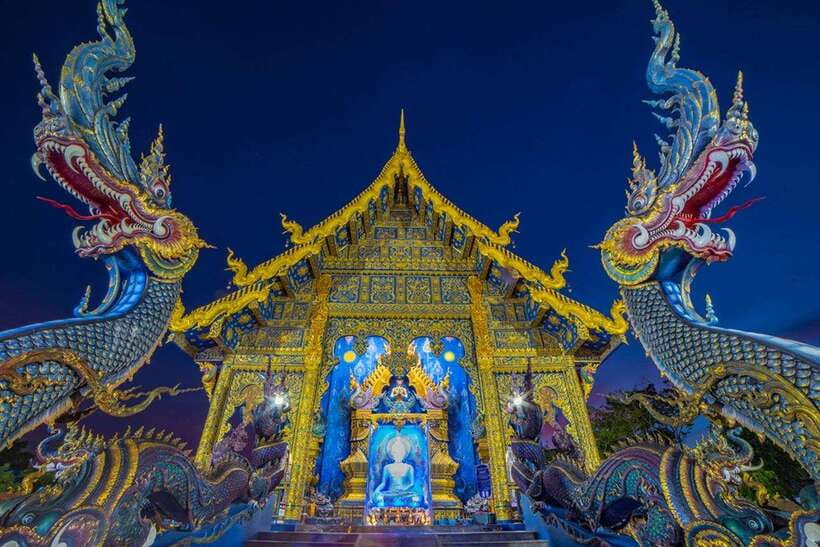
About 30 minutes after lunch, you arrive at Wat Rong Suea Ten, known as the Blue Temple. Its deep blue interior, gold trim, and large dragon figures at the entrance make a strong contrast with the White Temple.
Inside, a bright Buddha image draws the eye. The mood is more enclosed and calm than at Wat Rong Khun, although the rich blue color gives the room plenty of visual energy. Traditional Buddhist forms are combined with newer artistic choices, so the temple feels current without abandoning familiar religious symbols.
For many visitors, this is the most peaceful stop. I can understand why. The color scheme is bold outside, yet the central Buddha creates a quieter focus inside. Look up at the ceiling and around the walls rather than rushing straight to the main image.
You may also find blue coconut ice cream near the temple. It is a small but memorable treat, especially in the heat. The Blue Temple entrance fee is included.
The time here is enough for a proper visit, but it is not unlimited. Follow your guide’s meeting instructions and keep an eye on the clock. A common mistake on a busy day trip is spending too long at the first major temple and then feeling hurried later.
Huay Pla Kang Temple and the nine-tiered pagoda
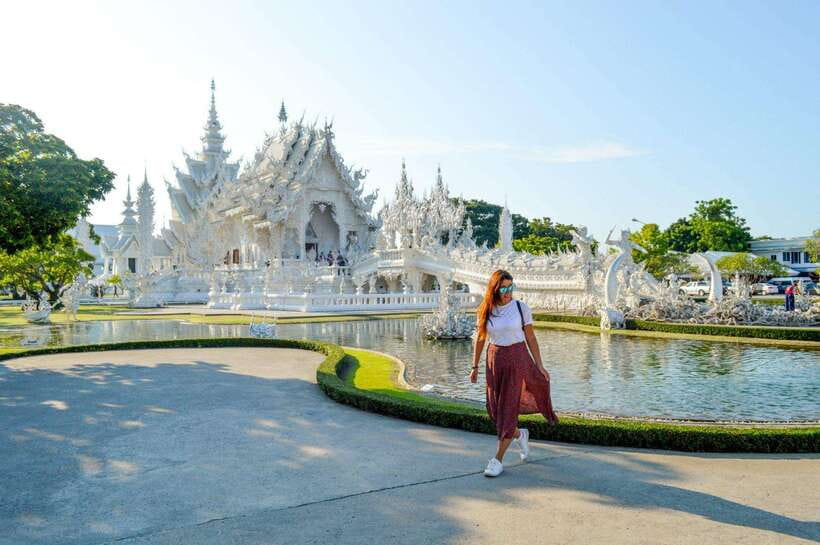
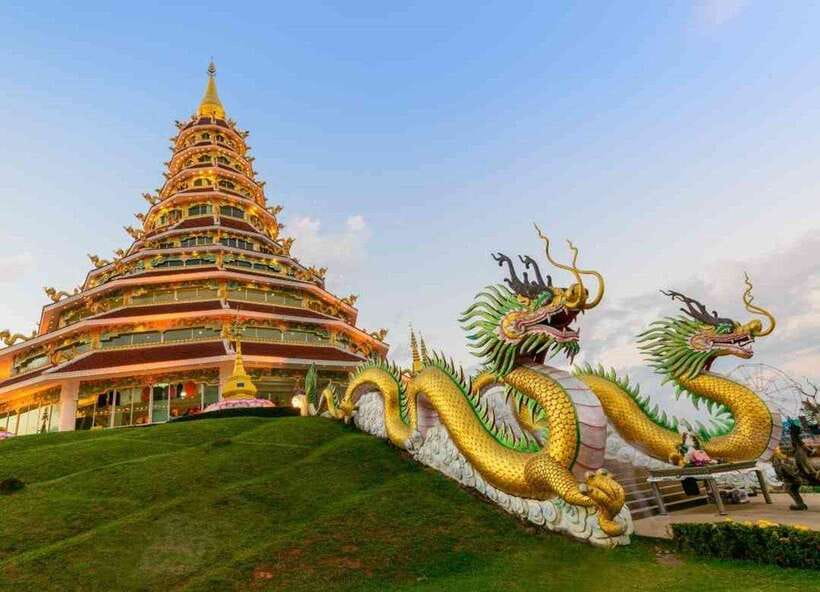
The final major stop is Huay Pla Kang Temple, sometimes described in casual comments as the red temple. It is known for a large statue of Guan Yin, the Goddess of Mercy, and an impressive nine-level pagoda.
This complex feels different again. The giant Guan Yin figure gives the site a strong visual center, while the pagoda offers carved statues and decorative details at a more human scale. If conditions and timing allow, you can climb to the upper levels for views over the surrounding area.
There are stairs, so this stop can be tiring after a full day of riding and temple visits. Some people have found they needed more time here, especially if they wanted to climb, eat, and explore the grounds. An electric vehicle may be available to assist some visitors, but the tour is not recommended for people with mobility impairments.
Budget a little energy for Huay Pla Kang. It is tempting to think of it as a final quick photograph, but the pagoda and Guan Yin statue deserve more than a hurried glance. The entrance fee is included.
Small food stalls may be available around the temple area, including inexpensive Thai dishes and snacks. Still, do not count on a full meal here. Lunch in Chiang Rai remains your main food break.
What the guides add to the day
The guide can make or break a long coach tour. The strongest part of this experience is the care shown by guides such as Benz, Ruby, Kwan, Ann, Dee, and Alex. Their approach varies, but useful features include clear timing reminders, stories about Buddhism and local customs, help with photographs, and practical suggestions for food and drinks.
Benz is especially good for travelers who enjoy humor, simple Thai phrases, and a guide who keeps checking that people are comfortable. Ruby is known for filling the long rides with facts and jokes. Kwan has helped with food choices, arranged assistance for a visitor at Huay Pla Kang, and supported someone continuing on to Chiang Rai instead of returning to Chiang Mai.
These personal touches matter on an 11-hour outing. A guide who explains when to meet, where to eat, and how to use each stop can save you from wasting precious minutes.
The official guide speaks English only, despite the broader language information shown for the activity. If you need another language, use the audio guide through the QR code. It covers 41 languages, but you must bring your own earphones.
Some commentary may be given on the bus. If you are tired or sitting far from the guide, you may miss parts of it. The audio option gives you more control, especially during the long drives.
Timing, comfort, and what to pack
The advertised duration is 11 hours, or 810 minutes, though some departures may feel closer to 12 hours once traffic and stops are counted. The route is carefully packed, but you should not expect a leisurely pace.
Bring:
- Comfortable walking shoes
- Loose, modest clothing for the temples
- Sunglasses, a sun hat, and sunscreen
- Insect repellent
- Passport or ID card
- Thai baht in small notes
- Your own earphones
- A phone charging cable
- Light snacks if you get hungry between stops
Large bags and luggage are not allowed. Alcohol and drugs are prohibited. Keep valuables close, even though you may be able to leave belongings on the bus during visits.
The tour is not suitable for people with mobility impairments. You will walk around temple grounds, manage stairs at Huay Pla Kang, and get on and off the vehicle several times.
Is $35 good value?
At $35 per person, this is a strong deal for a day that includes transport from Chiang Mai, an official guide, mandatory insurance, and entrance fees to the White Temple, Blue Temple, and Huay Pla Kang Temple.
The extras are reasonable but worth adding to your budget. Lunch is separate, as is the 300 THB long-neck village fee. Drinks, coffee, ice cream, crafts, and snacks also cost extra.
The bigger cost is your time and energy. You spend many hours on the road, and the trip cannot give every temple the attention it deserves. A private car would offer more flexibility, but it would cost more and require you to arrange the route and entrance fees yourself.
For a first visit to Chiang Rai from Chiang Mai, I think the value is very good. You get famous sights, cultural context, and a guide to handle the route. For repeat visitors or photographers who want quiet temple time, a slower private trip may suit you better.
Should you book this Chiang Rai tour?
Book it if you have one open day in Chiang Mai and want to see the White, Blue, and Huay Pla Kang temples without managing a long-distance trip yourself. It is also a good fit if you enjoy a full schedule, guided explanations, and a mix of major sights and local culture.
Think twice if long coach rides make you miserable, if you need a flexible timetable, or if climbing stairs is difficult. The Karen village may also raise ethical questions for you, so learn about the visit before booking.
For most visitors with limited time, I would consider this a practical introduction to Chiang Rai. Pack lightly, arrive early, bring small cash and earphones, and accept that the road is part of the deal.
FAQ
How long is the Chiang Rai tour from Chiang Mai?
The stated duration is 11 hours, or 810 minutes. Some experiences may run closer to 12 hours depending on traffic and the timing of each stop.
What places does the tour visit?
The tour visits Mae Kachan Hot Springs, the Mae Kachan Karen long-neck village, Wat Rong Khun or the White Temple, Wat Rong Suea Ten or the Blue Temple, and Huay Pla Kang Temple.
Is lunch included?
No. Lunch is not included, but there is a lunch stop in Chiang Rai Province where you can buy food.
How much does the long-neck village cost?
The entrance fee is 300 THB per person and is not included in the tour price.
Can I swim at Mae Kachan Hot Springs?
No. Swimming is not allowed at this stop, but you may be able to soak your feet and enjoy the surrounding area.
Are temple entrance fees included?
Yes. Entrance fees for the White Temple, Blue Temple, and Huay Pla Kang Temple are included.
What language does the tour guide speak?
The official guide speaks English only. An audio guide is available through a QR code in 41 languages.
Do I need to bring earphones?
Yes. Earphones are not included, so bring your own if you want to use the multilingual audio guide.
Where is the meeting point?
Meet the guide 15 minutes before departure at Burger King Thapae in Hotel M Chiangmai. Pickup may be available depending on the option selected, and you should wait in your hotel lobby 10 minutes before the scheduled pickup time.
Just added around Chiang Mai
- Taste of Chiang Mai: Michelin Guide & Street Food Tour★ 4.9 · 159 reviews
- Red, Blue, White Temples & Hot Spring Trip from Chiang Mai★ 4.4 · 143 reviews
- From Chiang Mai: Mae Taeng Valley and Waterfalls Cycle Tour★ 4.9 · 159 reviews
- Long Neck Village, Silver Temple & Chiang Mai Top Sites★ 4.7 · 17 reviews
- Chiang Mai: Local Northern Thai Cooking Class at Grandma’s★ 5.0 · 33 reviews
- Chiang Mai: Khum Khantoke Northern Thai Cuisine and Show★ 4.3 · 38 reviews
- Private : Sticky Waterfall & Secret Temple & Karen Village.★ 5.0 · 9 reviews
- Half-day with CHIANGMAI ELEPHANT CARE program (12pm-6pm.)★ 5.0 · 27 reviews
Chiang Mai Tours, compared.
Half-Day Thai Cooking Class at Organic Farm in Chiang Mai
Read our review →
Elephant Sanctuary, Waterfall & Bamboo Rafting
Read our review →
Cooking Class, Market & Thai Herbs Garden Tour
Read our review →
Authentic Cooking Class with Market & Farm Visit
Read our review →
Elephant Sanctuary Feeding Program Half-Day Tour
Read our review →
Browse the lists this tour appears in