
Reviewed · CHIANG MAI TOURS
Thai and Akha Cooking Class in Chiang Mai
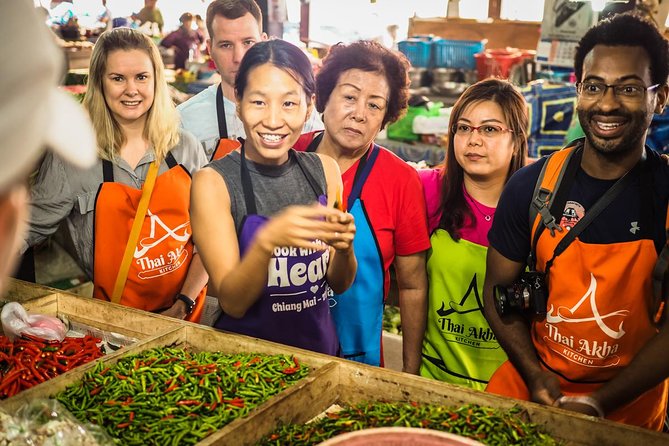
The most interesting part of this Chiang Mai class is the mix of familiar Thai dishes and lesser-known Akha recipes. You do not simply make pad Thai and green curry, then go home. You learn about Akha food, ingredients, and traditions while preparing a full meal with a small group and an instructor such as On or Niti.
I like the morning market visit, where you see and taste ingredients before they reach your chopping board. I also like the generous menu: appetizers, soup, curry, stir-fry, desserts, and Akha specialties such as Akha salad and sapi thuong, a tomato dipping sauce. The main consideration is time. At about six hours, with close to ten dishes in some sessions, this is a full food-focused day rather than a quick evening activity.
Key points to know before booking
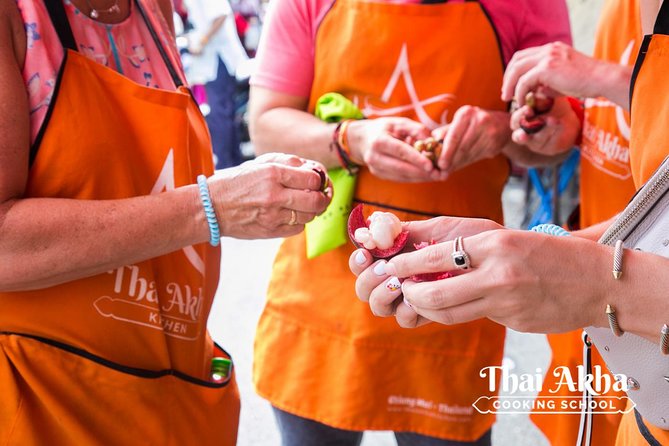
- Morning market visit: Shop for ingredients and sample local foods before class. This is offered only in the morning session.
- Two cooking traditions: Learn standard Thai dishes alongside Akha dishes and ingredients.
- Individual workstations: You cook hands-on instead of simply watching a chef demonstrate.
- Small groups: The class has a maximum of 12 people, allowing instructors to keep an eye on your work.
- A serious amount of food: You may prepare around nine to eleven dishes, so arrive hungry.
- Useful take-home materials: The fee includes a full-color cookbook, plus an Akha Hill Tribe coffee experience.
Thai and Akha cooking in one long, satisfying session
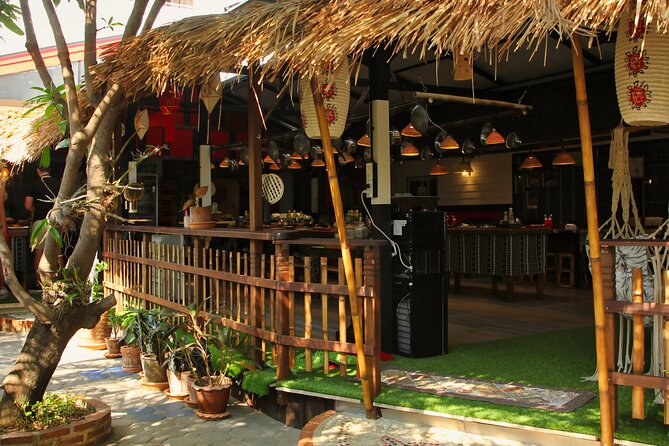
Thai Akha Kitchen gives you more than a recipe lesson. It links food with place and culture, which matters in Chiang Mai, where northern Thai cooking has its own character and Akha food adds another layer.
The class lasts about six hours, including hotel pickup and return for eligible central hotels. You work at an individual cooking station, follow step-by-step guidance, and eat what you make as the session progresses or at the end. That format keeps you active. You are not sitting at the back of a room watching someone else do the work.
The menu is unusually broad. The planned dishes include two appetizers, a soup, a curry paste, a curry, and two desserts, along with several Akha-style dishes. Depending on the session and choices offered, you may also prepare a stir-fry. Some participants describe making nine, ten, or even eleven dishes, though the exact lineup can vary.
That amount of cooking explains both the appeal and the one real drawback. You get a lot for your money, but you need to stay engaged for most of the day. If you want one easy dish and a short demonstration, this class will feel long. If you want to learn a range of techniques and sit down to a large homemade meal, the length works in your favor.
More Cooking Classes in Chiang Mai
- Half-Day Thai Cooking Class at Organic Farm in Chiang Mai
★ 5.0 · 19,087 reviews - Chiang Mai: Cooking Class, Market & Thai Herbs Garden Tour
★ 4.9 · 4,824 reviews - Chiang Mai: Authentic Cooking Class with Market & Farm Visit
★ 4.9 · 4,546 reviews
The morning market adds the local context
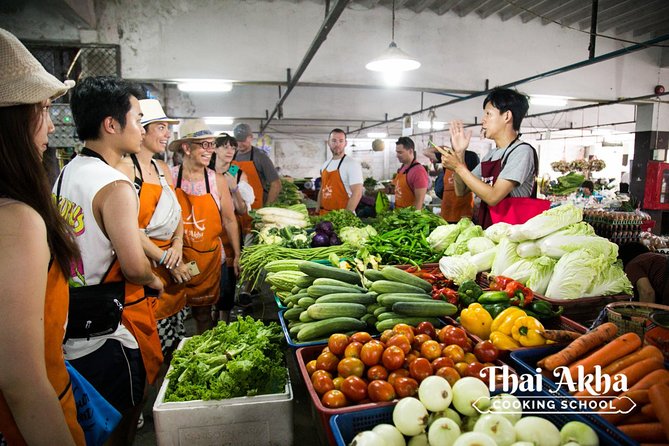
Choose the morning session if the market is important to you. After pickup, you visit a local Chiang Mai market with your instructor and look at the fresh ingredients used later in class.
This is not just a shopping stop. You see the produce, herbs, spices, and other foods before they are cleaned, chopped, or mixed into a recipe. You also get a slice of everyday life in Chiang Mai, with the sights, smells, and small food samples that make a market visit worthwhile.
The market helps answer practical questions that a recipe book cannot. What does Thai basil look like? How is green papaya sold? Which vegetables are used in northern cooking? What does a curry ingredient smell like before it is ground into a paste? An instructor can explain these details as you go.
The visit also makes the later cooking easier to understand. Instead of treating each ingredient as a mystery from a supermarket shelf back home, you have already seen its place in local food culture.
The afternoon session skips the market, so it may suit you better if you want a later start or already have morning plans. You still receive the cooking lesson, meal, coffee, cookbook, and central hotel transfer. The tradeoff is simple: morning gives you more context, while afternoon gives you a less extended schedule.
Meeting the Akha side of the menu
The Akha element is what separates this class from a standard Thai cooking course. The Akha are a hill tribe people of the region, and the lesson introduces you to their food as well as their culture.
You may prepare Akha salad, Akha soup, and sapi thuong, a tomato-based dipping sauce. These dishes offer a useful contrast to the Thai recipes. You get different combinations of herbs, vegetables, and seasoning, and you learn how local ingredients can be used in ways that may not be familiar from Thai restaurant menus.
The class also highlights special Akha ingredients. The point is not to give you a lecture, but to connect what you are cooking with the people and traditions behind it. That makes the meal feel less like a collection of tourist recipes.
The inclusion of Akha Hill Tribe coffee is another small but worthwhile touch. Coffee is included, while alcoholic drinks can be bought separately. If you are interested in food beyond the most famous Thai dishes, the Akha section gives this experience its strongest sense of place.
A hands-on kitchen with room for questions
You receive your own cooking station, and the class size is capped at 12 people. That combination matters. You can chop, pound, stir, and season your own food instead of relying on a single shared demonstration.
The instructors, including named teachers such as On, Niti, Rita, Jasmine, and Ano in different sessions, are described as clear, funny, and patient. The exact teacher depends on the day, but the teaching style appears to focus on practical guidance and keeping the group moving.
The class is organized around several dishes at once. You may be making different choices from the person beside you, yet the instructors still help everyone keep pace. That takes careful timing, especially when one dish needs a curry paste while another needs a soup or dessert.
For you, the benefit is personal attention. An instructor can correct a technique, explain a substitute, or help if you fall behind. One useful example from the class format is ingredient flexibility: a teacher may suggest using cucumber instead of green papaya when recreating a dish at home. That is exactly the kind of advice that turns a holiday lesson into something you can actually use.
The kitchen is described as bright, clean, and well stocked, with high hygiene standards. That is not glamorous, but it is important. You are handling fresh food for several hours, and a tidy station makes the work more pleasant and less stressful.
More Thai cooking classes in Chiang Mai:
- Chiang Mai: Cooking Class with Market and Pickup
★ 4.9 · 1,365 reviews - Chiang Mai: Cooking Class with Organic Farm at Mama Noi
★ 4.9 · 1,151 reviews - Full Day Thai Cooking at Farm (Chiang Mai)
★ 5.0 · 1,127 reviews - Chiang Mai: HALF-DAY COOKING COURSE at a Thai Cooking Farm
★ 4.9 · 705 reviews
What you may cook during the class
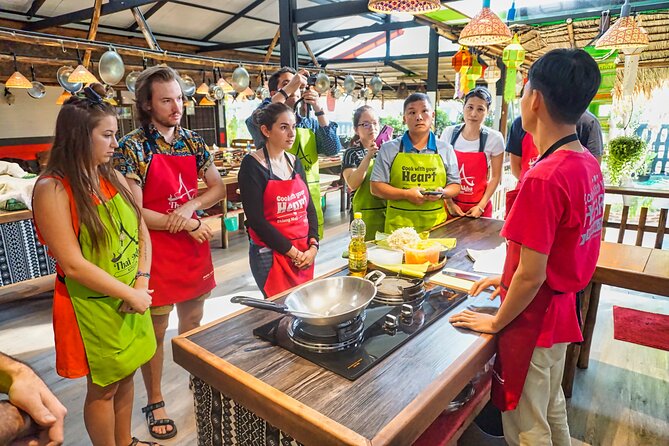
The exact dishes can vary, but the structure gives you a good idea of the range. You prepare two appetizers, a soup, a curry paste, a curry, two desserts, and Akha dishes.
The curry paste is especially useful because it shows you how flavor is built rather than simply handed to you from a jar. You learn the components and the process, then use the paste in a curry. That helps you understand the difference between Thai cooking that tastes layered and a rushed home version.
Soup gives you another set of lessons, often involving balance between salty, sour, spicy, and fresh flavors. The Akha soup adds a regional variation and helps show how nearby food traditions can differ.
Desserts keep the class from becoming an endless run of savory dishes. They also give you something sweet to finish with. The menu is designed to build skills in stages, so you are not repeating the same action all afternoon.
You should expect a large meal. Several dishes are made by you and your group, then served for everyone to enjoy. The advice to come with an empty stomach is practical, not decorative. Eating a full breakfast before the morning class could leave you struggling to keep up with the tasting and final meal.
The food is part of the lesson, not just the reward
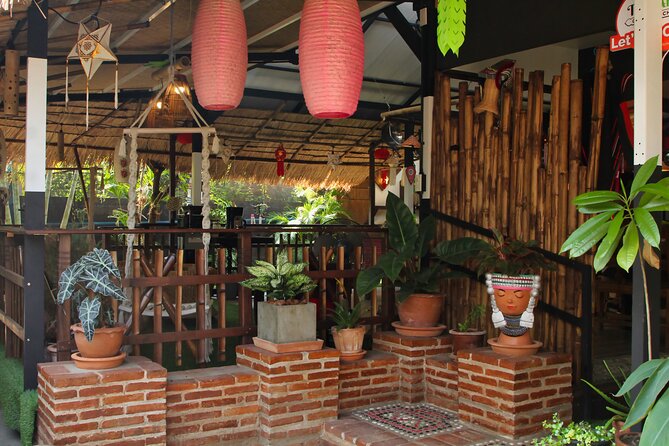
The best reason to book a cooking class is not simply that you get lunch or dinner. You get a better understanding of why the food tastes the way it does.
Here, the meal gives you a chance to compare the dishes you made and notice how different ingredients work together. You can taste the curry after preparing the paste, try the Akha dishes beside the Thai recipes, and see how the appetizers and desserts complete the meal.
The social side also matters. The maximum of 12 people makes it easy to cook alongside people from different countries without losing all contact with the instructor. The shared meal creates a natural finish, especially for families and couples who want an activity with more substance than sightseeing.
Families can take part, and the teaching is presented in a clear, entertaining way. The format has worked for groups that included a teenager and a pre-teen, as well as adults of different ages. Still, younger children who dislike long periods of kitchen work may find six hours too much.
If you do not normally enjoy cooking, you may still like this class because the work is broken into clear tasks. If you love cooking, you will appreciate having several dishes and techniques to tackle. The experience sits between a relaxed cultural outing and a proper practical lesson.
A cookbook makes the class useful after Chiang Mai
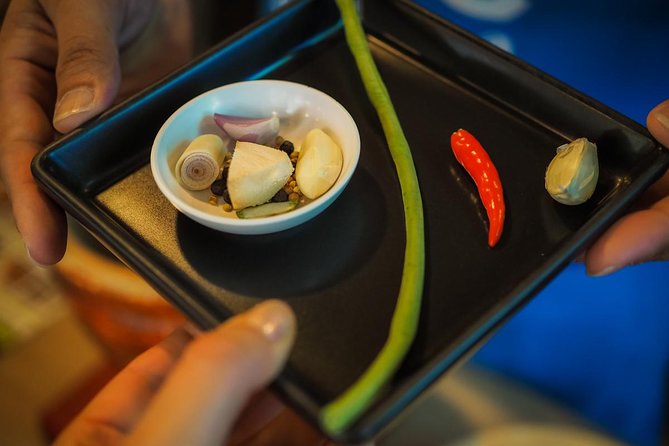
The full-color cookbook is one of the most valuable inclusions. It gives you a way to repeat the meal at home instead of leaving with only a few photographs and a vague memory of what went into the curry.
You can refer back to the recipes when Thai ingredients are unavailable. The instructors also offer practical substitutions, which helps you adapt the food to a home kitchen outside Thailand. A spice packet is also provided in some sessions, according to the class materials and participant experiences.
Do not expect every ingredient to be easy to find in your local supermarket. Some Akha or Thai items may require a specialty shop or an online source. The book still gives you a clear starting point, and the market tour helps you recognize what to look for.
I would keep the cookbook with your travel papers rather than packing it loosely in a full suitcase. It is a small souvenir, but one with more lasting value than a decorative trinket.
Price, transfers, and the practical details
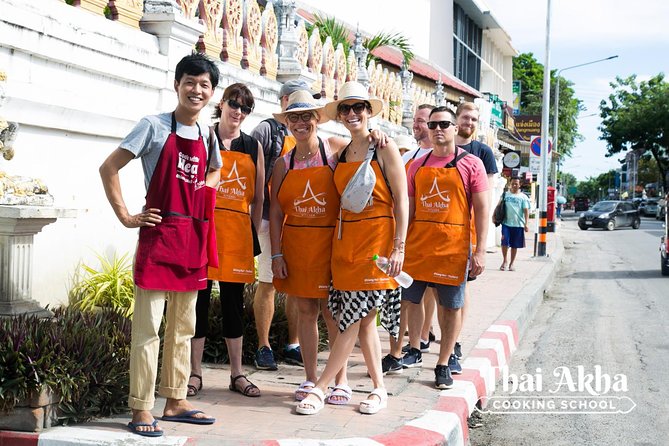
At $42 per person, the experience is good value if you take advantage of the full menu. The price covers the cooking class, your individual station, coffee, the cookbook, and hotel pickup and drop-off within 3 km of the city area.
You also receive the local market visit if you choose the morning session. That adds another substantial part to the day without a separate charge. Alcoholic drinks are not included, but they are available to purchase.
Pickup is offered from central Chiang Mai hotels, but the stated limit is within 3 km of the city area. If your hotel is farther out, you should confirm the meeting arrangement before booking. The listed meeting point is at 14/10 Soi Rat Chiang Saen 2 Ko, in Hai Ya, Chiang Mai.
The activity ends back at the meeting point. The published details also place it near public transportation. Confirmation is provided at booking, and the activity allows free cancellation up to 24 hours before the start time. Changes or cancellations inside that 24-hour window are not accepted for a refund.
The class is recommended for anyone who wants food to be a main part of the Chiang Mai experience. It is less suited to someone with a tight schedule, a small appetite, or little patience for a long sequence of kitchen tasks.
Morning or afternoon: which session fits you?
The morning session is the stronger choice for most first-time visitors. You visit the market, sample local foods, learn about the ingredients, then use that knowledge in the kitchen. The progression feels natural.
You should choose morning if you want the most complete food experience and can start the day without a heavy breakfast. It also gives you more time to connect the market, Akha culture, and cooking lesson.
The afternoon session makes sense if you prefer a later start or have an early morning temple visit planned. You lose the market tour, but you still get the central cooking experience and the same core inclusions.
The class is about six hours either way, so do not schedule a major activity immediately afterward. You may finish full, carrying a cookbook, and in no mood to rush across town.
Is the Thai and Akha Cooking Class worth booking?
Yes, if you want a substantial, hands-on food experience in Chiang Mai. The small group, individual station, and wide menu give you more practical value than a short demonstration, while the Akha dishes add a cultural angle that many Thai cooking classes lack.
Book the morning session if the local market and ingredient tasting appeal to you. Pick the afternoon session if you mainly want to cook and eat. Arrive hungry, keep your schedule open, and expect a busy six hours.
I would skip it only if you want a brief activity or dislike group cooking. For everyone else, the combination of market life, Thai and Akha food, lively teaching, and a cookbook to use at home makes the $42 fee a sensible part of a Chiang Mai visit.
FAQ
How long does the Thai and Akha cooking class last?
The experience lasts approximately six hours, including the cooking session and hotel transportation where offered.
Is hotel pickup included?
Yes. Pickup and drop-off are included for central Chiang Mai hotels within 3 km of the city area.
Does every session include a local market visit?
No. The local market tour is included only with the morning class.
How many people can join the class?
The activity has a maximum of 12 travelers.
Do I get my own cooking station?
Yes. An individual cooking station is included.
What types of food will I prepare?
The menu includes two appetizers, soup, curry paste and curry, two desserts, and Akha-style dishes such as Akha salad, Akha soup, and sapi thuong tomato dipping sauce.
Is coffee included?
Yes. Akha Hill Tribe coffee is included. Alcoholic drinks are not included, but you can purchase them separately.
Is a cookbook provided?
Yes. You receive a full-color souvenir cookbook with recipes from the session.
Can I cancel for a full refund?
You can cancel at least 24 hours before the experience start time for a full refund. Cancellations or changes made less than 24 hours before the start time are not accepted for a refund.
More Workshops in Chiang Mai
- Chiang Mai: Evening Cooking Class and Local Market Visit
★ 4.9 · 648 reviews - Cooking Class with Organic Farm in Chiang Mai at Mama Noi
★ 5.0 · 502 reviews - Evening Cooking Class in Organic Farm with Local Market Tour
★ 5.0 · 394 reviews - Tomyumthai Cooking Class in Chiang Mai
★ 5.0 · 234 reviews
Just added around Chiang Mai
- Taste of Chiang Mai: Michelin Guide & Street Food Tour★ 4.9 · 159 reviews
- Red, Blue, White Temples & Hot Spring Trip from Chiang Mai★ 4.4 · 143 reviews
- From Chiang Mai: Mae Taeng Valley and Waterfalls Cycle Tour★ 4.9 · 159 reviews
- Long Neck Village, Silver Temple & Chiang Mai Top Sites★ 4.7 · 17 reviews
- Chiang Mai: Local Northern Thai Cooking Class at Grandma’s★ 5.0 · 33 reviews
- Chiang Mai: Khum Khantoke Northern Thai Cuisine and Show★ 4.3 · 38 reviews
- Private : Sticky Waterfall & Secret Temple & Karen Village.★ 5.0 · 9 reviews
- Half-day with CHIANGMAI ELEPHANT CARE program (12pm-6pm.)★ 5.0 · 27 reviews
Chiang Mai Tours, compared.
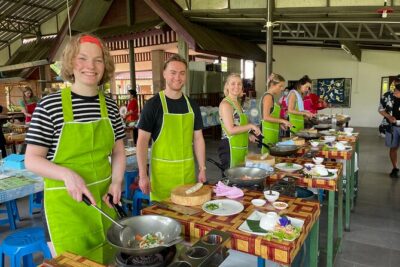
Half-Day Thai Cooking Class at Organic Farm in Chiang Mai
Read our review →
Elephant Sanctuary, Waterfall & Bamboo Rafting
Read our review →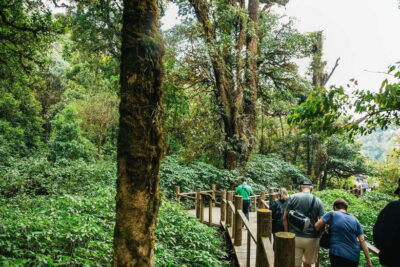


Chiang Rai Temples, Karen Tribe and Hot Springs
Read our review →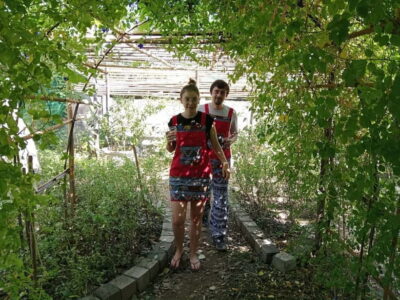
Cooking Class, Market & Thai Herbs Garden Tour
Read our review →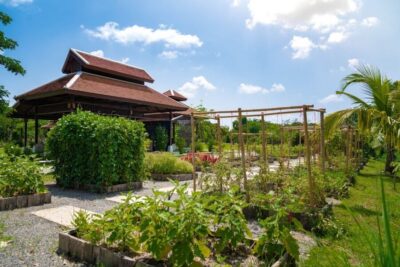
Authentic Cooking Class with Market & Farm Visit
Read our review →
Elephant Sanctuary Feeding Program Half-Day Tour
Read our review →Browse the lists this tour appears in