
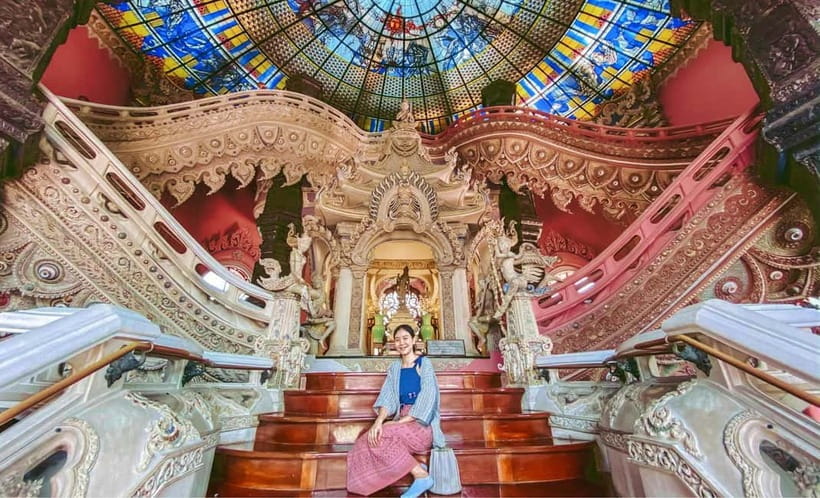
Reviewed · MUSEUMS
Samut Prakan: The Erawan Museum Admission Ticket (NON THAI)
The first thing you notice is the massive three-headed bronze elephant, perched on a globe-like base above the museum. It is more than a grand photo stop. The sculpture represents Airavata, the mythological elephant linked to the Hindu god Indra, while the museum beneath it protects a collection of Thai and Asian sacred objects.
I like two things here. First, the building gives your visit a clear theme through its three sections: Underworld, Earth, and Heaven. Second, the $12 admission includes flowers, incense, and a lotus flower, so you can take part in the respectful temple-style atmosphere rather than simply walk through a gallery. The main consideration is dress and behavior: shorts, short skirts, sleeveless shirts, food, and drinks are not allowed.
Key points to know before you go
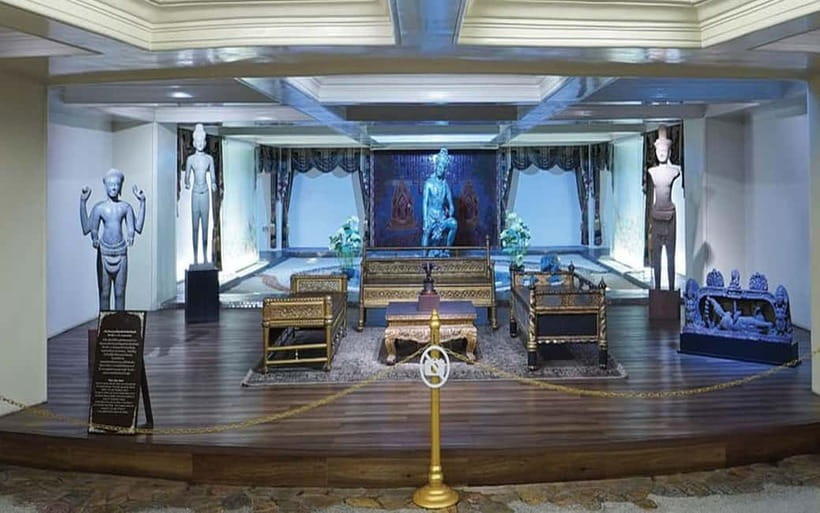
- The three-headed elephant is the main event: The bronze Airavata sculpture is built above a globe and symbolizes protection of the earth and the sacred objects inside.
- Three symbolic levels shape the visit: Underworld, Earth, and Heaven give the museum a spiritual structure rather than a standard gallery layout.
- Admission costs $12 per person: That includes entry, flowers, incense, a lotus flower, access to the surrounding museum grounds, and taxes and fees.
- The BTS makes the trip simple: Ride the Green Line to Chang Erawan Station, E17, then use the free shuttle tuk-tuk from Exit 2.
- You need modest clothing: Sleeveless shirts, short skirts, and shorts are not permitted, and quiet, respectful conduct is expected.
- Your ticket is time-specific: You can visit only on the date and at the time selected when booking.
Why the Erawan Museum looks unlike any ordinary museum
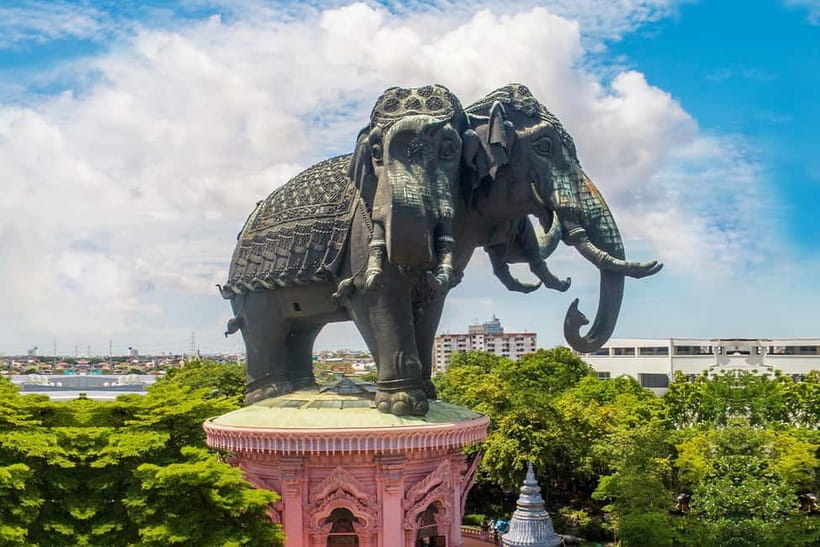
The Erawan Museum was created by Lek Viriyapant, a well-known antique collector who wanted to preserve his collection for future generations. His plan was not simply to place old objects in display cases. He wanted a building that would express the beliefs and cultural meaning attached to those objects.
The final design became a giant three-headed elephant. In Hindu mythology, Airavata serves as the vehicle of Indra. Here, the elephant also represents Thailand and protects the earth, which is shown by the globe-like sphere beneath its feet.
That idea gives the building its unusual shape and purpose. You are not entering a plain box with a large sculpture outside. The elephant, the globe, the collection, and the spiritual design all belong to the same story.
Lek Viriyapant gave the blueprint to his son, Pagpean Viriyapant, who took charge of construction. Neither father nor son lived to see the work finished. Their family continued the project, keeping the museum as a place where future generations could encounter Thai culture and remember Lek’s aims.
Even before construction was complete, people came to worship the elephant, sacred objects, and the story behind the project. That helps explain why the visit calls for quiet behavior. The building functions as a museum, but it also carries a devotional atmosphere.
More museums and galleries in Thailand:
- Samui:Elephant Jungle experience & The First Elephant Museum
★ 4.9 · 226 reviews - Chiang Mai: Art in Paradise Illusion Museum Entry Ticket
★ 4.4 · 82 reviews - Pattaya: Art in Paradise 3D Museum Discounted Ticket
★ 4.6 · 75 reviews
Reaching Samut Prakan from Bangkok
The easiest access described for this ticket is the BTS Skytrain Green Line. Get off at Chang Erawan Station, E17, and leave through Exit 2. A free shuttle tuk-tuk operates there every day.
This is useful because you do not need to arrange a private transfer just to reach the entrance. The ticket does not include transfers, though, so you are responsible for getting to the BTS station and for any transport costs before or after the shuttle.
Give yourself enough time to find Exit 2 and the shuttle pick-up point. The museum ticket is tied to the date and time you selected, so arriving at the general station without checking the time could create an avoidable problem.
The BTS route also lets you visit the museum as an outing from Bangkok rather than treating it as a full-day guided excursion. The listed validity is eight hours, but that does not mean you can arrive at any time during an eight-hour window. Your visit is limited to the specified date and time.
Starting beneath the three-headed elephant
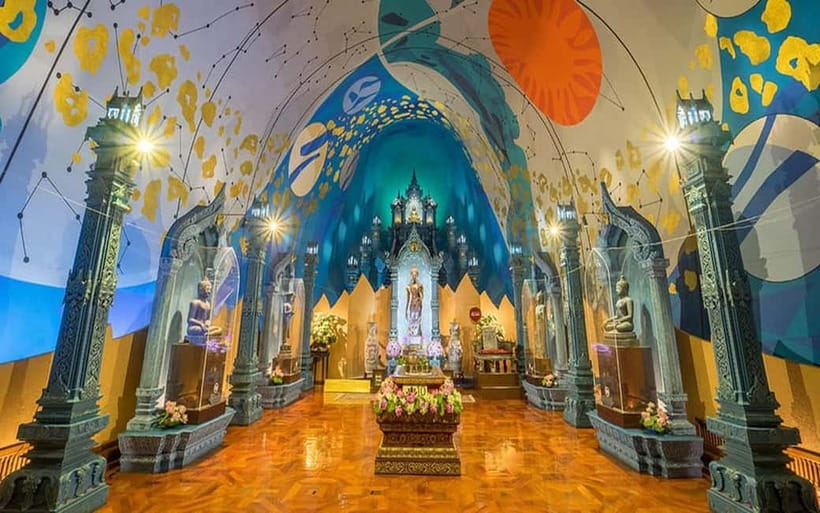
The exterior is the strongest opening to the visit. Look up at the elephant before heading inside and take time to see how the sculpture sits on its round base. The design makes the creature appear to protect the world below, an image that connects directly to the collection inside.
You will find many photo opportunities outdoors. The scale of the elephant gives you a sense of the project’s ambition, while the surrounding museum area lets you frame the building from different angles.
Photography is permitted for personal use, but commercial photography and commercial video are not allowed inside. If you are carrying a large camera setup for professional work, check the rules before shooting. For ordinary holiday photos, the key point is to be respectful and avoid turning a sacred setting into a noisy studio.
The supplied flowers, incense, and lotus flower add a small but meaningful part to the visit. They are included with admission and give you a way to show respect at the sacred displays. You should follow the tone of the space and keep your voice low.
Underworld, Earth, and Heaven
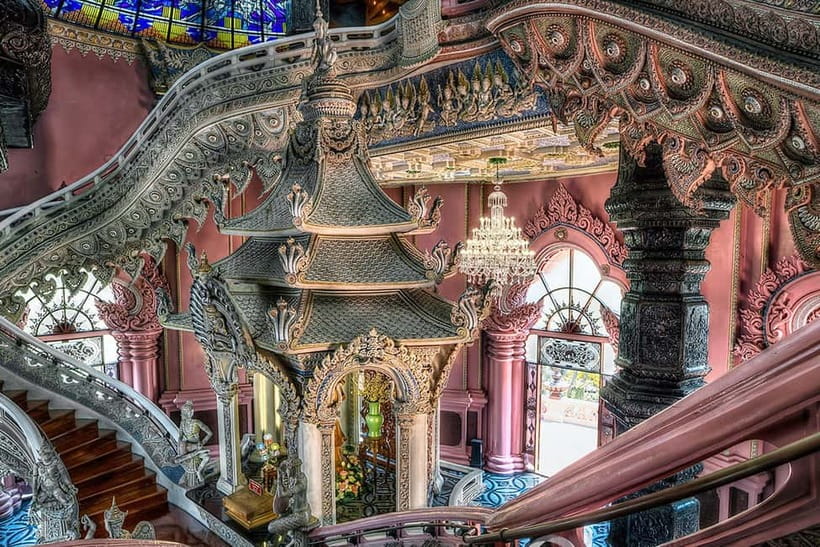
The museum is arranged around three sections: Underworld, Earth, and Heaven. These names are not just labels for separate rooms. They provide the main framework for understanding the building.
A few more Thailand half-days worth weighing up
- Bangkok: Muay Thai Boxing Tickets at Rajadamnern Stadium
★ 4.9 · 4,740 reviews - Bangkok: Mahanakhon SkyWalk Entry Ticket with Options
★ 4.6 · 4,094 reviews - Phuket: Patong Boxing Stadium Muay Thai Match Ticket
★ 4.7 · 2,203 reviews - Phuket: Andamanda Water Park Ticket
★ 4.6 · 2,062 reviews
Underworld
Underworld forms the lower part of the museum. Its place in the sequence gives the visit a sense of moving upward, from the world below toward Earth and then Heaven.
The available information does not specify every object or display in this section, so you should avoid expecting a detailed, fixed list of artifacts. What you can count on is that the area forms one part of the museum’s larger spiritual design and helps establish the journey through the building.
Pay attention to the connection between the lower level and the sculpture above. The elephant is not an isolated monument. Its globe-like base and the three-part interior are meant to work together.
Earth
Earth is the central section and the part most closely tied to ordinary human life and the museum’s collection. Lek Viriyapant wanted to protect antiques and sacred objects that people once believed could bring blessing and prosperity to their land.
That gives the displays a purpose beyond age or decoration. The objects were preserved because they mattered to communities and beliefs. As you look around, consider the collection as a record of faith, craftsmanship, and the desire to protect valuable cultural objects.
This is also a good section for taking your time. You are free to visit the areas around the museum with your admission, and the ticket is not presented as a guided tour with a fixed sequence of stops. A slower visit lets you notice the relationship between the objects and the building around them.
Heaven
Heaven completes the three-part arrangement. Reaching this section gives the museum a natural upward movement, ending with the spiritual realm above the human world.
The design is the real guide here. The museum’s meaning comes from the way its levels, elephant sculpture, globe, and sacred collection fit together. You do not need to treat the visit as a race to see every object. Let the architecture explain the concept.
If you enjoy photography, the interior offers plenty to frame. Just remember that the setting asks for restraint. Take personal photos and videos where permitted, keep quiet, and do not treat worship areas as props.
What the $12 admission includes
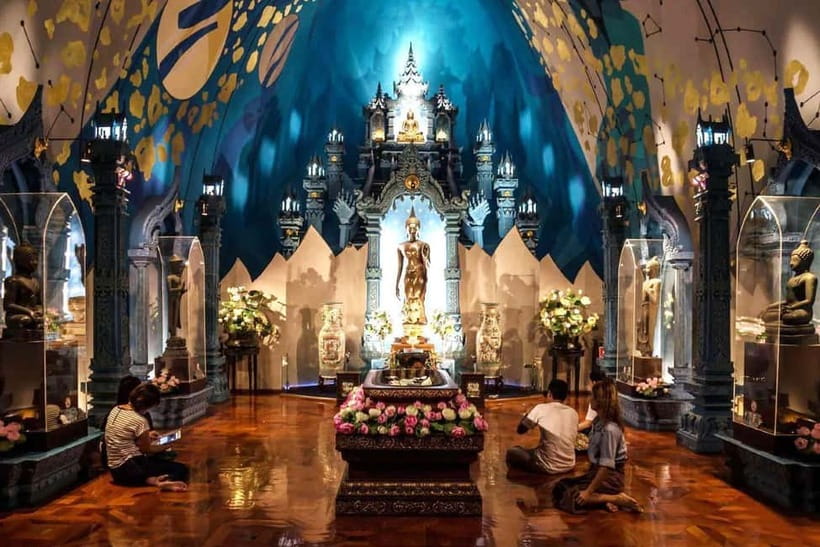
At $12 per person, the ticket is reasonably priced for a distinctive museum visit near Bangkok. You are paying for entry to a large architectural attraction, access to the surrounding museum areas, and the chance to see a collection presented in a purpose-built cultural setting.
The included items are:
- Admission to the Erawan Museum
- Flowers
- Incense
- A lotus flower
- Access to the areas surrounding the museum
- All taxes and fees
The flowers, incense, and lotus flower make the price more useful than a basic building-entry fee. They are not expensive extras, but they support the respectful character of the visit.
The ticket does not include transfers or personal expenses. Plan for your own journey to the BTS station and anything you buy during the day. Food and drinks are not permitted inside, so do not count on eating as part of the museum visit.
Skip-the-line access is included. That matters most if you have a busy Bangkok schedule, though you still need to arrive during the booked date and time.
Dress rules and respectful behavior
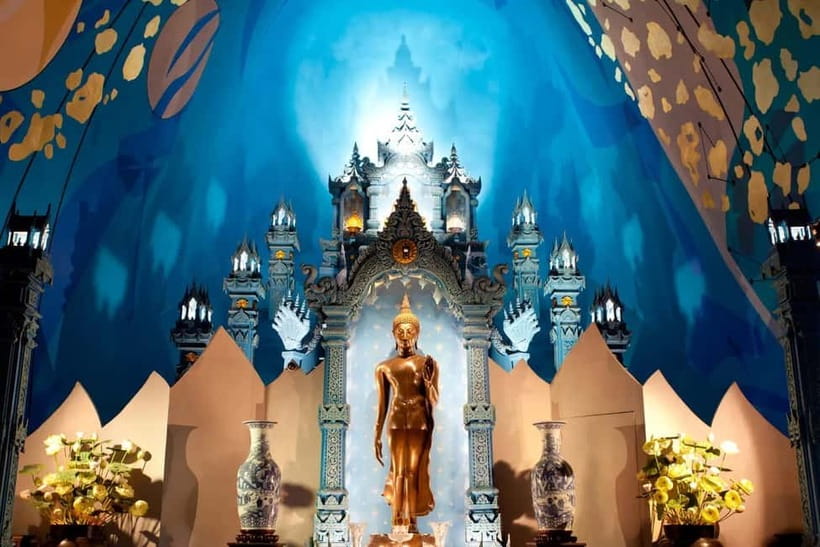
Dress modestly before you leave for the museum. Shorts, short skirts, and sleeveless shirts are not permitted. This is a simple rule, but it can catch you out if you are planning a hot-weather day in Bangkok.
Food and drinks are not allowed. Pets are also not permitted, and alcohol and drugs are prohibited. The museum asks you to remain quiet and respectful, which fits the building’s religious purpose.
The best approach is to dress as you would for a temple visit. Cover your shoulders and knees, avoid loud behavior, and handle the included flowers and incense with care. These small choices make the visit more comfortable for everyone and show respect for the beliefs connected to the objects.
Commercial photography and video are not permitted inside. Personal photographs are a major part of the attraction, especially because both the elephant and the interior offer strong visual subjects. Keep your camera use personal and follow any instructions given on site.
How long to allow for the visit
The activity is listed with eight-hour validity, but the ticket itself is for a specified date and time. That wording matters. You are not buying an open ticket that can be used whenever you happen to reach Samut Prakan.
The actual time you spend inside will depend on how closely you study the collection and how many photographs you take. The information provided does not give a fixed visit length, so I would treat the museum as a focused stop rather than assume it fills the entire eight-hour period.
You can build a larger day around the BTS journey, but this admission covers the Erawan Museum and its surrounding areas only. The free shuttle tuk-tuk from Chang Erawan Station makes the arrival easier, while the lack of included transfers means you should plan the rest of the day yourself.
Who will enjoy this museum most
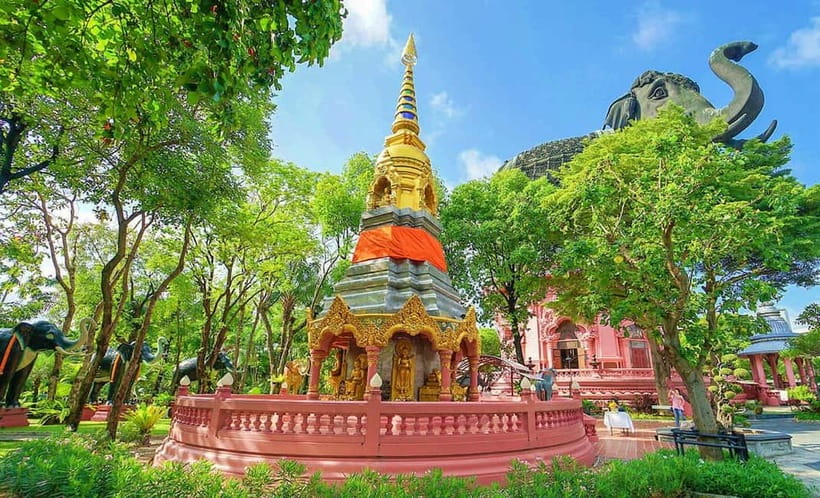
I would recommend the Erawan Museum to you if you like unusual buildings, symbolic art, Thai culture, and places where architecture carries as much meaning as the objects on display.
It also suits photographers who want strong exterior and interior subjects. The giant elephant is the obvious frame, but the three-level concept gives you more to think about than a single monument visit.
Families may appreciate the clear visual focus of the elephant, though every visitor must follow the quiet and respectful rules. Anyone looking for a loud, casual attraction with food stalls and free-form wandering should choose something else.
This is also a good choice if you are staying in Bangkok and want an outing that is easy to reach by public transport. The BTS Green Line and free shuttle reduce the need for a taxi, while the $12 price keeps the visit within a moderate sightseeing budget.
What may not suit you
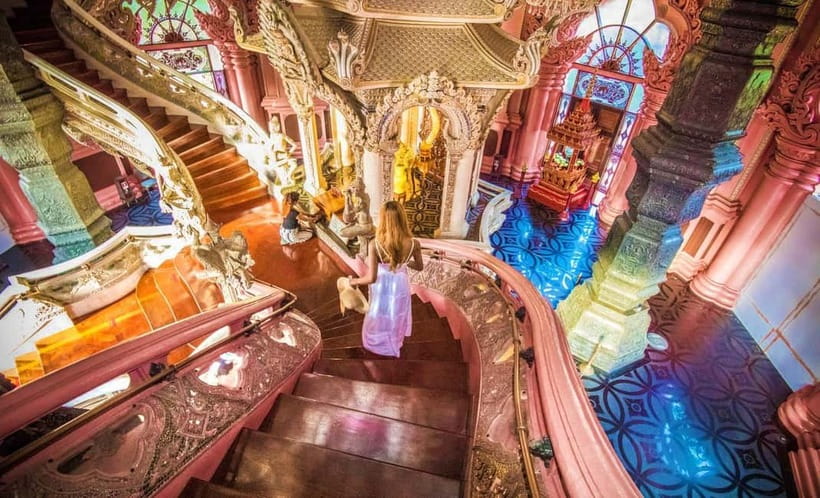
The museum may disappoint you if you want a conventional art gallery with detailed guided explanations at every display. The information provided focuses on the building, its symbolism, and the collection’s preservation, not on a named guide or a scheduled guided tour.
You also need to accept the restrictions. The clothing rules are firm, food and drinks are banned, and quiet behavior is expected. That is appropriate for the setting, but it may feel limiting if you are planning a relaxed stop between meals or wearing light summer clothes.
Finally, the ticket’s fixed date and time require attention. Free cancellation is available up to 24 hours before the visit for a full refund, and you can reserve now and pay later, but once your plans are set, you still need to arrive for the booked slot.
Should you book the Erawan Museum ticket?
Book it if you want a visually striking cultural stop that you can reach by BTS, and if the idea of seeing a giant Airavata-inspired elephant above a three-part museum appeals to you. The $12 price is fair, especially with the admission, surrounding areas, flowers, incense, lotus flower, taxes, and skip-the-line access included.
I would skip it if you want a long guided program, included transport, or a casual place where you can eat and dress for the beach. For the right visitor, though, this is an easy, memorable addition to a Bangkok itinerary, with enough symbolism and architecture to make it more than a quick photograph.
FAQ
Where is the Erawan Museum?
The Erawan Museum is in Samut Prakan, in Central Thailand.
How much does admission cost?
Admission costs $12 per person.
How do I reach the museum by BTS?
Take the BTS Skytrain Green Line to Chang Erawan Station, E17. Exit at Exit 2, where a free shuttle tuk-tuk operates every day.
Is transportation included in the ticket?
No. Transfers are not included, although the museum can be reached using the free shuttle tuk-tuk from Chang Erawan Station Exit 2.
What does the admission ticket include?
It includes museum admission, flowers, incense, a lotus flower, access to areas surrounding the museum, and all taxes and fees.
Can I visit at any time on my selected date?
No. You can visit only on the specified date and time selected when booking.
How long is the ticket valid?
The activity is listed as valid for eight hours. Your visit still follows the date and time selected during booking.
What clothing is required?
You should dress modestly. Shorts, short skirts, and sleeveless shirts are not permitted.
Can I bring food, drinks, or pets?
No. Food, drinks, pets, alcohol, and drugs are not permitted.
Can I take photographs inside?
Personal photographs and videos are allowed, but commercial photography and commercial video are not permitted inside the museum.
Just added around Thailand
- Bangkok to Ayutthaya Lopburi Monkey Temple, Largest Buddha Tour★ 5.0 · 62 reviews
- Baiyoke Sky Dinner Experience with Observation Deck Access★ 3.5 · 57 reviews
- Bangkok Luggage Delivery from Hotel to Airport★ 5.0 · 25 reviews
- Living Green Elephant Sanctuary Tour from Bangkok and Pattaya★ 5.0 · 88 reviews
- Bangkok Luggage Storage★ 4.5 · 37 reviews
- Living Green Elephant Sanctuary Experience near Bangkok & Pattaya★ 5.0 · 76 reviews
- Ethical Elephant Watching Tour From Bangkok & Pattaya★ 4.5 · 9 reviews
- King Power MahaNakhon SkyWalk at Bangkok Admission Ticket★ 4.0 · 37 reviews
Museums, compared.
Elephant Jungle experience & The First Elephant Museum
Read our review →
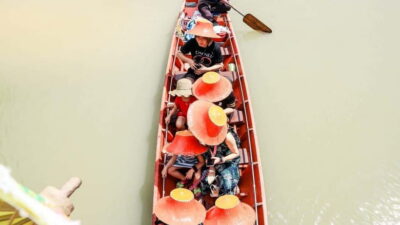
Buddha, Floating Market, Gems Museum Tour & Lunch
Read our review →
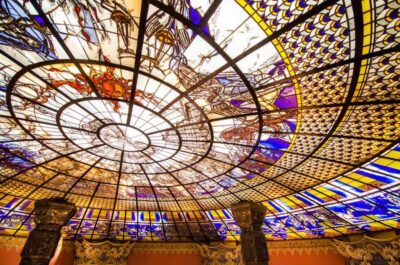
Samut Prakan: Erawan Museum Discounted Admission Ticket
Read our review →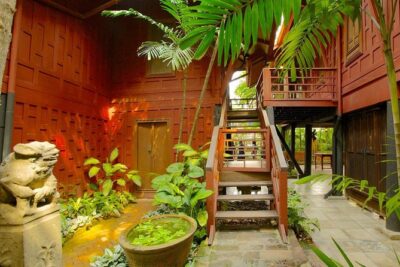
Jim Thompson’s House and National Museum Bangkok (Phranakorn)
Read our review →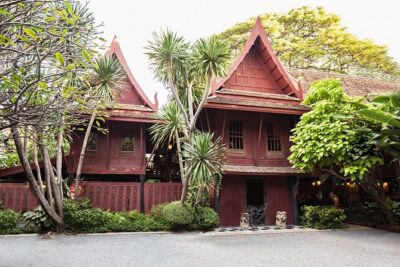
Jim Thompson House Museum Entrance Ticket & Hotel Pick up
Read our review →Browse the lists this tour appears in