
Reviewed · CHIANG MAI TOURS
Spiritual Sunrise Wat Doi Suthep, Pha Lat, Alms & Meditation
Chiang Mai’s most meaningful temple visit begins before the city wakes. You ride up Doi Suthep in the dark, hear monks chanting, watch the sun rise over Chiang Mai, and take part in a carefully explained alms offering. The former-monk guide is the real key: James, Non, Tu, Blue, and others bring personal insight into monastic life rather than just reciting dates.
I like the quiet timing and the three very different temples. I also like that food, temple admission, transport, and the alms offering are included, so the morning feels easy to manage. The catch is the 5:00 am pickup, and the meditation may be shorter than you expect or changed on a special monk holy day.
Key points at a glance
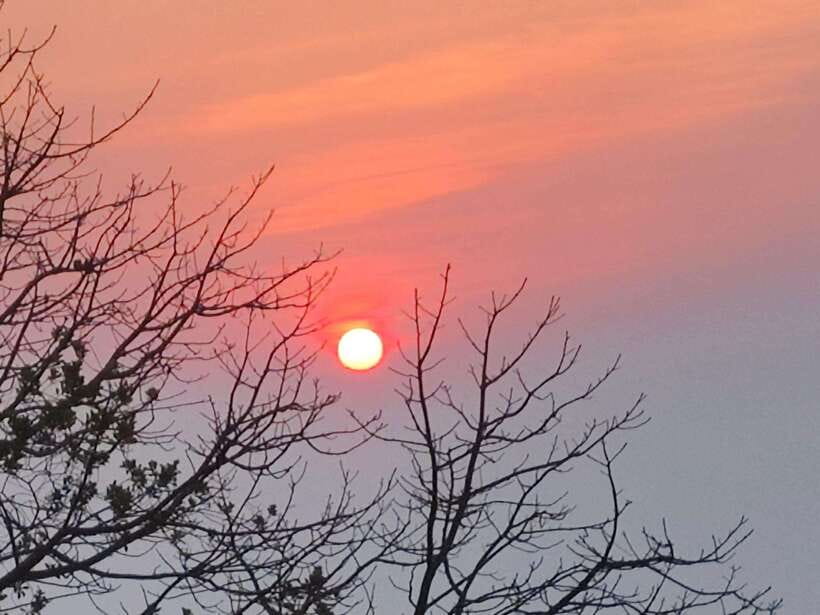
- Sunrise before the crowds: Reach Wat Phra That Doi Suthep early, when the temple bells and mountain air matter more than the usual sightseeing rush.
- A former monk leads the morning: Guides such as James, Non, Tu, Blue, and Tom explain Buddhist customs from personal experience.
- Alms with context: You receive food to offer monks and learn how to take part respectfully in a Thai Buddhist custom.
- Three contrasting temples: See the gold-topped Doi Suthep, jungle-set Wat Pha Lat, and the quiet tunnels of Wat Umong.
- Breakfast is part of the rhythm: After the sunrise and ceremony, sit down to a local Chiang Mai dish such as khao soi.
- Small and practical: The group is limited to nine, with air-conditioned SUV or van transport and three central pickup points.
Why this dawn tour feels different
Many temple visits in Chiang Mai are mainly visual. You arrive, take photographs, walk around, and leave. This morning has more texture because you see the temples during working hours, when monks chant, prepare for the day, and receive food.
The experience is not a formal retreat. You will not spend hours in silence or receive an advanced course in meditation. Instead, the guide gives you a short, approachable introduction, explains what is happening, and helps you join selected customs without guessing what to do.
That distinction matters. I like tours that let you participate while keeping the focus on respect. Here, the ceremony is not treated as a performance. You are shown how the alms offering works, why it matters, and how to behave inside an active Buddhist temple.
Your guide may be James, Non, Tu, Blue, Tom, Som, or another former monk. The guides have served as monks for periods ranging from about 8 to 20 years, according to the information provided for the experience. Their personal stories are often more useful than a standard lecture because you can ask what daily monastic life is actually like.
English ability can vary by guide. Most of the available comments praise the guides for clear explanations, warmth, humor, and good photo help. One account found Blue’s accent difficult at times, so do not assume every explanation will sound equally easy to follow. The guide’s personal experience remains the main strength, but you may need to ask for a repeat now and then.
More Doi Suthep and Doi Inthanon days:
- Chiang Mai: Doi Inthanon National Park Eco-Friendly Tour
★ 4.6 · 6,667 reviews - Chiang Mai: Doi Suthep and Wat Umong Enchanting Evening Tour
★ 4.6 · 1,811 reviews - Doi Inthanon Waterfall and Royal Project Chiang Mai
★ 5.0 · 1,735 reviews
The 5:00 am start and ride up Doi Suthep
Pickup is arranged from three central points: Hotel M Chiang Mai opposite Thapae Gate, the main entrance of Wat Chedi Luang opposite 7-Eleven, or Chang Phueak Gate on the north side of the old city. You should confirm the exact time by message or email and provide a WhatsApp number if possible.
The drive toward Doi Suthep takes about 45 minutes by SUV. Groups of 5 to 7 use an air-conditioned SUV, while larger groups of 10 to 14 use a VIP van. The advertised group limit is nine, so the exact vehicle arrangement may depend on the day’s bookings.
The early hour is not a minor detail. You will probably be leaving your hotel while Chiang Mai is still dark, and winter mornings from December to February can feel surprisingly cold on the mountain. Bring a jacket. During the July to October rainy season, bring an umbrella as well.
I see the early start as the price of admission to the best part of the morning. Arriving at Doi Suthep after the main rush changes the mood entirely. You get cooler air, softer light, and more room to listen before the temple fills.
Wat Phra That Doi Suthep and the 306 steps
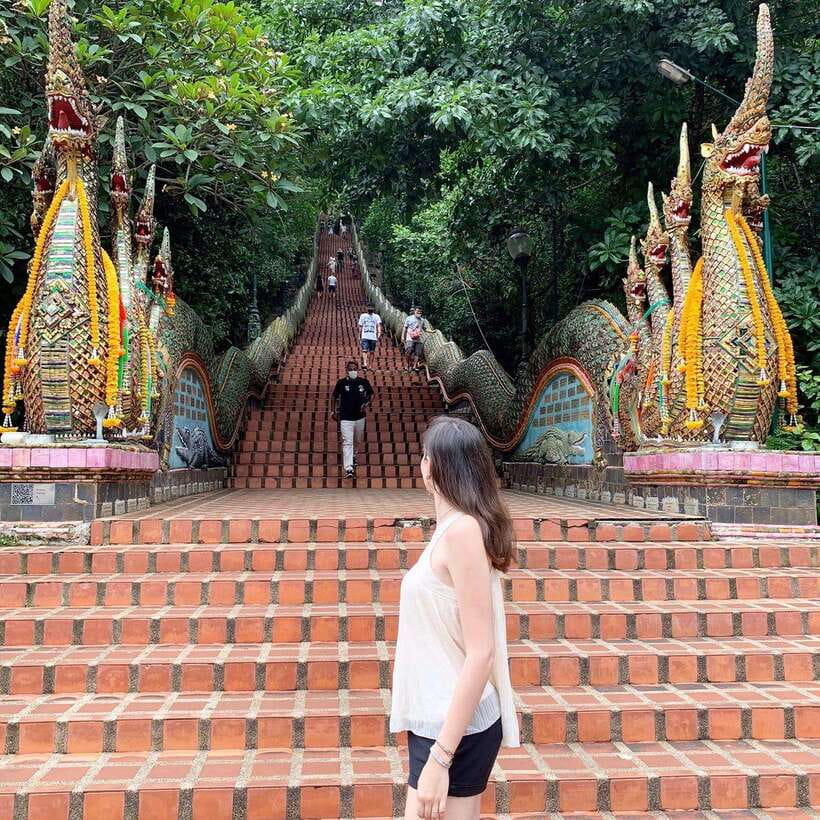
Wat Phra That Doi Suthep is Chiang Mai’s signature temple, set high above the city. The approach gives you two choices: walk the 306 naga-lined steps or take the tram. The steps are described as fairly manageable, but the decision depends on your fitness, sleep level, and how much energy you want for the rest of the morning.
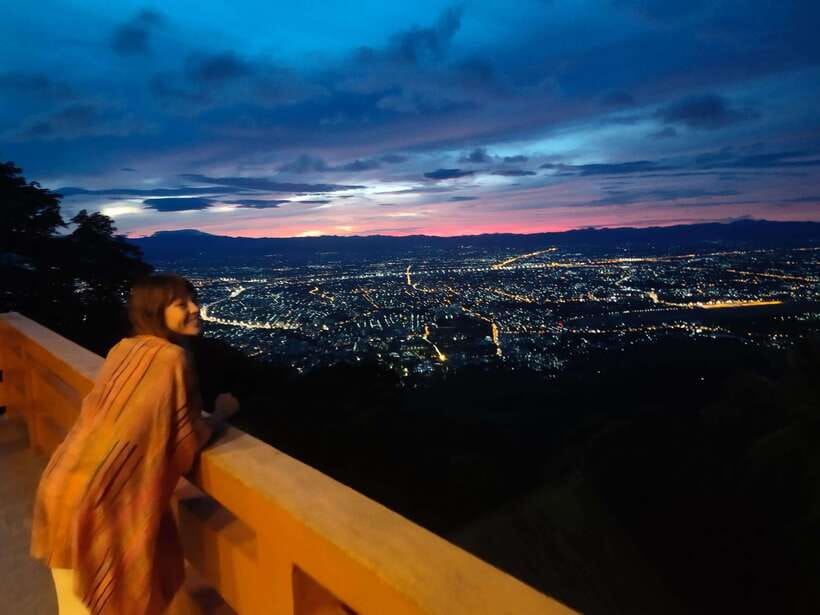
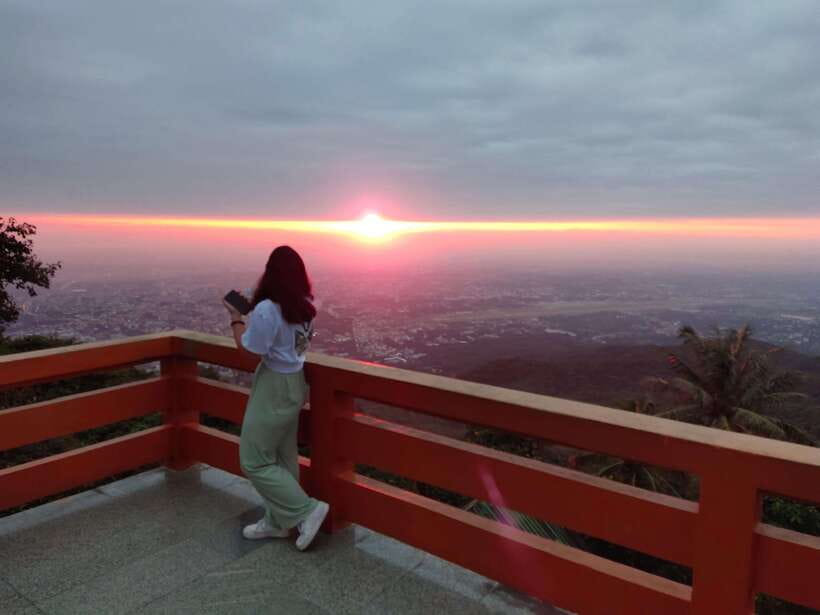
At the top, the gold-covered pagoda catches the first light. The viewing platform looks toward Chiang Mai and the surrounding mountains, and sunrise can be beautiful when the sky is clear. Clouds and haze can soften the view, so the colorful sky is a possibility rather than a guarantee.
The guide leads you through the temple grounds and explains the Buddhist customs you are about to see. You may light candles, make a flower offering, or take part in other small acts of devotion, depending on the morning’s arrangements.
The most memorable moment for many people is the sound of the monks chanting. The temple is not yet operating at full daytime speed, and you can sit nearby for a short period of meditation. One detailed account estimated about five minutes of meditation, with more time spent listening, walking, and hearing the guide.
That is worth understanding before you book. The title may suggest a long meditation session, but the actual experience is a brief introduction set within a larger temple visit. On a monk holy day, the plan can also change, and meditation may not happen. The tour still continues, but flexibility is part of visiting a living religious site.
Alms giving and the morning blessing
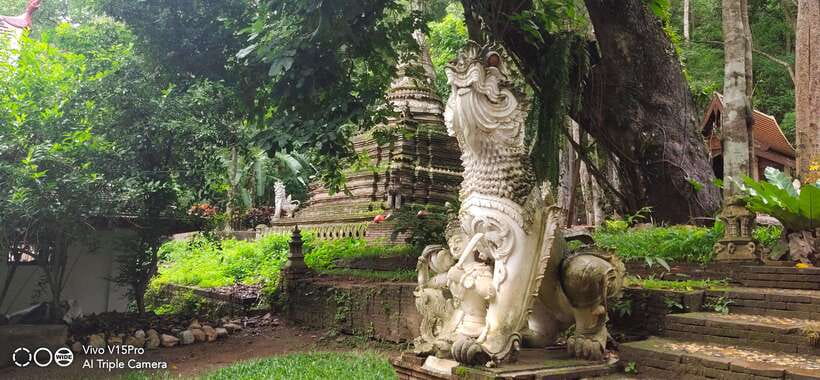
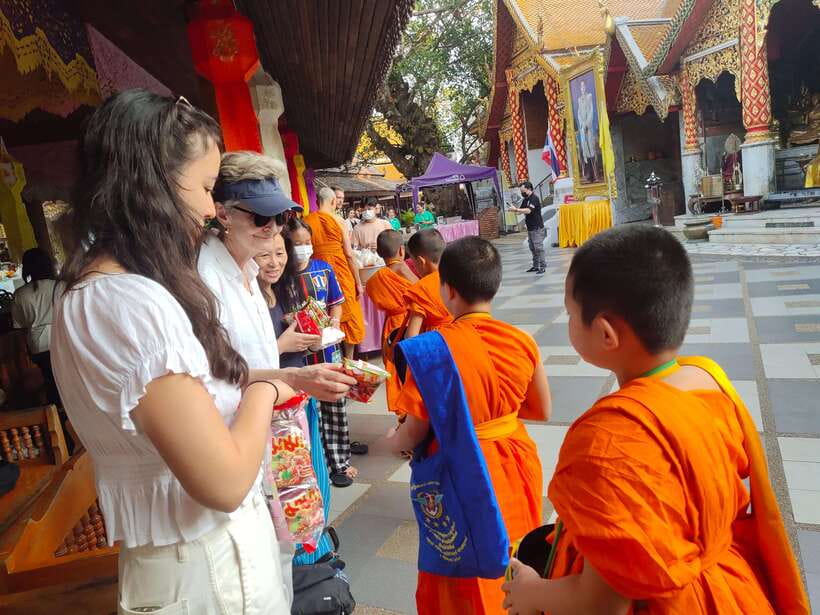
The alms offering is the most hands-on part of the morning. Food is provided for you to offer to Buddhist monks, so you do not need to shop for supplies beforehand. The guide explains the Thai way to participate and helps you avoid treating the ritual like a photo opportunity.
You then receive a blessing in return, described as a wish for good fortune, safety, and prosperity. The meaning is personal, but the setting makes the act feel more serious than a routine sightseeing stop. You are joining a daily practice that connects the temple, monks, and local community.
Listen closely to the guide before stepping forward. Dress modestly, keep your movements calm, and follow the group’s lead. Photography is part of the morning, but I would put the camera down during the offering itself unless the guide indicates otherwise.
Several guides also take photographs for the group. That is useful here because you can pay attention to the chanting and offering instead of trying to document every second yourself. It also helps at the sunrise viewpoint, where the guide knows where to position people for views and group pictures.
More early starts in Chiang Mai:
- Chiang Mai: Doi Suthep, Wat Umong, and Pha Lat Sunrise Tour
★ 4.7 · 1,425 reviews - Wat Phra That Doi Suthep spiritual Sunrise Tour with an Ex-monk
★ 5.0 · 798 reviews - Half Day Morning Wat Pha Lat & Wat Phra That Doi Suthep Tour
★ 4.8 · 269 reviews - Chiang Mai: Historic Old City Bike Tour – Morning or Night
★ 4.7 · 263 reviews
Local breakfast after the ceremony
After the mountain temple, you stop for a local breakfast. The meal may include khao soi, Chiang Mai’s famous curry noodle dish, or another local Thai option.
This is a welcome pause after the early start. You have been awake for hours, and a proper meal makes the second half of the tour much more enjoyable. The breakfast is not presented as a luxury restaurant experience, but it adds real value to a tour that begins before dawn.
Food for the alms offering, breakfast, drinking water in the vehicle, temple admission, and transport are included. Soft drinks, alcohol, and personal expenses are not included. In practice, you mainly need cash for anything extra and a little flexibility if you want to buy something along the way.
Wat Pha Lat, Chiang Mai’s forest temple
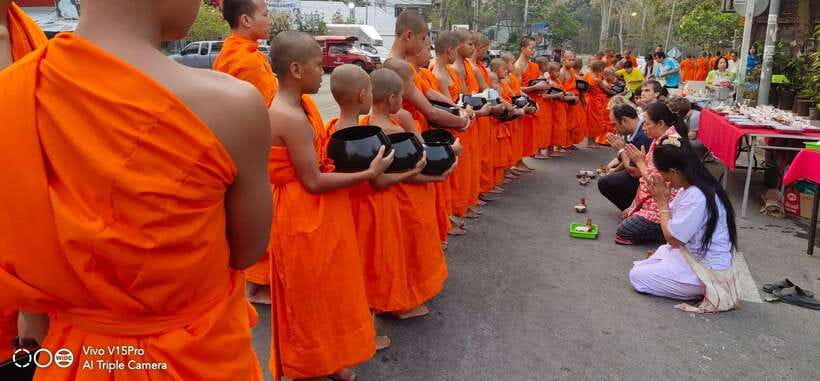
Wat Pha Lat is reached after Doi Suthep and feels completely different from the gold temple above. It is framed by trees and old stonework, with a quieter, more secluded atmosphere. The site combines Lanna and Myanmar architectural features, giving you forms and details that do not look like a repeat of Doi Suthep.
The temple’s setting is the attraction. You may see old pagodas, carved figures, waterfalls, and greenery around the paths. It is a good place to slow down after the ceremony and notice small details rather than chase another grand viewpoint.
The stop is scheduled for about an hour, though the exact time can feel brief if you want to explore the monk trail or linger near the water. One useful point for planning is that Pha Lat is often the temple people most want to revisit. If you love forest paths and quiet ruins, you may wish you had more time here.
Still, the shorter visit has a purpose. The tour is trying to show you three distinct sites in one morning, and Pha Lat works as a calm middle chapter between the busy landmark and the tunnel temple. Your guide’s explanations about the temple’s architecture and religious use help make the stop more than a quick photograph.
Wat Umong and its old tunnels
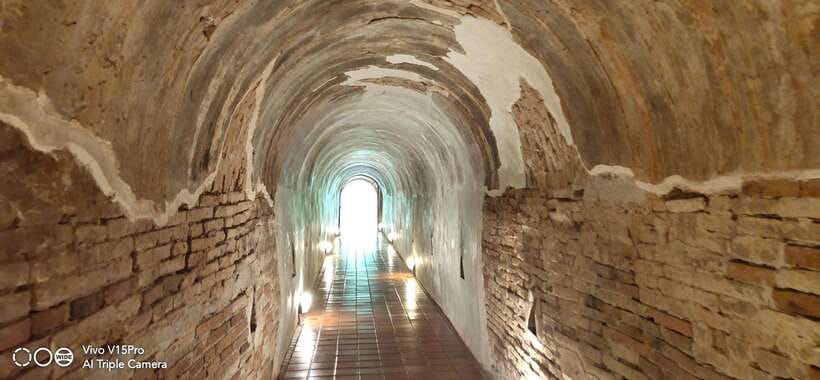
The final temple is Wat Umong, often called the underground temple because of its tunnel network. The site is known for its peaceful setting and the tunnels where forest monks once took shelter during the rainy season.
The tunnels give this stop a different mood from both Doi Suthep and Pha Lat. You move from a mountain shrine with broad city views to a shaded place built for quiet and retreat. The surrounding grounds are also part of the appeal, with space to pause and absorb the morning.
The guided visit lasts about 40 minutes. That is enough to understand why Wat Umong is unusual, but not enough for a long, unhurried wander through every corner. I would treat it as a focused introduction rather than a full temple exploration.
Together, the three stops form a strong progression. Doi Suthep gives you ceremony, sunrise, and the famous gold pagoda. Pha Lat gives you forest architecture and stillness. Wat Umong gives you tunnels and a retreat-like atmosphere. Each stop earns its place, even though none is designed as a very long independent visit.
Is $59 a fair price?
At $59 per person, this is not the cheapest way to visit Chiang Mai’s temples. You can visit some temples independently for much less, especially if you are comfortable arranging transport, finding breakfast, and learning the customs yourself.
The value comes from the timing and access to explanation. Your fee covers an early-morning vehicle, an English-speaking former monk guide with a TAT license, admission fees, alms food, breakfast, unlimited bottled water in the vehicle, and return transport. You are also paying for a carefully timed route that gets you to Doi Suthep before the main crowds.
I think the price makes more sense if you want cultural context and do not want to manage a 5:00 am departure on your own. It is less compelling if you mainly want photographs or if you prefer spending a full morning at one temple.
One person felt the cost was high compared with other local prices, while still finding the morning special. That is a fair assessment. The experience offers strong value for a first visit, but you should not book it expecting a slow retreat or a bargain transport service.
Clothing, comfort, and who should book
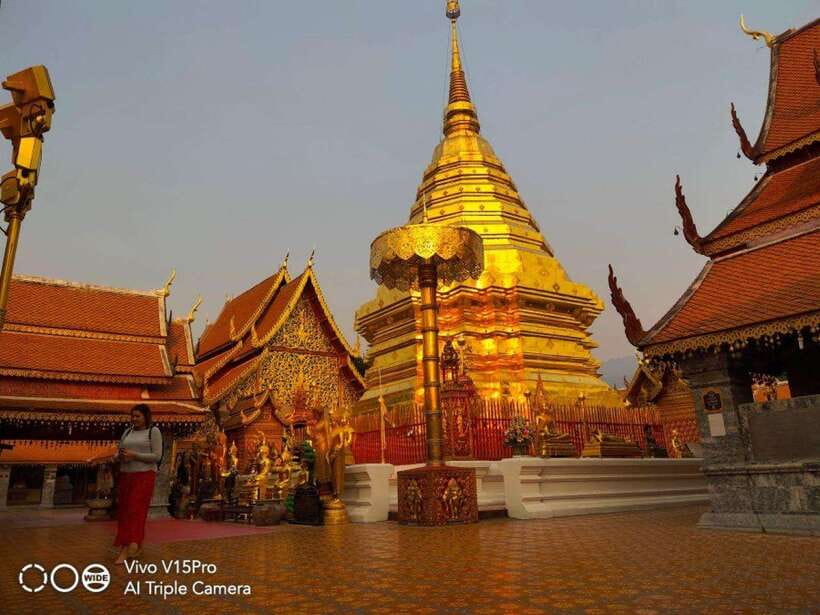
Wear long pants and a long-sleeved shirt. Shorts are not allowed, and modest clothing is essential for temple visits. A jacket is useful from December through February, while an umbrella helps during the July to October rainy season.
Bring a camera, cash, and comfortable footwear for stairs and uneven temple paths. You can choose the tram instead of the 306 steps, but the later sites still involve walking over irregular ground.
The tour is not suitable for wheelchair users, people with diabetes, or babies under one year old. The information does not give a detailed medical reason for the diabetes restriction, so you should contact the provider before booking if that affects you.
I would recommend this for first-time visitors who want more than a checklist of temples, couples and solo visitors who enjoy early starts, and anyone curious about Buddhist practice. It also suits people who want a guide able to answer questions about monk life, meditation, customs, and temple etiquette.
I would be cautious if you need a late morning, dislike group schedules, or expect a lengthy meditation class. The small group, capped at nine, keeps the morning personal, but you still move according to a fixed plan.
Timing, cancellation, and the final ride back
The full experience lasts about 330 minutes, or five and a half hours. Pickup is around 5:00 am and the expected finish is about 10:30 am, with a final drive of roughly 45 minutes back toward the central drop-off points.
Return locations are Hotel M Chiang Mai, Chang Phueak Gate, and Wat Chedi Luang. Hotel pickup is described as included, but the practical meeting points are the three listed central locations, so confirm your exact arrangement before the morning.
You can cancel up to 24 hours ahead for a full refund, and the reserve-now, pay-later option keeps your plans flexible. Those terms are useful because the tour depends on an early wake-up and, at Doi Suthep, weather can affect the sunrise view.
Should you book this sunrise temple tour?
Book it if you want Chiang Mai’s temples presented as living religious places rather than photo stops. The former monk guides, especially guides such as James, Non, Tu, and Blue, are the experience’s strongest feature, and the sunrise, chanting, alms offering, and local breakfast create a memorable morning.
Skip it if you want a relaxed start or extensive time at each temple. The meditation can be brief, Pha Lat may leave you wishing for a longer visit, and $59 is a considered purchase in Chiang Mai.
For most visitors who can handle the 5:00 am alarm, I think the combination is worth it. You see the city at dawn, learn how to behave during Buddhist customs, and visit three old temples with sharply different moods before the heat of the day arrives.
FAQ
What time does the tour start?
Pickup is around 5:00 am, and the expected finish is about 10:30 am. The experience lasts approximately 330 minutes.
Where can I meet the tour?
The three meeting points are Hotel M Chiang Mai opposite Thapae Gate, the main entrance of Wat Chedi Luang opposite 7-Eleven, and Chang Phueak Gate.
Is transportation included?
Yes. Transport is provided by air-conditioned SUV for groups of 5 to 7, or by VIP van for larger groups. Return drop-off points are Hotel M Chiang Mai, Chang Phueak Gate, and Wat Chedi Luang.
Do I need to pay temple admission fees?
No. The required temple admission fees are included in the tour price.
What should I wear?
Bring a long-sleeved shirt and long pants. Shorts are not allowed at the temples. A jacket is useful from December through February, and an umbrella is recommended from July through October.
Is meditation guaranteed?
Meditation is part of the planned experience, but it may be brief, and the schedule can change on a monk holy day. One morning described in the supplied information did not include meditation because of a religious schedule change.
Is breakfast included?
Yes. A local dish such as khao soi or another Thai meal is included after the Doi Suthep visit. Food for the alms offering and bottled drinking water in the vehicle are also included. Soft drinks, alcohol, and personal expenses are not included.
Just added around Chiang Mai
- Taste of Chiang Mai: Michelin Guide & Street Food Tour★ 4.9 · 159 reviews
- Red, Blue, White Temples & Hot Spring Trip from Chiang Mai★ 4.4 · 143 reviews
- From Chiang Mai: Mae Taeng Valley and Waterfalls Cycle Tour★ 4.9 · 159 reviews
- Long Neck Village, Silver Temple & Chiang Mai Top Sites★ 4.7 · 17 reviews
- Chiang Mai: Local Northern Thai Cooking Class at Grandma’s★ 5.0 · 33 reviews
- Chiang Mai: Khum Khantoke Northern Thai Cuisine and Show★ 4.3 · 38 reviews
- Private : Sticky Waterfall & Secret Temple & Karen Village.★ 5.0 · 9 reviews
- Half-day with CHIANGMAI ELEPHANT CARE program (12pm-6pm.)★ 5.0 · 27 reviews
Chiang Mai Tours, compared.
Half-Day Thai Cooking Class at Organic Farm in Chiang Mai
Read our review →
Elephant Sanctuary, Waterfall & Bamboo Rafting
Read our review →

Chiang Rai Temples, Karen Tribe and Hot Springs
Read our review →
Cooking Class, Market & Thai Herbs Garden Tour
Read our review →
Authentic Cooking Class with Market & Farm Visit
Read our review →
Elephant Sanctuary Feeding Program Half-Day Tour
Read our review →Browse the lists this tour appears in