
Reviewed · BANGKOK TOURS
Angkor Wat 2-Day Tour from Bangkok
Angkor Wat is the headline, but the real challenge is getting there from Bangkok in only two days. This private tour handles the long road journey, Cambodia border crossing, Siem Reap hotel, temple visits, and return transfer in one tightly packed trip. You reach Angkor Wat before sunrise, then see Bayon and Ta Prohm while the day is still young.
I like the private air-conditioned vehicle, since you travel with only your own group rather than follow a large coach. I also like the Tonle Sap boat trip, which adds daily Cambodian life to a trip otherwise focused on stone temples. The main drawback is the schedule: Day 1 is mostly transport, and Day 2 begins at 4:50 AM.
Key points to know before booking
- A true cross-border trip: You travel from Bangkok through Poipet, enter Cambodia independently, and meet your Cambodian guide on the other side.
- Angkor Wat at sunrise: The early start gives you a chance to see the temple in the cool morning light, though clouds can affect the view.
- Private transport: Your group has an air-conditioned vehicle, hotel pickup and drop-off, and a guide in Cambodia.
- Tonle Sap by private boat: The Chong Kneas visit offers a look at floating-village life before your evening in Siem Reap.
- Visa and border planning matter: The $35 Cambodia visa fee is extra, and some nationalities need a valid Thai re-entry or multiple-entry visa for the return journey.
- Only one full temple day: You see the major sights, but this is an efficient introduction rather than a slow study of Angkor.
Why this two-day route works from Bangkok
At $389 per person, this is not a bare-bones border transfer. The price covers private transport, one night in Siem Reap, breakfast, a licensed English-speaking guide, the one-day temple pass, and the boat excursion at Chong Kneas. Cambodia’s visa fee, meals other than breakfast, and personal expenses remain extra.
That bundle can be useful if you want to see Angkor without arranging separate hotels, taxis, temple tickets, and cross-border transfers. You are paying for convenience and coordination, not just admission to Angkor Wat.
The tradeoff is time. Bangkok to Poipet takes about four hours in the morning, followed by roughly two hours from the border to Siem Reap. You then have the floating village visit in the afternoon. On the second day, the temples begin before dawn, and you cross back into Thailand after the final stop.
I would consider this tour a good fit if you have only a weekend or two available days. If you have three or four days, a longer Siem Reap stay would give you more room for the temples and less pressure at the border.
A few more Bangkok half-days worth weighing up
- 2-Day Angkor Wat Tour from Bangkok
★ 4.5 · 206 reviews - River Kwai Jungle Rafts: 2-Day Kanchanaburi Escape from Bangkok
★ 4.5 · 37 reviews - 2 Day Private Car with Driver from Laem Chabang to Bangkok & Ayutthaya
★ 5.0 · 27 reviews
The early road to Poipet

Pickup is scheduled for 6:30 AM at your Bangkok hotel. The vehicle and driver handle the Thai side of the journey, but the guide does not accompany you from Bangkok. That point is important: hotel pickup and drop-off are provided with a driver only, while the English-speaking guide meets you after you enter Cambodia.
The first major stop is Poipet, the Cambodian border town opposite Thailand’s Aranyaprathet area. The planned arrival is around 10:40 AM. You cross the border independently, so you should have your passport ready and understand your visa requirements before leaving Bangkok.
The Cambodia visa costs $35 and is not included. You can apply for an e-visa ahead of time or obtain a visa on arrival at Poipet. ASEAN passport holders can enter Cambodia without a visa for 30 days, according to the tour information.
Your return to Thailand needs equal attention. You must have a valid Thai visa if your nationality requires one. Mexican and Burmese passport holders need a re-entry or multiple-entry Thai visa to return overland. Without the correct permission, the return by road may not work, and the tour recommends flying back instead.
This is the sort of detail that can make or break a short international trip. Check both countries’ entry rules before booking. The tour does not remove your responsibility at the border.
Two hours to Siem Reap after immigration
After you enter Cambodia, you meet the English-speaking licensed guide and leave Poipet for Siem Reap. The drive is about 152 kilometers and takes roughly two hours, depending on road and border conditions.
This stretch is practical rather than scenic sightseeing. You are moving toward the temples, and the guide becomes most useful once you reach the Angkor area. Since the Cambodian portion is private, your group can travel together without waiting for a bus full of other passengers.
An air-conditioned vehicle matters here. The first day includes a long ride from Bangkok, the border process, and another road journey to Siem Reap. The vehicle gives you a place to cool down between stops, though you should still expect a tiring day.
The tour is listed as suitable for people with moderate physical fitness. That is a fair description. You will walk around temple grounds, manage an early start, and spend long hours on the road, but the supplied details do not indicate strenuous hiking.
Chong Kneas and Tonle Sap in the afternoon
The boat trip begins at about 3:30 PM, after your arrival near Siem Reap. You take a private boat on Tonle Sap Lake and visit Chong Kneas, a floating village area. The visit lasts about two hours, returning around 5:30 PM.
This stop changes the mood of the trip. Angkor is about monumental stone architecture and royal power. Chong Kneas offers a look at homes and daily activity connected to the lake. The contrast helps you understand that Cambodia is not only an ancient temple destination.
You should keep expectations in check. A short boat visit cannot explain every part of life around Tonle Sap, and the tour provides no detailed list of onboard activities. Still, it is a worthwhile addition because it gives you a local setting beyond the standard Angkor circuit.
After the boat ride, you reach your Siem Reap hotel around 5:40 PM. The evening is free for Pub Street, restaurants, and the Night Market. This is useful breathing space after the border and boat trip, though the early morning call means you should not plan a late night.
The hotel includes breakfast, and you receive either a king-size room for a couple or a room with two beds for friends or families. The hotel name and category are not provided, so you should not book this expecting a specific property or a luxury standard.
Same base, a completely different kind of day out:
- Bangkok: Damnoen Saduak Market and Maeklong Railway Market
★ 4.5 · 26,723 reviews - The Old Siam: Damnoen Saduak and Maeklong Railway Market
★ 4.5 · 10,992 reviews - From Bangkok: Ayutthaya Temples Guided Tour with Lunch
★ 4.7 · 10,535 reviews - Bangkok: Train Market & Floating Market with Boat Ride
★ 4.7 · 9,547 reviews
Angkor Wat before sunrise at 4:50 AM
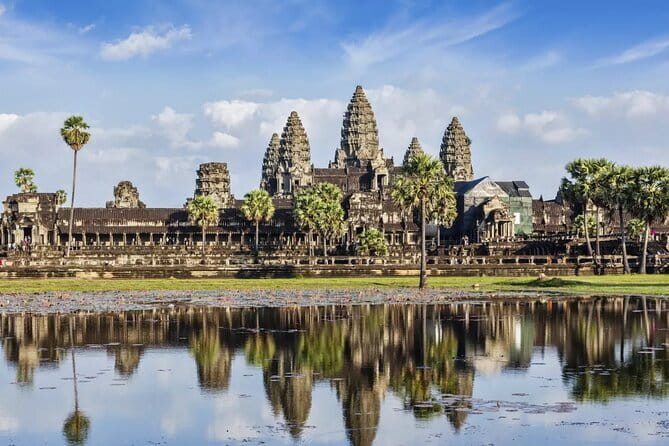
Day 2 starts at 4:50 AM. That is early even by temple standards, but it gives you a chance to reach Angkor Wat for sunrise. The temple visit is scheduled for about two hours, including the sunrise experience and further exploration afterward.
Angkor Wat is the one sight that makes this entire border trip worthwhile for many people. Its towers, galleries, courtyards, and long approach create a powerful first look at Khmer architecture. Sunrise can add soft color to the view, but nature does not follow a timetable. Clouds, haze, or a crowded viewing area may affect the result.
The morning time is also practical. Cambodia can become hot later in the day, and a pre-dawn start lets you see the most famous temple before the heat builds. You will need modest clothing from the start, not just later in the day. Short dresses are not allowed, and your shoulders and knees should be covered at the temples.
The temple ticket is included for one day. That saves you from handling admission separately, but it also means the itinerary needs to make good use of a single temple day. Angkor Wat receives the longest listed visit, while several other major sites get shorter stops.
Angkor Thom and the South Gate
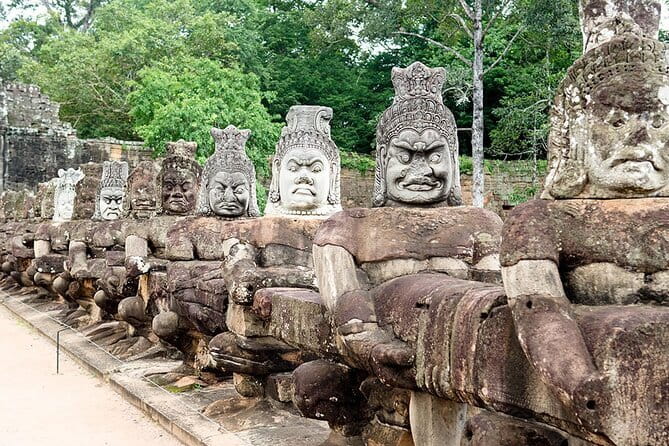
After Angkor Wat, the route continues to Angkor Thom, the former capital of the Khmer Empire. The city was built in the late 12th century under King Jayavarman VII and was planned on a grand scale, with gates, walls, and major religious buildings.
The total time listed for Angkor Thom is about 20 minutes, followed by another 20 minutes at the South Gate. That is enough for orientation and photographs, but not enough for a detailed walk through every part of the old city.
The South Gate is one of the most recognizable entrances. Its causeway and monumental figures lead you toward Angkor Thom, giving you an immediate sense of how the city was approached in its prime. Your guide can help connect the gate’s design with the larger plan of the city.
I would treat this part as a visual introduction, not a complete Angkor Thom visit. If you want time to study the walls, terraces, and other structures in the city, you will likely need a longer tour.
Bayon’s famous stone faces
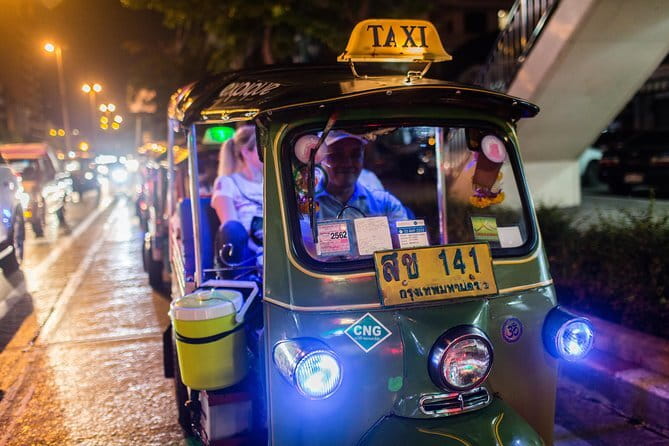
The Bayon Temple receives about 20 minutes. It is known for its large carved faces, which appear from several towers and create one of Angkor’s most memorable interiors.
Bayon was built about a century after Angkor Wat. Its early purpose and development changed over time, and the temple grew as part of Angkor Thom’s royal center. A short visit still lets you see the close-set towers and faces, but the narrow passages can reward slower looking.
Twenty minutes goes quickly here. You can take photographs and get the basic story, but you may feel rushed if you want to examine the carvings. The guide’s presence helps because a clear explanation can make a brief stop more meaningful than wandering without context.
If your guide is Wat, the supplied experience specifically identifies him as an attentive guide who took many photos and videos for a mother and daughter traveling together. You can ask your guide whether they can help with photos, but do not assume every guide will offer the same service.
Ta Prohm and the trees
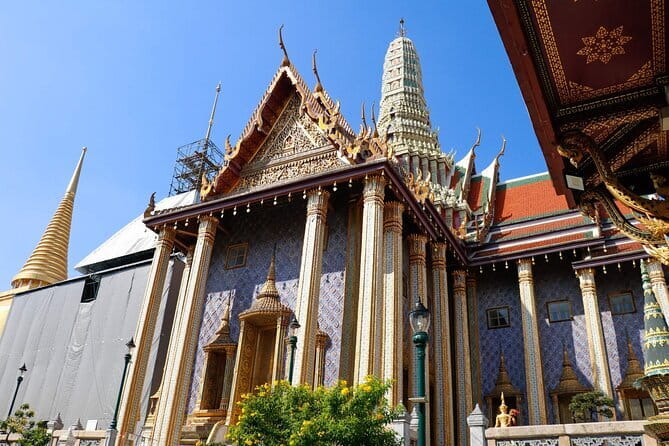
Ta Prohm gets the longest temple visit after Angkor Wat, at about 40 minutes. The temple is known for its trees growing over and around the stone structures. Archaeologists cleared visitor paths and strengthened unstable areas, while much of the setting keeps its weathered appearance.
This is often the most atmospheric stop on the route. Ta Prohm feels less formal than Angkor Wat and less face-focused than Bayon. Roots, galleries, doorways, and broken sections create a more intimate setting, though you should follow marked paths and any access limits.
The 40-minute visit is enough to see the main areas and take photographs. It is not enough to inspect every corridor. Since this is the final temple stop before the return journey, you may also be thinking about the long ride back to Poipet. Wear shoes suitable for walking and bring water, especially since the morning began so early.
The temple sequence makes sense: Angkor Wat provides the grand opening, Angkor Thom and the South Gate establish the old capital, Bayon supplies the famous sculpture, and Ta Prohm finishes with a more untamed setting.
Returning through Poipet to Bangkok
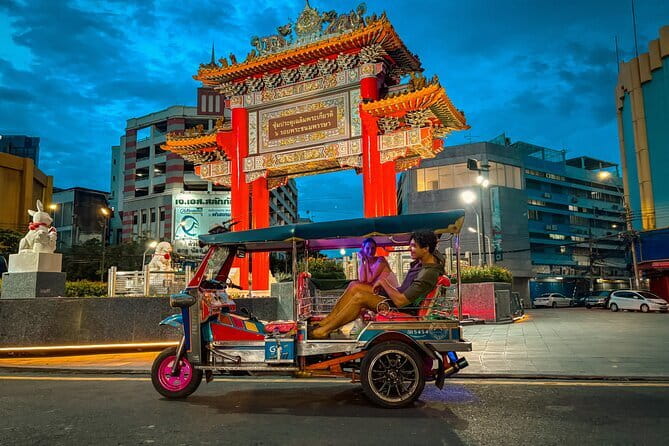
After Ta Prohm, the driver takes you back toward Poipet. You cross the border independently, then the Thai-side team picks you up for the onward transfer to Bangkok or Pattaya.
This arrangement is efficient, but it requires attention. You will not simply remain in one vehicle from temple to hotel. The border crossing happens on your own, and you need the right passport, visa, and re-entry documents.
The timing of the return is not specified in the tour details. That means you should avoid scheduling an important evening flight, train, or appointment in Bangkok. Border delays are possible, and the second day already contains a dawn departure, temple walking, and a long road journey.
The tour includes hotel pickup and drop-off, but the Cambodian guide is not the person handling every transfer. Know who meets you at each side of the border, follow the provided instructions, and keep your documents and phone accessible.
What the $389 price really covers
The $389 price is easiest to judge as a package. You receive:
- Private air-conditioned transport
- Bangkok hotel pickup and return transfer
- One night in Siem Reap
- Breakfast
- An English-speaking licensed guide in Cambodia
- One-day Angkor temple admission
- Private boat travel at Chong Kneas
You still pay $35 for the Cambodia visa, plus lunch, dinner, and personal costs. Those extras are not unusual, but they should be part of your budget.
I like the value if your priority is saving planning time. The tour connects two countries, arranges a hotel, provides a guide, and includes the key temple ticket. Booking each part separately could take more work, especially for a short trip with a border crossing.
I like the private format even more than the included meal or hotel. Your own group avoids the fixed pace of a large coach, and the guide can focus on your questions. The tradeoff is that private does not mean slow. The route still follows a packed timetable, especially on Day 2.
Who will appreciate this short Angkor visit
I would recommend the tour to someone based in Bangkok who wants a first look at Angkor and cannot spare more than two days. It also suits couples, families, and small groups who prefer a private vehicle and want hotel pickup rather than finding their own way to the border.
It can work well for a parent and adult child, provided both people are comfortable with the early start and moderate walking. A direct account of a mother traveling with guide Wat highlights the value of patient help and photo assistance for that kind of trip.
I would be more cautious if you dislike early mornings, border procedures, or long road transfers. You may also want another option if your main goal is detailed archaeology. Angkor Wat, Bayon, and Ta Prohm all receive limited time, and Angkor Thom is treated as a quick stop.
Dress planning is simple but strict: cover your shoulders and knees, and avoid short dresses at the temples. Bring your passport, required visas, water, and clothing that works for a cool pre-dawn start and a warmer morning.
My booking advice
Book this tour if you want the major Angkor sights, Tonle Sap, and a managed Bangkok connection in two days. The private transport, included temple ticket, guide, and overnight stay make the price reasonable for a tightly organized border trip.
Skip it if you can stay longer in Siem Reap or if you want unhurried temple time. A longer visit would give you more space, but this tour delivers the essential first encounter: Angkor Wat at sunrise, Bayon’s stone faces, Ta Prohm’s tree-covered ruins, and a boat trip on Tonle Sap.
The cancellation terms are worth noting before you commit. You can receive a full refund by cancelling at least six full days before the start time. Cancelling two to six days ahead allows a 50 percent refund, while cancelling less than two full days ahead receives no refund.
FAQ
What time does the tour start?
Pickup begins at 6:30 AM from your hotel in Bangkok.
Is the Cambodia visa included?
No. The Cambodia visa fee is not included and is listed as $35. You may apply for an e-visa online or obtain a visa on arrival at Poipet.
Does the tour include a guide from Bangkok?
No. Bangkok hotel pickup and drop-off are provided by a driver only. You meet the English-speaking licensed guide after entering Cambodia.
Where do I stay overnight?
You stay one night at a hotel in Siem Reap, with breakfast included. Couples receive a king-size room, while friends or families can request two beds.
What temples are visited?
The temple route includes Angkor Wat, Angkor Thom, Angkor Thom South Gate, Bayon Temple, and Ta Prohm Temple.
Is Tonle Sap included?
Yes. The tour includes a private boat trip at Chong Kneas Floating Village on Tonle Sap Lake, scheduled for about two hours.
What happens at the border on the return journey?
You cross back through Poipet independently. The Thai-side team then picks you up for the return to Bangkok or Pattaya. You must have a valid Thai visa or re-entry permission if your nationality requires it.
Just added around Bangkok
- Bangkok to Ayutthaya Lopburi Monkey Temple, Largest Buddha Tour★ 5.0 · 62 reviews
- Baiyoke Sky Dinner Experience with Observation Deck Access★ 3.5 · 57 reviews
- Bangkok Luggage Delivery from Hotel to Airport★ 5.0 · 25 reviews
- Living Green Elephant Sanctuary Tour from Bangkok and Pattaya★ 5.0 · 88 reviews
- Bangkok Luggage Storage★ 4.5 · 37 reviews
- Living Green Elephant Sanctuary Experience near Bangkok & Pattaya★ 5.0 · 76 reviews
- Ethical Elephant Watching Tour From Bangkok & Pattaya★ 4.5 · 9 reviews
- King Power MahaNakhon SkyWalk at Bangkok Admission Ticket★ 4.0 · 37 reviews
Bangkok Tours, compared.
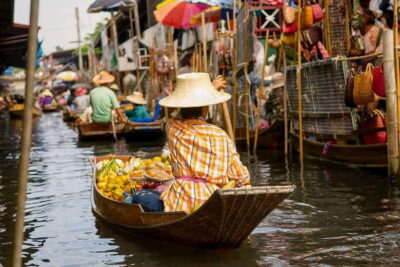
Damnoen Saduak Market and Maeklong Railway Market
Read our review →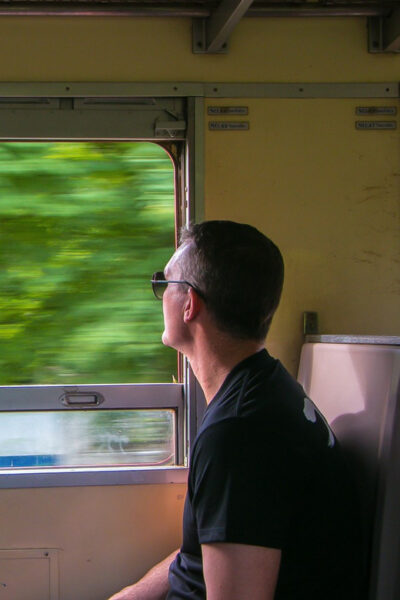
The Old Siam: Damnoen Saduak and Maeklong Railway Market
Read our review →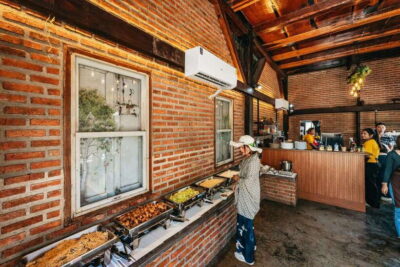
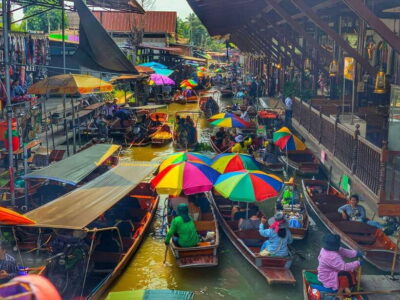
Train Market & Floating Market with Boat Ride
Read our review →
Bangkok Canal Tour: 2-Hour Longtail Boat Ride
Read our review →
Muay Thai Boxing Tickets at Rajadamnern Stadium
Read our review →
White Orchid Chao Phraya Dinner Cruise free Beer
Read our review →
Bangkok by Private Guide: Full Day Tour In and Around
Read our review →Browse the lists this tour appears in