
Reviewed · CHIANG MAI TOURS
3-Day Chiang Dao Mountain Trek
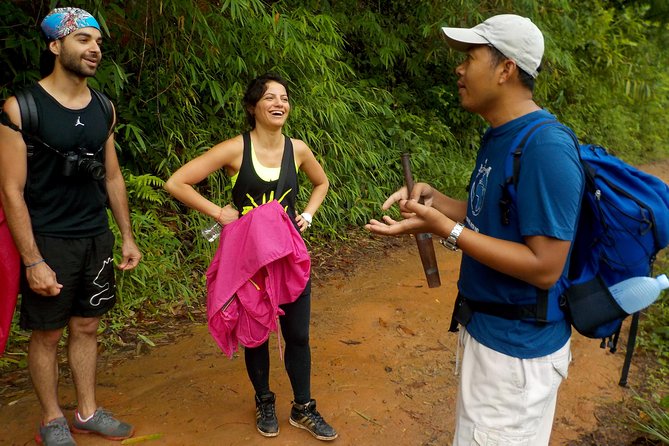
Chiang Dao is not a gentle stroll with a few jungle views thrown in. You’ll spend three days on steep, uneven trails through bamboo forest, mountain ridges, farms, and hill villages, carrying your own small pack. Guides Tan and Sap are the kind of local leaders who point out edible plants, explain village life, and keep a close eye on the group.
I like two things right away: the home-cooked Thai food, prepared along the way, and the small-group setting that keeps this far from a tour-bus production. You also get a real village homestay rather than a standard hotel. The catch is simple: day two can be very hard, and basic village nights include dogs, roosters, and other country sounds.
Key points before you book
- Day two is the test: Expect a long, demanding hike with repeated climbs and descents on rough jungle trails.
- Tan and Sap are major assets: They explain plants, wildlife, farming, and local customs while guiding at a steady pace.
- The food is part of the experience: Breakfasts, lunches, and dinners are included, with Thai meals cooked by the guide or support team.
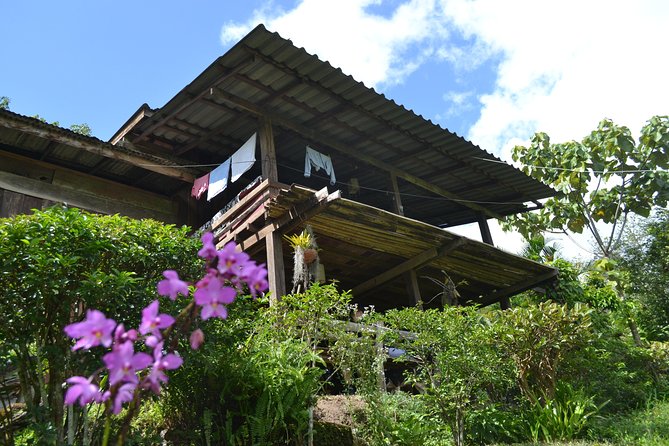
- Homestays are basic but memorable: Mountain views, fires, and simple comforts come with village noise at night.
- Carry only what you need: Your personal gear must fit in a 45-liter backpack that you carry yourself.
- This is a small-group trek: The tour is promoted for a maximum of 10 people, though another operating note gives a maximum of 12, so confirm the number when booking.
Leaving Chiang Mai for Chiang Dao
The trip begins with pickup in Chiang Mai, generally around 8:30 a.m., with the formal start time listed as 9 a.m. Hotel pickup is offered within the second ring road. The meeting point is also given as Le Dta’ Wan Food Market, so I would confirm your exact pickup arrangement before the morning of departure.
The drive north is useful transition time. Chiang Mai’s traffic and buildings give way to open country and the mountains around Chiang Dao. You stop at a local market before the trek, where the guide can introduce ingredients for the meals ahead. This is a small detail, but it helps you understand what you’ll eat and how the cooking fits into village life.
Round-trip transport from Chiang Mai is included, which adds real value. You do not need to arrange a separate taxi to a remote trailhead or work out a return from the Maetang River valley. Still, this is a mountain trip, not a city excursion. Allow the day to unfold slowly and do not plan an important evening appointment when you return.
More walks and treks around Chiang Mai:
- 3-in-1: Doi Inthanon Tour, Elephant Sanctuary, and Trekking Trail
★ 5.0 · 1,087 reviews - Chiang Mai: Doi Inthanon Trip with Pha Dok Siew Guided Trek
★ 4.6 · 910 reviews - Chiang Mai: Doi Inthanon Park with Kew Mae Pan Hike Day Trip
★ 4.7 · 841 reviews
Day one: the first climb and a quiet homestay
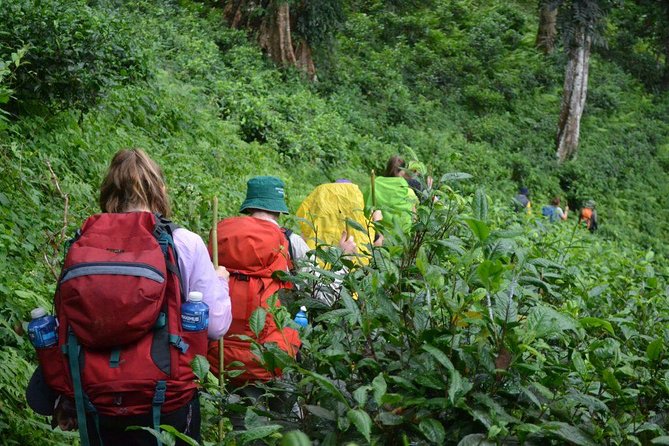
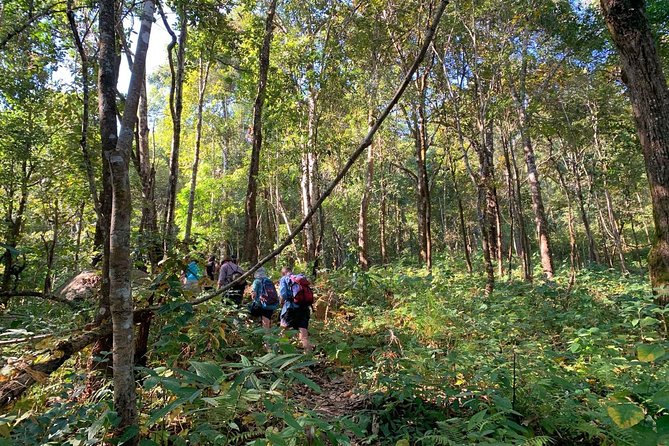
The first hiking day eases you into the highlands, though eases should not be confused with easy. The route passes through bamboo forest, jungle paths, farms, and remote villages. Walking time can be around four hours on the first day, but the exact effort depends on the route and the condition of the trails.
This is where your guide begins to add more than navigation. Tan and Sap are known for explaining plants along the path, sometimes letting you taste safe local varieties. They also talk about the people who live in the mountains and the farming communities you pass. If you enjoy learning as you walk, stay near the guide and ask questions.
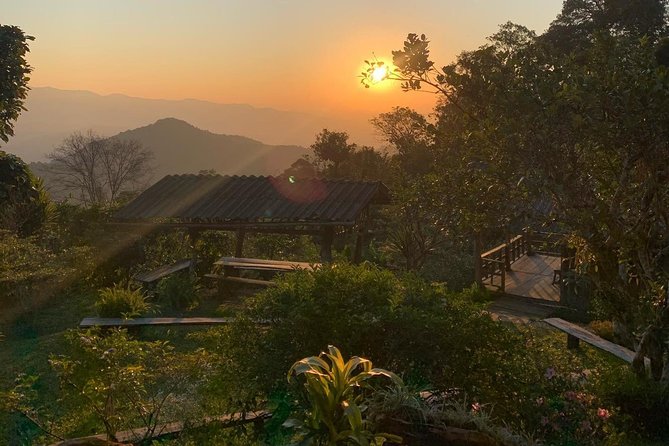
The first overnight stop is often the favorite of the two. Expect a clean, simple homestay with mountain views, and possibly a fire in the evening. Some accommodation has basic electricity from solar power. You get a closer look at daily life in the highlands, but not the privacy or soundproofing of a resort.
The village setting brings its own soundtrack. Dogs, roosters, and perhaps other farm animals may make the night noisy. Pack earplugs. This is not a flaw in the homestay so much as a reminder that you are sleeping in a working village.
Dinner is included and is prepared locally. One of the strongest features of this trek is the cooking. Guides such as Tan and Sap are also capable camp cooks, turning available ingredients into satisfying Thai meals after a long day outside. Tell the operator about vegetarian requirements when you reserve, not after you arrive.
Day two: the hardest and best hiking
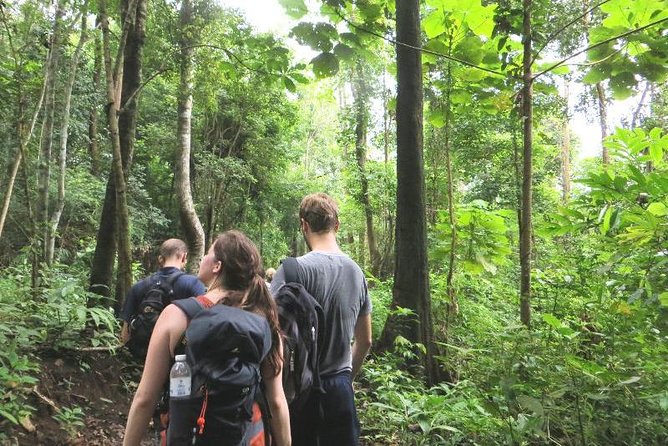
Day two is the heart of the trip. It is also the part you need to take seriously. Expect roughly five to nine hours on foot, depending on the route, with repeated ascents and descents over undulating ground. Some people find the uphill work hard; others are surprised by how much the downhill sections affect their knees.
The trail moves along mountain ridges and through dense jungle. Routes can cross and re-cross narrow paths, and vegetation may crowd the way. At times the guide may need to clear overgrown sections with a knife. That gives the day a genuine backcountry feel, but it also means you should not expect a smooth, marked walking path.
The reward is variety. You may move from bamboo forest to thick jungle, then out toward ridge views and village farmland. The scenery changes with the height and direction of the trail. The mountains feel remote because the route is designed to keep you away from the most common tourist stops.
Tan has more than 30 years of guiding experience, and several accounts of the trip single out his calm pacing and humor. Sap receives similar praise for his plant knowledge, gentle manner, and care with people who find the hike difficult. That matters on a demanding walk. A good guide does not simply push ahead. He reads the group, pauses when needed, and makes the terrain easier to understand.
Bring enough water for the day, though beverages at the homestays and restaurants are not included. Personal drinks and other purchases are your responsibility. The included three lunches, two breakfasts, and two dinners cover the main meals, but you should budget for drinks and small personal expenses.
The second homestay is another simple village stay. It may be less quiet than the first, with dogs barking and roosters starting early. You may also hear village activity at night. If you want a polished room, private bathroom, and guaranteed quiet, this is the wrong trip. If you see basic lodging as part of the cultural experience, it fits the purpose.
Day three: a long descent to the Maetang River
The final morning begins with breakfast in the mountains. Day three is shorter on foot, usually around three hours, but do not assume it requires no effort. The route descends toward the Maetang River valley, and long downhill walking can be tiring after two days on rough trails.
A waterfall provides a natural break. After the steep jungle paths, a pause beside running water gives you time to rest and take in the change in scenery. The descent also shows how quickly the surroundings shift as you leave the high ridges and reach the valley.
Lunch is served in a calm riverside setting. It is a fitting end to the walking portion of the trip: less hurried, more open, and a clear contrast with the enclosed forest trails. After lunch, transport takes you back toward Chiang Mai and the original meeting point.
The uneven lengths of the three days are worth understanding before you reserve. You may walk about four hours on day one, face as many as nine hours on day two, and spend about three hours descending on day three. That pattern follows the mountain route, but it can feel odd if you expect three equal walking days.
A few more Chiang Mai half-days worth weighing up
- 3 day Yoga and Meditation Retreat in Chiang Mai
★ 5.0 · 19 reviews - Chiangrai Round Trip Classic Tours 3 Days 2 Nights
★ 5.0 · 13 reviews - 3 Day Motorcycle Tour (Mae Hong Son Loop) from Chiang Mai, Thailand
★ 5.0 · 13 reviews - Open Water Course – Become certified diver in 3 days
★ 5.0 · 1,137 reviews
What the food and homestays really add
The meals are not just a box to tick under inclusions. They make the trek feel connected to the places you pass through. Your guide may cook with local ingredients, explain plants found on the trail, and prepare Thai dishes at the homestay or camp. After several hours of climbing, a hot dinner has practical value as well as cultural interest.
Breakfast is included on both mornings, lunch on all three days, and dinner on the first two nights. Vegetarian food can be arranged, but you must request it in advance. Drinks are not included, so carry enough water and expect to pay separately for beverages at local stops.
The homestays are clean and usable, but basic. You may have mountain views, sunrise or sunset views, solar-powered electricity, and a fire. You should not expect hotel-style amenities. The noise is part of the bargain, particularly on the second night, so earplugs belong in your pack.
How difficult is the Chiang Dao trek?
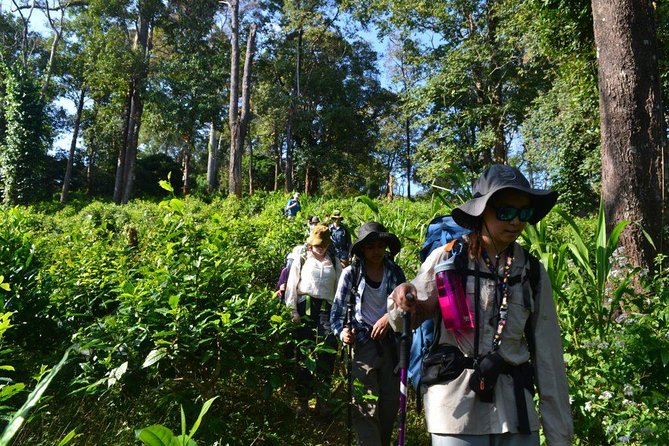
The stated requirement is moderate physical fitness, with the ability to hike five to six hours on undulating terrain. In practice, the day-two reports make the trek sound more demanding than that simple description suggests. Steep hills, rough trails, and long descents can make this a serious outing for anyone who does not regularly walk for several hours.
You should be comfortable with:
- Five to six hours of hiking as a normal day, with the possibility of a longer second day
- Repeated uphill and downhill sections
- Uneven jungle trails and overgrown vegetation
- Carrying your own belongings in a pack
- Basic accommodation and village noise
Children under 10 are not suitable for the trek unless they are already used to multiple hours of hiking. Even fit older people should think about knee strength and recovery time. The guides can adjust pace to the group, but they cannot remove the hills.
Wear hiking boots or sturdy runners, plus outdoor clothing suited to the season. The operator provides a seasonal kit list. Keep your total personal gear within a 45-liter backpack. Packing light is not a suggestion here. Every extra item becomes part of the climb.
The guides make the difference
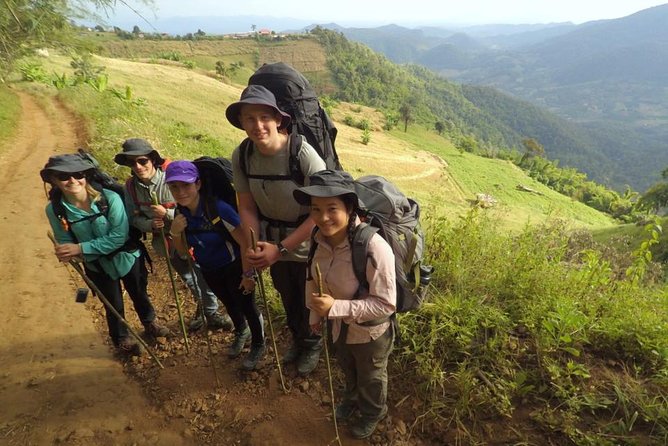
The route is remote enough that the guide shapes much of your experience. Tan is repeatedly praised for his long experience, sense of humor, plant knowledge, and ability to manage a mixed-age group. Sap is noted for his calm style, care on difficult sections, and explanations about nature and village life.
That combination is valuable because the trek has no polished attraction at the end of every path. The interest comes from the forest, the people, the food, and the guide’s eye. A plant most hikers would walk past can become a short lesson. A village becomes more than a photo stop when you understand how farming and mountain life fit together.
Communication before the trip may not always be perfect, so confirm pickup time, meeting point, route expectations, and dietary needs in advance. Once on the trail, the guides appear to be the stronger part of the operation.
Is $256 good value?
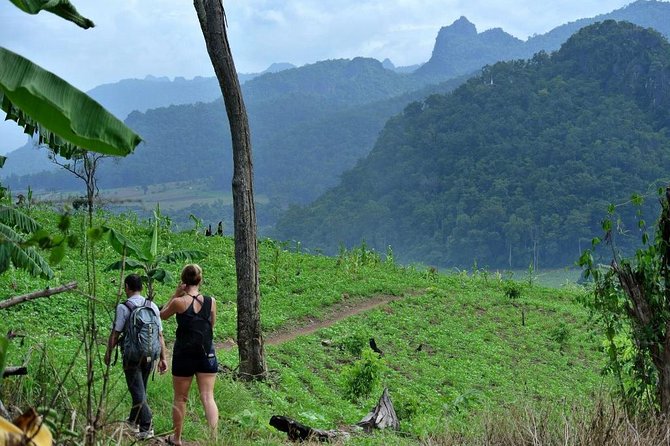
At $256 for about three days, the cost is reasonable if you want a full-service mountain trip from Chiang Mai. The price covers transport, guiding, two nights of homestay accommodation, and seven main meals: two breakfasts, three lunches, and two dinners. It also saves you the trouble of arranging transport to and from a remote area.
The value is highest for people who want a small-group experience and a route away from crowded attractions. You are paying for local guiding, route planning, food preparation, and access to village settings that would be difficult to arrange independently.
The price is less attractive if you want luxury accommodation, easy walking, or a tightly timed sightseeing schedule. Drinks and personal spending cost extra, and you must supply suitable footwear and carry your own pack. Group size also deserves a quick check, since the experience is described as accommodating up to 10 people in one place and up to 12 in another.
Who should book this trek?
I would recommend it to you if you want serious walking, mountain scenery, local food, and a close look at northern Thai village life. It suits people who prefer a campfire and a simple homestay to a resort room, and who enjoy asking a guide about plants, farming, and culture.
It is also a good choice for a mixed-age group with a solid base of fitness. Tan has guided groups with people ranging from their twenties to their sixties, but that does not make the route easy. It means a capable guide can manage different speeds when the group is prepared for the effort.
I would not choose it for young children, anyone needing accessible paths, or anyone who dislikes carrying gear. If your ideal holiday includes short walks, air-conditioning, and quiet nights, spend your money elsewhere.
The cancellation terms are fairly strict: cancel at least three full days before the local start time for a full refund. Poor weather or failure to reach the minimum group size can lead to a new date, another experience, or a full refund.
Should you book the 3-Day Chiang Dao Mountain Trek?
Book it if the hiking is the point. You get remote mountain routes, strong local guides, memorable food, and homestays that bring you into village life without turning the experience into a staged attraction.
Before paying, confirm the pickup details, expected group size, vegetarian meals if needed, and the likely length of day two. Pack earplugs, good shoes, a light 45-liter pack, and enough patience for rough paths. If you accept those conditions, this is a rewarding way to see northern Thailand beyond Chiang Mai’s usual day trips.
FAQ
Where does the Chiang Dao Mountain Trek start?
Pickup is offered from hotels within Chiang Mai’s second ring road. The listed meeting point is Le Dta’ Wan Food Market in Chang Khlan, Chiang Mai.
What time does the trek begin?
Pickup is listed for 8:30 a.m., while the formal activity start time is listed as 9 a.m. Confirm your exact pickup time and location before departure.
How long is the trek?
The experience lasts approximately three days. Hiking time varies by day, with about four hours on day one, a demanding five to nine hours on day two, and roughly three hours on day three.
How difficult is the route?
You should have moderate physical fitness and be able to hike five to six hours on uneven, undulating terrain. The route includes steep climbs, descents, jungle paths, and rough or overgrown sections.
Where do you sleep?
You stay in local homestays for two nights. The accommodation is basic but described as clean, with mountain views and, in some cases, solar-powered electricity.
Are meals included?
Yes. The trip includes two breakfasts, three lunches, and two dinners. Beverages at homestays and restaurants, along with personal spending, are not included.
Can vegetarian meals be arranged?
Yes, but vegetarian meals must be requested when you make the reservation.
What should you bring?
Wear suitable outdoor clothing and hiking boots or sturdy runners. Personal belongings must fit into a 45-liter backpack that you carry during the trek. The operator provides a seasonal kit list.
Just added around Chiang Mai
- Wat Phra That Doi Suthep & Wat Pha lat Evening Tour & Guide★ 4.5 · 89 reviews
- Walk With Monks Collecting Alms(meeting point maybe change)★ 4.9 · 8 reviews
- Chiang Mai: Doi Inthanon Park Day Trip with Kiw Mae Pan Hike★ 4.6 · 75 reviews
- Chiang Mai Zipline White Water Rafting and Elephant Sanctuary★ 4.0 · 11 reviews
- Zipline+Sticky waterfall+Long Neck Village Private Tour★ 5.0 · 22 reviews
- Chiang Mai Airport Private Transfer – Hotel or Airport★ 4.5 · 51 reviews
- Trek to a Jungle Waterfall★ 5.0 · 14 reviews
- Zipline Adventure at Skyline Jungle Luge Chiang Mai★ 5.0 · 102 reviews
Chiang Mai Tours, compared.
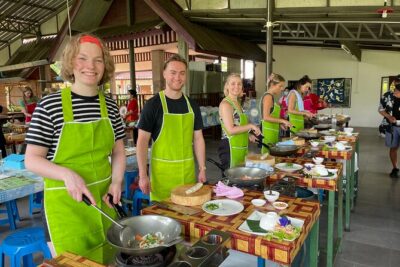
Half-Day Thai Cooking Class at Organic Farm in Chiang Mai
Read our review →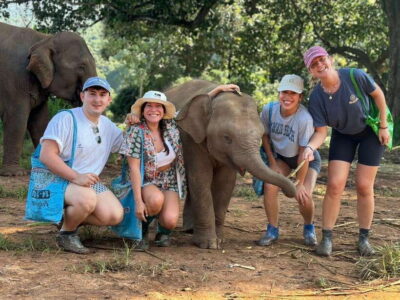
Elephant Sanctuary, Waterfall & Bamboo Rafting
Read our review →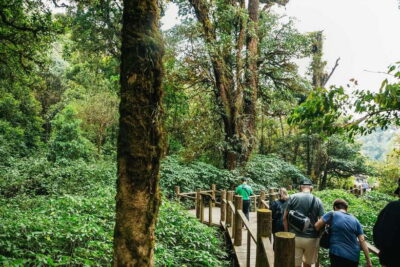
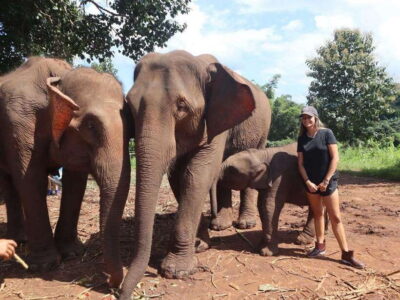

Chiang Rai Temples, Karen Tribe and Hot Springs
Read our review →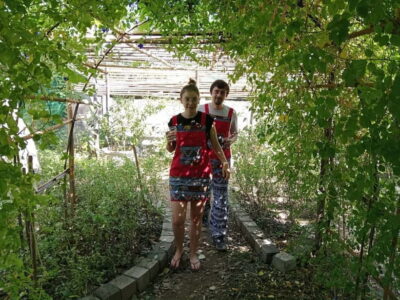
Cooking Class, Market & Thai Herbs Garden Tour
Read our review →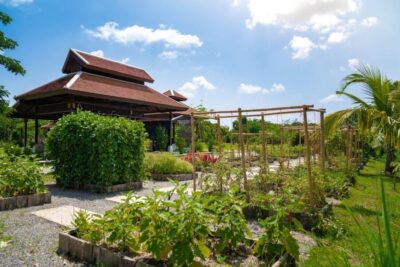
Authentic Cooking Class with Market & Farm Visit
Read our review →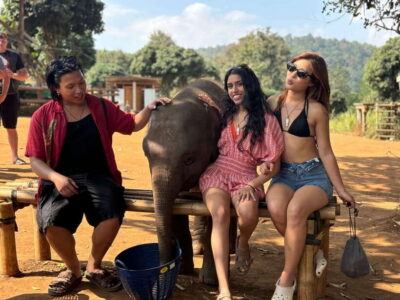
Elephant Sanctuary Feeding Program Half-Day Tour
Read our review →Browse the lists this tour appears in