
Reviewed · CHIANG MAI TOURS
Chiang Dao Cave Trekking Small Group Tour – Full Day
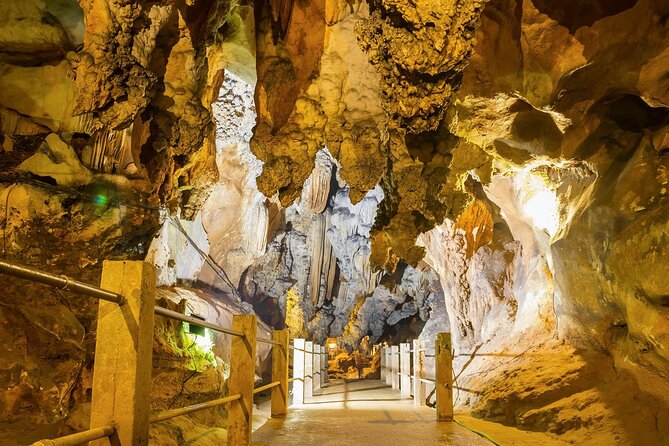
Chiang Dao Cave gives this day trip its real character: part limestone adventure, part Buddhist pilgrimage site. You move from illuminated chambers with Buddha statues to optional dark passages where you may crawl beneath the rock, then finish by walking up a waterfall that feels slippery but is surprisingly grippy. The contrast is the magic.
I like the small maximum of nine people, which gives your English-speaking guide room to adjust the pace and explain what you are seeing. I also like the mix of nature and local life, with market stops and a meal break between the cave and waterfall. The catch is clear: the cave can be hot, humid, and tight, and the more adventurous section costs an extra 300 THB per group of four.
Key points before you book
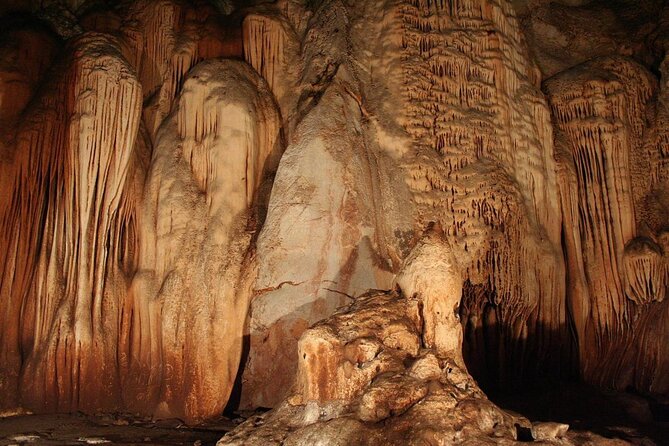
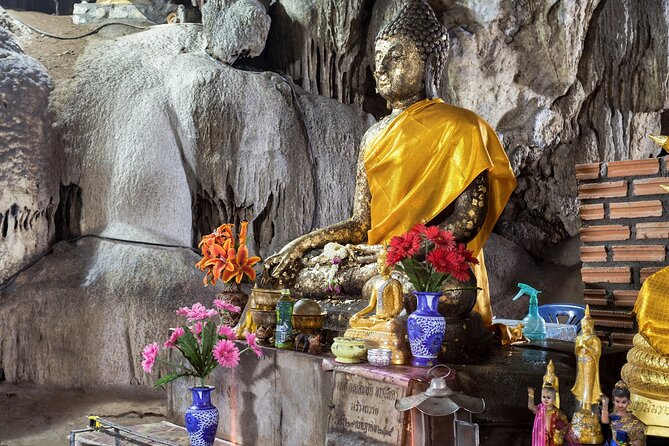
- Chiang Dao Cave is both shrine and natural wonder: Expect stalactites, stalagmites, votive offerings, and Buddha images, including a 4-meter reclining Buddha.
- The optional inner-cave route is the serious part: A local guide with a lantern leads you through dark, narrow passages where crawling may be needed.
- Buatong Sticky Waterfall is the playful finish: Mineral deposits give the rock enough grip to climb beside running water.
- Small groups make a difference: The vehicle carries no more than nine people, with personal attention from an English-speaking guide.
- Your $90 covers the essentials: Transport, hotel pickup and drop-off, bottled water, insurance, and the 40 THB cave entrance fee are included.
- Plan for a full active morning and afternoon: The tour starts at 8:00 am and lasts about 6 hours 30 minutes, with food and drinks paid separately.
Why Chiang Dao Cave is worth the drive
Chiang Mai has plenty of temples, markets, and easy day trips. Chiang Dao Cave offers something less polished and more physical. You enter a mountain shrine where religion and geology share the same rooms. The rock formations are not simply arranged for display. Buddha statues sit among the stone, and offerings remind you that this remains a place of worship.
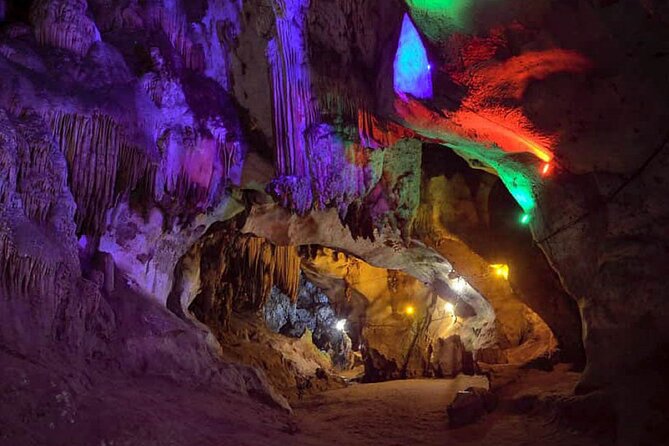
The cave complex contains five limestone caverns, though the standard visit focuses on two or three chambers lit with electric lights. This part is manageable for most people and gives you a clear introduction to the site. Look for the row of five seated Buddhas in the first cavern and the large reclining Buddha, which measures about 4 meters long.
Your guide adds value here. Names associated with past outings include Popcorn, Peter, Pranom, Tim, Nun, Sammy, Chaowit, Nom, Keti, Sunny, and Leo. Guide assignments can change, but the strongest part of the experience is having someone explain the statues, cave formations, and religious setting rather than simply leading you from one room to the next.
I particularly like the cultural layer. A cave full of mineral formations can become just another photo stop. The shrines give it purpose. You are seeing a natural site that local people still use for prayer, not a stage built only for sightseeing.
More walks and treks around Chiang Mai:
- 3-in-1: Doi Inthanon Tour, Elephant Sanctuary, and Trekking Trail
★ 5.0 · 1,087 reviews - Chiang Mai: Doi Inthanon Trip with Pha Dok Siew Guided Trek
★ 4.6 · 910 reviews - Chiang Mai: Doi Inthanon Park with Kew Mae Pan Hike Day Trip
★ 4.7 · 841 reviews
The illuminated chambers are only the beginning
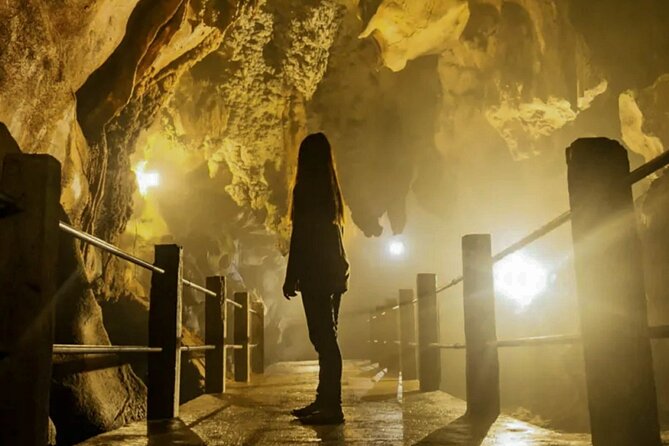
The electric-lit section is the easy option, and you can enjoy it without taking on the more difficult route. The paths lead through chambers filled with stalactites and stalagmites, with Buddha statues and offerings placed around the cave.
That said, the lighting makes this feel more like a formal attraction than a true cave expedition. If you want the stronger adventure, ask about the inner-cave route. It is led by a local guide carrying a lantern, and the fee is 300 THB for a group of four. This charge is not included in the tour price.
The lantern route is where the cave changes mood. You may pass through dark corridors, watch for bats, and crawl through narrow openings to reach larger rooms. Several people who took this route found it the most memorable part of the day, but it is not a casual add-on. You need to watch your footing, accept tight spaces, and be comfortable with heat and humidity.
You can skip the narrow sections if they do not suit you. That flexibility matters. A good day here does not require proving anything. The illuminated chambers still offer the statues and formations, while the inner route is available if you want a more demanding outing.
Wear clothes you do not mind getting dusty or damp. The supplied information does not specify clothing or equipment, so I would keep your packing simple: practical shoes, water, and clothing suited to heat and movement. Bottled water is provided, but food and other drinks are your responsibility.
A guide can turn a dark cave into a meaningful place
The cave guide is not just useful for safety. The best guiding makes the setting easier to understand. A few past guide names have earned especially warm praise for patience, humor, flexibility, and clear English, including Popcorn, Peter, Pranom, Tim, Nun, and Chaowit.
Nun, in particular, has been described as having studied as a monk and hospitality, which is a valuable combination at a religious site. Pranom has been praised for explaining the cave and statues clearly. Peter has been flexible with the schedule and added a stop at a local market. These details show what you should look for in a guide: not a lecture, but someone who connects the cave to daily life and local belief.
The small-group format helps. With a maximum of nine people, the guide can answer questions, slow down for a tricky passage, or adjust the order of the day when conditions and group energy call for it. During quieter periods, the outing may operate with only one or two people, creating a near-private experience. You should not assume that will happen, but the small-group design gives you a better chance of personal attention than a large coach excursion.
Markets and lunch add local texture
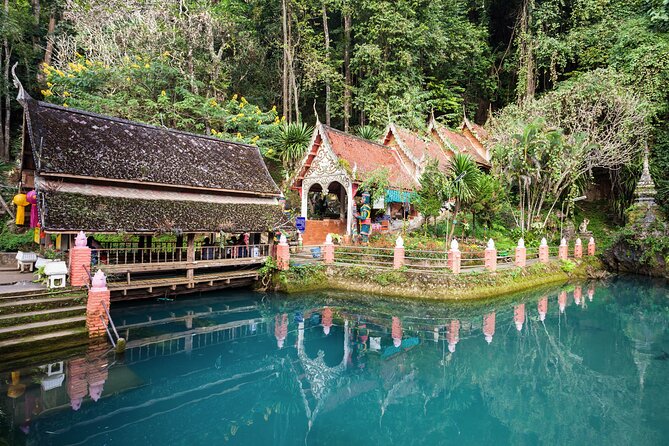
After the cave, the route includes time around Chiang Dao market before continuing to Buatong Sticky Waterfall. The schedule allows about two hours for this section, including the waterfall and the transition through the market area.
Food is not included, so budget for your own meal and drinks. This is a minor extra cost, but it gives you a chance to choose what appeals to you instead of receiving a fixed tourist lunch. Local produce and regional food are part of the appeal. One past outing included a memorable market stop with a chance to see fresh goods and sample corn.
The plan also includes passing Mae Malai Market on the return to Chiang Mai. Do not expect a long shopping session unless your guide and timing allow it. Think of these markets as useful windows into the region, with a practical meal break rather than a separate market tour.
I like this middle section because it prevents the day from becoming a simple cave-and-waterfall checklist. You get a glimpse of ordinary commerce and local food between the two outdoor stops. Just remember that the tour price does not cover what you eat or buy.
A few more Chiang Mai half-days worth weighing up
- Full Day Thai Cooking at Farm (Chiang Mai)
★ 5.0 · 1,127 reviews - Care Pride Elephants: Full-Day Tour Experience
★ 5.0 · 658 reviews - Doi Inthanon National Park Eco-Friendly Full Day Tour
★ 4.5 · 248 reviews - Chiang Mai: Full-Day Kerchor Elephant Eco Park Tour & Trek
★ 4.6 · 224 reviews
Climbing Buatong Sticky Waterfall
Buatong Waterfall, also called Sticky Waterfall, is the day’s most physical and playful stop. Water runs over pale rock, but mineral deposits give the surface a rough texture that helps your feet and hands grip. Instead of worrying about slipping down a conventional waterfall, you can climb upward along the wet rock.
The name is not a promise that you can ignore safety. You still need to move carefully and follow your guide’s advice. The climb is optional, and you can appreciate the setting without taking on every section. But if you enjoy active sightseeing, this is likely to be the highlight.
Several guides have helped older participants complete the climb at a comfortable pace, including Nun on one outing. That does not make the activity suitable for everyone. The tour is designed for active people and calls itself a challenge for good reason. If you have trouble with balance, dislike wet surfaces, or want a relaxed sightseeing day, the waterfall may be more effort than fun.
The reward is a memorable way to experience water and rock. You are not standing behind a railing looking at a waterfall. You are part of the scene, testing the unusual grip of the mineral-coated surface while enjoying the surrounding setting.
What the $90 price really covers
At $90 per person, this is not the cheapest way to see Chiang Dao. You could potentially arrange parts of the outing independently, but the price includes several practical pieces that add up: an air-conditioned vehicle, an English-speaking guide, pickup and drop-off, bottled water, insurance, and the 40 THB Chiang Dao Cave entrance fee.
The included transport matters most. Chiang Dao Cave and Buatong Sticky Waterfall are not a compact pair of attractions in central Chiang Mai. A driver and guide remove the need to sort out separate transport, timing, and directions. You also avoid having to coordinate the cave, market stop, and waterfall yourself.
The group cap improves the value. You are paying for a full day of transport and guiding, not merely admission to two sites. If your group is large enough to receive private treatment, the cost may feel more reasonable because the guide can shape the day around your pace. During busy periods, you still join a small group of up to nine.
There are two costs to keep in mind. Food and drinks are extra, and the lantern guide for the dark cave costs 300 THB per group of four. The first is easy to plan for. The second is worthwhile only if you want the tighter, darker passages. You should not feel pressured to add it.
Timing, pickup, and the shape of the day

The scheduled start is 8:00 am, and the total duration is about 6 hours 30 minutes. The listed meeting point is Tha Phae Gate on Tha Phae Road, though hotel pickup and drop-off are offered. Confirm the exact pickup arrangement when you book, especially if you are staying outside the usual Chiang Mai pickup area.
The day has a sensible rhythm:
- Morning departure from Chiang Mai
- About three hours at Chiang Dao Cave
- Market and meal time
- About two hours at Buatong Sticky Waterfall and the surrounding national park
- Return through Mae Malai Market
- Drop-off at the meeting point or arranged hotel location
Three hours at the cave may sound long if you plan only to see the lit chambers. It makes more sense if you add the inner-cave route, take time with the shrine areas, and let the guide explain what you are seeing. If you skip the dark passages, the pace may feel more relaxed.
The return point is the original meeting point unless hotel drop-off has been arranged. Allow some flexibility in your plans after the tour. The stated duration is approximate, and active outings with market stops do not always run like a train timetable.
Who will enjoy this outing most
You should book this if you want an active day outside Chiang Mai and enjoy variety. It suits people who like combining culture, geology, local food, and physical activity instead of spending the day at one polished attraction.
It is a particularly good match for:
- Adults and older participants who remain comfortable with moderate physical activity
- People who want an optional cave challenge rather than a fixed route
- Small groups who value direct contact with a guide
- Anyone curious about Buddhist shrines in a natural setting
- Visitors who want to climb a waterfall instead of only photograph one
Think twice if you need a fully accessible route, dislike heat and humidity, or prefer a calm sightseeing schedule. The standard cave chambers are easier, but the optional passages can require crawling. The waterfall involves wet, uneven movement, even if the rock is unusually grippy.
The tour information says most people can participate, but that should not be read as a guarantee that every part will feel easy. If you are unsure, tell the guide at the start. The flexible format lets you enjoy the illuminated cave and watch the waterfall without taking on the hardest sections.
Practical details that make the day better
Wear footwear suited to walking and wet rock. The tour does not list special gear, so I would avoid anything delicate or slippery. Bring a way to protect items you do not want exposed to cave dampness or waterfall spray, though the provided details do not promise storage facilities.
Carry some Thai baht for food, drinks, market purchases, and the optional lantern guide. The cave entry fee is included, but personal expenses are not. Bottled water is supplied, which is useful on a warm active day.
The experience is confirmed at booking, and free cancellation is available if you cancel at least 24 hours before the start time. Cancellations or changes made less than 24 hours before departure are not accepted for a refund. The cut-off follows local Chiang Mai time.
The tour is usually booked around 10 days ahead. That is a useful planning clue, not a rule. If you want a particular date, small group, or guide, booking ahead is sensible.
Should you book the Chiang Dao Cave and Sticky Waterfall tour?
I would book it if you want Chiang Mai to include a real physical adventure. The cave gives you statues, offerings, and striking limestone formations. The waterfall gives you a hands-on challenge. Together, they make a more varied day than a standard temple-and-market excursion.
The strongest reasons to go are the optional lantern-led cave route, the small group size, and the guides’ reported ability to explain the site while keeping the pace friendly. The main warning is just as important: this is not a soft sightseeing day. Heat, humidity, narrow passages, and wet rock are part of the deal.
Choose the standard cave visit if you want the cultural and natural highlights without crawling. Add the lantern guide if you enjoy enclosed spaces and want the cave to feel like a true expedition. At $90, the outing makes the most sense when you value included transport, personal guiding, and two substantial stops rather than simply chasing the lowest admission price.
FAQ
How long does the Chiang Dao Cave Trekking Small Group Tour last?
The experience lasts approximately 6 hours 30 minutes.
What time does the tour begin?
The scheduled start time is 8:00 am.
Where does the tour start?
The listed meeting point is Tha Phae Gate on Tha Phae Road in Chiang Mai. Hotel pickup is also offered, so confirm your specific pickup arrangement when booking.
Is transportation included?
Yes. An air-conditioned vehicle and pickup and drop-off at your hotel are included. The activity ends back at the meeting point unless hotel drop-off is arranged.
Is the Chiang Dao Cave entrance fee included?
Yes. The 40 THB Chiang Dao Cave entrance fee is included in the tour price.
Does the tour include food and drinks?
Food and drinks are not included. Bottled water is provided, and you can buy food during the market and meal stop.
How much does the optional lantern cave guide cost?
The guide with a lantern costs 300 THB per group of four. This fee is separate from the tour price and applies to the darker inner-cave route.
Just added around Chiang Mai
- Wat Phra That Doi Suthep & Wat Pha lat Evening Tour & Guide★ 4.5 · 89 reviews
- Walk With Monks Collecting Alms(meeting point maybe change)★ 4.9 · 8 reviews
- Chiang Mai: Doi Inthanon Park Day Trip with Kiw Mae Pan Hike★ 4.6 · 75 reviews
- Chiang Mai Zipline White Water Rafting and Elephant Sanctuary★ 4.0 · 11 reviews
- Zipline+Sticky waterfall+Long Neck Village Private Tour★ 5.0 · 22 reviews
- Chiang Mai Airport Private Transfer – Hotel or Airport★ 4.5 · 51 reviews
- Trek to a Jungle Waterfall★ 5.0 · 14 reviews
- Zipline Adventure at Skyline Jungle Luge Chiang Mai★ 5.0 · 102 reviews
Chiang Mai Tours, compared.
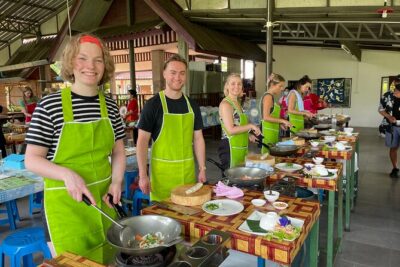
Half-Day Thai Cooking Class at Organic Farm in Chiang Mai
Read our review →
Elephant Sanctuary, Waterfall & Bamboo Rafting
Read our review →

Chiang Rai Temples, Karen Tribe and Hot Springs
Read our review →
Cooking Class, Market & Thai Herbs Garden Tour
Read our review →
Authentic Cooking Class with Market & Farm Visit
Read our review →
Elephant Sanctuary Feeding Program Half-Day Tour
Read our review →Browse the lists this tour appears in