
Reviewed · CHIANG MAI TOURS
Half-Day Elephant Experience at Rantong
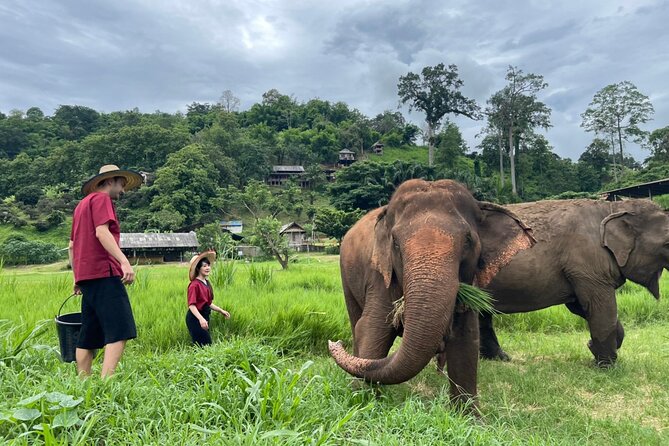
The best part of this Chiang Mai outing is the close contact with elephants without a riding program. You help make vitamins for pregnant, injured, and older animals, feed them, walk beside them, and join their bath. I like the small groups of up to 15 and the calm, clear instruction from guides such as Seven, Rambo, Nikon, and Oh-Oh. I also like that lunch, changing areas, and hotel transfers are included.
The main drawback is the road time. The centre is about an hour from Chiang Mai, and the shared van can feel crowded and rough. Pickup timing has also been uneven, so leave plenty of room around this five-hour trip if you have an evening train, flight, or dinner booking.
Key points at a glance
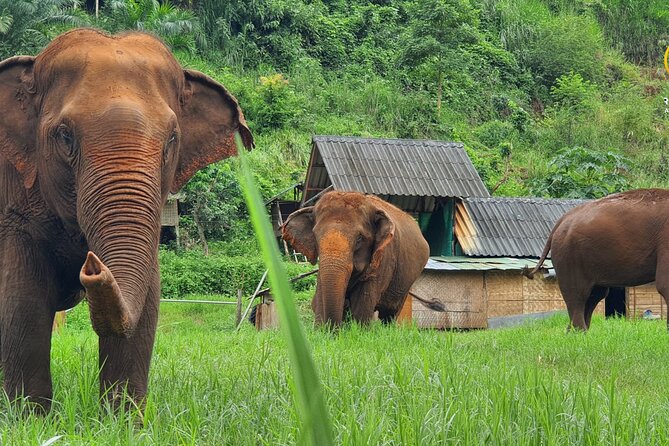
- Make elephant vitamins: Prepare food supplements for pregnant, injured, and older elephants before meeting them.
- No elephant riding listed: The activities focus on feeding, walking, observation, and bathing.
- Small-group format: A maximum of 15 people allows more time for questions and hands-on instruction.
- Water-friendly visit: You may get wet and muddy while helping bathe the elephants, so bring spare clothes and sandals.
- Thai meal included: Expect Thai food, seasonal fruit, and drinking water after the elephant activities.
- Hotel pickup in Chiang Mai: Transport removes the need to arrange your own way to Mae Taeng, though the van ride is the least polished part of the outing.
Meeting rescued elephants near Mae Taeng
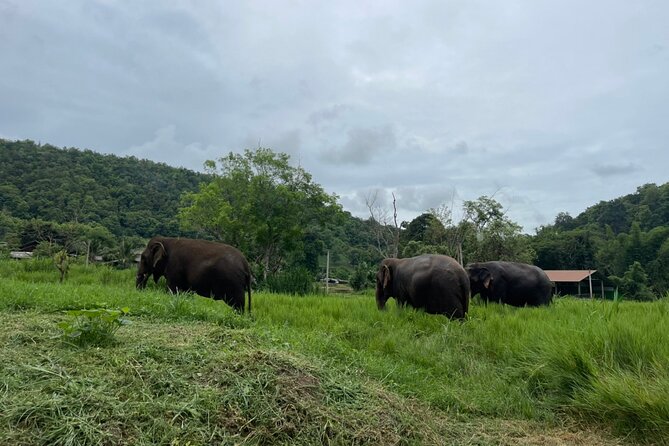
Ran-Tong Save & Rescue Elephant Centre sits in Mae Taeng District, roughly an hour outside Chiang Mai by road. That distance matters. This is not a quick city attraction you can fit between temple visits. It takes most of a morning or afternoon, including pickup, the drive, time at the centre, and the return trip.
The reward is a setting with room for the elephants and a schedule built around their care. The centre looks after elephants described as rescued, including pregnant, injured, and older animals. You are not simply brought in for a photo. The visit begins with a short lesson about the centre and elephant behavior, giving you a better sense of why the staff approach the animals in a particular way.
On arrival, you change into Karen-style mahout clothing. This is practical as well as photogenic. You will handle food, stand near the elephants, and may end up wet or muddy. Changing clothes early means you can keep your own outfit clean for the drive home.
The tour runs in morning and afternoon versions, so you can choose the one that fits your Chiang Mai plans. The exact pickup time depends on your accommodation and the shared route. Keep your phone available and allow a little flexibility. One reported problem was a late pickup caused by traffic, while another visitor had to wait a long time for the return transfer. That is not the usual experience described here, but it is a fair reason not to schedule something time-sensitive immediately afterward.
A few more Chiang Mai half-days worth weighing up
- Half-Day Thai Cooking Class at Organic Farm in Chiang Mai
★ 5.0 · 19,087 reviews - Chiang Mai: Elephant Sanctuary Feeding Program Half-Day Tour
★ 4.8 · 4,527 reviews - Chiang Mai: HALF-DAY COOKING COURSE at a Thai Cooking Farm
★ 4.9 · 705 reviews
What the elephant school teaches you
Before the hands-on activities, the guide introduces the centre and explains how to behave around the elephants. This portion gives the day some purpose. You learn that the animals are not props waiting for a performance. They have different ages, conditions, and personalities, and the staff adjust their care accordingly.
Guides have been a major strength of this outing. Seven is repeatedly singled out for clear explanations and a warm manner. Rambo, Nikon, Oh-Oh, and Dang are also named as engaging guides on different departures. You cannot choose your guide in advance, but the program uses guides who explain elephant behavior and give direct instructions before you get close.
That guidance is especially useful if this is your first time near an elephant. These are powerful animals, and feeding or bathing them is not the same as visiting a petting zoo. You need to listen, move carefully, and let the guide manage the interaction.
The small group cap helps here. With no more than 15 people, you are less likely to spend the entire session watching from the back. Groups can still feel busy, especially when several people gather around one elephant, but the size is more manageable than a large coach outing.
Making vitamins for older and injured elephants
One of the more distinctive parts of the visit is preparing vitamins for the elephants. The activity includes food supplements for pregnant, injured, and older animals, so you see a small but meaningful part of their daily care.
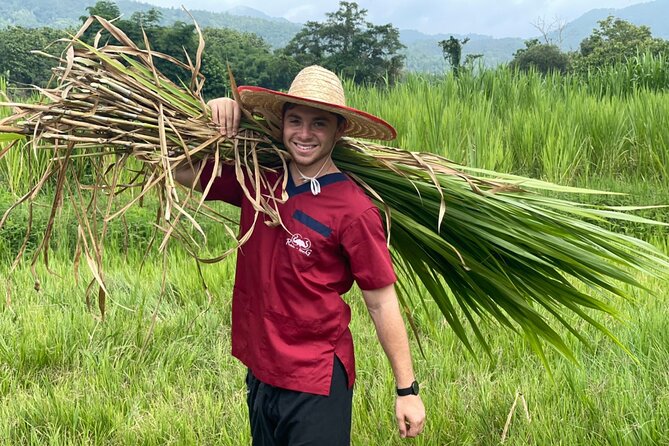
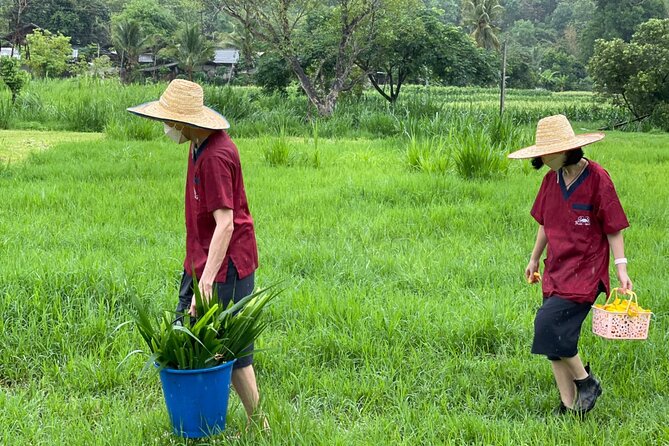
This step also changes the pace. Instead of rushing straight to the biggest photo opportunity, you first learn how food supports the elephants. You may process sugar cane and prepare it for feeding, giving you a simple task that connects the visit to the centre’s routine.
Feeding is usually the first moment when you feel the elephant’s size up close. The animals take food directly from your hands, and the guides show you how to offer it. You should follow their instructions rather than reaching in casually. The experience is exciting, but it is best enjoyed with patience. Let the elephant set the pace, and pay attention if it moves away.
That freedom is an important part of the visit. The program’s activities are described as feeding, walking, observing, and bathing, rather than riding or forcing a performance. You get close, but the stated aim is to spend time with the animals in conditions close to their natural surroundings.
Walking, watching, and reading elephant behavior
After feeding, you walk with the elephants and observe them as they move around the centre. This can be more interesting than a fixed photo session because you see how the animals respond to one another, to food, and to the people around them.
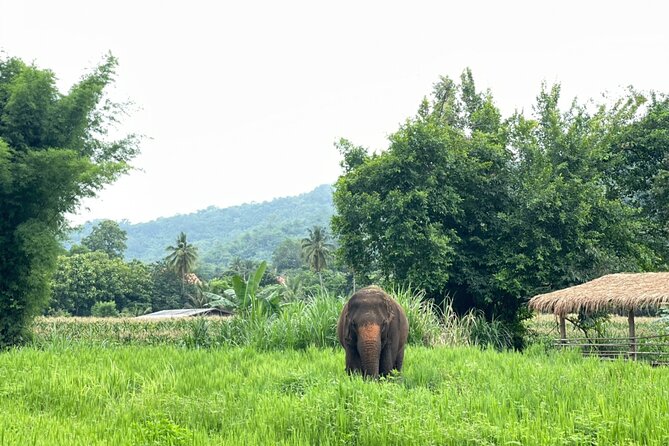
The centre is described as a fairly large facility of about 10 to 20 acres, with roughly 13 to 20 elephants depending on the time and description. Numbers can change, but the useful point is that this is not a tiny enclosure with one animal waiting for a queue of photo takers.
Your guide remains nearby to explain behavior and keep the group organized. Guides may also help with photos, which is useful if you are traveling alone. One solo visitor especially appreciated having photos and videos taken during the activities.
Do not expect every minute to be packed with action. The elephants may pause, wander, or lose interest in the group. That is a positive sign for anyone seeking a less staged encounter, but it can disappoint someone expecting nonstop touching and perfectly arranged pictures.
The dogs around the centre may also attract attention. Several friendly stray dogs are present, and they may come over for a pat or belly rub. If you are traveling with children, this adds another pleasant distraction, though it can pull young visitors away from the main activity.
Same base, a completely different kind of day out:
- Chiang Mai: Elephant Sanctuary, Waterfall & Bamboo Rafting
★ 4.9 · 9,160 reviews - Chiang Mai: Doi Inthanon National Park Eco-Friendly Tour
★ 4.6 · 6,667 reviews - Chiang Mai: Elephant Sanctuary & Waterfall Group Tour
★ 4.9 · 5,780 reviews - Chiang Mai: Chiang Rai Temples, Karen Tribe and Hot Springs
★ 4.7 · 5,401 reviews
The elephant bath, the wettest part of the day
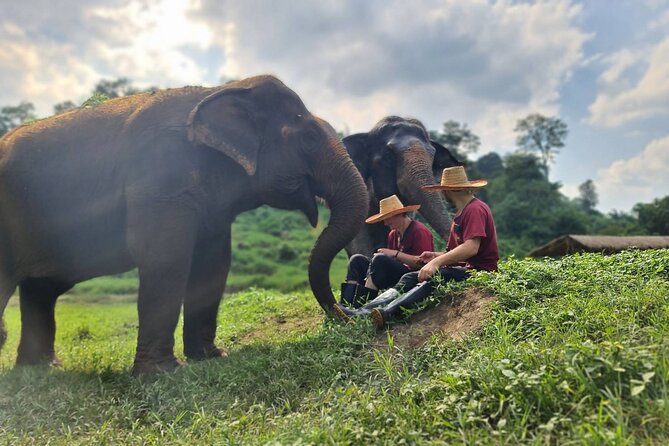
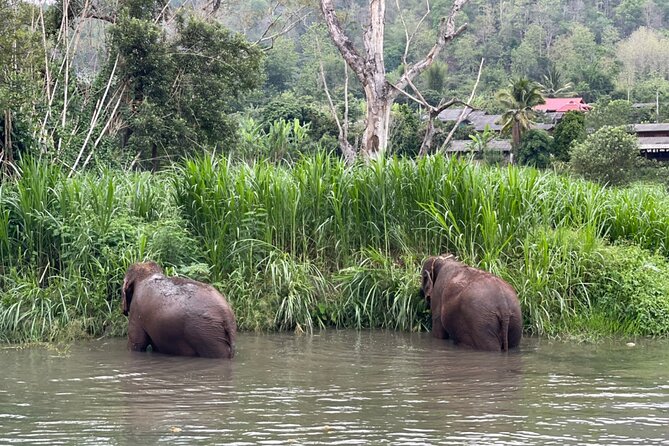
Bathing the elephants is the signature activity for many people. You walk into the water, help wash the animals, and watch them enjoy a change from the heat and dust. The setting is intended to be close to the elephants’ natural environment, and the activity feels more active than simply standing beside them.
Expect to get wet. Bring sandals you do not mind getting dirty, along with spare clothes. Comfortable shoes are useful for the walking portion, while waterproof footwear works better around the water and mud.
The centre provides mahout-style clothes, and some departures also provide boots. After the bath, you can change and shower. The changing and shower area has been described as clean and spacious, with towels and shower gel available. Still, bring your own shampoo and soap if you prefer familiar products, since those are specifically listed among the recommended items.
The bath requires a little common sense. Follow the guide’s directions, stay with your group, and do not assume that an elephant wants constant contact. The best moments come when you watch the animal’s response instead of trying to create a picture at any cost.
Thai food after the elephant activities
Once you say goodbye to the elephants and change clothes, the tour includes a Thai meal. The food is described as Thai dishes, seasonal fruit, and drinking water, with pad Thai and tropical fruit specifically noted on one visit.
This is a useful inclusion at the end of a half-day program. You have been outside, handling food, walking, and getting wet, so a meal saves you from having to find food immediately after returning to Chiang Mai. Portions have been described as plentiful, and the meal is one of the more consistent value points in the package.
Do not treat lunch as a culinary tour. It is a straightforward included meal rather than a restaurant stop, but it adds comfort and makes the price easier to justify.
The van ride and the real cost of convenience
At $58.70 per person, this is not the cheapest way to see an elephant, but the price covers a lot: hotel pickup and return in Chiang Mai, the roughly five-hour schedule, clothing, the guided care session, elephant activities, a shower opportunity, and a Thai meal.
I see the strongest value in the convenience. You do not need to find a rural meeting point or arrange a private driver to Mae Taeng. For a first visit to Chiang Mai, that simplicity can be worth a good part of the cost.
The weak point is the shared transport. The ride takes about an hour each way, and the van may collect people from several hotels. Some departures have been comfortable and on time, while others have involved a crowded vehicle, poor seatbelt availability, a cramped seat, or unsafe driving. One tall passenger found the roof clearance uncomfortable, and another described an unpleasantly fast drive.
You cannot guarantee the vehicle or driver in advance from the details provided, so consider this honestly. If you dislike long shared rides, have mobility concerns, or want a quiet private journey, a private transfer would be more comfortable, though it would change the value equation.
Who will enjoy this half-day outing
I would choose this experience if you want hands-on contact with elephants and are comfortable with a day that includes mud, water, shared transport, and a set group schedule.
It suits families particularly well. The program is described as safe for children, and younger visitors can feed the elephants, watch the guides, and take part in the bath with supervision. Adults should still stay alert and make sure children follow instructions around the animals.
It also works well for solo visitors. The group structure gives you company, and guides may help with photos. Couples and families who want an easy package from Chiang Mai will appreciate the pickup, meal, and clothing arrangements.
I would think twice if you want a quiet wildlife observation session with no physical contact. This outing is deliberately interactive. Feeding and bathing bring you close to the elephants, so you should be comfortable with that style of visit.
The ethical question deserves a careful answer. The program described here does not include riding. Its activities center on food preparation, feeding, walking, observation, and bathing, and the staff give instructions about letting the animals move at their own pace. Those are encouraging features, but you should still decide how much hands-on contact fits your own standards for animal tourism.
What to pack for a dry ride home
Bring the items that make the day easier:
- Spare clothes for after the bath
- Comfortable shoes for walking
- Sandals or shoes you do not mind getting wet and dirty
- Shampoo and soap
- A camera or phone
- Mosquito spray or insect repellent
Wear something simple under the provided clothing. Keep valuables to a minimum, since water and mud are part of the schedule. A small bag with dry clothes will make the return van ride much more pleasant.
The activity is mobile-ticketed, and confirmation is provided when you book. Hotel pickup is offered from Chiang Mai city accommodation, so check that your lodging falls within the stated pickup area.
Should you book the Ran-Tong elephant experience?
Book it if you want a well-organized half-day with rescued elephants, direct participation, and no riding listed in the program. The strongest reasons are the small group, thoughtful food-preparation activity, attentive guides, included meal, and chance to feed, walk with, and bathe the elephants.
Skip it if a rough shared van ride would spoil the day, or if you prefer to observe animals without touching them. Also leave a buffer after the tour in case traffic or hotel drop-offs take longer than planned.
At $58.70, the package offers solid value for an easy Chiang Mai pickup and a full schedule of care activities. Just think of the transport as functional rather than luxurious, pack for water, and let the elephants set the pace.
FAQ
How long does the Ran-Tong elephant experience last?
The experience lasts approximately five hours, including hotel pickup, the drive to Mae Taeng, activities at the centre, the meal, and the return to Chiang Mai.
Does the tour include hotel pickup and drop-off?
Yes. Pickup and return transportation are offered from accommodation in Chiang Mai city.
How far is the elephant centre from Chiang Mai?
The drive to Ran-Tong Save & Rescue Elephant Centre in Mae Taeng District takes approximately one hour each way.
How many people can join the tour?
The activity has a maximum group size of 15 people.
What activities do you do with the elephants?
You learn about the centre, make vitamins, feed the elephants, walk with them, observe them, and help bathe them. Elephant riding is not listed among the activities.
Is a meal included?
Yes. The meal includes Thai food, seasonal fruit, and drinking water. Pad Thai and tropical fruit are among the foods described.
What should you bring?
Bring spare clothes, comfortable shoes, sandals that can get wet and dirty, shampoo, soap, a camera, and mosquito spray or insect repellent.
Just added around Chiang Mai
- Taste of Chiang Mai: Michelin Guide & Street Food Tour★ 4.9 · 159 reviews
- Red, Blue, White Temples & Hot Spring Trip from Chiang Mai★ 4.4 · 143 reviews
- From Chiang Mai: Mae Taeng Valley and Waterfalls Cycle Tour★ 4.9 · 159 reviews
- Long Neck Village, Silver Temple & Chiang Mai Top Sites★ 4.7 · 17 reviews
- Chiang Mai: Local Northern Thai Cooking Class at Grandma’s★ 5.0 · 33 reviews
- Chiang Mai: Khum Khantoke Northern Thai Cuisine and Show★ 4.3 · 38 reviews
- Private : Sticky Waterfall & Secret Temple & Karen Village.★ 5.0 · 9 reviews
- Half-day with CHIANGMAI ELEPHANT CARE program (12pm-6pm.)★ 5.0 · 27 reviews
Chiang Mai Tours, compared.
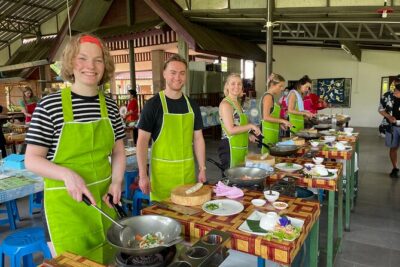
Half-Day Thai Cooking Class at Organic Farm in Chiang Mai
Read our review →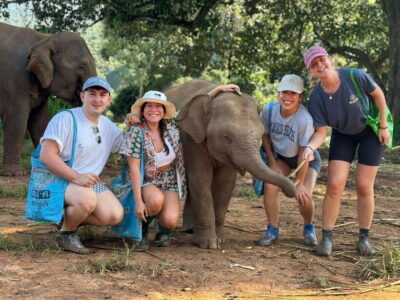
Elephant Sanctuary, Waterfall & Bamboo Rafting
Read our review →
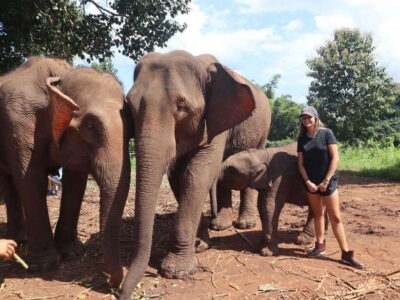
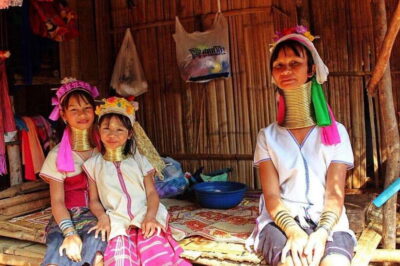
Chiang Rai Temples, Karen Tribe and Hot Springs
Read our review →
Cooking Class, Market & Thai Herbs Garden Tour
Read our review →
Authentic Cooking Class with Market & Farm Visit
Read our review →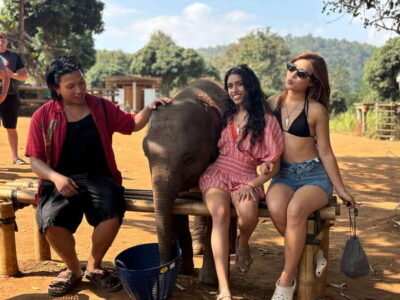
Elephant Sanctuary Feeding Program Half-Day Tour
Read our review →Browse the lists this tour appears in