
Reviewed · KOH TAO TOURS
Become certified diver in 3 days – PADI Open Water Diver course on Koh Tao
Koh Tao’s three-day PADI course takes you from textbook basics to four open-water sessions around Nang Yuan Island, with equipment, certification, and a logbook included. It is a serious course, not a quick afternoon tryout, but the training is broken into manageable steps. If Dominik Maier is your instructor, expect a teacher who can ease nerves while staying firm about safety.
I like the small maximum group of 10, which gives the instructor room to watch your skills. I also like the practical setup: Scuba Birds is within easy walking distance of the pier, so you do not need to arrange a separate transfer. The main drawback is the pace. You must complete reading, quizzes, confined-water practice, four sea sessions, and a final exam in only three days.
Key points at a glance
- Four sea sessions are included: Two reach a maximum of 12 meters on Day 2, followed by two reaching 18 meters on Day 3.
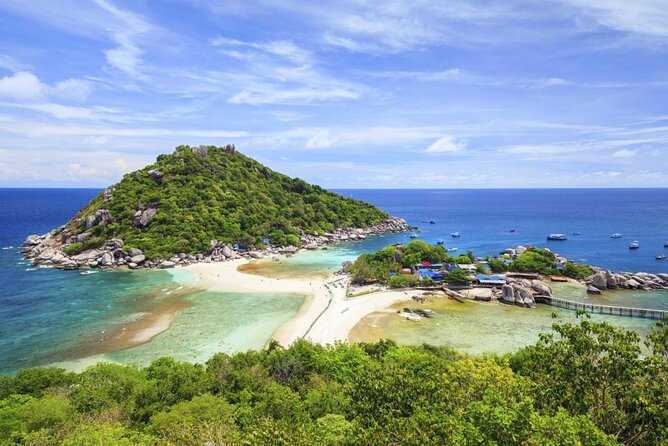
- Nang Yuan Island provides the practical setting: Your first skills practice takes place in shallow water before you move into open water.
- The course ends with a PADI certificate: You also take home a logbook for recording future underwater trips.
- Classroom work matters: Five manual chapters, five video sections if used, five knowledge reviews, quizzes, and a written exam form a large part of the course.
- The group is capped at 10: That is useful for beginners who need clear demonstrations and personal correction.
- The price is $375.70: Equipment, instruction, four sea sessions, the exam, certification, and logbook make this a stronger value than a one-off introduction for someone committed to learning.
What you are really signing up for
This is a full PADI Open Water Diver course, not a sightseeing boat trip with a short underwater sample. You are working toward a qualification recognized for scuba activities around the world, so the course asks you to learn both practical skills and basic theory.
That distinction matters. You will spend time with a manual, knowledge reviews, and quizzes before you can simply enjoy the sea. The reward is that you finish with a useful foundation, rather than only a single guided experience that ends when you return to shore.
The three-day schedule is compact but clear. Day 1 introduces the equipment and basic procedures. Day 2 moves you into two open-water sessions with a maximum depth of 12 meters. Day 3 brings two more sessions, reaching 18 meters, followed by the final certification process.
You should arrive ready to concentrate. The course begins at the Scuba Birds PADI center at 9 a.m., though later sessions start earlier, including an 8 a.m. theory block on the final day. This is not a good fit if you want every morning to begin slowly.
A few more Koh Tao half-days worth weighing up
- Open Water Course – Become certified diver in 3 days
★ 5.0 · 1,137 reviews - Padi open water diver course, become a diver in 3 days
★ 5.0 · 113 reviews - Angkor Wat 3-Day Tour from Bangkok
★ 4.5 · 58 reviews
Day 1: From the manual to shallow water near Nang Yuan
Your first academic task is to read five chapters of the PADI Open Water Diver manual. You can also watch five sections of the training video, then complete five knowledge reviews. The exact split between reading and video is flexible, but the learning is not optional.
I see this as a useful opening for a beginner. The manual gives names and reasons to the procedures you will soon practice. You learn what the equipment does, how buddy procedures work, and why careful checks matter before entering the sea.
The first classroom block lasts about two hours. That may sound modest, but the reading and review work requires additional effort outside the short classroom period. Plan your day with enough energy for study, not just sun and sea.
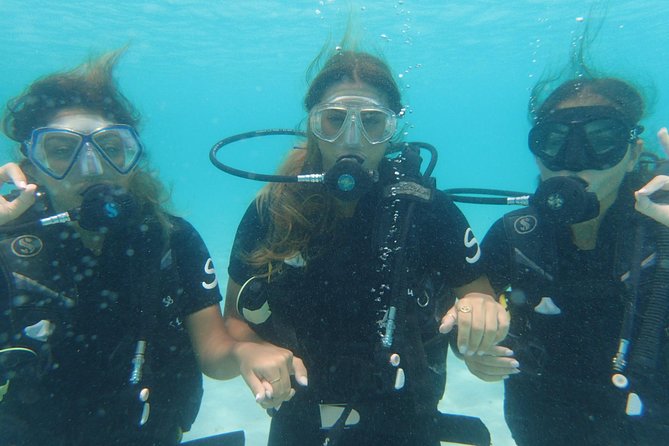
The practical portion takes place near Nang Yuan Island, where you begin in shallow water. Here you learn to assemble your equipment, follow buddy procedures, and handle basic underwater skills in a controlled setting. This is the right order for first-timers: learn the movements close to the surface before heading farther out.
A shallow-water session can also be the moment when nerves appear. Breathing through a regulator, wearing a full set of equipment, and communicating underwater feel unfamiliar at first. A calm instructor is valuable here. Dominik Maier is specifically identified as an instructor on this course, and his teaching style is described as humorous when possible but firm when safety calls for it.
That combination is worth noting. You do not need a guide who treats every concern as a joke, and you do not need one who makes the course feel grim. You need clear instructions and someone willing to slow down when a skill has not clicked.
Day 1 is long when the classroom and practical blocks are combined. The Nang Yuan portion is scheduled for about five hours, so bring patience and expect the course to occupy most of the day.
Day 2: Two open-water sessions to 12 meters
The second day begins with more theory at Scuba Birds. You continue through the knowledge reviews and quizzes, reinforcing the material from the first day. This classroom follow-up is important because the practical skills make more sense when you understand the reason behind them.
From 10 a.m. to 3 p.m., you complete two open-water sessions around Nang Yuan Island. The maximum depth is 12 meters, a measured step beyond the shallow-water work from Day 1. You repeat the skills in the sea, where conditions are less controlled and you must use the equipment as part of a working system.
I like this progression. The course does not throw a beginner straight into its deepest scheduled session. You first learn the procedures, then repeat them in open water, with a moderate depth limit before moving farther on the final day.
The two-session format also gives you a real sense of how much concentration scuba requires. You are not simply looking at coral and marine life. You are checking equipment, staying aware of your buddy, following instructions, and managing your position in the water.
Nang Yuan Island is the scenic setting, but the island is not the whole point of the day. The location provides the sea access for your training, while the instructor’s focus remains on completing required skills correctly. If your priority is pure sightseeing, a dedicated recreational boat trip may suit you better.
For someone who wants a qualification, though, this is where the value becomes clearer. The price includes four open-water sessions, and Day 2 gives you two of them at a depth that lets you build confidence without rushing toward the final limit.
Day 3: Two deeper sessions and the final exam
The last day starts early. Theory continues at 8 a.m., followed by the final written exam. Give yourself a quiet evening before this morning. The course has already covered five manual chapters, video material if used, knowledge reviews, quizzes, and practical work, so the exam is the formal check that you understand the basics.
After the academic work, you return to Nang Yuan Island for two more open-water sessions from 9 a.m. to 2 p.m. These reach a maximum depth of 18 meters. You continue practicing and refining the skills introduced earlier, now with the course moving toward its certification standard.
The increase from 12 to 18 meters is not just a number. It marks the point where you must trust your preparation, manage your equipment properly, and remain attentive to procedures at a greater depth. The instructor still controls the training, but you are expected to show that the basic skills are becoming dependable.
The final part of the day handles the certification procedures. Once you have completed the required theory and practical work, you finish as a PADI-certified open-water diver and receive a logbook. The book is a small but useful inclusion. It gives you a place to record future underwater outings and begin building a personal record of your experience.
By the end of Day 3, you will probably be ready for a shower and a quiet meal. This schedule is efficient, but it leaves little spare time. That is the trade-off for earning the certificate in three days.
Same base, a completely different kind of day out:
- Koh Tao: Islands Snorkeling Highlights Day Tour & Lunch
★ 4.7 · 3,742 reviews - Full day snorkeling adventure around Koh Tao
★ 5.0 · 2,300 reviews - Koh Tao: Koh Nangyuan & Hidden Bays Snorkeling Tour w/ Lunch
★ 4.6 · 912 reviews - Ko Tao: Tao-Nangyuan Snorkeling Day Trip with Meals & Sunset
★ 4.6 · 711 reviews
Why the four sea sessions matter
A single introductory session can show you what scuba feels like. It cannot provide the same amount of practice as four open-water sessions. Here, you repeat skills across multiple outings and move from shallow practice to 12 meters, then to 18 meters.
That repetition is one of the strongest reasons to choose this course. You have more than one chance to become comfortable with the equipment and the procedures. If the first session feels awkward, the next three give you room to improve.
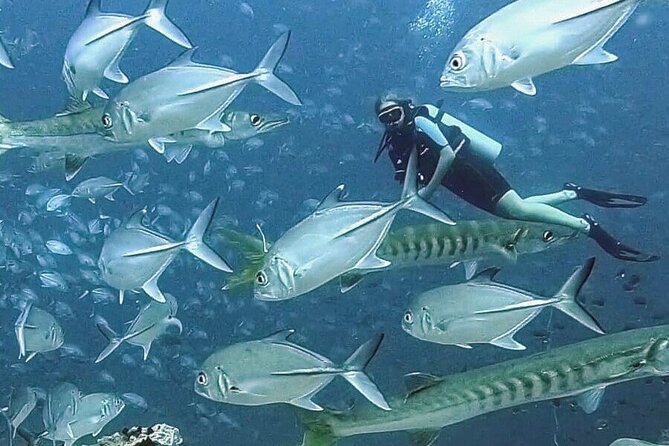
The schedule also gives you a useful balance between training and scenery. Nang Yuan Island supplies the setting for the practical work, and the Gulf of Thailand offers coral and marine life to observe. Still, the course is structured around certification, not guaranteed wildlife sightings. Sea conditions and visibility can affect what you see.
The maximum group size of 10 is another practical advantage. A group of that size is not private instruction, but it is limited enough for an instructor to keep track of participants and correct technique. This matters most in shallow water, where a beginner may need a skill demonstrated more than once.
Is $375.70 a fair price?
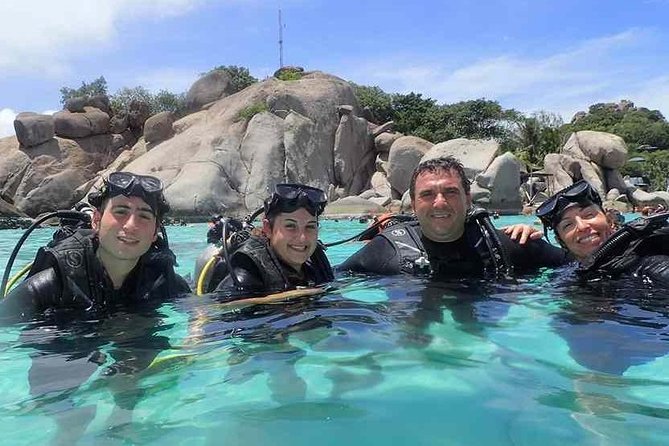
At $375.70 per person, this course costs more than a short introductory scuba session. That comparison is not quite fair, because you are buying three days of instruction and four open-water sessions rather than one brief experience.
The package includes the use of scuba equipment, the PADI certificate, and a logbook. It also covers the theory work, practical training, final exam, and certification procedures. For someone who intends to continue scuba activities, those inclusions make the price easier to justify.
You should think of the cost as paying for a qualification and a structured start, not simply for time in the water. If you already know you want to pursue scuba, earning a globally usable PADI certificate on Koh Tao can be a sensible use of your holiday budget.
The value is weaker if you are unsure about scuba or have only a few free hours. The course takes three days and requires study, early starts, and sustained attention. You may prefer a shorter introductory option if you want to test your comfort in the water before committing to certification.
Location, timing, and group practicalities
The meeting point is Scuba Birds PADI Dive Center at 24 Mae Haad, 21, Koh Tao, in Surat Thani province. It is within easy walking distance of the pier, which simplifies arrival if you are staying near Mae Haad or reaching Koh Tao by boat.
The activity ends back at the same meeting point. That makes the daily routine straightforward, though you should still allow time to reach the center at the specified start time. The first meeting is at 9 a.m., while the course schedule later includes an 8 a.m. theory session and a 9 a.m. final-day sea departure.
The maximum group size is 10 people. Most people can participate, and the center is near public transport. The supplied information does not give specific medical or swimming requirements, so ask the provider directly about any health concern before booking.
A mobile ticket is provided, and confirmation arrives when you book. The experience depends on suitable weather. If poor conditions cancel the course, you can receive a different date or a full refund.
You can cancel for a full refund up to 24 hours before the start time. Changes or cancellations inside that window are not accepted, so keep your plans firm once the deadline passes.
Who will get the most from this course?
This course suits you if you are a first-time scuba student who wants a proper qualification rather than a one-off glimpse underwater. It also works well if you can give three consecutive days to a fixed schedule and are comfortable combining classroom study with physical practice.
You will appreciate the course more if you value clear steps. Day 1 builds the basics, Day 2 repeats them at 12 meters, and Day 3 takes you to 18 meters before certification. The structure gives you a visible path from uncertainty to competence.
It may not suit you if you dislike exams, have limited time on Koh Tao, or want a relaxed boat outing with no homework. The course is friendly in tone when the instructor allows, but safety requirements remain serious.
I would also choose a three-day course like this only if you can avoid rushing immediately afterward. The final day includes theory, an exam, two sea sessions, and certification procedures. The timetable is full, so give yourself some breathing room around it.
Should you book it?
Book this course if you want to leave Koh Tao with a PADI Open Water certificate, four open-water sessions, and a logbook rather than just a memorable afternoon. The included equipment and small maximum group help the $375.70 price make sense, particularly for a beginner who plans to scuba again.
Think twice if your holiday schedule is tight or your main goal is sightseeing. Three days of study and practical training is a real commitment, and the sea schedule depends on good weather.
For the right person, this is a practical route into scuba: accessible from the pier, carefully staged, and substantial enough to build a foundation. Just arrive ready to study, listen closely, and treat the three days as a course, not a casual excursion.
FAQ
How long does the PADI Open Water course last?
The course lasts approximately three days. It combines classroom theory, shallow-water training, four open-water sessions, a written exam, and certification procedures.
Where does the course begin?
You meet at Scuba Birds PADI Dive Center at 24 Mae Haad, 21, Koh Tao, Surat Thani, Thailand.
What time does the activity start?
The stated start time is 9 a.m. The schedule includes later starts of 10 a.m. for the two Day 2 sea sessions and 8 a.m. for theory on Day 3.
How many open-water sessions are included?
Four open-water sessions are included. Two take place on Day 2 with a maximum depth of 12 meters, and two take place on Day 3 with a maximum depth of 18 meters.
Is scuba equipment provided?
Yes. The course includes the use of scuba equipment for the open-water sessions.
Do I receive a certificate?
Yes. You receive a PADI diver certificate after completing the required theory, practical training, and final procedures.
Do I receive anything to record future sessions?
Yes. A diving logbook is included for recording your future dives.
What happens if bad weather cancels the course?
If poor weather causes cancellation, you are offered a different date or a full refund. You can also cancel up to 24 hours before the start time for a full refund.
Just added around Koh Tao
- Basic Diver ( One Day Experience)★ 5.0 · 205 reviews
- La Bombona Diving Koh Tao Try Dive★ 4.5 · 14 reviews
- Full Day Treasure Hunt on Koh Tao★ 5.0 · 86 reviews
- Snorkel Tour to Koh Nangyuan and the hidden bays of Koh Tao onboard the Oxygen★ 5.0 · 190 reviews
- Snorkel Trip to Koh Nangyuan and Bays of Koh Tao By The Oxygen★ 5.0 · 30 reviews
- La Bombona Diving Koh Tao Open Water Course★ 5.0 · 172 reviews
- PADI Discover Scuba Diving in Koh Tao – half day and two dives★ 4.5 · 74 reviews
- CocoTipAdventures and Snorkel with Meals-BBQs-Cocktail-Sunset★ 5.0 · 46 reviews
Koh Tao Tours, compared.
Islands Snorkeling Highlights Day Tour & Lunch
Read our review →
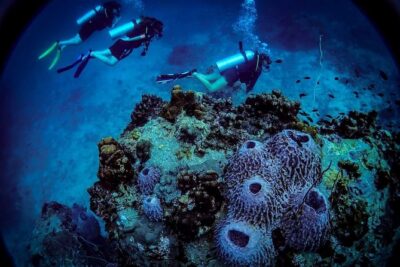
Open Water Course – Become certified diver in 3 days
Read our review →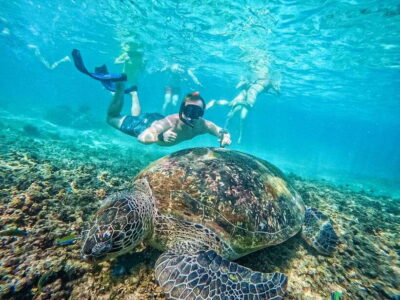
Koh Nangyuan & Hidden Bays Snorkeling Tour w/ Lunch
Read our review →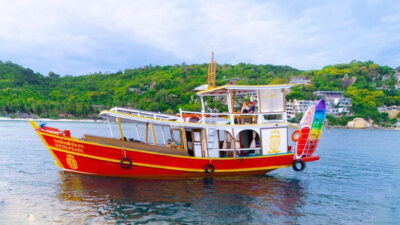
Tao-Nangyuan Snorkeling Day Trip with Meals & Sunset
Read our review →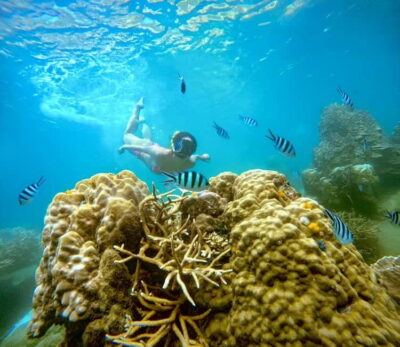
Snorkeling Trip to Nang Yuan Island & Hidden Bays
Read our review →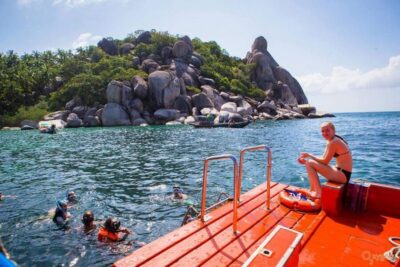
Koh Nangyuan and the Hidden Bays Trip by the Oxygen
Read our review →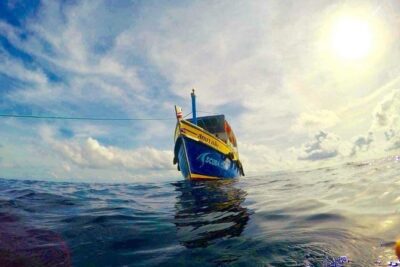
Advanced Adventurer – 2 days ( Advanced Open Water)
Read our review →Browse the lists this tour appears in