
Reviewed · CHIANG MAI TOURS
From Chiang Mai: Elephant Care Program and Nursery Tour
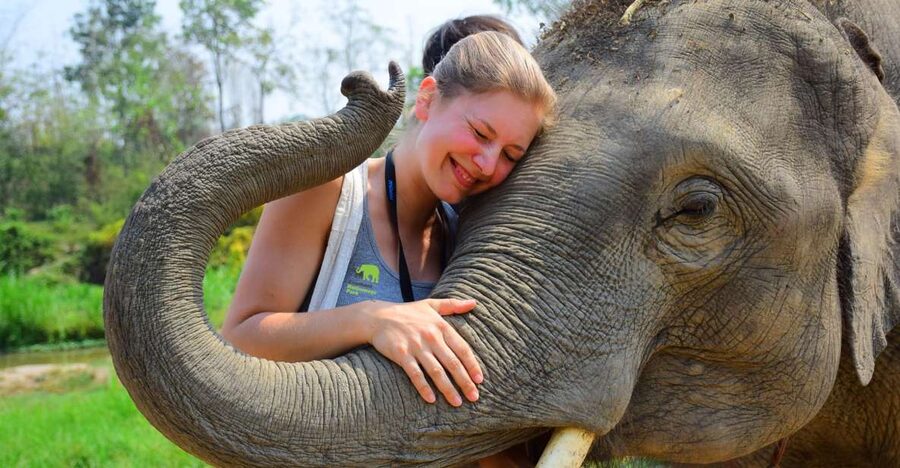
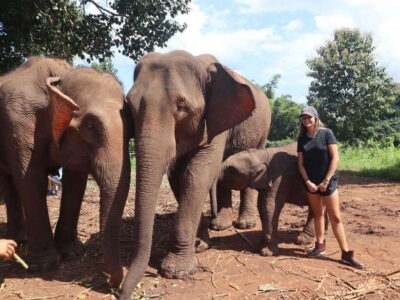
The best part of this elephant care program is that the elephants set the pace. You prepare food, feed them, walk behind them to the mud and sand spa, and watch them play or bathe without forcing them into a routine. Baby elephants may join the group, which adds plenty of charm, though their presence and behavior cannot be guaranteed.
I like the practical care lesson, especially making healthy treats and medicine balls instead of simply posing beside an elephant. I also like the small-group feel reported by several visitors, plus the Thai buffet, clean facilities, and included transport. The main consideration is the wet, muddy nature of the day: bring spare clothes, and be aware that one transport review raised concerns about seatbelts.
Key points to know before you book
- The elephants choose what happens: Staff do not force them to bathe, play, or join an activity.
- You make food and medicine balls: This gives the visit a useful care-focused purpose beyond feeding bananas.
- Mud and water are central: Expect splashing, dirty clothes, and a shower afterward.
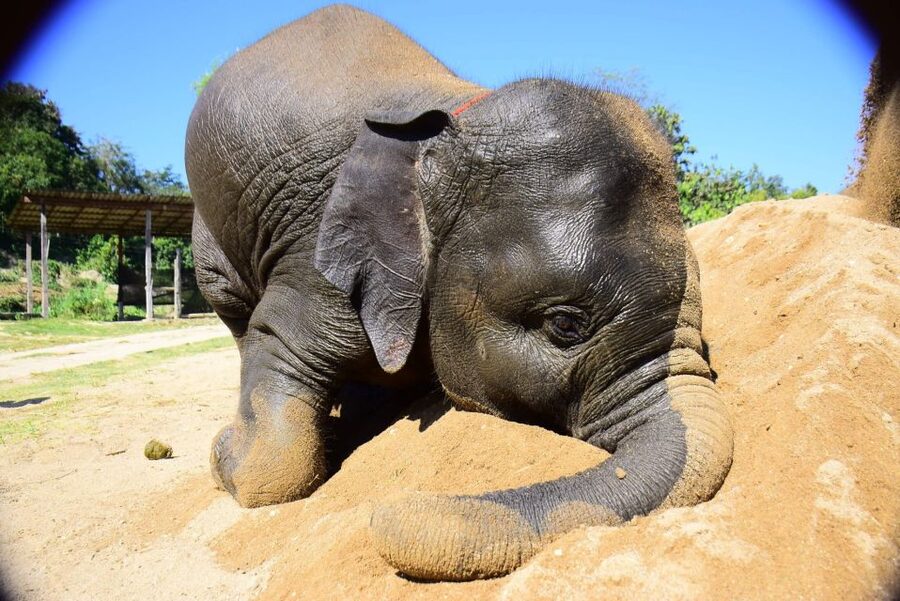
- Baby elephants may be present: The program can include time with younger elephants, including a very young calf mentioned in recent visits.
- Thai lunch and transfers are included: Hotel pickup within 5 kilometers of Chiang Mai Old Town, vegetarian food, drinks, and return transport are part of the price.
- Photos cost extra: An on-site photographer may capture the day, but the photo package is not included in the tour price.
From Chiang Mai to Mae Tang in one morning
This half-day outing begins with pickup from your Chiang Mai hotel, generally within 5 kilometers of the Old Town. The drive to Mae Tang district takes about an hour each way, so the program uses most of your morning and early afternoon without taking over an entire day.
That travel time matters. The countryside setting gives the elephants more room than a city attraction, but you are not getting a quick walk to a nearby enclosure. You should allow roughly five to six hours from pickup to return, including the road trip, changing, activities, lunch, and shower time.
The local operator confirms the pickup time again after booking. If your hotel is outside the regular pickup area, contact the operator rather than assuming the van will come to your door.
Transport is a major part of the value at $53 per person. A private taxi to the Mae Tang area, lunch, a guide, food for the elephants, and drinks could add up quickly. The ride is usually described as punctual and comfortable, but one visitor found the seatbelt situation less reassuring than expected. I would check that your belt works before setting off and raise the issue politely if it does not.
More Elephant Sanctuary Tours in Chiang Mai
- Chiang Mai: Elephant Sanctuary, Waterfall & Bamboo Rafting
★ 4.9 · 9,160 reviews - Chiang Mai: Elephant Sanctuary & Waterfall Group Tour
★ 4.9 · 5,780 reviews - Chiang Mai: Elephant Sanctuary Feeding Program Half-Day Tour
★ 4.8 · 4,527 reviews
Changing clothes and meeting the care team
At the park, you change into local-style clothing supplied for the activities. This is not just a costume moment. The long top and practical clothing make it easier to move around the elephants and protect your own clothes from mud and water.
The guide then introduces the elephants and explains how they behave. The exact guide varies, but Francesco, Tin, Disney, Fran, Tim, and Aom have all been singled out for warmth, helpfulness, or clear explanations. Francesco in particular has been praised for explaining individual elephants and Asian elephant behavior with obvious affection.
Do not expect a formal wildlife lecture lasting an hour. The teaching happens around the animals, while you prepare food, feed them, and observe how they respond. That makes the information easier to understand. You see the difference between an elephant choosing to approach and one that prefers to move away.
This is also where the program’s welfare claim becomes most important. The stated policy is that elephants are not forced to take part. If one wanders off, the group follows its movement rather than dragging it back for a photograph or scheduled activity. That can make the day feel less controlled, but it is the right tradeoff for an ethical encounter.
Preparing treats instead of simply posing
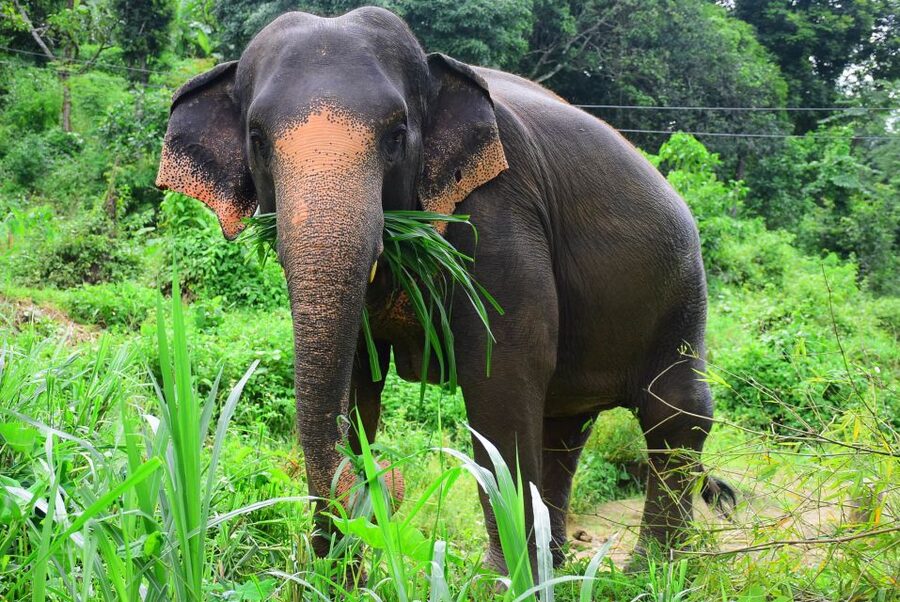
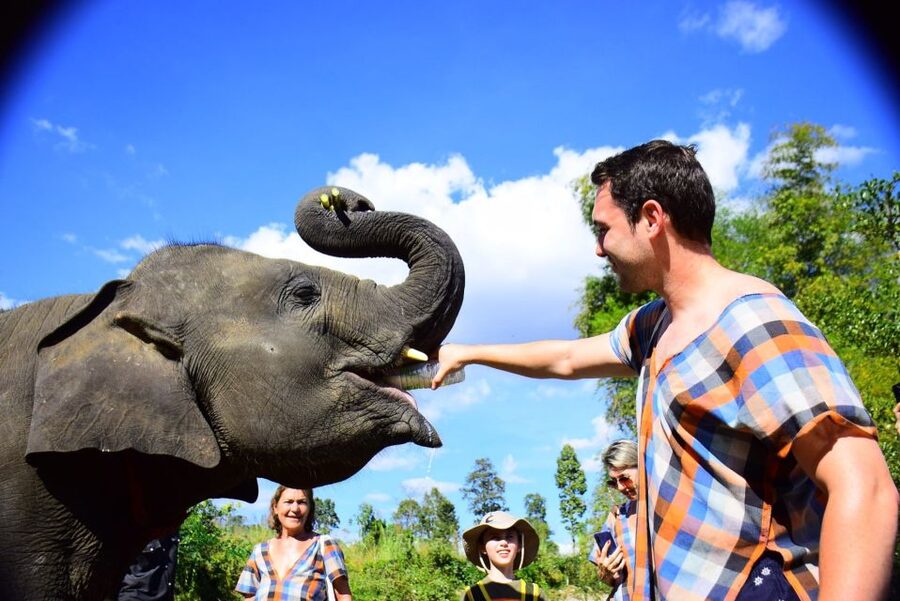
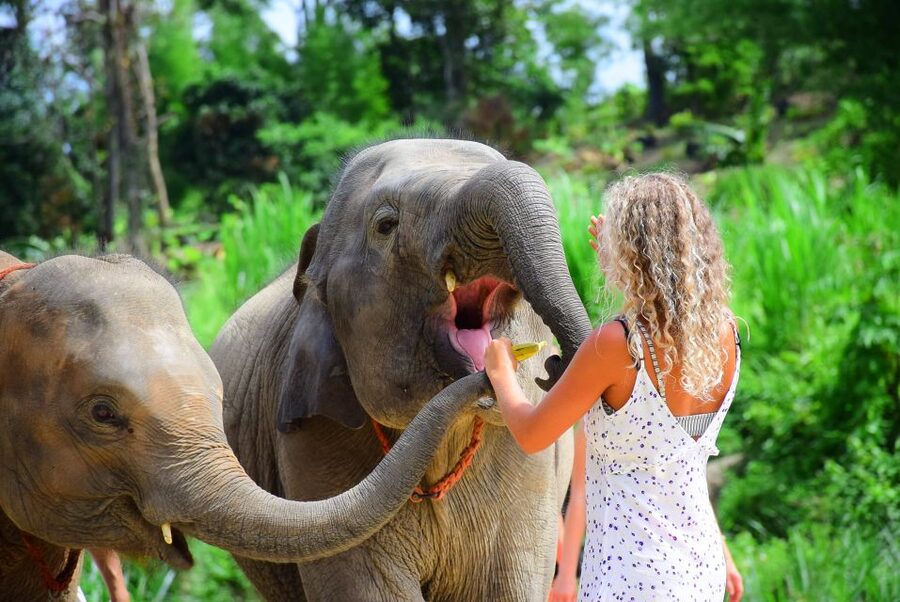
Feeding is one of the first hands-on activities. You prepare food and healthy treats, then offer them to the elephants. Bananas are commonly used, and several visitors also describe making medicine balls, sometimes called vitamin balls, for the animals.
This is a better use of your time than a quick feed-and-photo stop. You learn that caring for an elephant involves preparation, suitable food, and attention to its needs. The activity is simple enough for children, though adults should still follow staff instructions closely because elephants are large, powerful animals even when they seem gentle.
The feeding area can become lively, especially when several elephants are nearby. Keep your hands open, listen to the carers, and let the staff show you how to offer the food. The point is not to compete for the closest position. It is to watch the elephants’ reactions and give them room.
The program has been described as having a good ratio of people to elephants, with about six elephants present during some visits. Group size can vary. One December visit had roughly 20 to 25 people, while other visits had only two people in a group. If personal space matters to you, ask about the expected group size before booking, or choose a less busy date if the operator offers that information.
Following the elephants to the mud and sand spa
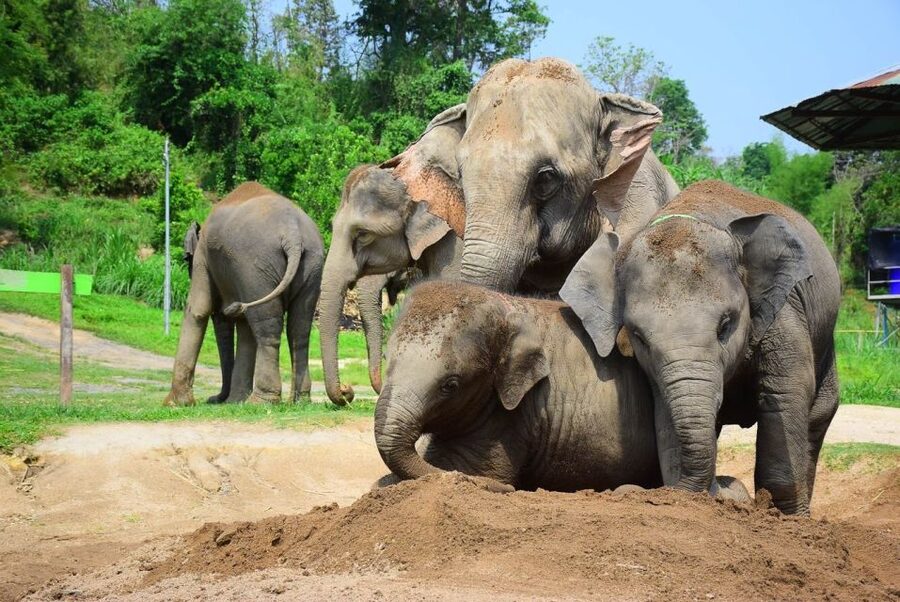
After feeding, you walk with the elephants to the mud and sand area. The wording matters here: you follow them, rather than making them follow you. The walk itself gives you time to observe natural behavior, social interaction, and the different personalities of the elephants.
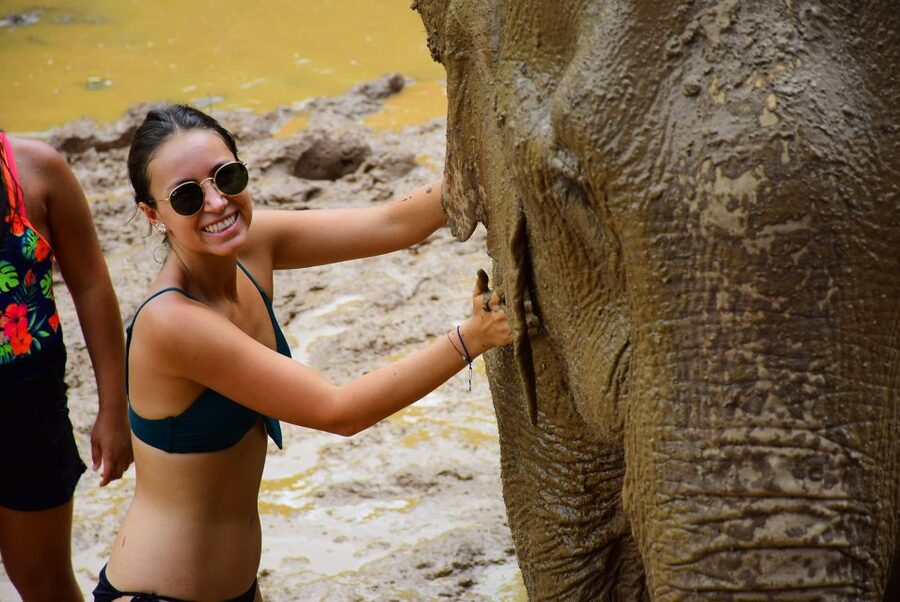
The mud activity is messy, playful, and very photogenic. You may help spread mud over an elephant’s body, watch it roll or splash, and get muddy yourself in the process. Some people describe this as the highlight of the day, while others may find it more physical and untidy than expected.
You should bring swimwear, flip-flops, insect repellent, personal medication, and a full change of clothes. A bag for wet clothing is also a smart addition, even though it is not listed as a formal requirement. One clear practical lesson from the program is that visitors without spare clothes may skip the mud and water activities.
The mud is presented as part of elephant care, but you should still let the animals decide how long they stay. If an elephant loses interest, the activity changes. That lack of rigid scheduling is a strength, though it means you cannot expect every planned interaction to happen exactly as pictured.
More elephant sanctuary visits around Chiang Mai:
- Chiang Mai: Elephant Sanctuary, Long Neck & Sticky Waterfall
★ 4.9 · 2,262 reviews - 3-in-1: Doi Inthanon Tour, Elephant Sanctuary, and Trekking Trail
★ 5.0 · 1,087 reviews - Chiang Mai Elephant Sanctuary, Bamboo Rafting and Waterfall Tour
★ 5.0 · 870 reviews - Chiang Mai: Elephant Sanctuary, Monk Trail & Doi Suthep Tour
★ 4.9 · 563 reviews
Washing elephants and getting thoroughly splashed
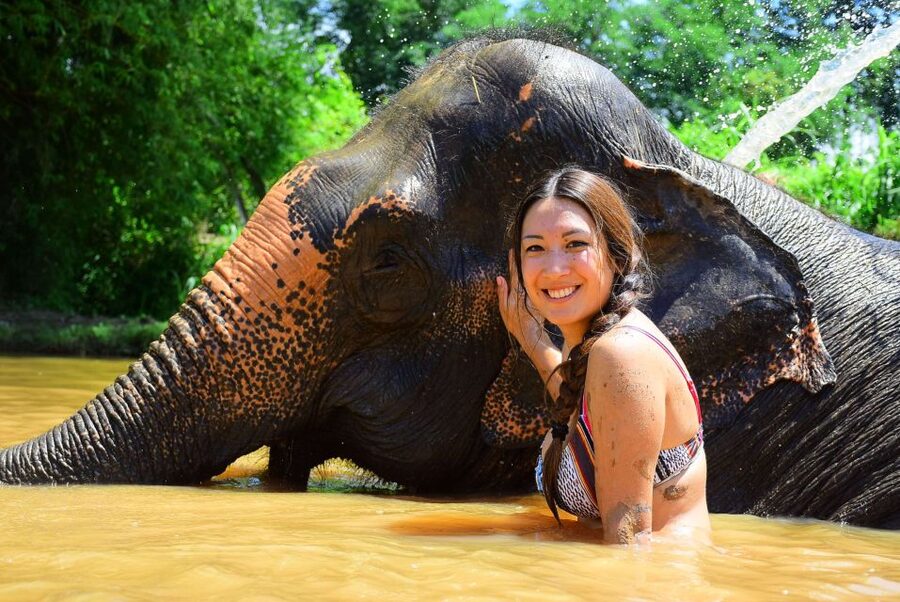
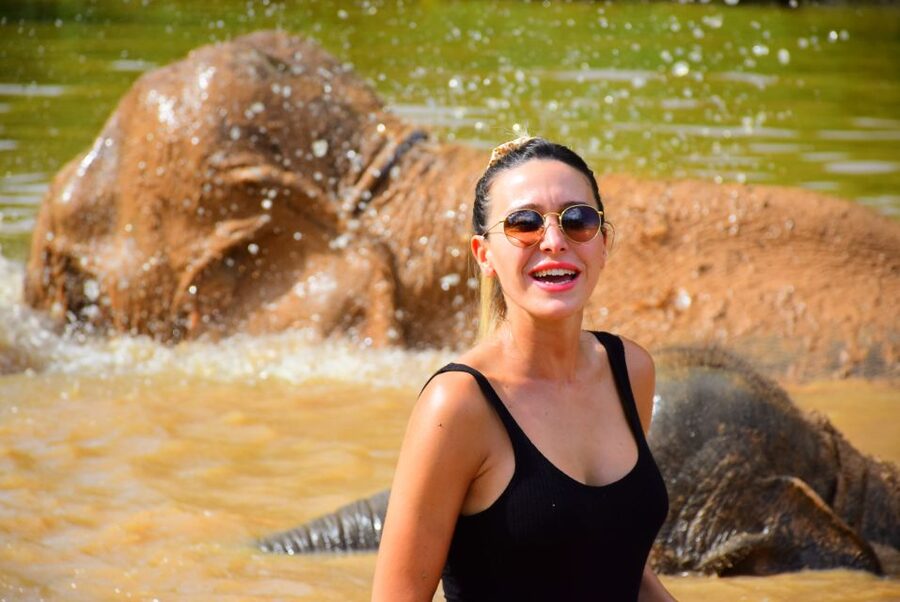
The water portion follows the mud session. You may help rinse the elephants and play with them as they enter the water. Expect splashing. An elephant’s idea of a gentle bath can leave you soaked in seconds, which is part of the fun but not ideal if you have evening plans immediately afterward.
This is close contact, not a distant viewing experience. You can see the animals’ skin, ears, trunks, and expressions at very short range. Staff remain nearby to guide the interaction and help keep the mood calm.
The program provides a place to shower afterward, with soap and simple towels mentioned in visitor accounts. Facilities have been described as clean, including the bathrooms. Still, I would not treat this as a full-service spa. Bring your own toiletries if you prefer particular products, and keep valuables to a minimum during the wet activities.
You may be able to take photographs with your own phone or camera. Staff also help with pictures, and a dedicated photographer may take high-definition images throughout the visit. Those photographs are not included in the $53 price. Packages have been quoted at different amounts, including about 500 to 800 baht, so confirm the current price before deciding.
The optional photo package can be useful because your hands are busy with food, mud, and water. You can often view the images before buying. If you do not want extra expense, ask staff or companions to take pictures with your own device.
A simple Thai buffet after the mud
Once you have changed and showered, lunch is served. The meal is a traditional Thai buffet with vegetarian options, and dishes mentioned include pad Thai and fried rice with vegetables. Coffee, tea, and drinking water are included as well.
I like the timing. A hot, filling meal after the muddy activities gives you a proper pause before the return drive. The food is not presented as a gourmet event, but it is practical, familiar, and suitable for vegetarians. Visitors with cautious palates have still found the meal easy to enjoy.
If you have allergies or strict dietary needs, ask the operator in advance. The supplied information confirms vegetarian suitability, but it does not promise specific allergy-free dishes or a fully customized menu.
Lunch also gives you a chance to ask more questions. By this point, you have seen how the staff handle feeding, movement, mud, and bathing. Their explanations make more sense because you have watched the elephants respond directly.
What ethical care looks like here
An ethical label alone is not enough, so look at the details of the program. Here, the important points are that the elephants are described as rescued or retired, they can move away from activities, and the staff focus on food, medicine, observation, and care.
Several elephants are said to have been rescued from work. One elephant, Lana, was born at the sanctuary and is described as especially gentle and affectionate. You may also meet a younger elephant, though the exact animals present can change.
The program supports future rescues and ongoing care. Extra purchases, such as photographs or elephant clothing, are also described as contributing to food, medical stays, and rescue work. That does not make every interaction automatically ethical, but it gives your spending a useful purpose if the operation’s practices match its stated policy.
You should still keep your expectations sensible. This is a close-contact program, and some people will prefer a hands-off sanctuary where they only watch elephants from a distance. If you want no touching, no feeding, and no bathing, this may not be the right outing. If you want contact but need the animals to retain control, the structure here is more encouraging.
Is five to six hours enough?
For most people, yes. The schedule includes pickup, the one-hour drive each way, changing, an introduction, food preparation, feeding, walking, mud play, bathing, showering, and lunch. It is a full half-day rather than a rushed photo stop.
One useful feature is that the program does not try to fill an entire day with unrelated attractions. The time stays focused on elephant care. Several people have found the length about right, with enough hands-on contact without becoming tiring.
The pace will depend on the elephants. Some sessions may feel packed with activities, while others may include more waiting and observation. That is not a flaw if you value animal choice, but it is worth understanding before you book. You are buying time with living animals, not a stage show with guaranteed cues.
The experience suits families, couples, first-time visitors to Thailand, and anyone looking for a meaningful Chiang Mai day trip. Children will likely enjoy the feeding and baby elephants, but adults must supervise them closely around large animals and wet surfaces. Anyone with mobility concerns should ask the operator for more details, since the program includes walking, changing, mud, water, and uneven outdoor areas, but no accessibility information is provided.
Value at $53 per person
At $53, the tour is competitively priced for a five to six-hour outing with round-trip hotel transport, an English-speaking live guide, food for the elephants, water, coffee, tea, a shower, and a vegetarian Thai lunch.
The strongest value comes from the number of distinct activities. You are not paying only to look at elephants. You prepare treats, feed them, walk with them, watch their behavior, take part in mud care, help with bathing, and eat a meal before returning to Chiang Mai.
The price does not include photographs, souvenirs, or personal expenses. That is easy to manage if you decide beforehand what you want. I would treat the photo package as optional, not an unexpected part of the budget.
Free cancellation up to 24 hours ahead and the option to reserve now and pay later make this easier to fit into a changing Chiang Mai schedule. Pickup is included from qualifying hotels, but confirm the exact location and time after booking.
Who should book this elephant program?
Book it if you want close contact with rescued elephants and are comfortable getting dirty. You will get the most from the day if you enjoy learning by doing, asking questions, and watching animal behavior rather than rushing from one photo opportunity to the next.
It is a strong choice for families and couples who want shared photographs and a clear activity plan. The baby elephants can be a special bonus, and the staff often help capture pictures while you focus on the animals.
Think twice if you dislike wet clothing, muddy ground, group activities, or a flexible schedule. Also think carefully about transport comfort, especially if seatbelts are important to you. Confirm the vehicle arrangements if you have concerns.
Should you book it?
I would book this program if your priority is an active, care-focused encounter rather than elephant riding or a staged performance. The chance to prepare food, make medicine balls, follow freely moving elephants, and join their mud and water play gives the day more purpose than a basic feed-and-photo stop.
Bring the right clothes, keep the optional photo cost in mind, and accept that the elephants decide the timetable. With those expectations, $53 buys a well-filled half-day, a meal, transport, and support for an operation focused on rescued elephant care.
FAQ
How long does the Elephant Care Program and Nursery Tour last?
The activity lasts about five to six hours, including hotel pickup, the one-hour drive to Mae Tang district, the elephant activities, lunch, and the return journey to Chiang Mai.
Is hotel pickup included?
Yes. Round-trip pickup and drop-off are included for hotels within 5 kilometers of Chiang Mai Old Town. If your hotel is outside the pickup area, contact the local operator after booking.
What language does the guide speak?
The live tour is conducted in English. The guide explains elephant behavior and proper care during the activities.
What should I bring?
Bring swimwear, a change of clothes, flip-flops, insect repellent, and any personal medication. A bag for wet clothing is also useful after the mud and bathing activities.
Is lunch included, and is it vegetarian?
Yes. A traditional Thai buffet lunch is included, with vegetarian food available. Drinking water, coffee, and tea are also provided.
Are photographs included in the tour price?
No. An on-site photographer may take high-definition photographs, but photo packages cost extra. Prices mentioned during visits have varied, so confirm the current cost before purchasing.
Just added around Chiang Mai
- Taste of Chiang Mai: Michelin Guide & Street Food Tour★ 4.9 · 159 reviews
- Red, Blue, White Temples & Hot Spring Trip from Chiang Mai★ 4.4 · 143 reviews
- From Chiang Mai: Mae Taeng Valley and Waterfalls Cycle Tour★ 4.9 · 159 reviews
- Long Neck Village, Silver Temple & Chiang Mai Top Sites★ 4.7 · 17 reviews
- Chiang Mai: Local Northern Thai Cooking Class at Grandma’s★ 5.0 · 33 reviews
- Chiang Mai: Khum Khantoke Northern Thai Cuisine and Show★ 4.3 · 38 reviews
- Private : Sticky Waterfall & Secret Temple & Karen Village.★ 5.0 · 9 reviews
- Half-day with CHIANGMAI ELEPHANT CARE program (12pm-6pm.)★ 5.0 · 27 reviews
Chiang Mai Tours, compared.
Half-Day Thai Cooking Class at Organic Farm in Chiang Mai
Read our review →
Elephant Sanctuary, Waterfall & Bamboo Rafting
Read our review →
Chiang Rai Temples, Karen Tribe and Hot Springs
Read our review →
Cooking Class, Market & Thai Herbs Garden Tour
Read our review →
Authentic Cooking Class with Market & Farm Visit
Read our review →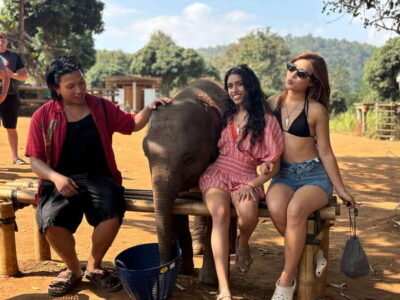
Elephant Sanctuary Feeding Program Half-Day Tour
Read our review →Browse the lists this tour appears in