
Reviewed · CHIANG MAI TOURS
Chiang Mai: Ethical Half Day Elephant Sanctuary & Waterfall
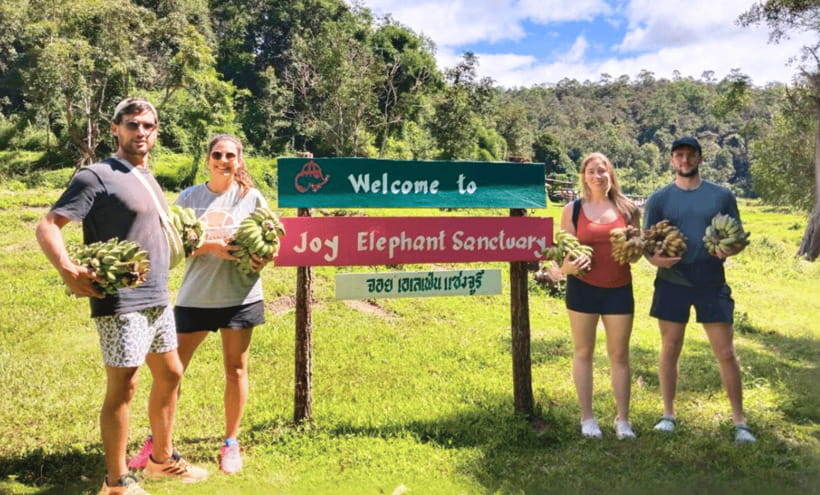
The best part of this Chiang Mai outing is what you do not do: no riding, no forced bathing, and no touching. Instead, you feed the elephants, watch them forage, and walk nearby at their pace. I like the respectful distance and the chance to see natural behavior. I also like the waterfall stop and the hands-on herbal inhaler craft.
The catch is the road time. You spend about three hours in the van, often on rougher roads near Mae Wang, for roughly three hours at the sanctuary. Eat a little before leaving, since the included meal may come later than you expect.
Key points at a glance
- No riding, touching, or elephant bathing: The program keeps the animals in charge of their movement and limits close contact.
- A real observation walk: You follow the herd through the jungle as the elephants graze, pull at roots, and choose their own pace.
- Waterfall time without elephant bathing: Bring swimwear if you want to cool off in the water, but the elephants are not used as swimming companions.
- Useful local craft: You make a Thai herbal inhaler, often called ya dom, to take home.
- Seven hours with transport included: Hotel pickup, lunch, water, elephant food, a towel, a guide, and insurance are covered.
- Good value at $54: The price is attractive if you want transport and a full day of activities without paying extra for animal performances.
Why the elephant ethics matter here
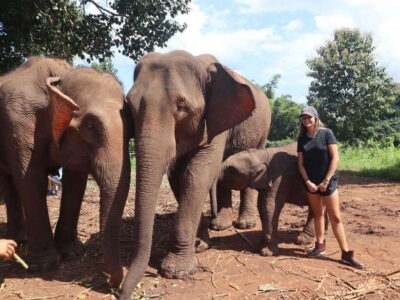
Chiang Mai has many elephant camps, but the word ethical needs a practical test. At Joy Elephant Sanctuary, the rules are clear: you do not ride, pet, or bathe the elephants. You feed them under staff direction, then watch them move through their own surroundings.
That changes the feeling of the visit. You are not asking an elephant to perform on command. You are watching an animal decide when to eat, where to walk, and how long to stop. The guides explain the harm caused by past mistreatment and why keeping distance protects both people and elephants.
You can still get close enough to see the animals clearly. That may sound less exciting than touching an elephant, but it is more honest. The large animals remain the focus, not a photo opportunity built around handling them.
The sanctuary’s approach is especially useful for anyone trying to choose a responsible elephant experience. No short visit can answer every question about an organization’s long-term work, but the visitor rules here are a strong sign of a lower-contact model. The elephants are not pushed into bathing, riding, or staged tricks.
More Elephant Sanctuary Tours in Chiang Mai
- Chiang Mai: Elephant Sanctuary, Waterfall & Bamboo Rafting
★ 4.9 · 9,160 reviews - Chiang Mai: Elephant Sanctuary & Waterfall Group Tour
★ 4.9 · 5,780 reviews - Chiang Mai: Elephant Sanctuary Feeding Program Half-Day Tour
★ 4.8 · 4,527 reviews
The 1.5-hour ride from Chiang Mai
Pickup is available from accommodation within 5 kilometers of Chiang Mai’s Old City. The trip runs in a minivan and takes about 1.5 hours each way, with Mae Wang District as the destination.
This is the main trade-off. You are giving up a large block of the day to reach a rural sanctuary, and the route can be bumpy. Some of the final travel may involve a four-wheel-drive vehicle, depending on conditions and the access route. Think of the ride as part of a countryside outing, not a quick city excursion.
The payoff is a quieter setting away from central Chiang Mai. You pass through rural views on the way to the sanctuary, and the change from city streets to forest makes the visit feel separate from the usual temple and market circuit.
Bring water for the ride, though drinking water is included. A small snack is also wise. One practical wrinkle is meal timing: the schedule lists lunch as a 30-minute stop, but the food can arrive toward the end of the sanctuary visit. If you need breakfast or an early meal, eat before pickup.
Preparing food and meeting the elephants
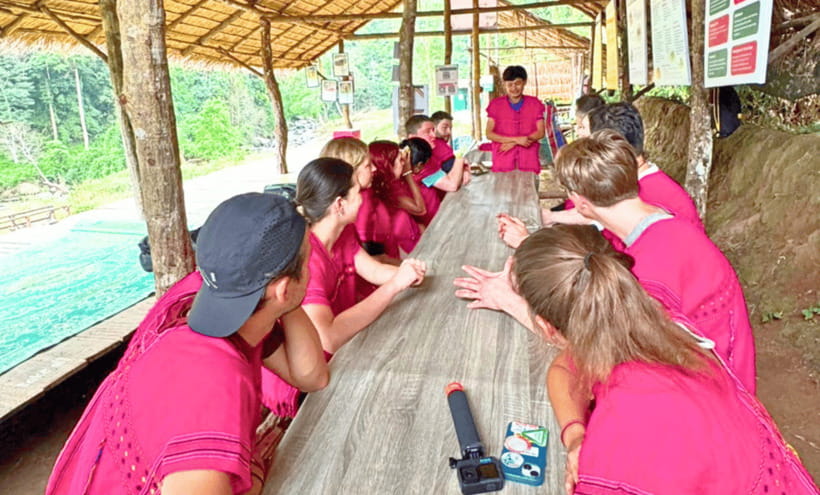
At the sanctuary, the day begins with an introduction to the elephants and the rules for being near them. The staff explain how to behave, where to stand, and why you must not touch the animals.
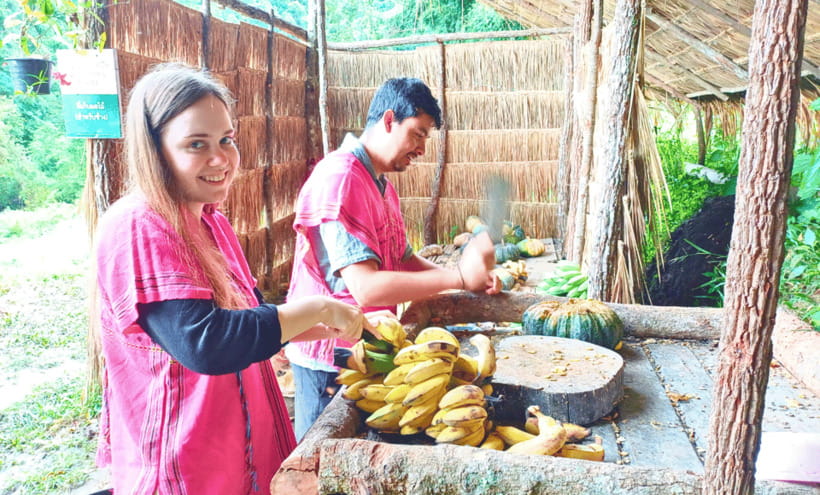
You then help prepare food and feed the elephants, commonly using fruit such as bananas. This is the closest structured interaction of the day, but it is still controlled. You offer food rather than trying to hug, stroke, or direct the elephants.
The feeding session gives you a useful first lesson in body language. You begin to notice how the elephants use their trunks, how they approach food, and how much space a very large animal needs. The English-speaking guide adds information about their care and past treatment, making the activity more than a quick photo stop.
Safety rules are firm, and that is a good thing. The staff’s job is not simply to get you near an elephant. It is to keep the animals relaxed and the people out of trouble. Expect reminders to stay at the proper distance and to follow instructions even when an elephant comes close.
Walking through the jungle at elephant speed
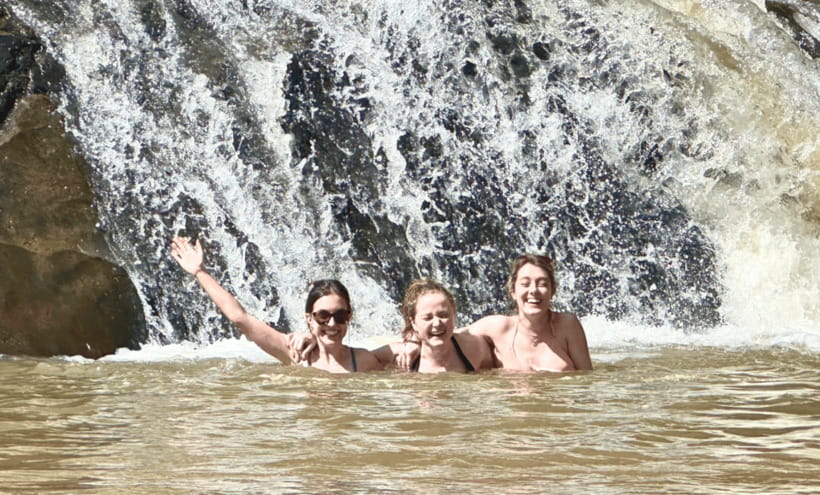
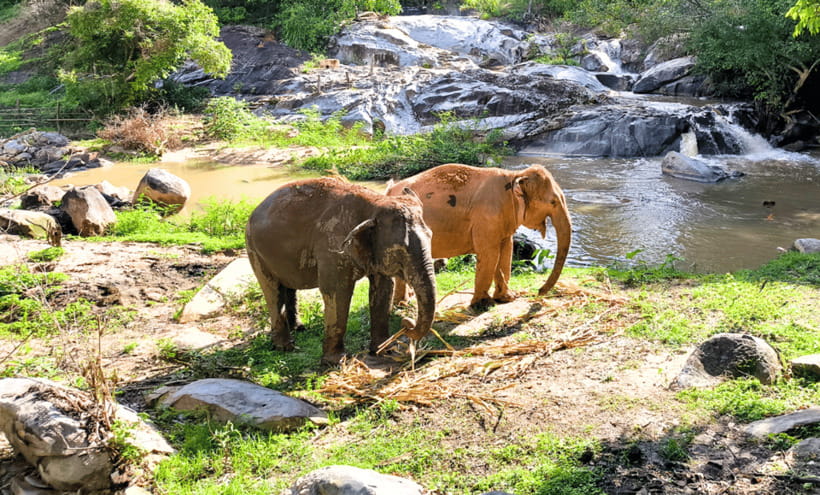
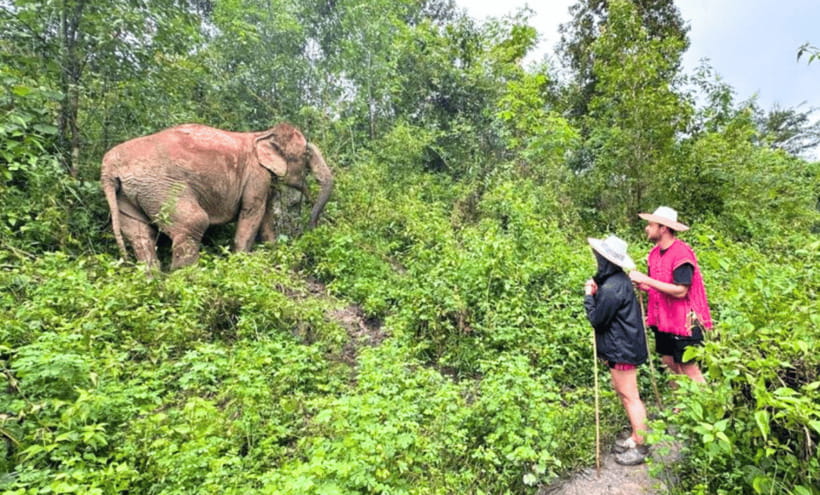
After feeding, you walk alongside the herd as the elephants move into the jungle. This is the heart of the experience.
The walk is not described as a long trek. It is more of a slow forest outing, with pauses as the elephants graze and search for food. One especially memorable behavior is watching an older elephant pull a whole tree from the ground. You might see the herd work through roots, branches, and other plants at a pace set entirely by the animals.
That pace is worth understanding before you book. This is not a wildlife chase, and the elephants may stop often. The reward is a chance to observe rather than direct. You see how much of the visit depends on patience.
The path can be uneven, and one participant needed help walking through the jungle. Comfortable shoes are essential. Sandals can be useful around the waterfall, but they are not the best choice for the whole route. If walking on rough ground is difficult for you, ask yourself if the outdoor portion will be comfortable enough. The activity is not suitable for wheelchair users.
The guides add humor and practical help along the way. Their role is important because they interpret what you are seeing without turning the elephants into a show. You follow the animals, not the other way around.
More elephant sanctuary visits around Chiang Mai:
- Chiang Mai: Elephant Sanctuary, Long Neck & Sticky Waterfall
★ 4.9 · 2,262 reviews - From Chiang Mai: Elephant Care Program and Nursery Tour
★ 4.8 · 1,899 reviews - 3-in-1: Doi Inthanon Tour, Elephant Sanctuary, and Trekking Trail
★ 5.0 · 1,087 reviews - Chiang Mai Elephant Sanctuary, Bamboo Rafting and Waterfall Tour
★ 5.0 · 870 reviews
Cooling off beside the waterfall
The waterfall stop gives the day a welcome change of pace. You can relax near the water, enjoy tea, and swim if conditions allow. Bring swimwear, sandals, sunscreen, insect repellent, and a dry change of clothes. A towel is included.
Set your expectations correctly. The waterfall is a pleasant natural stop, but it is not a huge tropical cascade. The water area may be smaller than promotional photos or your imagination suggest. Its value is in cooling off after the walk and sitting in a peaceful setting while the elephants remain nearby.
The elephants do not bathe with you. This is one of the most important details to understand. You may watch them from a respectful distance, but the program does not turn the waterfall into an elephant bathing session.
That separation is part of the sanctuary’s responsible approach. You get your own swim and the elephants get their own space. For many people, this is a better arrangement than being asked to scrub or splash an animal for entertainment.
Pad Thai, fruit, and herbal tea
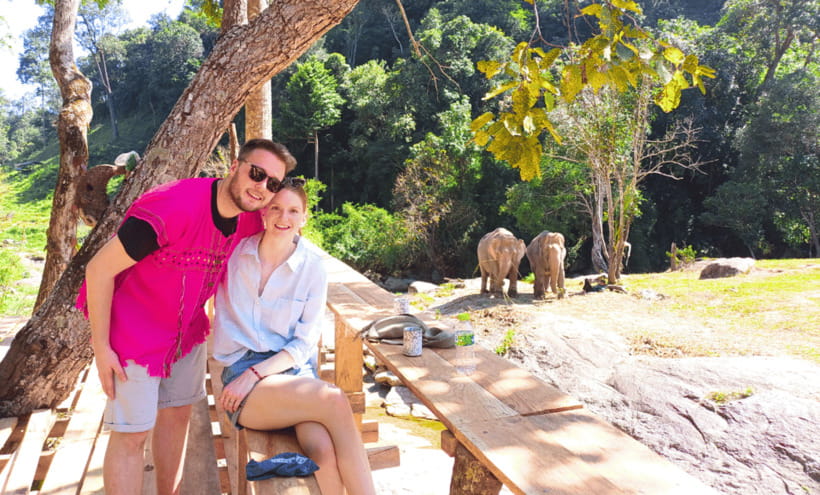
Lunch is included and commonly consists of Pad Thai with fresh local fruit. Vegetarian food is available, and the meal is served near the sanctuary area, often with tea.
The food adds real value to the outing. You do not need to arrange lunch in a rural area, and the meal breaks up the walking and observation time. The fresh fruit is a simple but welcome addition after the heat and road trip.
Still, take the timing seriously. The schedule allows about 30 minutes for lunch, and the meal may come after the main elephant walk. If you are joining an afternoon session or tend to get hungry early, have something small before pickup.
Water is included, and herbal tea is part of the rest period. If you have allergies, bring your own medication. The activity information specifically advises you to do this, and rural outings are not the place to rely on finding a pharmacy quickly.
Making a Thai herbal inhaler
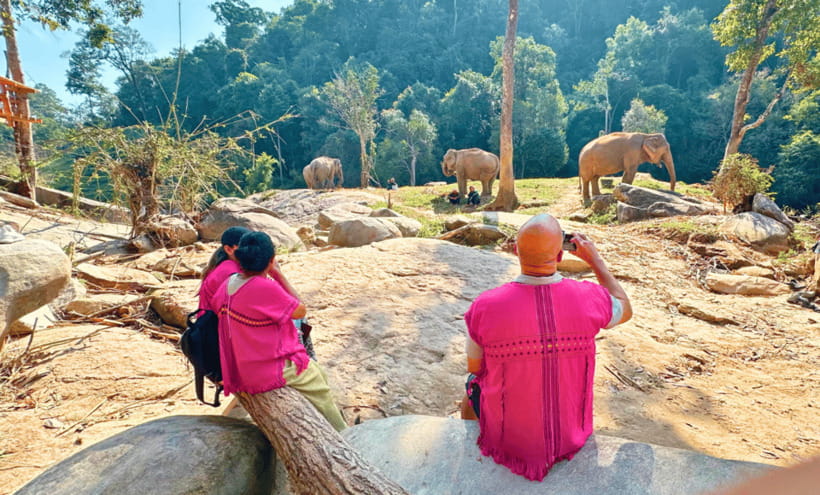
The final activity is a small cultural craft: making your own Thai herbal inhaler, known as ya dom. Local herbs and spices are used to create a compact scented souvenir.
I like this ending because it gives the day a personal, useful memento instead of another mass-produced trinket. You take part in a simple Thai tradition, then carry the result home. It is also a calmer finish after the walk and waterfall stop.
The craft is not the reason to book the tour, but it rounds out the experience. You have fed elephants, observed their behavior, spent time outdoors, eaten a local meal, and made something by hand. The mix feels more complete than a visit based only on feeding and photographs.
What the $54 price covers
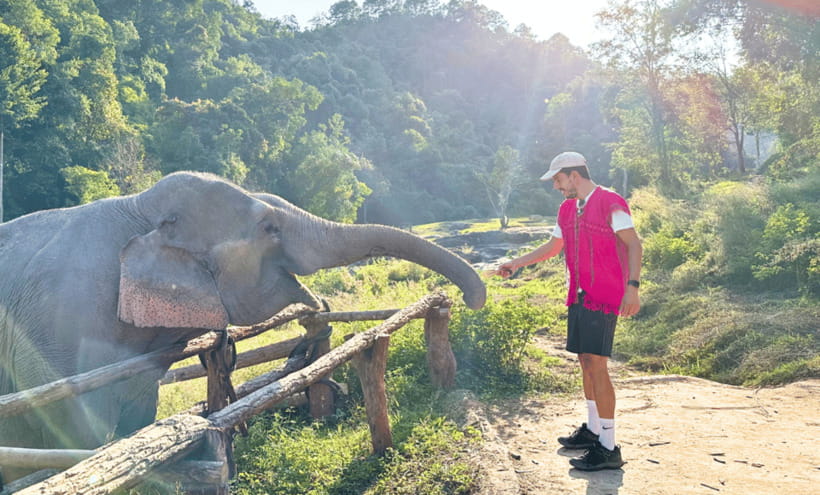
At $54 per person, this is a good-value day if you need transport from Chiang Mai and want several activities in one booking. The price includes round-trip hotel transfer, an English-speaking guide, elephant food, lunch, water, insurance, and a towel.
Transport alone matters here. Mae Wang is too far for a casual walk from the Old City, and arranging your own ride would add cost and planning. The included minivan also keeps the group moving between the city, sanctuary, and return drop-off.
You are not paying for an elephant performance or a high-contact encounter. You are paying for access to a guided observation program, animal care education, food, countryside transport, and a waterfall stop. I consider that a fair exchange, especially for first-time visitors who want a responsible introduction without organizing several separate activities.
The value drops if you dislike long road journeys or expect hours of direct elephant contact. The sanctuary portion lasts about three hours, while the round trip takes around three hours. This is a full-day commitment even though the elephant program itself is described as half-day.
Morning or afternoon session?
The program is offered in morning and afternoon sessions, with starting times based on availability. Both options include the same basic pattern: transport, food preparation and feeding, jungle observation, waterfall time, lunch, and the herbal craft.
An afternoon booking may work well if you prefer a slower start in Chiang Mai. A morning booking gives you an earlier start and may fit better with an evening plan, but you should allow the full seven hours and not schedule a tight appointment afterward.
Because the exact pickup time depends on availability and accommodation location, check the start time before booking. The five-kilometer pickup limit also matters. If you are staying beyond that area, you may need to reach an agreed pickup point.
Who will enjoy this outing most?
I would choose this for you if animal welfare is more important than touching an elephant. It suits people who want to watch natural behavior, listen to a guide, walk outdoors, and accept that the animals set the pace.
It is also a good fit for couples, families with older children, and solo visitors who want transport and a planned day. The craft activity helps keep the program varied, while the waterfall provides a break from the heat.
You should think twice if you need wheelchair access, dislike rough roads, or want a short trip from central Chiang Mai. The jungle walk may be tiring, and the waterfall is smaller than some people expect. You also need to be comfortable with no touching at all.
Pack light but practical:
- Comfortable walking shoes
- Swimwear and a change of clothes
- Sandals for the waterfall
- Sunscreen and insect repellent
- Any allergy medication you need
Pets and explosive substances are not allowed. The tour includes insurance, but that does not replace sensible footwear or personal medication.
Should you book Joy Elephant Sanctuary?
Book this experience if you want an elephant encounter built around observation, not control. Feeding the animals gives you a close look, while the jungle walk shows you why the sanctuary avoids forcing them into tourist activities. The no-touch, no-riding, no-bathing rules are a real part of the day, not a minor footnote.
I would not book it if the three-hour round trip sounds exhausting or if your main goal is to swim beside elephants. The waterfall is for people, and the elephants remain separate.
For $54, the combination of transfers, food, guide service, elephant observation, swimming time, and a handmade herbal inhaler is strong value. Just eat a snack before leaving, wear shoes that can handle uneven ground, and give the day room to run at the elephants’ pace.
FAQ
Where is Joy Elephant Sanctuary located?
The sanctuary is in Mae Wang District, in Chiang Mai Province. Round-trip transport is provided from accommodation within 5 kilometers of Chiang Mai’s Old City.
How long does the full activity take?
The complete experience takes about seven hours, including roughly 1.5 hours of travel each way.
Can I ride the elephants?
No. Elephant riding is not part of this program.
Can I touch or bathe the elephants?
No. You feed and observe the elephants, but touching and bathing are not allowed. You can swim at the waterfall separately from the elephants.
What language does the guide speak?
The live guide speaks English.
Is lunch included?
Yes. Lunch, water, and elephant food are included. The meal includes Pad Thai and fresh fruit, and vegetarian Pad Thai is available according to the activity information.
Can I swim at the waterfall?
Yes, you can bring swimwear and use the waterfall area for swimming or cooling off. The elephants do not bathe with you.
What should I bring?
Bring comfortable shoes, swimwear, a change of clothes, sandals, sunscreen, insect repellent, and any allergy medication you need.
Is the activity suitable for wheelchair users?
No. The activity is not suitable for wheelchair users.
Can I cancel the booking?
You can cancel up to 24 hours in advance for a full refund. You can also reserve now and pay later, subject to the booking terms.
Just added around Chiang Mai
- Taste of Chiang Mai: Michelin Guide & Street Food Tour★ 4.9 · 159 reviews
- Red, Blue, White Temples & Hot Spring Trip from Chiang Mai★ 4.4 · 143 reviews
- From Chiang Mai: Mae Taeng Valley and Waterfalls Cycle Tour★ 4.9 · 159 reviews
- Long Neck Village, Silver Temple & Chiang Mai Top Sites★ 4.7 · 17 reviews
- Chiang Mai: Local Northern Thai Cooking Class at Grandma’s★ 5.0 · 33 reviews
- Chiang Mai: Khum Khantoke Northern Thai Cuisine and Show★ 4.3 · 38 reviews
- Private : Sticky Waterfall & Secret Temple & Karen Village.★ 5.0 · 9 reviews
- Half-day with CHIANGMAI ELEPHANT CARE program (12pm-6pm.)★ 5.0 · 27 reviews
Chiang Mai Tours, compared.
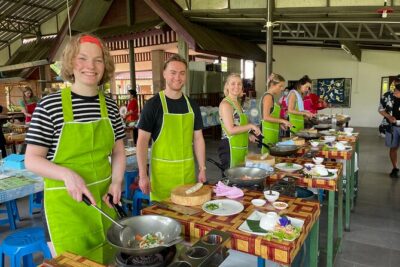
Half-Day Thai Cooking Class at Organic Farm in Chiang Mai
Read our review →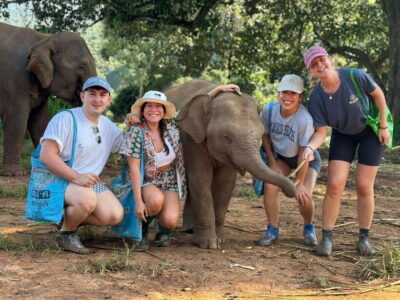
Elephant Sanctuary, Waterfall & Bamboo Rafting
Read our review →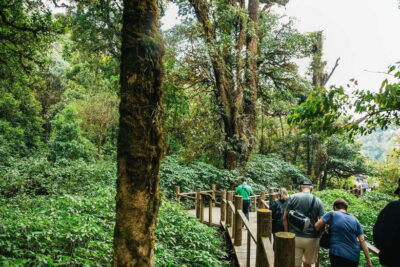

Chiang Rai Temples, Karen Tribe and Hot Springs
Read our review →
Cooking Class, Market & Thai Herbs Garden Tour
Read our review →
Authentic Cooking Class with Market & Farm Visit
Read our review →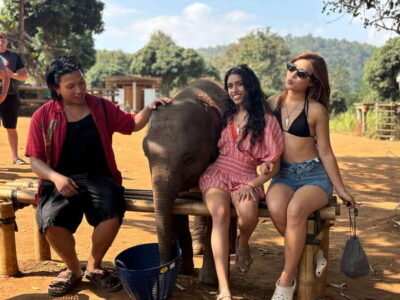
Elephant Sanctuary Feeding Program Half-Day Tour
Read our review →Browse the lists this tour appears in