
Reviewed · CHIANG MAI TOURS
From Chiang Mai: Chiang Mai Elephant Care Morning Program
The heart of this morning program is simple: you spend time caring for elephants rather than watching a staged show. You feed them, prepare herbal medicine balls, walk with them, and brush them in the river. The elephants come first, and guides explain how to interact safely and gently.
I especially like the hands-on medicine-making and the chance to watch the elephants behave at their own pace. I also like the small-group feel reported on several visits, plus guides such as Ford, Tang, and Thong, who bring in facts about elephants, Thai culture, and the Karen people. The main tradeoff is the long drive from Chiang Mai, about 75 minutes each way, and river bathing depends on the animals being willing to take part.
Key points at a glance
- A care-focused visit: Feed the elephants, prepare herbal medicine balls, walk with them, and help clean them.
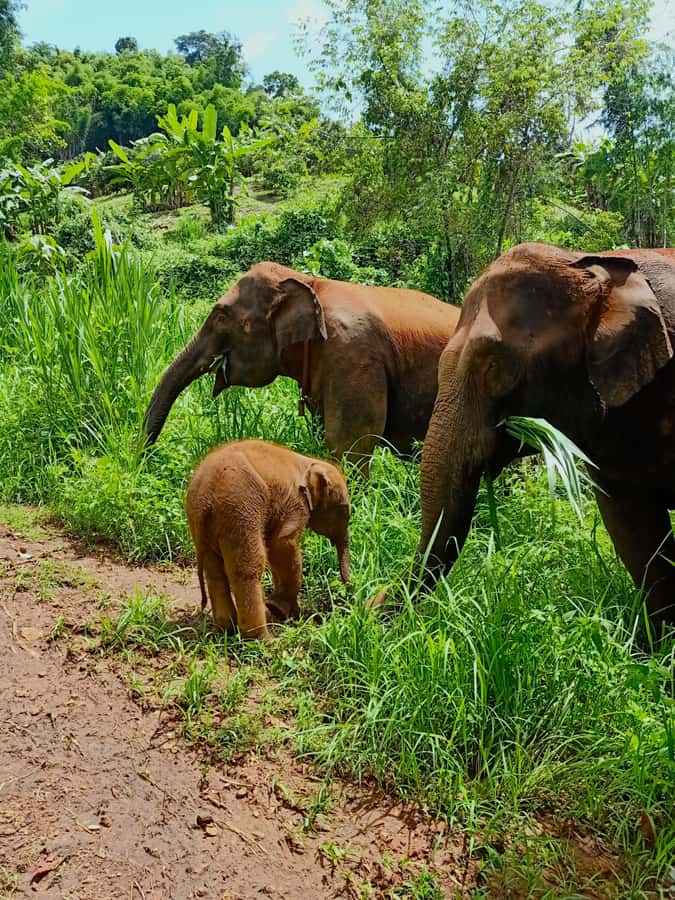
- A small elephant group: The camp has been described as having three or four elephants, including a playful young elephant named Lucky on one visit.
- A 75-minute drive each way: Hotel pickup makes the journey easy, but this is not a quick outing from central Chiang Mai.
- Guides add local context: Ford, Tang, and Thong have been praised for explaining elephant behavior, Thai culture, and Karen life.
- Lunch is part of the visit: Expect homemade food, drinks, and fruit, with pad Thai mentioned often.
- Bring your own towel: A uniform is supplied, but a towel is not included.
Why this elephant program feels different
Elephant tourism in northern Thailand calls for careful choices. An attractive photo opportunity is not enough. I want to know how the animals are handled, what I am being asked to do, and if the visit gives them room to behave naturally.
This program is built around basic care. You feed the elephants, make an herbal supplement, observe them, walk with them, and help bathe and brush them. The briefing at the start explains safe and humane contact, so you are not simply handed a bucket of food and told to get close.
The most encouraging detail is that the elephants are not forced to bathe with the people. The program’s approach is to put the animals’ comfort before the schedule. That means the river portion may not look exactly the same every time, but that is a good limitation. An elephant should not be pressured to perform for a camera.
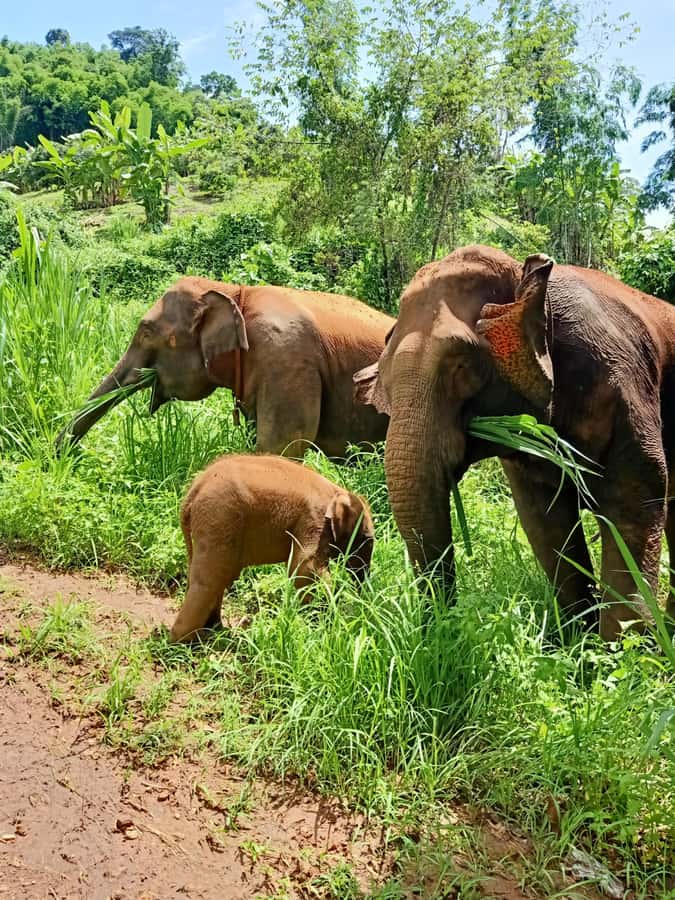
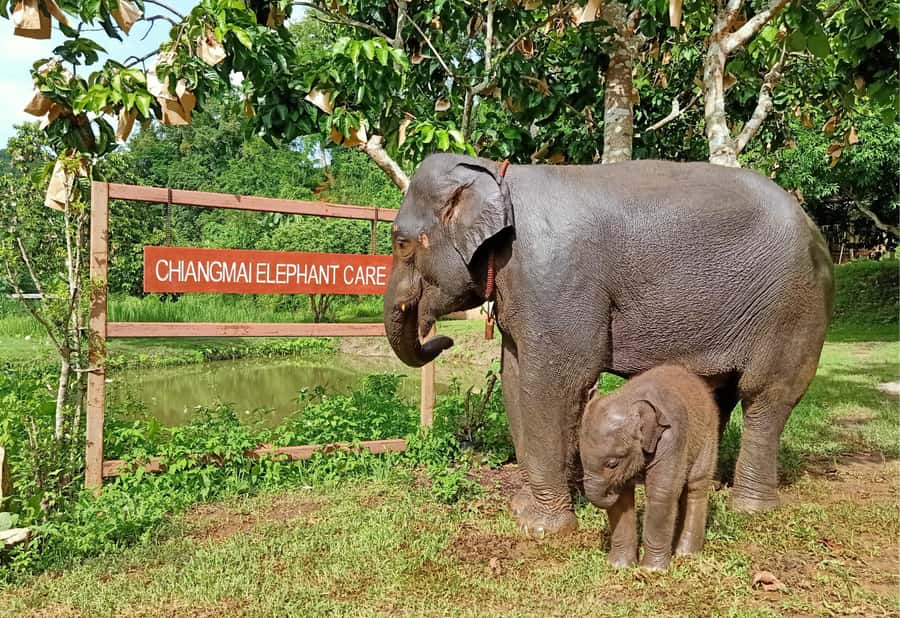
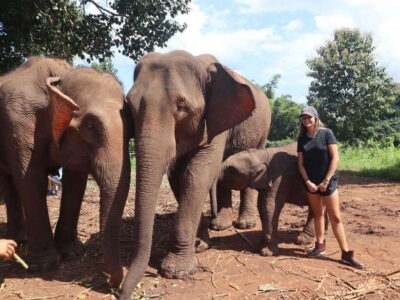
The camp has been described as having three or four elephants, depending on the visit. One particularly memorable animal is Lucky, a young elephant who was described as playful. A baby elephant can make the experience feel especially lively, but the larger point is that a small group of animals gives you more time to watch individual behavior.
More Elephant Sanctuary Tours in Chiang Mai
- Chiang Mai: Elephant Sanctuary, Waterfall & Bamboo Rafting
★ 4.9 · 9,160 reviews - Chiang Mai: Elephant Sanctuary & Waterfall Group Tour
★ 4.9 · 5,780 reviews - Chiang Mai: Elephant Sanctuary Feeding Program Half-Day Tour
★ 4.8 · 4,527 reviews
The drive from Chiang Mai to Maeteang
Your morning begins with pickup in your hotel lobby. You need to provide the hotel name and address exactly as shown in Google Maps, which helps the driver find the right entrance and avoid a slow start.
The trip to the Maeteang area takes about 75 minutes by van. The return ride takes roughly the same amount of time. Add the three-hour camp visit and the full outing comes to about five hours.
That travel time is worth considering before you book. If you want a quick activity close to Chiang Mai, this is not it. If you are happy to give up a morning for time with elephants, hotel pickup and drop-off remove much of the hassle.
The drive also means you should eat lightly before leaving if road journeys bother you. Bring a hat, insect repellent, and outdoor clothing. You will be feeding animals, walking outside, making herbal treats, and getting wet near the river, so neat city clothes are not a good choice.
Changing into the uniform and learning the rules
On arrival, you change into the provided uniform. This is practical rather than fancy. It protects your own clothes from mud, water, plant material, and elephant food, while giving the group a clear transition from sightseeing to animal care.
The introductory briefing is an important part of the morning. You learn how to approach and touch the elephants safely and humanely. Pay attention here, especially if this is your first close encounter with one of these huge animals.
You will be near animals that are powerful even when calm. Listen to the guide, keep your movements controlled, and follow instructions about where to stand and how to offer food. The point is not to get the closest possible photograph. The point is to interact in a way that keeps the elephant relaxed.
The English-speaking guides add much to this opening session. Ford has been praised for explaining elephant facts clearly, while Thong has also shared information about Thai culture and the Karen people. Tang has been described as friendly and well informed. Guide quality can shape the whole morning, and this experience gives the guide a real teaching role rather than using them only as a translator.
Feeding elephants and making herbal medicine balls
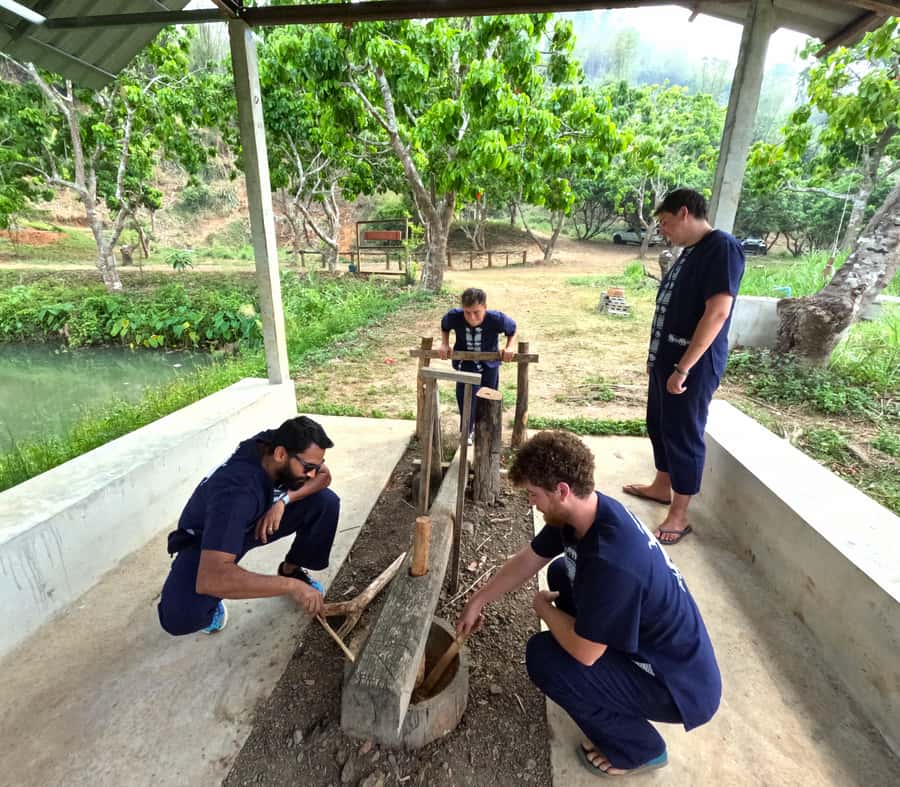
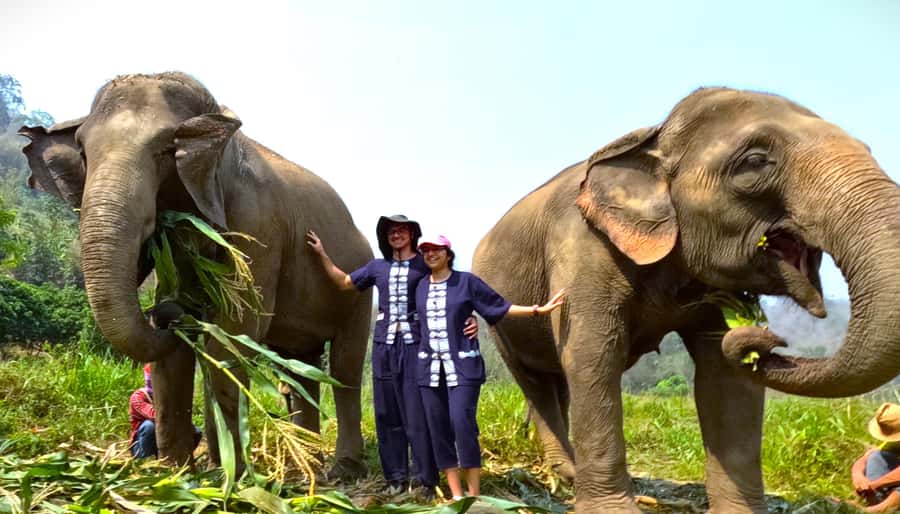
The feeding session is the most immediate way to connect with the animals. You receive food for the elephants and get close enough to offer it directly. Expect trunks reaching, ears moving, and plenty of attention from the animals once they realize food is available.
This is also where the guide’s safety advice matters. Let the staff show you the correct way to feed and pet the elephants. You do not need to rush. Take a moment to look at how each animal responds.
Next comes the herbal medicine ball. You make a supplemental treat designed to support the elephants’ health, then give it to them. This small task adds meaning to the visit because you are not only offering a snack. You are taking part in a simple piece of daily care.
The activity also gives the guide a useful opening to explain elephant health and behavior. You can ask questions while working, then see the elephants eat what you have prepared. Several different experiences are packed into these two hours: feeding, medicine preparation, observation, and walking.
The program allows about two hours with the elephants before the final bathing portion. That is a good amount of time for a half-day outing. You are not rushed through a five-minute photo stop, though the precise pace will depend on the animals and the group.
More elephant sanctuary visits around Chiang Mai:
- Chiang Mai: Elephant Sanctuary, Long Neck & Sticky Waterfall
★ 4.9 · 2,262 reviews - From Chiang Mai: Elephant Care Program and Nursery Tour
★ 4.8 · 1,899 reviews - 3-in-1: Doi Inthanon Tour, Elephant Sanctuary, and Trekking Trail
★ 5.0 · 1,087 reviews - Chiang Mai Elephant Sanctuary, Bamboo Rafting and Waterfall Tour
★ 5.0 · 870 reviews
Walking beside the elephants
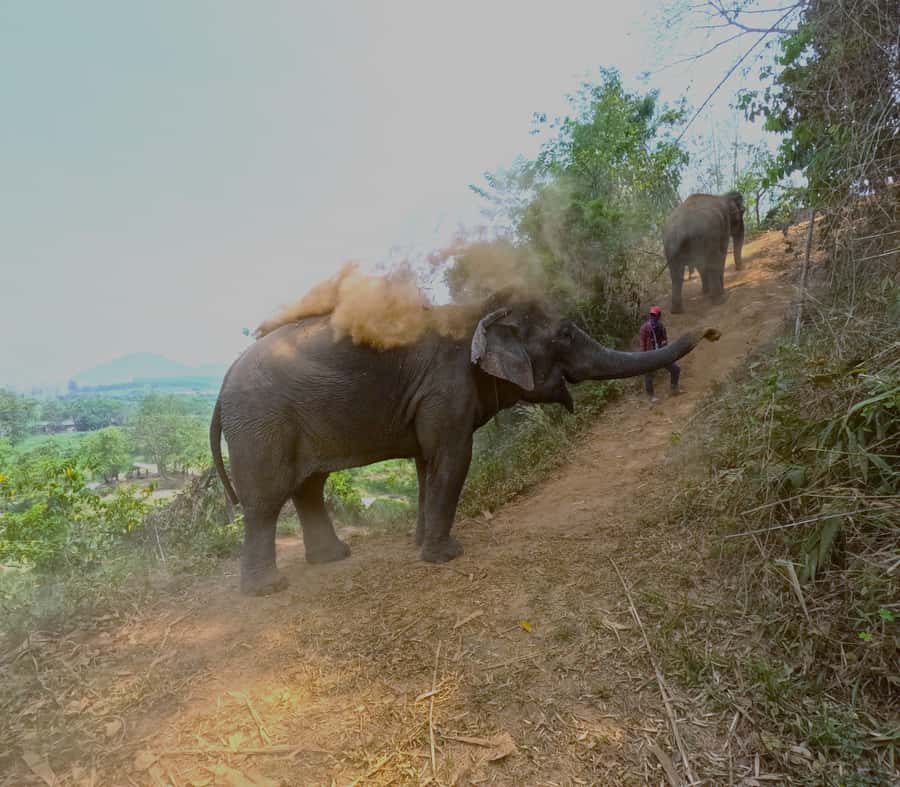
Walking with the elephants changes the mood. Feeding is busy and close-up. A walk gives you time to watch how the animals move, pause, and interact with their surroundings.
Your guide can help you notice details that are easy to miss. An elephant’s ear and tail movements, for example, can say something about its mood, though you should rely on the guide rather than trying to interpret every gesture yourself.
The program also includes general facts about elephants and their place in Thailand. One guide connected the animal-care session with Thai culture and the Karen people, adding useful local context to what might otherwise be a short photo experience.
I like this blend of animal care and cultural explanation. You get a better sense of why elephants matter in Thailand, while also seeing the practical work involved in looking after them. The visit is not presented as a wildlife encounter in the forest. It is a managed care setting, and understanding that distinction helps you judge the experience fairly.
Bathing and brushing in the river
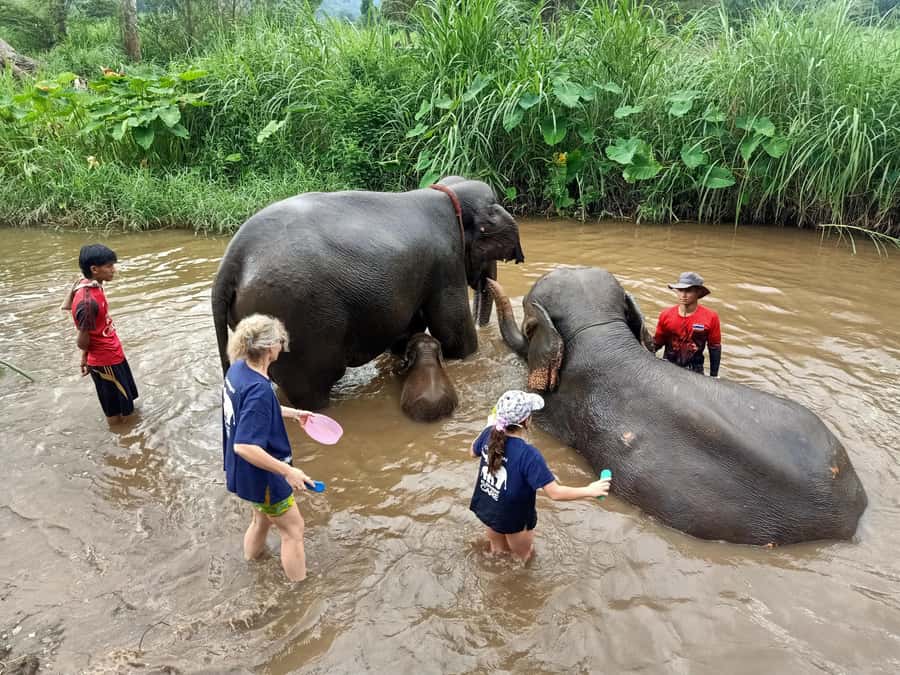
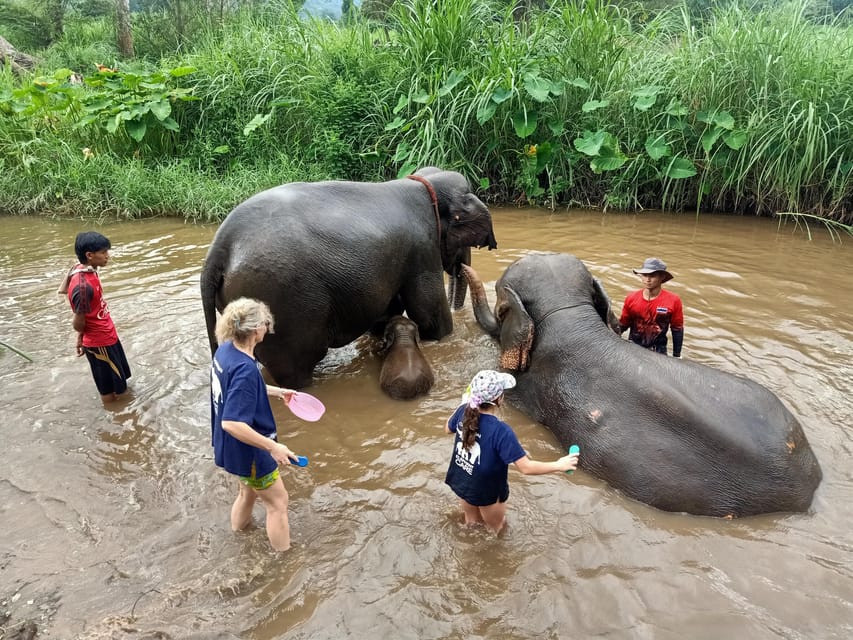
The final main activity is bathing and brushing the elephants in the river. You can get into the water, help clean the animals, and take part in one of the most memorable parts of the morning.
Bring outdoor clothing that can handle water and expect to change afterward. The camp provides a shower and a place to change clothes, but towels are not included. Pack one, or be prepared to dry off without one.
The ethical point here matters. The elephants are not forced to bathe with you or perform on command. If an elephant wants to move away, the animal’s choice comes first. This can make the river portion less predictable, but it also makes it more respectful.
You may spend time brushing and observing rather than constantly splashing. That is still a worthwhile part of the visit. The best experience is not necessarily the one with the most dramatic photograph. It is the one in which the animals remain calm and free to choose their actions.
After the river, shower and change before lunch. Keep your wet clothing contained in a separate bag if you have one, although no bag is listed among the provided items.
Homemade lunch with a view of the elephants
Lunch follows the elephant activities and is included in the price. The meal has been described as homemade pad Thai with fruit, along with drinks. A vegetarian pad Thai has also been served.
This is a welcome ending to a physical morning. You have been outdoors, walking, handling food, and getting wet, so a meal at the camp saves you from having to find food immediately after returning to Chiang Mai.
The setting can add to the meal. One visit described eating while looking out over the elephants. That gives you a final chance to watch them without touching or feeding them, which is a calmer way to end the encounter.
Do not expect a restaurant-style spread based on the information available. Think of it as a straightforward homemade lunch included as part of a rural day program. Drinks and fruit are included too.
What the $54 price includes
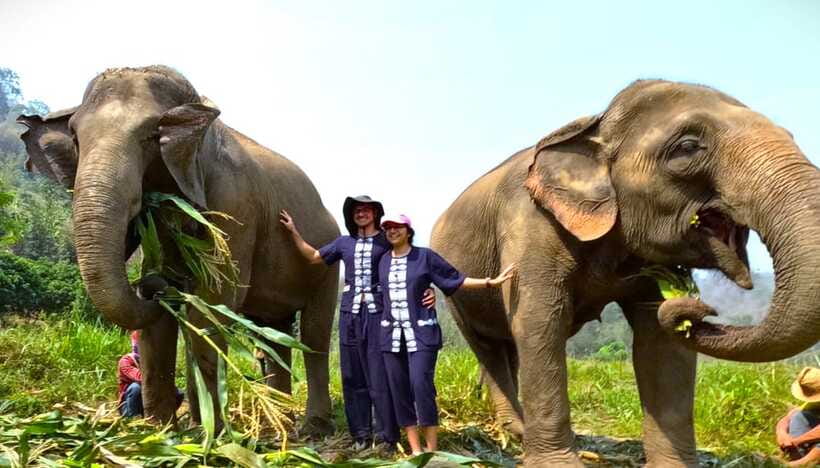
At $54 per person, the price is reasonable for a five-hour outing when you count what is covered. You get hotel pickup and return, the 75-minute van ride each way, entry to the elephant camp, an English-speaking guide, elephant food, a uniform, day-tour insurance, lunch, drinks, and fruit.
The transportation is a major part of the value. Hiring a separate car to reach Maeteang would add cost and planning, while the included pickup keeps the morning simple. The guide is another important part of the price because the visit depends on safe animal contact and clear explanations.
The program also includes several activities rather than one short encounter. Feeding, medicine-ball preparation, walking, observation, river bathing, and lunch create a full half-day.
The price does not include a towel, so that is the main small extra to plan for. You should also bring a hat and insect repellent. No other excluded costs are specified, but it is sensible to carry a little cash for personal needs.
The option to reserve now and pay later can help if you are still arranging your Chiang Mai schedule. Free cancellation is available up to 24 hours before the activity for a full refund. Check the available start time when booking, since the exact pickup hour is not given here.
Who will enjoy this morning most
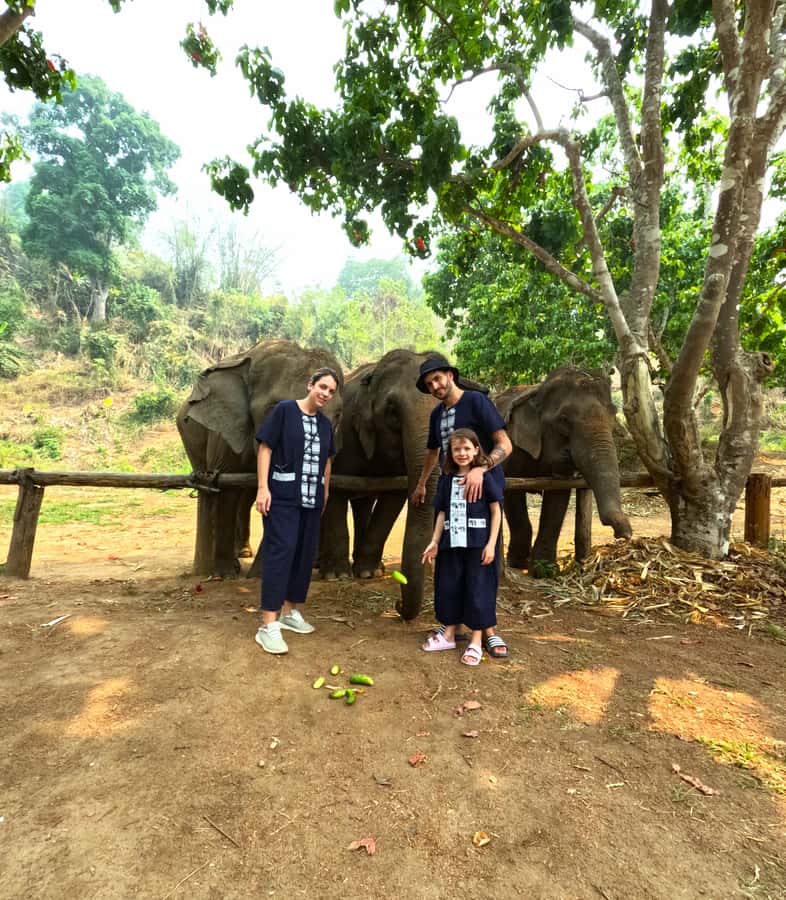
I would choose this program if you want close contact with elephants but do not want a full-day commitment. It suits couples, families with older children, and solo visitors who want a guided introduction to elephant care.
It is also a good fit if you care about animal welfare and want the visit to include a clear humane-interaction briefing. The no-pressure approach to river bathing is particularly important to people who want to avoid forced animal performances.
The experience may suit you less if you dislike long van rides or need a late morning. It begins with a morning pickup and requires about 2.5 hours on the road in total. You should also think twice if you want a purely observational wildlife experience. This is hands-on care, with feeding, touching, walking, and bathing.
For photographers, the young elephant Lucky may be a wonderful bonus, but no particular animal or baby elephant is guaranteed. The number of elephants and their behavior can vary. Book this for the care experience, not for a promised picture.
Practical tips for a smoother visit
Wear clothes that are comfortable outdoors and suitable for getting wet. The provided uniform helps, but you still want a swimsuit or quick-drying clothing underneath if that is comfortable for you.
Bring:
- A hat
- Insect repellent
- Outdoor clothing
- A towel
- A change of clothes if you prefer extra comfort after the river
Keep your phone protected around the water. The activity invites photographs, but follow the guide’s instructions and do not let taking pictures distract you from animal-care rules.
Give yourself a calm morning. The drive is long enough that a rushed start will make it feel longer. Have your hotel address ready in Google Maps and wait in the lobby for pickup.
Guide names can vary, but Ford, Tang, and Thong have led recent visits. If you are assigned one of them, expect the guide to be a central part of the experience, explaining elephant behavior and answering questions about Thai culture and the Karen community.
Should you book Chiang Mai Elephant Care?
I would book this morning program if you want a practical, hands-on elephant visit with transport and lunch included. The strongest features are the time spent with the animals, the herbal medicine activity, the clear attention to humane treatment, and the guides’ explanations.
The main caution is the journey. You spend about 2.5 hours in the van for a five-hour outing, so the camp visit needs to be your priority for the morning. Also remember that river bathing is guided by the elephants’ willingness, not by a guaranteed show.
At $54, the package offers solid value for a small-group-style care visit with food, uniform, guide, transport, and lunch covered. Bring a towel, listen closely during the briefing, and book it for respectful contact rather than staged entertainment.
FAQ
How long does the Chiang Mai Elephant Care morning program last?
The activity lasts five hours, including transportation from Chiang Mai and the elephant-care visit.
How long is the drive from Chiang Mai to the camp?
The van ride takes about 75 minutes each way.
Is hotel pickup included?
Yes. Pickup and drop-off at your Chiang Mai hotel are included. Provide the hotel name and address as they appear in Google Maps, and wait in the hotel lobby.
What language does the guide speak?
The tour has an English-speaking live guide.
What activities do you do with the elephants?
You feed the elephants, pet them, make supplemental herbal medicine balls, observe them, walk with them, and bathe and brush them in the river.
Are the elephants forced to bathe with visitors?
The program’s approach is not to force the elephants to bathe with people or pressure them to take part. Their comfort comes first.
Is lunch included?
Yes. Homemade lunch, drinks, and fruit are included. Pad Thai, including a vegetarian version on one visit, has been served.
Is a towel provided?
No. A towel is not included, so bring your own for after the river and shower.
What should you bring?
Bring a hat, insect repellent, and outdoor clothing. A towel and a change of clothes are also sensible because the river activity can leave you wet.
Can you cancel for a full refund?
Yes. You can cancel up to 24 hours in advance for a full refund. The reserve-now, pay-later option is also available.
More Morning in Chiang Mai
- Chiang Mai: Doi Suthep, Wat Umong, and Pha Lat Sunrise Tour
★ 4.7 · 1,425 reviews - Wat Phra That Doi Suthep spiritual Sunrise Tour with an Ex-monk
★ 5.0 · 798 reviews - Spiritual Sunrise Wat Doi Suthep, Pha Lat, Alms & Meditation
★ 4.9 · 674 reviews - Half Day Morning Wat Pha Lat & Wat Phra That Doi Suthep Tour
★ 4.8 · 269 reviews
Just added around Chiang Mai
- Taste of Chiang Mai: Michelin Guide & Street Food Tour★ 4.9 · 159 reviews
- Red, Blue, White Temples & Hot Spring Trip from Chiang Mai★ 4.4 · 143 reviews
- From Chiang Mai: Mae Taeng Valley and Waterfalls Cycle Tour★ 4.9 · 159 reviews
- Long Neck Village, Silver Temple & Chiang Mai Top Sites★ 4.7 · 17 reviews
- Chiang Mai: Local Northern Thai Cooking Class at Grandma’s★ 5.0 · 33 reviews
- Chiang Mai: Khum Khantoke Northern Thai Cuisine and Show★ 4.3 · 38 reviews
- Private : Sticky Waterfall & Secret Temple & Karen Village.★ 5.0 · 9 reviews
- Half-day with CHIANGMAI ELEPHANT CARE program (12pm-6pm.)★ 5.0 · 27 reviews
Chiang Mai Tours, compared.
Half-Day Thai Cooking Class at Organic Farm in Chiang Mai
Read our review →
Elephant Sanctuary, Waterfall & Bamboo Rafting
Read our review →

Chiang Rai Temples, Karen Tribe and Hot Springs
Read our review →
Cooking Class, Market & Thai Herbs Garden Tour
Read our review →
Authentic Cooking Class with Market & Farm Visit
Read our review →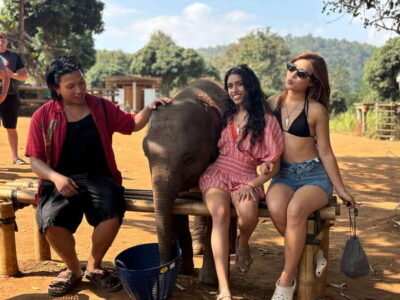
Elephant Sanctuary Feeding Program Half-Day Tour
Read our review →Browse the lists this tour appears in