
Reviewed · CHIANG MAI TOURS
Chiang Mai Authentic Trekking
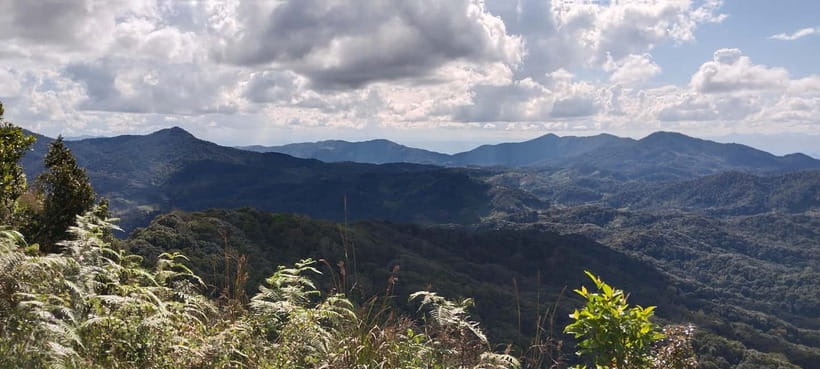
This is a proper mountain trek, not a gentle country walk. You climb for long stretches toward Phalai Mountain, follow local trails through rice fields and forest, and finish with a swim at a quiet waterfall. The route is near Karen communities in Mae Wang, well away from Chiang Mai’s usual sightseeing circuit.
I like the stop at the local market, where your guide helps you choose lunch and explains everyday ingredients. I also like the small group size, which makes it easier to ask about medicinal plants, coffee, crops, and Karen farm life. The catch is simple: 12 kilometers over four to five hours can be steep, slippery, and tiring. This is not a good pick if you want an easy nature outing.
Key points at a glance
- A real uphill hike: Expect mountain terrain, steep sections, and a medium difficulty rating rather than a casual stroll.
- Lunch begins at a Thai market: Buy local food and water before heading into the hills, then eat it in the forest.
- Karen village and farm life: Visit Khun Poi Village and pass crops including coffee, passion fruit, tomatoes, zucchini, taro, and cape gooseberry.
- Plant knowledge along the trail: Your English-speaking guide can point out edible plants, herbs, and vegetation used in daily life.
- Phalai Mountain views: The high point offers wide views toward the valley, villages, and surrounding mountains.
- Waterfall finish: Bring swimwear and a towel for a refreshing break before the drive back to Chiang Mai.
Why this Chiang Mai trek feels different
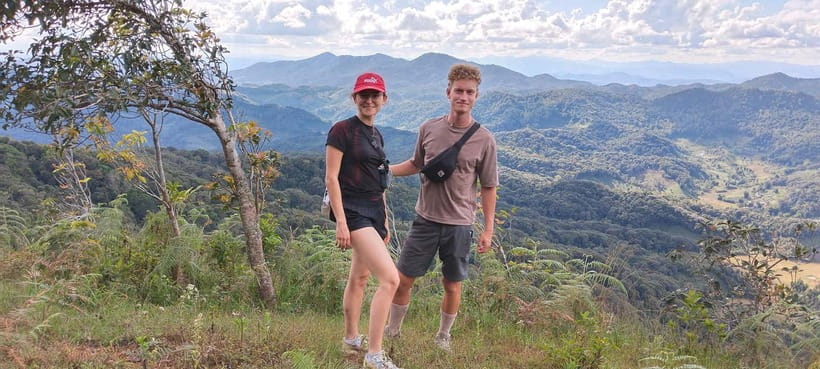
Many day trips from Chiang Mai keep to a fixed attraction, a short walk, and a photo stop. This one is built around time on the trail. You spend most of the day walking through places where local people farm, gather plants, and travel between villages.
The route begins near Khun Poi, a Karen hill tribe community in the Mae Wang area. The village setting gives the day a human side before the hiking starts. You see the school, farmland, and daily work of the community, rather than simply stopping at a scenic lookout.
The tour also aims to support local businesses. Your lunch comes from a traditional market, and the route passes working farms and village land. That does not make the outing impact-free, but it gives your spending a more direct connection to local shops, guides, and agricultural communities.
The group is limited to eight people, with an English-speaking guide and local assistant. That matters on a trail where the best details are easy to miss. A small group lets you stop to examine a plant or ask about farming without holding up a large busload of people.
More walks and treks around Chiang Mai:
- 3-in-1: Doi Inthanon Tour, Elephant Sanctuary, and Trekking Trail
★ 5.0 · 1,087 reviews - Chiang Mai: Doi Inthanon Trip with Pha Dok Siew Guided Trek
★ 4.6 · 910 reviews - Chiang Mai: Doi Inthanon Park with Kew Mae Pan Hike Day Trip
★ 4.7 · 841 reviews
7:45 to 8:00 AM pickup and the road south
Hotel pickup is included around Chiang Mai. Wait in your hotel lobby about 10 minutes before the scheduled time, then settle in for roughly an hour in the van as the city gives way to countryside.
The drive is part of the transition. You leave Chiang Mai’s built-up center and head toward the Mae Wang area, with mountain scenery appearing along the way. Return transport is also included, and arrival back at your hotel is expected around 5:00 to 6:00 PM.
The schedule can vary with traffic, road conditions, and the pace of the group. Keep the day open rather than booking a tight evening activity.
A local market before the hike
The market stop is more useful than a quick snack break. You buy lunch and drinking water here, with your guide helping you understand local ingredients, prepared food, and the way villagers shop.
The exact food selection is not fixed, so you should expect a local meal rather than a restaurant menu. One practical point is worth noting: soft drinks, snacks, and personal purchases are not included in the $57 price. Bring cash for these items and for souvenirs.
This is also your chance to get food you know you will eat. If you have dietary needs, ask the guide at the market about suitable choices. The supplied details do not promise vegetarian, vegan, halal, or allergy-specific meals, so do not assume those arrangements are automatic.
You then eat the food later in the forest. That sounds basic, but it fits the day well. The meal is tied to the market, the community, and the walking route instead of being served at a standard tourist restaurant.
Viewpoints and Khun Poi Village
There are two scenic pauses in the schedule. The first includes about 20 minutes for a food market visit, walking, and photographs. A second viewpoint stop allows another short walk and time to take in the valley.
These stops give you a breather before the main climb, but they are not the main event. The strongest views come later from the mountain itself, after you have worked for them.
At Khun Poi Village, you learn about the Karen community, its agricultural lifestyle, and the surrounding farmland. The trek begins near the village school, where you can see children going about their day. That stop is brief, but it helps place the trail in a living community rather than an isolated recreation area.
You should approach this part with respect. The village is not a staged cultural show. Avoid treating people, homes, or children as photo props, and follow your guide’s advice about photography.
A few more Chiang Mai half-days worth weighing up
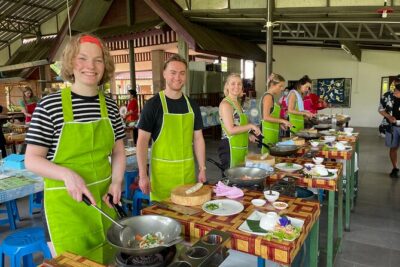
- Half-Day Thai Cooking Class at Organic Farm in Chiang Mai
★ 5.0 · 19,087 reviews - Chiang Mai: Elephant Sanctuary, Waterfall & Bamboo Rafting
★ 4.9 · 9,160 reviews - Chiang Mai: Doi Inthanon National Park Eco-Friendly Tour
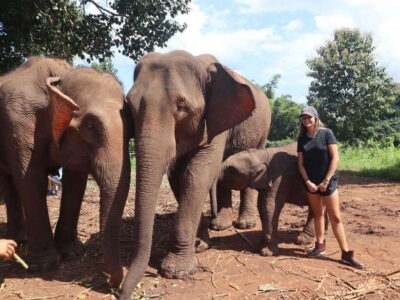
★ 4.6 · 6,667 reviews - Chiang Mai: Elephant Sanctuary & Waterfall Group Tour
★ 4.9 · 5,780 reviews
The four to five hour mountain route
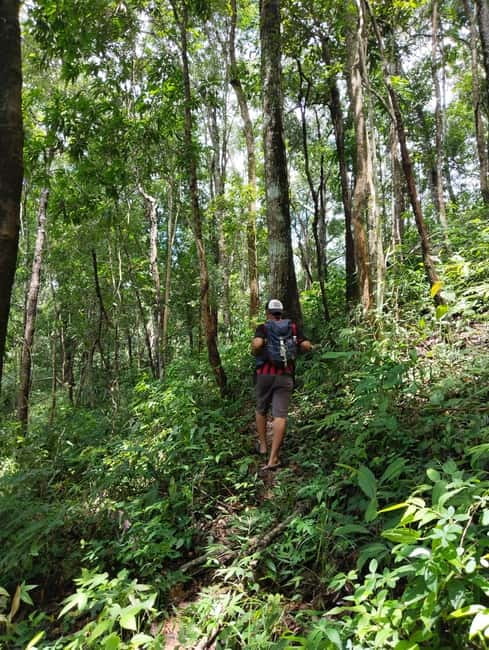
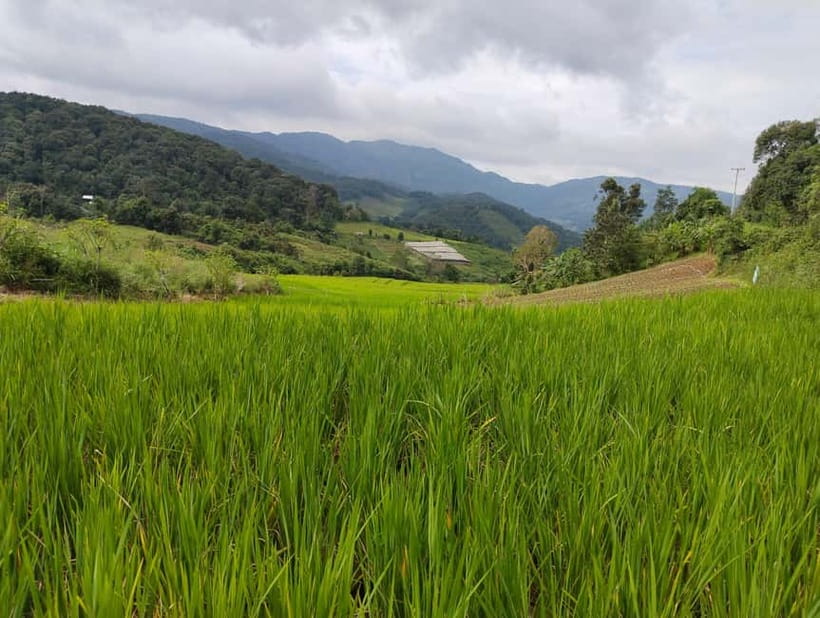
The main trek covers about 10 to 12 kilometers, with the supplied distance given as 12 kilometers. It takes roughly four to five hours and follows a mountain trail through rice fields, evergreen forest, and hill tribe farms.
The difficulty is rated medium, but that label needs context. A medium trek here includes a sustained uphill section, natural ground, and some steep or slippery stretches. One account of the route describes about two hours of continuous climbing before reaching the top. You need decent stamina and secure footwear.
The trail is not presented as a paved path or a maintained urban park route. Conditions can change with the season, rain, and foot traffic. Shoes with good grip are far more useful than fashionable trainers. A daypack, sun protection, insect repellent, and personal medication belong in your bag.
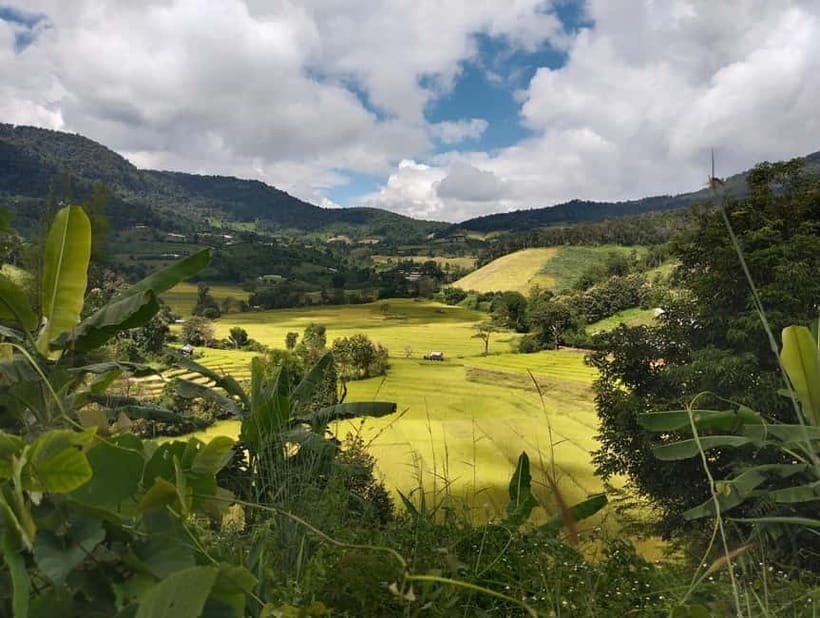
The reward is the variety. Within one day, you move through rice terraces, forest, crops, and mountain views. Your guide can identify plants used for food, medicine, and ordinary household needs. Some may be offered for tasting, but you should only eat anything after the guide gives clear permission.
Wildlife in the area can include wild boar, gibbons, barking deer, and many bird species. Seeing these animals is not guaranteed. The forest experience is still worthwhile if the main wildlife you notice is plant life, bird calls, and farm activity.
Reaching Phalai Mountain
Phalai Mountain sits between Chom Thong and Mae Wang districts and is connected to the Doi Inthanon National Park area. The summit section is the day’s main physical goal.
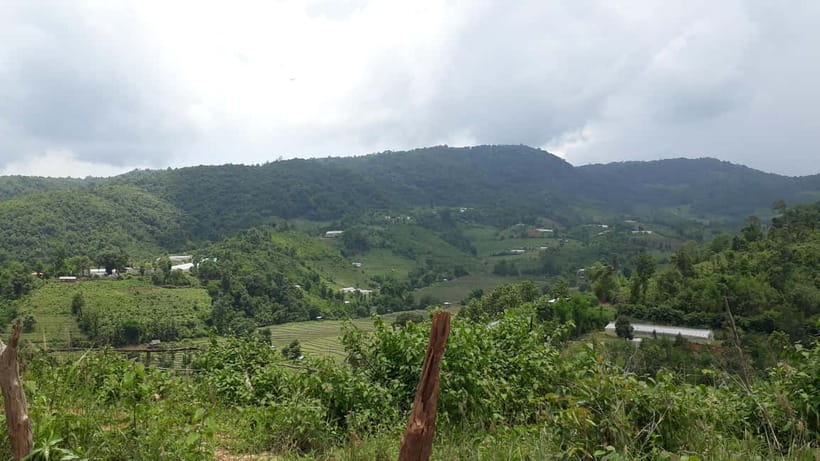
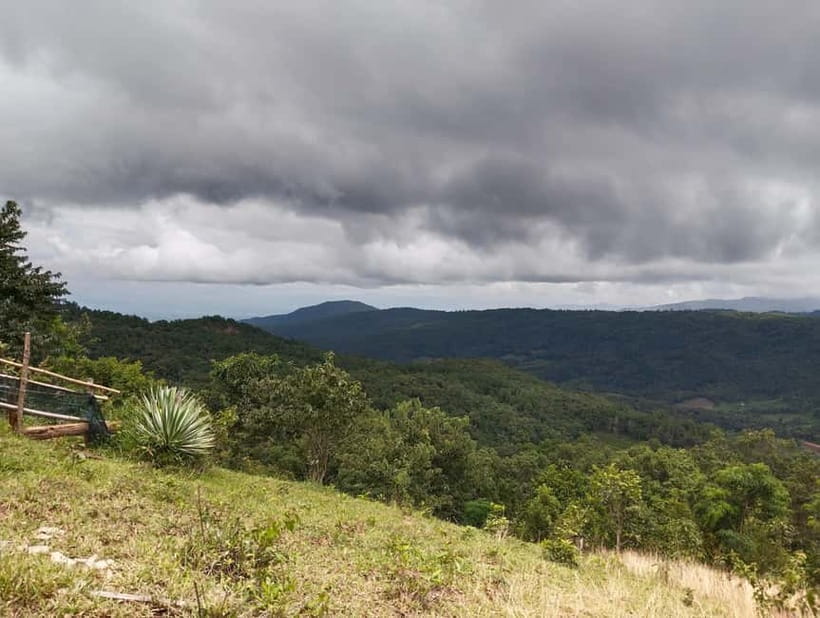
From the top, you can look across the valley, village, and surrounding mountains. Rice terraces and farmland give the view a strong sense of how people use the hills. Bring a camera, but do not forget to pause and enjoy the place without looking through a screen.
The climb can be demanding, especially in hot weather or after rain. Take water regularly and tell the guide early if you need a slower pace. The small group helps here, since the guide can pay closer attention to the group’s condition than on a large coach outing.
Forest lunch with a local connection
Lunch is eaten in the forest, using food bought earlier at the market. It is a simple arrangement, but it is one of the day’s most appealing details. You get fresh air, mountain quiet, and a meal that began with a visit to a local shopping place.
Do not expect a formal picnic setup or a wide selection of courses. The appeal is the setting and the connection to the market, not polished service. Carry your own extra snack if you need more food during a long hike, since personal snacks are not included.
This break also divides the day sensibly. You complete the major climb, eat at the high point or nearby forest area, then continue along a route through farms rather than turning straight back the way you came.
Coffee, fruit, and working farms
After lunch, the trail passes hill tribe farms growing coffee, passion fruit, cape gooseberry, tomatoes, zucchini, taro, and other crops. This is where the trek becomes more than a forest walk.
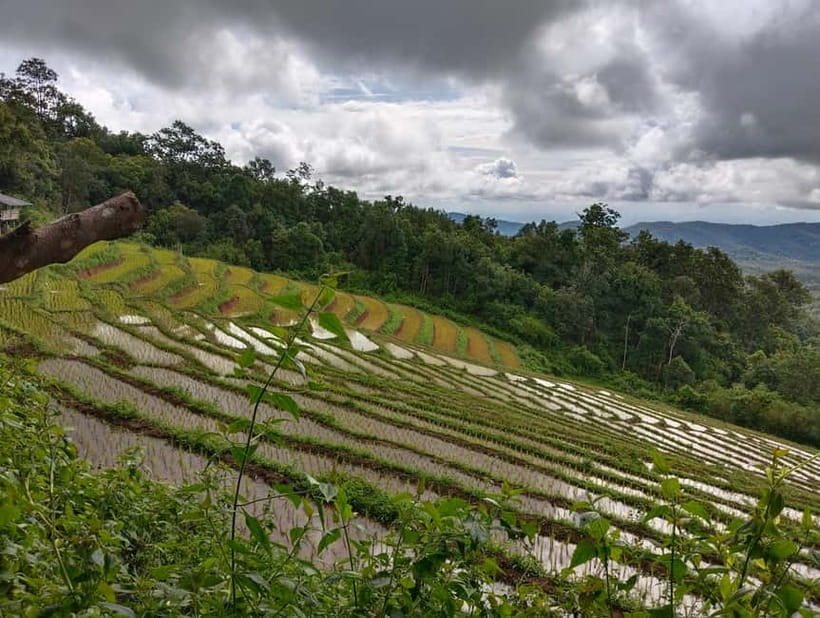
You can learn how food is grown in the mountain community and how farming fits the local setting. The mix of crops also gives you a closer look at the practical side of rural life. Rice terraces may look beautiful from a viewpoint, but walking beside them helps you understand the labor behind that view.
Coffee is a special detail here. The area produces coffee from handpicked beans, and the route may include a chance to taste fresh local coffee. The exact tasting arrangement is not guaranteed, so treat it as a possible highlight rather than a promised café stop.
One guide named in the experience details is Pan. A small group setting gives you a good chance to ask him about plants, Thailand, farming, and the route. A local assistant also joins the outing, adding support on the trail and a closer link to the area.
The waterfall finish
After the farm section, you reach a secluded waterfall for about 30 minutes of swimming and rest. This is a smart end to a hot hike. Cool water can feel wonderful after several hours of climbing and uneven ground.
Bring swimwear and a towel, as well as a waterproof way to protect your phone and camera. The supplied information does not state the depth, facilities, or changing arrangements at the waterfall, so keep your expectations practical. You may need to change with limited privacy.
The waterfall is a refreshing stop, but it should not be the main reason you book. If you want a full day of swimming with minimal walking, choose a different outing. Here, the waterfall is the final reward after the mountain route.
What the $57 price really covers
At $57 per person, the cost is reasonable for a full-day small-group trip with hotel transport, an English-speaking guide, a local assistant, lunch, drinking water, and accident insurance.
The value comes from the amount of guiding and trail time. You are not paying only for a van ride to a viewpoint. The price includes a long mountain route, village access, plant interpretation, market support, and transport in both directions.
You still need cash for soft drinks, snacks, souvenirs, and other personal expenses. The price also does not remove the need to bring your own hiking shoes, sunscreen, insect repellent, swimwear, towel, and medication.
The group limit of eight is important. A larger group might cost less, but it would be harder to hear plant explanations or keep a steady pace on narrow trails. For an active day with a local focus, this is solid value.
Weather, fitness, and what to pack
Chiang Mai’s seasons can change the feel of the route.
- Winter runs from mid-October to mid-February: This is generally the cooler period listed for the trek.
- Summer runs from mid-February to mid-May: Heat and sun protection matter more.
- Rainy season runs from mid-May to mid-October: Expect the possibility of wetter, more slippery mountain trails.
The tour does not promise a particular trail condition or weather outcome. Wear comfortable clothes suited to the forecast, plus proper hiking shoes with grip. A sun hat, sunscreen, insect repellent, daypack, camera, cash, water arrangement, and weather-appropriate layer are all sensible.
You should be comfortable walking for four to five hours on mountain ground. The trip is not suitable for wheelchair users, people with mobility impairments, pregnant women, people with heart problems, babies under one year, people over 95, or people over 70. Those age limits are unusually specific, so take them seriously rather than treating them as a casual suggestion.
If you are unsure about your fitness, ask yourself whether you can manage a long uphill section followed by several more hours on natural trails. If the answer is doubtful, this is probably not the right Chiang Mai day trip.
Who should book this trek
I would choose this for an active visitor who wants a rural day with real walking, local food, and contact with farming communities. It suits people who enjoy learning what plants are used for, taking photos of rice terraces, and accepting a little mud or discomfort in exchange for a less commercial route.
It is also a good option if you have already seen Chiang Mai’s temples and want to spend a day outside the city. The route gives you mountain scenery without reducing the countryside to a quick photo stop.
I would not choose it for anyone seeking an easy family outing, a luxury nature tour, or a tightly controlled schedule. The trail is medium difficulty on paper but strenuous in practice for anyone unused to uphill hiking. The waterfall is welcome, yet it comes after the hardest part, not before it.
Free cancellation is available up to 24 hours before departure for a full refund, and you can reserve now and pay later. Check the current start time when booking, since the listed pickup window is approximate.
Should you book Chiang Mai Authentic Trekking?
Book it if you want a genuine full-day hike through Karen farmland, forest, and mountain scenery, and if you are prepared for steep or slippery sections. The market lunch, plant knowledge, Phalai Mountain views, and small group make this more personal than a standard countryside excursion.
Skip it if 12 kilometers sounds like too much, if you need accessible terrain, or if your priority is a relaxed waterfall visit. The best reason to book is not the final swim. It is the long, demanding route through a working mountain area with Pan, a local assistant, and room to learn as you walk.
FAQ
How long does the Chiang Mai trek take?
The activity lasts one full day. Hotel pickup begins around 7:45 to 8:00 AM, and arrival back in Chiang Mai is expected around 5:00 to 6:00 PM.
How far do you trek?
The total trekking distance is about 10 to 12 kilometers, with the stated distance listed as 12 kilometers.
How difficult is the route?
It is rated medium difficulty and includes about four to five hours of mountain trekking. Expect steep and potentially slippery sections.
Is hotel pickup included?
Yes. Hotel pickup and drop-off around Chiang Mai are included. Wait in the hotel lobby about 10 minutes before the scheduled pickup time.
Is lunch included?
Yes. Lunch and drinking water are included. You also stop at a local market, where the lunch is selected or purchased before the hike.
What language does the guide speak?
The tour includes an English-speaking live guide. Pan is named as one of the guides associated with the trek, along with a local assistant.
Is swimming included?
The route includes about 30 minutes at a secluded waterfall for swimming and relaxation. Bring swimwear and a towel.
What should you bring?
Bring comfortable clothes, hiking shoes, a sun hat, sunscreen, insect repellent, a daypack, camera, cash, personal medication, weather-appropriate clothing, swimwear, and a towel. A passport is also listed among the items to bring.
Can I cancel the booking?
You can cancel up to 24 hours in advance for a full refund. Reserve now and pay later is also available.
Just added around Chiang Mai
- Taste of Chiang Mai: Michelin Guide & Street Food Tour★ 4.9 · 159 reviews
- Red, Blue, White Temples & Hot Spring Trip from Chiang Mai★ 4.4 · 143 reviews
- From Chiang Mai: Mae Taeng Valley and Waterfalls Cycle Tour★ 4.9 · 159 reviews
- Long Neck Village, Silver Temple & Chiang Mai Top Sites★ 4.7 · 17 reviews
- Chiang Mai: Local Northern Thai Cooking Class at Grandma’s★ 5.0 · 33 reviews
- Chiang Mai: Khum Khantoke Northern Thai Cuisine and Show★ 4.3 · 38 reviews
- Private : Sticky Waterfall & Secret Temple & Karen Village.★ 5.0 · 9 reviews
- Half-day with CHIANGMAI ELEPHANT CARE program (12pm-6pm.)★ 5.0 · 27 reviews
Chiang Mai Tours, compared.
Half-Day Thai Cooking Class at Organic Farm in Chiang Mai
Read our review →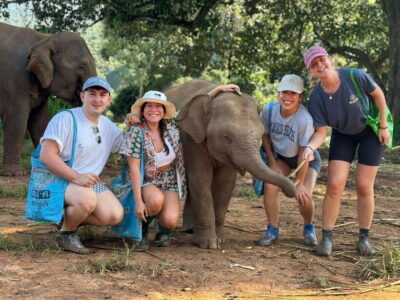
Elephant Sanctuary, Waterfall & Bamboo Rafting
Read our review →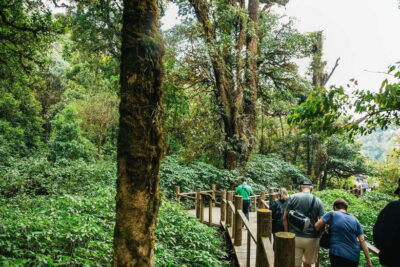

Chiang Rai Temples, Karen Tribe and Hot Springs
Read our review →
Cooking Class, Market & Thai Herbs Garden Tour
Read our review →
Authentic Cooking Class with Market & Farm Visit
Read our review →
Elephant Sanctuary Feeding Program Half-Day Tour
Read our review →Browse the lists this tour appears in