
Reviewed · CHIANG MAI TOURS
Chiang Mai: Elephant Dream Project Sanctuary – Half-Day
The Elephant Dream Project offers something refreshingly simple: you feed elephants, walk beside them in the jungle, and let them decide what happens next. The project is locally run, with guides such as JJ and Mr Dee who treat the elephants as family rather than stage performers.
I like the no-riding, no-tricks approach, and I like that bathing is not turned into a compulsory photo session. I also appreciate the chance to spend time with local people and eat a Thai lunch at the sanctuary.
The main drawback is the timing. It is sold as a four-hour activity, but the posted schedule runs from roughly 7:00 AM until 2:30 or 3:00 PM because the sanctuary is about 1 hour and 45 minutes from Chiang Mai. The drive is part of the day, not a minor transfer.
Key points at a glance
- Elephants set the pace: The animals are not forced to perform, bathe, pose, or join an activity.
- Food is the main close encounter: You can feed the elephants and watch how much they eat, but direct touching is limited or discouraged.
- The jungle walk is real exercise: A short climb through the forest can be slippery, so hiking shoes with good traction matter.
- Local care comes first: The project is operated by local Karen people, and the elephants are connected to the owner’s home village.
- Lunch is included: Expect Thai food, seasonal fruit, and water after your time with the elephants.
- The price supports a small project: At $51 per person, the tour includes transport, entry, food for the elephants, lunch, and a guide.
Why the Elephant Dream Project feels different
Many elephant experiences in northern Thailand promise an ethical visit, yet still build the day around human entertainment. The Elephant Dream Project takes a quieter route. You do not ride an elephant, watch tricks, or take part in a staged bathing routine.
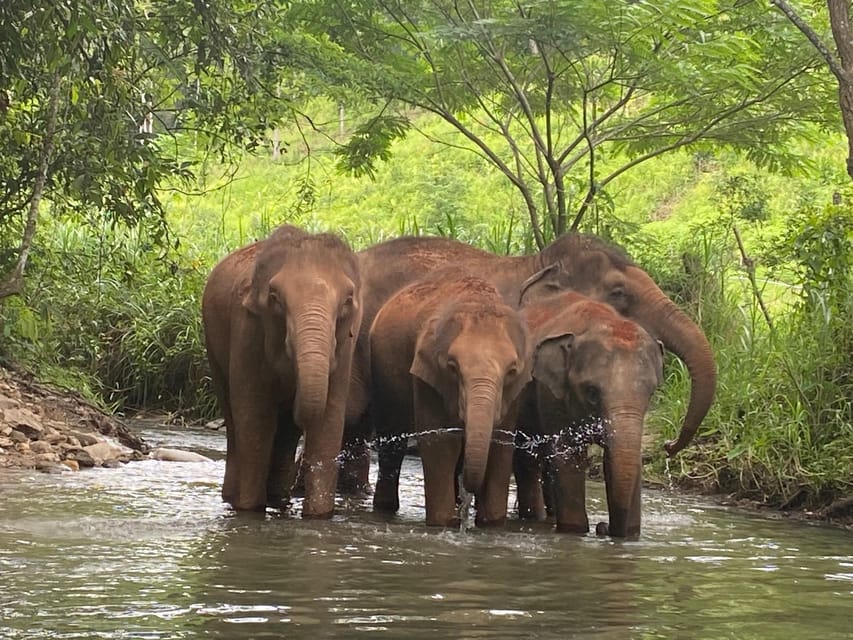
Instead, the animals move through their normal routine as far as the setting allows. You may feed them, follow them uphill through the jungle, watch them drink or bathe, and step back when they lose interest in people.
That distinction matters. An elephant that wanders away is allowed to wander away. An elephant that does not want to join the group is not pulled back for a better photograph. The result can feel less like a show and more like a supervised visit to an animal-care project.
You should still keep your expectations realistic. These elephants are accustomed to people, and the sanctuary earns money by bringing visitors to see them. No tourism encounter with captive elephants is entirely free of human influence. The positive point here is that the activities described are limited and guided around the elephants’ choices.
A few more Chiang Mai half-days worth weighing up
- Half-Day Thai Cooking Class at Organic Farm in Chiang Mai
★ 5.0 · 19,087 reviews - Chiang Mai: Elephant Sanctuary Feeding Program Half-Day Tour
★ 4.8 · 4,527 reviews - Chiang Mai: HALF-DAY COOKING COURSE at a Thai Cooking Farm
★ 4.9 · 705 reviews
The early pickup and mountain road
Pickup takes place between 7:00 and 7:30 AM from hotels in Chiang Mai city. You should wait in the lobby about five minutes before your scheduled time and look for the Elephant Dream Project vehicle.
The drive takes about 1 hour and 45 minutes each way. That makes the full day considerably longer than the four-hour label suggests. The sanctuary time itself is about three hours, followed by lunch and the return journey.
I see the drive as both a cost and a benefit. It takes time away from Chiang Mai, but it also moves you out toward the mountains and jungle. The city fades fairly quickly, and the ride gives you a look at the countryside around Chiang Mai.
Transport is included in the $51 price, along with entry and the food used to feed the elephants. A nine-seat van with comfortable seats has been used for some departures, though the exact vehicle can vary. Safe, professional driving has been praised, but you should still be prepared for a long road journey.
If you suffer from motion sickness, sit where the road feels easiest for you and bring any medication you normally use. The activity information does not give a detailed road description, so I would not assume every part of the route is smooth.
Meeting the elephants and learning their stories
At about 9:30 AM, you reach the sanctuary and receive an introduction from the local English-speaking guide. JJ is one of the guides often named in connection with the experience, while Mr Dee is described as the owner and caretaker of the elephants.
The introduction explains Asian elephants, their behavior, and the purpose of the Elephant Dream Project. You also learn how to act around the animals. This briefing is not filler. It helps you understand why the group does not chase an elephant for a photograph or insist on touching one that has moved away.
The project is linked to local Karen communities, and the elephants come from the owner’s home village. Some have family connections stretching back through several generations, from the period when elephants worked on farms.
That local connection gives the visit a human side. You are not only looking at animals in a fenced attraction. You are also hearing how a community lives with elephants, cares for them, and tries to pay for their food and treatment.
The project’s long-term challenge is clear: feeding elephants costs money, and the owner does not own all the land used by the animals. Support from visitors helps keep the project operating and may help it secure more land in the future. Some elephants may also be rented to other companies when the project cannot cover the cost of keeping them all.
That is useful context for booking. Your $51 is not simply paying for a sightseeing stop. It helps fund a small operation with a large daily food bill. At the same time, you should not assume every dollar goes directly to land purchase or elephant care, since no full financial breakdown is provided.
Feeding time, the closest encounter
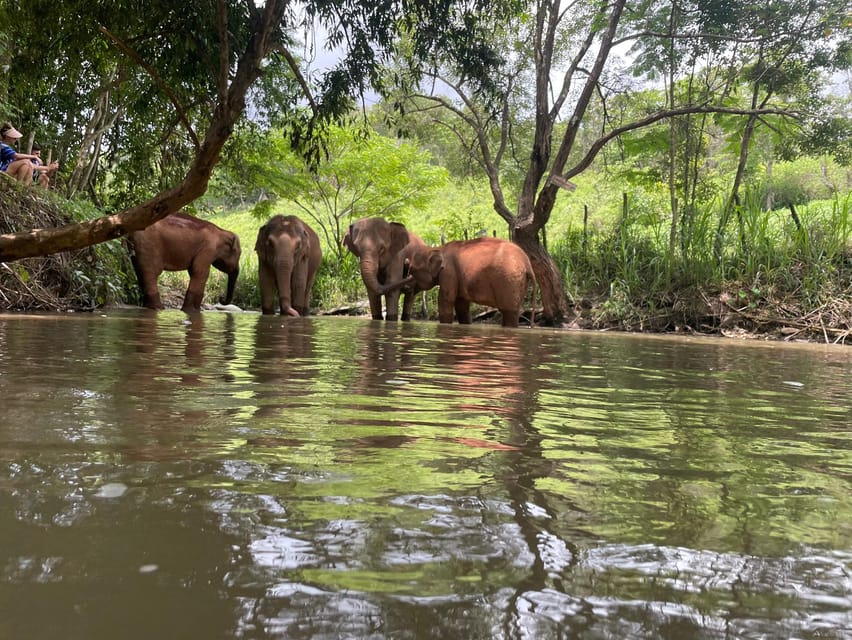
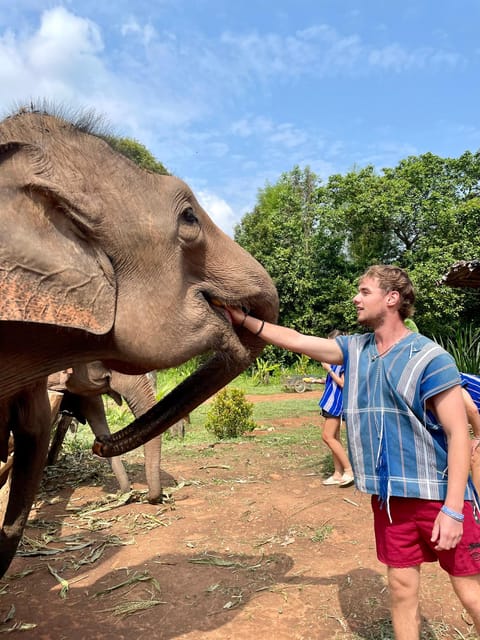
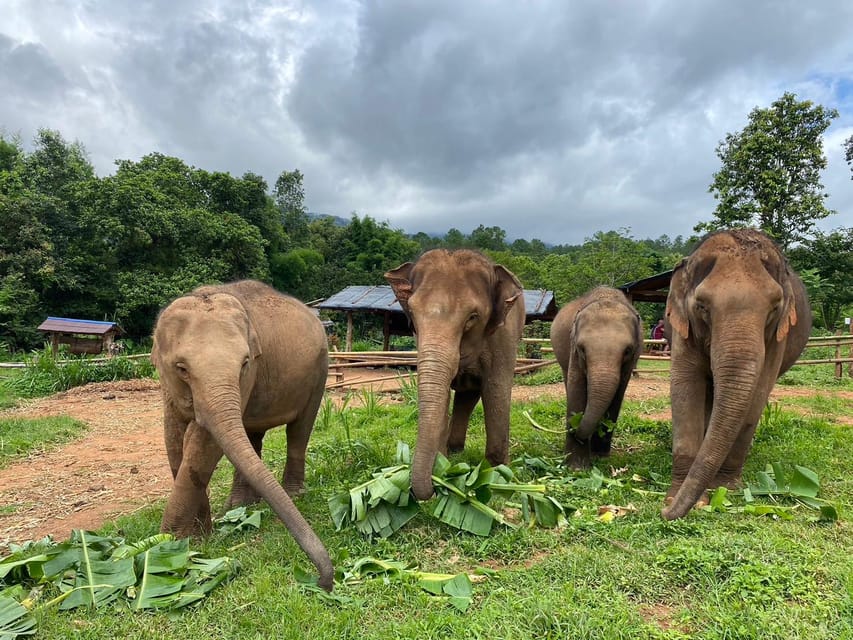
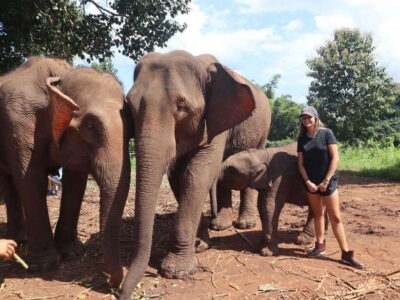
Feeding is the most hands-on part of the visit. Food for the elephants is included, and you will be given a chance to offer them buckets or portions of fruit and other food.
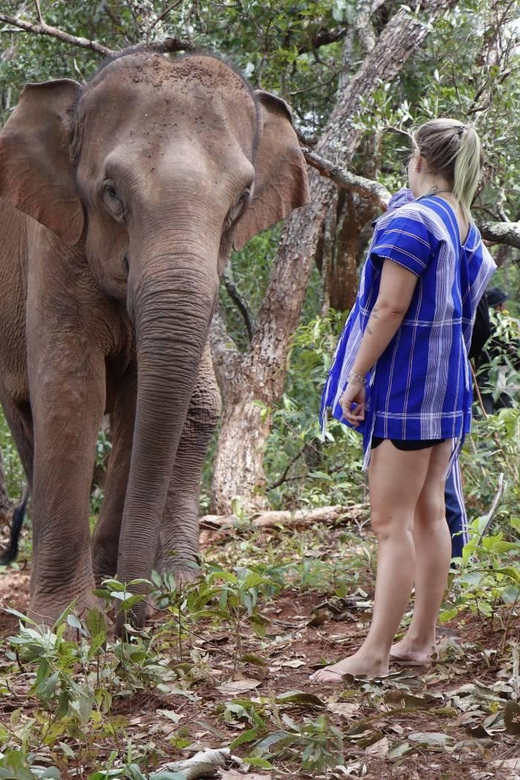
This is where you get closest. Elephants are large, strong, and surprisingly precise with their trunks, so listen carefully to the guide. Give food in the manner shown, keep your fingers clear, and do not crowd an animal to get a better picture.
The experience is lively without needing a performance. Elephants eat a great deal, and feeding gives you a practical sense of their size, appetite, and strength. It also lets you observe differences between individual animals.
The project does allow close viewing, but its approach is not built around constant touching. Some descriptions emphasize feeding and walking rather than hands-on contact. If you want an elephant to hug, scrub, or pose beside you, this may feel restrained. I consider that restraint a strength.
You may be given a smock-style cover to help keep your clothes clean while feeding. Still, wear clothing that can handle mud, dust, and food splashes. Sunscreen is essential, even on a cloudy morning.
Same base, a completely different kind of day out:
- Chiang Mai: Elephant Sanctuary, Waterfall & Bamboo Rafting
★ 4.9 · 9,160 reviews - Chiang Mai: Doi Inthanon National Park Eco-Friendly Tour
★ 4.6 · 6,667 reviews - Chiang Mai: Elephant Sanctuary & Waterfall Group Tour
★ 4.9 · 5,780 reviews - Chiang Mai: Chiang Rai Temples, Karen Tribe and Hot Springs
★ 4.7 · 5,401 reviews
Walking uphill through the jungle
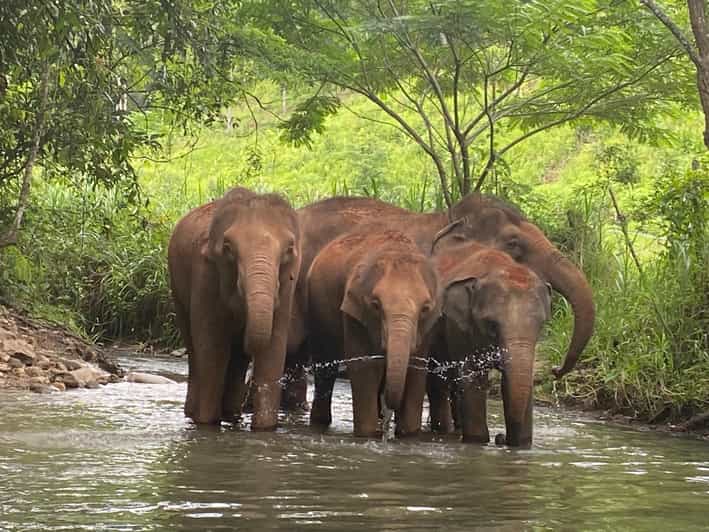
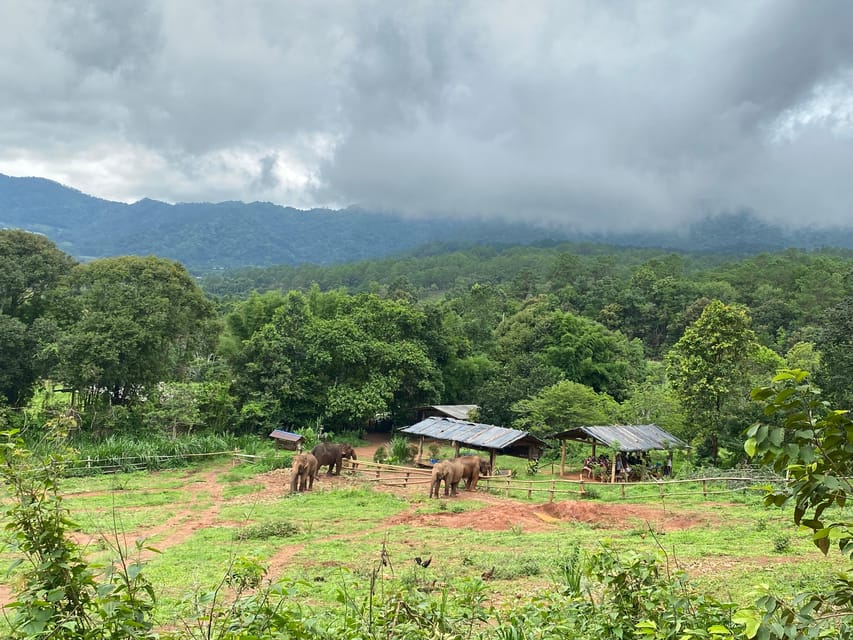
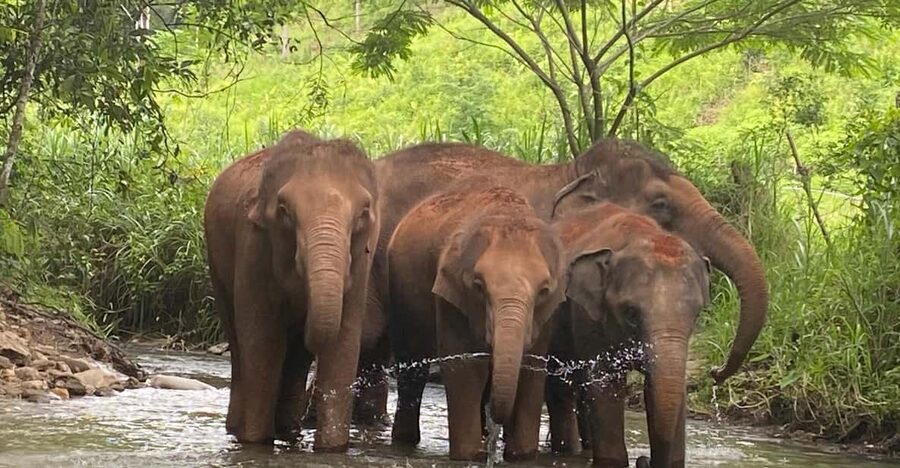
After feeding, you walk with the elephants through their forest setting. The animals lead the pace, and you follow rather than directing them through a set performance.
The walk can include a climb up the mountain and a short route toward a river. It is not described as a demanding trek, but the ground can be steep and slippery. One useful tip from the experience is to bring shoes with strong traction, not smooth-soled trainers.
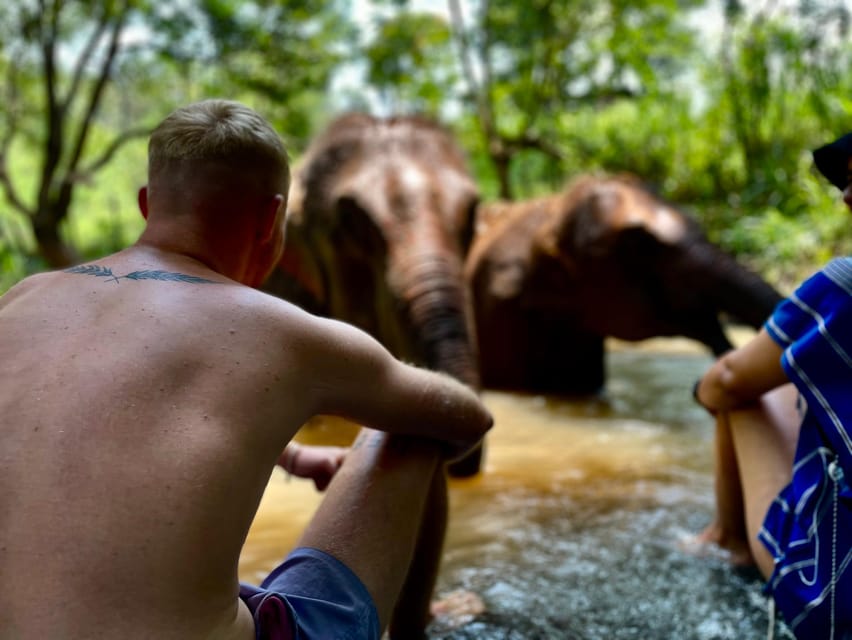
This part is special because the elephants are moving through their own surroundings instead of being placed in a small viewing area. You may see them drink, explore, rest, or bathe. You are there to observe, not to arrange the scene.
The jungle also changes the rhythm of the visit. At a standard animal attraction, you move from one scheduled activity to the next. Here, you might wait while an elephant investigates something or choose a different path. That slower pace is the point, but it means the day may feel less tightly controlled.
Bring insect repellent and sunscreen. A change of clothing and a towel are also recommended. You may not enter the water, and bathing the elephants is not part of the planned activity. This is good news for anyone who wants to avoid the uncomfortable practice of turning a wild animal’s bathing routine into a human bathing attraction.
Time with local people and lunch
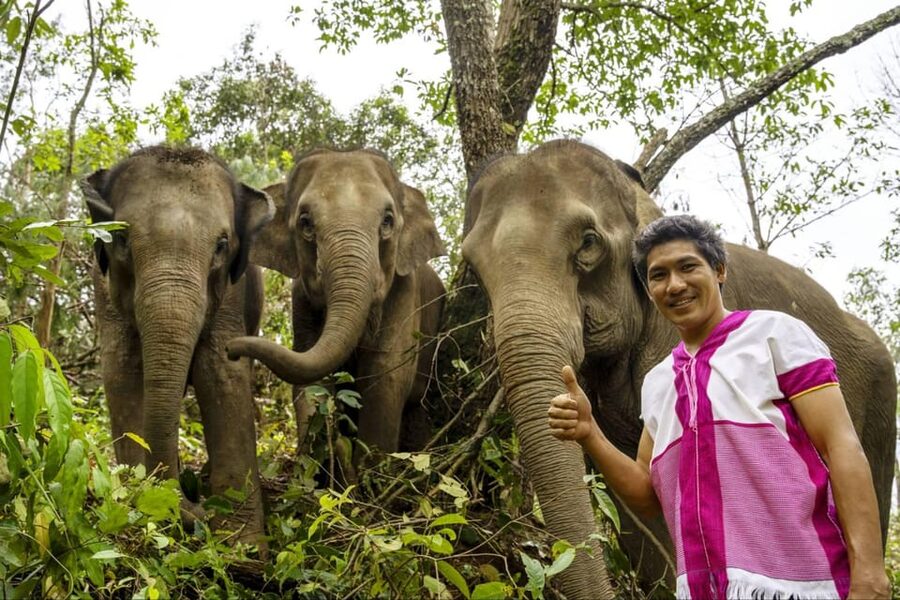
The sanctuary visit includes time with the local team and a Thai meal around noon. Lunch includes Thai food, seasonal fruit, and water. Soft drinks are not included.
The meal is a welcome break after the walk, especially in warm weather. It also adds value to a short visit because the day is not only about feeding animals and getting back into the van. You have a chance to sit in the community setting and see a little of local daily life.
Do not expect a restaurant-style meal or a long culinary program. The information describes a simple Thai lunch hosted at the sanctuary. That fits the character of the project: local, practical, and focused on the animals rather than polished entertainment.
If you have food allergies or special dietary needs, the available information does not confirm how these are handled. Ask before booking rather than assuming the included meal can be changed.
Is $51 a good value?
At $51 per person, I think the price is fair for a Chiang Mai elephant visit with hotel transfers. The fee includes roundtrip transport, entry, a live English-speaking guide, lunch, water, and food for the elephants.
The transfer is especially important. A private ride to a remote sanctuary can cost a good part of the tour price on its own. Here, you avoid arranging transport and get a guide to explain elephant behavior and the project’s purpose.
The value also depends on what you want. If you want a packed schedule with bathing, mud activities, staged photographs, and several animal encounters, another tour may seem more entertaining. If you want a calmer visit with no riding and no forced show, this package gives you the essential experience at a reasonable cost.
The project is small, and that can be a benefit. Groups may feel more personal, and the elephants are not presented as a conveyor belt of tourist activities. It can also mean fewer facilities and less polish than a large commercial park.
The high overall rating of 4.9 from 552 bookings reflects very strong satisfaction, especially with the care shown by the staff, the guide’s attitude, the chance to feed and walk with elephants, and the included meal. I would put more weight on the repeated details than on the number itself: no riding, no tricks, no forced bathing, and permission for elephants to walk away are the points that matter most.
Practical preparation for the jungle
You should arrive ready for heat, uneven ground, and animal contact. Pack:
- Hiking shoes with good traction
- Sunscreen
- Insect repellent
- A change of clothes
- A towel
- Water, although water is supplied
- A small camera or phone with a secure strap
Wear light clothing that you do not mind getting dirty. Long trousers may be more comfortable on the forest walk, but the tour information does not require a particular dress code.
Do not plan a formal event immediately after the tour. Drop-off is expected between 2:30 and 3:00 PM, and road conditions or pickup timing can affect the return. The schedule begins early, so this is best treated as a full morning and early afternoon outing.
The activity is not suitable for wheelchair users. The mountain walk and uneven ground also make it a poor choice for anyone who cannot walk comfortably for several hours. The stated age guidance says it is not suitable for people over 80 or over 95, though the duplicated wording is unclear. If age, mobility, or balance is a concern, ask the operator before paying.
Who should book this experience?
I would choose the Elephant Dream Project if you care more about animal welfare than spectacle. It suits people who are happy to watch, feed, and walk with elephants without demanding constant contact.
It is also a good choice for families with older children who can follow instructions around large animals, couples seeking a meaningful half-day outside Chiang Mai, and visitors who want local community contact alongside the elephant visit.
You may want to skip it if you dislike long van rides, have trouble on slippery paths, or expect to bathe elephants yourself. The elephants are the focus, and that means the schedule can be quiet and unpredictable.
The project may also appeal to repeat visitors. If you have already done an elephant ride or a highly staged animal show, this gives you a gentler alternative. You can watch the elephants drink, move through the jungle, and make their own choices without needing to handle them.
Should you book the Elephant Dream Project?
Book it if your ideal elephant experience means feeding, walking, and observing without riding or forced activities. The local ownership, personal guides, small-scale setting, and clear respect for the elephants give the visit a strong sense of purpose.
Before booking, accept the long drive and check that you are comfortable on uneven jungle ground. Also remember that ethical claims are never a reason to stop asking questions, but this experience gives you several encouraging signs: the animals can leave, bathing is not required, tricks are absent, and the day follows their pace.
For $51, the included transport and lunch make the cost sensible. More important, your money helps a small local project care for elephants that need food every day. If that is the kind of tourism you want to support, this is an easy choice.
FAQ
How long does the Elephant Dream Project tour last?
The activity is listed as four hours, but the detailed schedule runs from pickup around 7:00 or 7:30 AM to hotel drop-off around 2:30 or 3:00 PM. The sanctuary is about 1 hour and 45 minutes from Chiang Mai each way.
What time is hotel pickup?
Pickup is scheduled between 7:00 and 7:30 AM from hotels in Chiang Mai city. Wait in the hotel lobby five minutes before the scheduled pickup time.
Is hotel pickup included?
Yes. Roundtrip transfer from hotels in Chiang Mai city is included.
What activities are included?
You can feed the elephants, walk with them in the jungle, learn about Asian elephants, and spend time with the local team. Lunch, water, elephant food, entry tickets, and transfers are included.
Can I ride the elephants?
No riding is included. The experience is based on feeding, walking, and observing the elephants.
Can I bathe the elephants?
Bathing the elephants is not part of the planned activity. You may watch them bathe or drink, but visitors do not enter the water with them.
Is an English-speaking guide provided?
Yes. The tour includes a live guide in English. Guides connected with the experience include JJ and Mr Dee.
What should I bring?
Bring a change of clothes, towel, hiking shoes, sunscreen, and insect repellent. Shoes with good traction are especially useful for the jungle walk.
Is lunch included?
Yes. Thai food, seasonal fruit, and water are included. Soft drinks are not included.
Is the tour suitable for wheelchair users?
No. The activity is not suitable for wheelchair users. It is also listed as unsuitable for people over 80 and over 95.
Just added around Chiang Mai
- Taste of Chiang Mai: Michelin Guide & Street Food Tour★ 4.9 · 159 reviews
- Red, Blue, White Temples & Hot Spring Trip from Chiang Mai★ 4.4 · 143 reviews
- From Chiang Mai: Mae Taeng Valley and Waterfalls Cycle Tour★ 4.9 · 159 reviews
- Long Neck Village, Silver Temple & Chiang Mai Top Sites★ 4.7 · 17 reviews
- Chiang Mai: Local Northern Thai Cooking Class at Grandma’s★ 5.0 · 33 reviews
- Chiang Mai: Khum Khantoke Northern Thai Cuisine and Show★ 4.3 · 38 reviews
- Private : Sticky Waterfall & Secret Temple & Karen Village.★ 5.0 · 9 reviews
- Half-day with CHIANGMAI ELEPHANT CARE program (12pm-6pm.)★ 5.0 · 27 reviews
Chiang Mai Tours, compared.
Half-Day Thai Cooking Class at Organic Farm in Chiang Mai
Read our review →
Elephant Sanctuary, Waterfall & Bamboo Rafting
Read our review →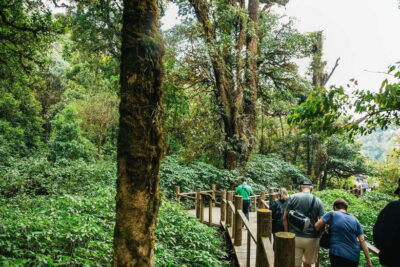

Chiang Rai Temples, Karen Tribe and Hot Springs
Read our review →
Cooking Class, Market & Thai Herbs Garden Tour
Read our review →
Authentic Cooking Class with Market & Farm Visit
Read our review →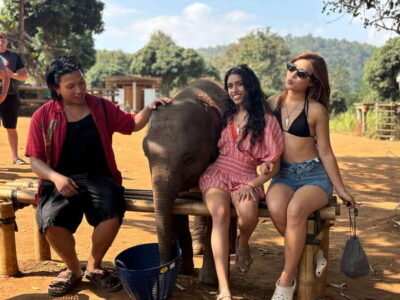
Elephant Sanctuary Feeding Program Half-Day Tour
Read our review →Browse the lists this tour appears in