
Reviewed · CHIANG MAI TOURS
From Chiang Mai: Chiang Rai’s Temples Exploration Day Trip
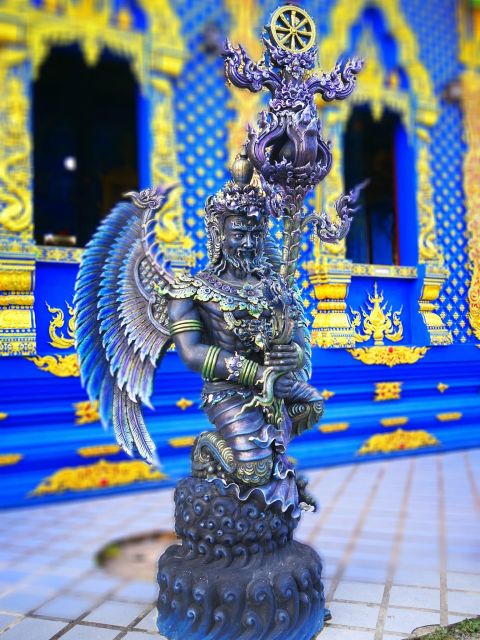
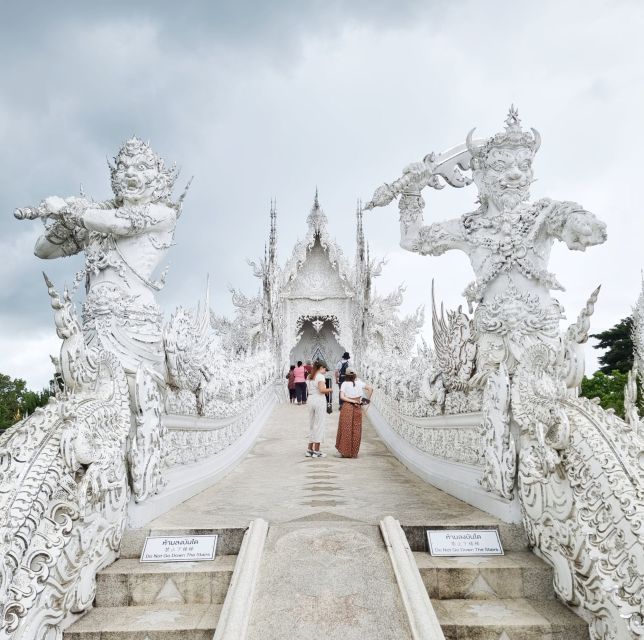
The big draw here is Chiang Rai’s trio of temples, each with a wildly different look. The White Temple glitters like a fairytale, the Blue Temple glows with dark sapphire tones, and the Red Temple fills its walls with bold Buddhist art. You get all three in one day from Chiang Mai, plus a hot spring stop.
I like the small group limit of 12, which makes it easier to hear the guide and keep the day moving. I also like the guides’ personal touch. Names such as Bee, Goi, Phone, Nine, Paul, and Anna appear often in the experience, with guests praising their clear explanations, humor, and help with photos.
The catch is the road. Chiang Rai is roughly three hours from Chiang Mai each way, so this is a full day with plenty of driving for a few hours at the temples. If you want slow, quiet sightseeing, book a night in Chiang Rai instead. If you have only one base in northern Thailand, this tour is a practical way to see the highlights.
Key points to know before booking
- Three very different temples: The White, Blue, and Red Temples offer three distinct styles rather than a string of similar shrines.
- About six hours on the road: Stops roughly every 90 minutes help break up the long ride.
- Small-group transport: Groups are limited to 12, with round-trip transfers and an English or Thai-speaking guide.
- A hot spring pause: You can watch steam rise from mineral-rich water, but this stop is not for swimming.
- Lunch is included: Expect a Thai buffet with vegetarian choices, though the meal is practical rather than a major food highlight.
- Dress for temple visits: Cover your shoulders and knees, and remove your shoes before entering the main chapel.
Why this Chiang Rai day trip is worth the long ride
Chiang Mai has more than enough temples to fill several days, but Chiang Rai offers a different visual experience. Its best-known religious sites are modern, theatrical, and highly individual. The White Temple is covered in white surfaces and mirror pieces. The Blue Temple uses rich blue paint and elaborate patterns. The Red Temple brings Buddhist stories and local folk themes into a strong red and gold setting.
That contrast makes the trip work. You are not simply visiting three old buildings with similar layouts. Each stop resets your attention, which matters on a long day in a minivan.
At $51 per person, the price is fair for what is covered: hotel pickup and drop-off, round-trip transport, entrance fees, lunch, drinking water, insurance, and a guide. A private taxi to Chiang Rai would give you more control, but it would not automatically provide temple explanations or shared costs. This outing is best value for solo visitors and couples who want a managed day without arranging several transfers.
The time tradeoff is real. Some visitors estimate about six hours of driving and around two and a half hours at the main temple stops. You should book this with open eyes. The temples are the reward, while the road is the price of admission.
A few more Chiang Mai half-days worth weighing up
- Chiang Mai: Doi Inthanon Park with Kew Mae Pan Hike Day Trip
★ 4.7 · 841 reviews - Chiang Rai Day Trip from Chiang Mai City with Golden Triangle
★ 4.5 · 531 reviews - Doi Inthanon National Park with Nature Trail Trekking 1-Day Tour
★ 4.5 · 230 reviews
The morning road from Chiang Mai
Pickup is generally between 7:00 and 7:30 in the morning if you choose hotel pickup. You wait in your hotel lobby, or you meet the group at Baan Meesuk, a hotel and hostel in Chiang Mai’s Old Town.
The vehicle is described as comfortable, and the driving is broken up with regular pauses. Several schedules stop about every 90 minutes, giving you a chance to stretch, use a clean restroom, and buy a drink or snack. That small detail makes a difference because the journey is long and northern Thailand’s roads can wind through the hills.
Bring water, sunscreen, insect repellent, and a hat. Comfortable shoes matter more than fancy footwear. You will want to walk around temple grounds, and some areas require shoes to come off before entering.
The ride also gives the guide time to set the scene. Guides such as Phone, Goi, Nine, Bee, Paul, and Anna have been singled out for clear English, humor, cultural explanations, and help with photos. Guide quality can vary from one departure to another, but the small group format gives a good guide room to talk with you rather than simply make announcements from the front of a crowded bus.
Steam at the natural hot spring
The first pause is at a natural hot spring. This is a short rest stop, not a bathing excursion. You can see steam rising from mineral-rich water and take a few minutes away from the vehicle before the main sightseeing begins.
Keep your expectations modest here. The hot spring is a pleasant interlude, but it is not a full wellness stop and swimming is not part of the activity. Its main value is practical: it breaks up the first stretch of driving and gives you a quick look at northern Thailand’s geothermal side.
If you are hoping for a long soak, this is not the right tour. If you simply want a brief pause with something different to see, it does the job.
Wat Rong Khun, the White Temple
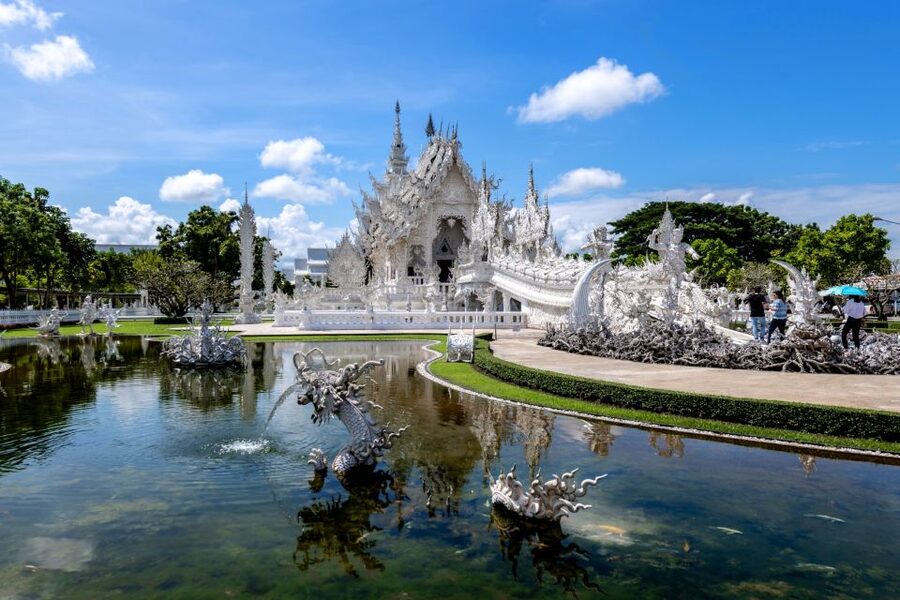
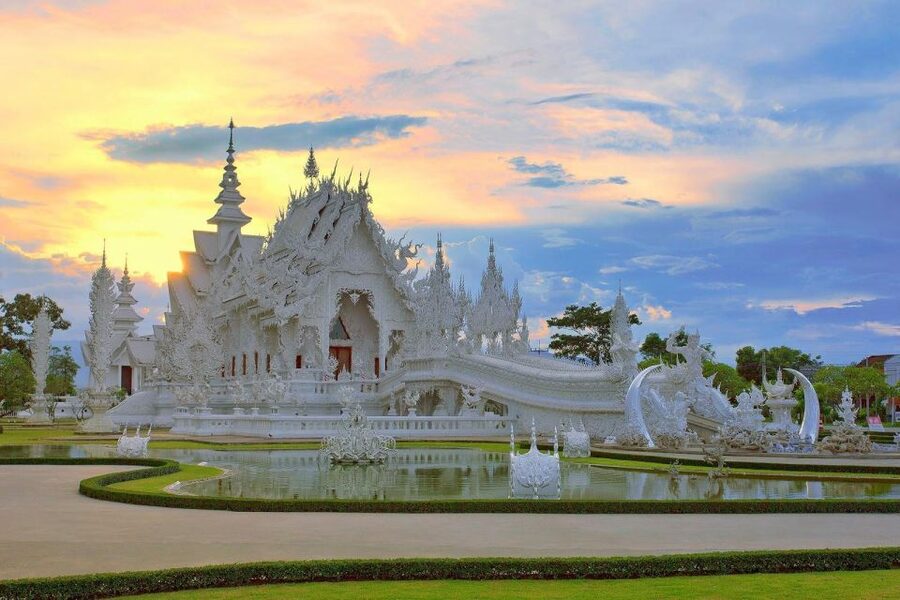
The White Temple is the main event for many people. Its Thai name is Wat Rong Khun, and its bright white surfaces are set off by small pieces of mirrored glass. On a sunny day, the effect can be dazzling, especially beside the calm pond.
This is not an ancient temple preserved exactly as it was. It is a modern work of Buddhist art, designed to make moral ideas visible through unusual forms and intense detail. The guide normally gives an explanation before allowing free time, which helps you understand what you are looking at rather than treating the site as a photo backdrop.
Plan to look closely. The white exterior, reflective decoration, sculpted figures, bridges, and water reflections all reward a slower eye. One hour is usually enough to see the main areas and take photos, but it can feel tight if you want to study every detail.
This is also the busiest and most visually popular stop, so patience helps. You may need to wait for a clear photo angle, especially around the most recognizable features. Go early in the visit with your camera ready, but do not spend the whole hour looking at the screen.
The White Temple is a place where the guide’s explanation adds real value. The design can seem strange at first, and the Buddhist lessons are easier to grasp when someone points out how the imagery works. After the introduction, you get independent time to walk at your own pace.
Same base, a completely different kind of day out:
- Half-Day Thai Cooking Class at Organic Farm in Chiang Mai
★ 5.0 · 19,087 reviews - Chiang Mai: Elephant Sanctuary, Waterfall & Bamboo Rafting
★ 4.9 · 9,160 reviews - Chiang Mai: Doi Inthanon National Park Eco-Friendly Tour
★ 4.6 · 6,667 reviews - Chiang Mai: Elephant Sanctuary & Waterfall Group Tour
★ 4.9 · 5,780 reviews
Wat Rong Suea Ten, the Blue Temple
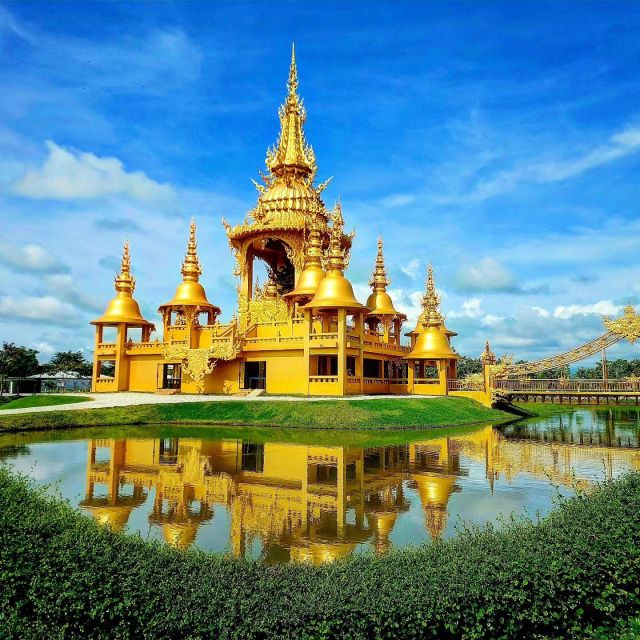
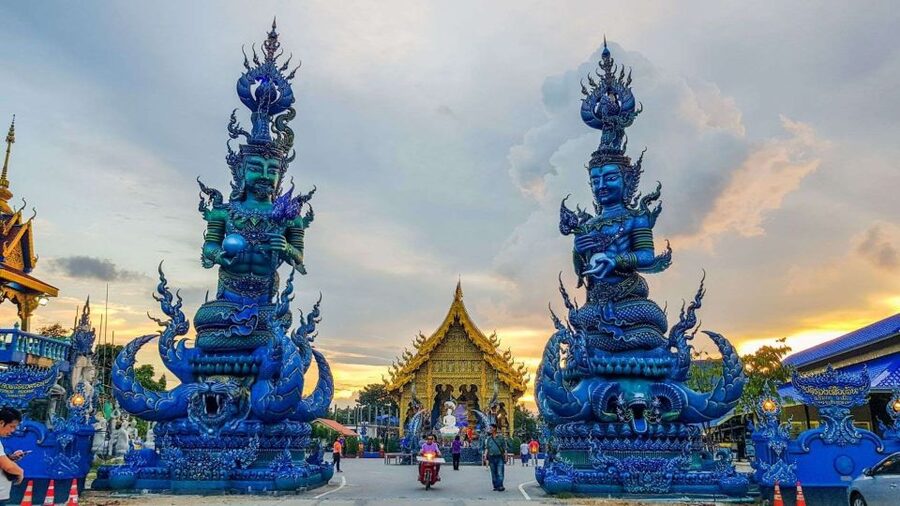
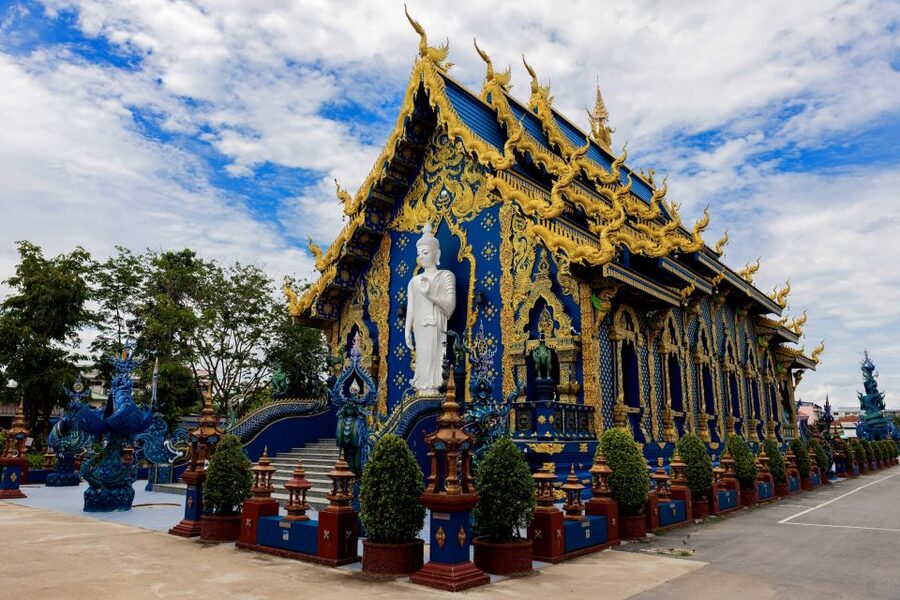
The Blue Temple, or Wat Rong Suea Ten, changes the mood completely. Its deep blue color and detailed patterns create a darker, more enclosed visual feeling than the White Temple.
The site was built where an older temple once stood. The name is linked to a local belief that tigers once roamed the area, giving the place an extra layer of character beyond its paint and decoration.
Look for the contrast between the blue walls, bright ornamental details, and large Buddhist images. This is a good stop for travelers who enjoy architecture and color, but you should also listen for the guide’s explanation of the religious setting. A strong guide can connect the decoration to Thai beliefs and show you details that are easy to miss while taking pictures.
You receive free time at the temples, but the schedule is not leisurely. Use the guide’s talk during the drive to decide what you want to inspect once you arrive. That approach gives you more time for the things you personally care about.
As at all Thai temples, dress respectfully. Keep your shoulders and knees covered, and remove your shoes before entering the main chapel. The rules are simple, but following them helps you visit as a participant in a living religious place rather than as someone passing through.
The Red Temple and its spiritual stories
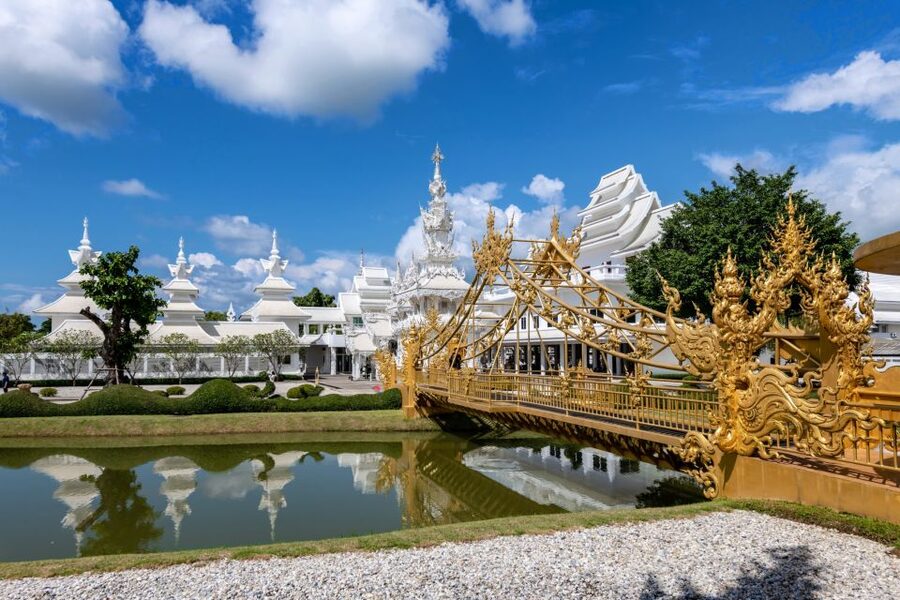
The Red Temple is the most colorful change of pace after the White and Blue Temples. Red walls and intricate artwork give the site a strong visual punch, while the decoration brings Thai spiritual stories and folk tales into view.
This stop is less about one famous exterior and more about the details spread across the grounds. Take time to look at the artwork instead of rushing straight to a single photograph. The guide can explain how the images relate to Thai spirituality, which makes the scenes easier to read.
The Red Temple also shows why this itinerary is more useful than a quick taxi run between three sites. You get context, reminders about temple etiquette, and help with the practical parts of the day. Guides have also been praised for offering to take photos, a small service that is especially useful if you are traveling alone.
The exact timing can feel short. One person who took a similar day suggested that two temples might allow a slower visit than three. I think the three-stop plan is worthwhile if this is your only Chiang Rai outing, but do not expect the depth of a private architectural tour.
Lunch, extra stops, and changes to the plan
Lunch is included, usually as a Thai buffet. Vegetarian choices are available, and the meal gives you a chance to try several dishes without ordering one by one. It is generally considered decent and convenient, though some people would prefer a better venue.
That is a fair criticism, but the lunch serves its purpose. On a day with long drives and fixed temple times, a buffet is faster and easier for a mixed group. If food is central to your trip, you may find the meal less memorable than the temples.
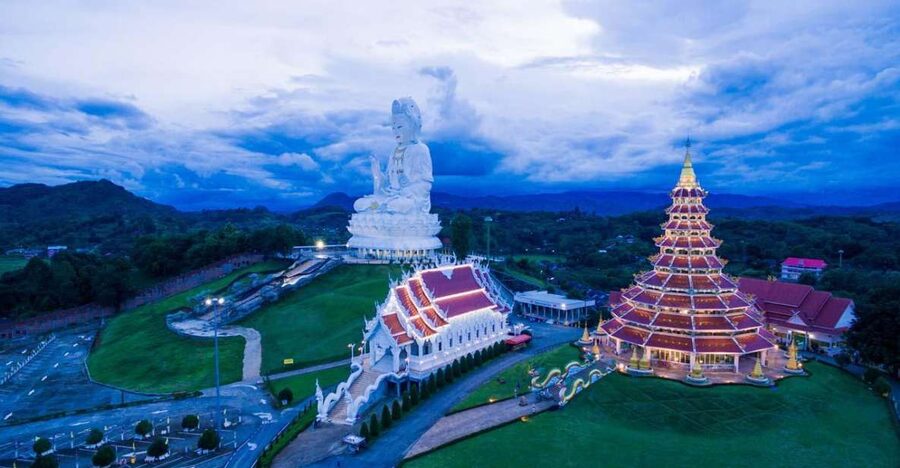
Some departures have included an additional stop at the large Guan Yin or Big Buddha site. Small groups have also sometimes had time for a Long Neck village. These extras are not guaranteed parts of the advertised core route, so treat them as possible additions rather than reasons to book.
Weather can also change the plan. If a temple closes because of rain or another problem, the guide may arrange a substitute such as a tea farm. That flexibility is useful, but it means your exact day may not match the standard sequence.
A final snack or rest stop on the return journey is possible, and many schedules reach Chiang Mai around 8:00 in the evening. Do not plan an important dinner reservation immediately after the tour. Traffic, road conditions, and stop lengths can shift the arrival time.
What the small group setup changes
A maximum of 12 people is a useful middle ground. You avoid the size of a large coach tour, yet you still share the cost of transport and guide service. The group can usually gather faster at each stop, and the guide can answer individual questions.
The experience is not private. You will still follow a fixed route, share lunch, and leave each temple at the planned time. But the smaller format makes it easier to hear explanations and keep track of the meeting points.
Several guides are known for an upbeat approach. Nine has been described as funny and attentive, Phone as a good storyteller, and Bee, Goi, Paul, Anna, and others as friendly, helpful, and clear in English. Names and guides change, so book for the structure of the tour rather than one particular person.
The driver matters on this route. You spend hours in the vehicle, and the road includes winding sections. The available feedback repeatedly praises smooth, careful driving, but you should still bring anything you need for a comfortable ride and use the regular breaks.
Who should book this tour
I would choose this trip if you are staying in Chiang Mai and want to see Chiang Rai without changing hotels. It works especially well for first-time visitors, solo travelers, couples, and small groups who value transport and explanations more than a flexible schedule.
It is also a good fit if your priority is visual variety. The three temples feel different enough to justify the journey, and the guide helps connect design, Buddhism, and local culture.
I would hesitate if you dislike long road days, have limited mobility, or want extended time at each site. The activity is not suitable for people with mobility impairments, and the schedule involves walking, standing, and getting in and out of transport.
Families can find the changing colors and unusual temple designs engaging, but young children may find the driving tiring. Anyone with a fixed evening plan in Chiang Mai should allow plenty of spare time after the estimated return.
Cancellation is flexible up to 24 hours before departure for a full refund, and you can reserve now and pay later. Those terms reduce the risk of booking before your weather and Chiang Mai plans are settled.
Final call: book it for access, not for leisure
At $51, this is a solid-value introduction to Chiang Rai. The entry fees, lunch, water, guide, insurance, and transport are bundled, and the small group keeps the outing personal enough to be useful.
Book it if you want the White, Blue, and Red Temples in one organized day and accept that the road will take much of your time. Skip it if you can spend a night in Chiang Rai or prefer to explore one or two sites without a clock.
For most people based in Chiang Mai, I would book it early in the trip, bring temple-appropriate clothing, and treat the long ride as part of the bargain. The White Temple alone is memorable, while the Blue and Red Temples give the day enough range to feel worthwhile.
FAQ
How much does the Chiang Rai temple day trip cost?
The tour costs $51 per person.
How long does the activity last?
It lasts one full day. Pickup begins around 7:00 to 7:30 in the morning, and return to Chiang Mai may be around 8:00 in the evening.
Where is the meeting point?
The meeting point is Baan Meesuk, a hotel and hostel in Chiang Mai’s Old Town.
Is hotel pickup available?
Yes. Hotel pickup is optional, and you should wait in your hotel lobby between 7:00 and 7:30 if you choose it.
Which temples does the tour visit?
The core route visits Wat Rong Khun, also called the White Temple, Wat Rong Suea Ten, also called the Blue Temple, and the Red Temple.
Is the hot spring for swimming?
No. The hot spring stop is for observing the steam rising from the mineral-rich water and taking a short break.
Is lunch included?
Yes. Lunch is included, and the meal may offer several Thai dishes along with vegetarian choices.
What languages are available?
The live guide service is available in English and Thai.
How large is the group?
The activity is a small-group tour limited to 12 participants.
What should I wear to the temples?
Cover your shoulders and knees, dress respectfully, and be prepared to remove your shoes before entering the main chapel.
Just added around Chiang Mai
- Taste of Chiang Mai: Michelin Guide & Street Food Tour★ 4.9 · 159 reviews
- Red, Blue, White Temples & Hot Spring Trip from Chiang Mai★ 4.4 · 143 reviews
- From Chiang Mai: Mae Taeng Valley and Waterfalls Cycle Tour★ 4.9 · 159 reviews
- Long Neck Village, Silver Temple & Chiang Mai Top Sites★ 4.7 · 17 reviews
- Chiang Mai: Local Northern Thai Cooking Class at Grandma’s★ 5.0 · 33 reviews
- Chiang Mai: Khum Khantoke Northern Thai Cuisine and Show★ 4.3 · 38 reviews
- Private : Sticky Waterfall & Secret Temple & Karen Village.★ 5.0 · 9 reviews
- Half-day with CHIANGMAI ELEPHANT CARE program (12pm-6pm.)★ 5.0 · 27 reviews
Chiang Mai Tours, compared.
Half-Day Thai Cooking Class at Organic Farm in Chiang Mai
Read our review →
Elephant Sanctuary, Waterfall & Bamboo Rafting
Read our review →
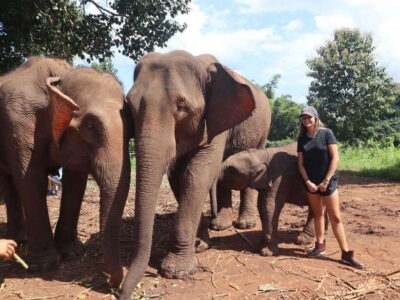

Chiang Rai Temples, Karen Tribe and Hot Springs
Read our review →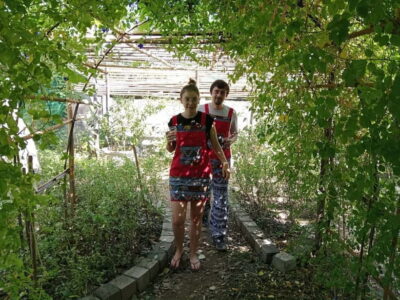
Cooking Class, Market & Thai Herbs Garden Tour
Read our review →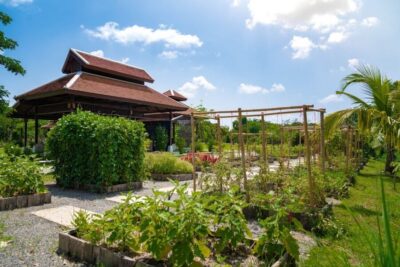
Authentic Cooking Class with Market & Farm Visit
Read our review →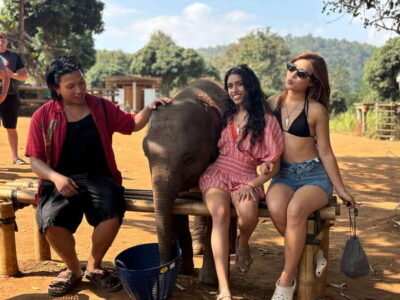
Elephant Sanctuary Feeding Program Half-Day Tour
Read our review →Browse the lists this tour appears in