
Reviewed · CHIANG MAI TOURS
Meditation Retreat and Self-Care in Nature
The most useful thing about this Chiang Mai retreat is its simple rhythm: mindful walking, sitting meditation, and gentle yoga in a quiet natural setting, followed by tea or coffee in a garden. It is less a sightseeing trip than a chance to slow down and learn practices you can use after Thailand.
I like the small group limit of six, which gives instructor Amori room to explain each step and adjust the yoga. I also like the mix of Thai culture, Buddhist ideas, and practical exercises, including a thoughtful finish with tea, coffee, fruit, or Thai snacks on some sessions.
The main thing to consider is that three hours can feel quite intense if you are new to meditation or yoga. One beginner found the yoga challenging, and one person noted a language barrier, though the instruction is in English and the practice is adapted to the people present.
Key points at a glance
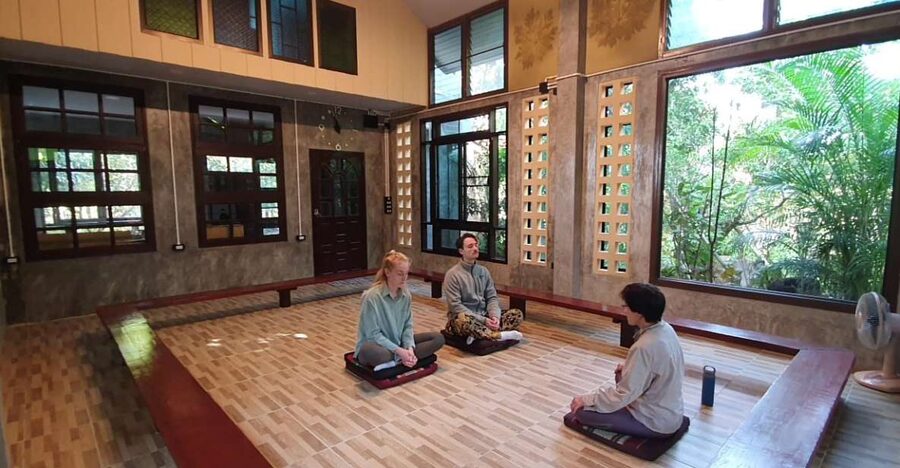
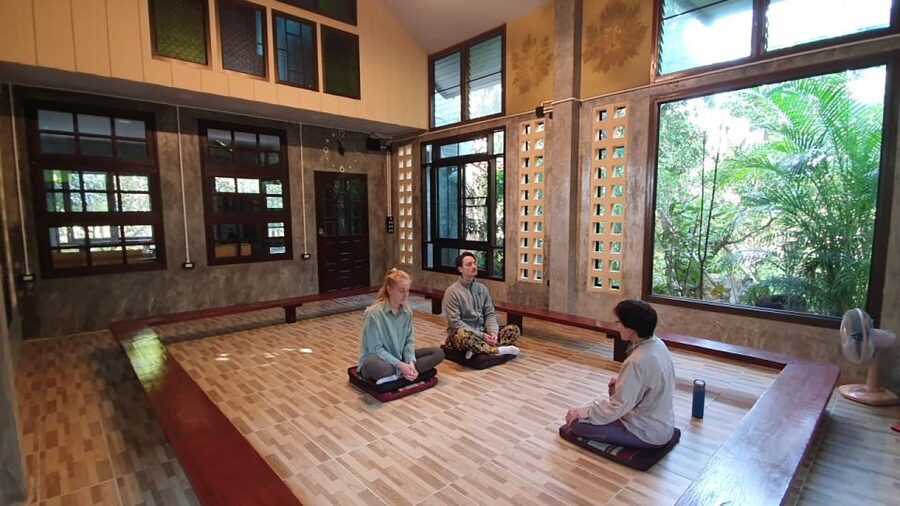
- A quiet break from Chiang Mai: The retreat takes place at Flow Yoga Chiang Mai, away from noisy city distractions.
- Three forms of practice: You learn mindful walking, guided seated meditation, and yoga or gentle stretches.
- Personal guidance from Amori: The instructor explains the purpose behind the exercises and adjusts the session to suit the group.
- Beginner-friendly, with limits: No previous yoga or meditation experience is required, but some movements may still challenge older participants or complete beginners.
- A small and flexible setting: Up to six people can join, and a solo booking may become a very personal session.
- Good value at $48: For three hours of instruction, cultural context, practice, and refreshments, the price is fair, especially for a small group.
What this three-hour retreat is really about
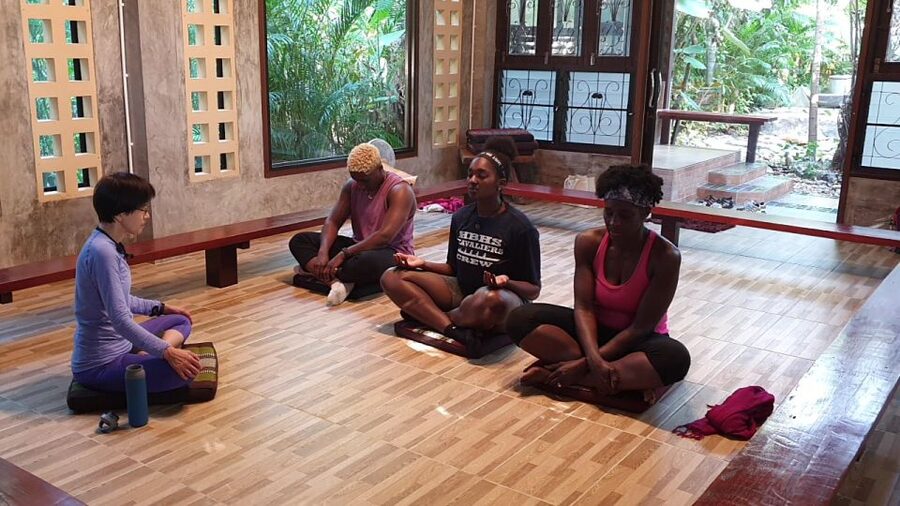
This is a short wellness session rather than a full residential retreat. You meet at Flow Yoga Chiang Mai and spend the afternoon or scheduled three-hour period learning how to pay attention to your body, your surroundings, and your thoughts.
The setting matters. The experience is arranged among nature, with the yoga center described as clean, secluded, and peaceful. That gives the meditation a better chance to work than a class beside a busy road or in a packed hotel studio. You are still close enough to Chiang Mai for the outing to fit into a normal holiday schedule.
The focus is practical. You are not simply told to sit quietly and clear your mind. Amori explains how to walk with attention, how to sit for guided meditation, and how to work with thoughts that keep returning. The goal is to give you methods you can take home, even if you have never meditated before.
That makes this a useful choice for you if your trip has been full of temples, markets, cooking classes, and day tours. Three hours of quiet can be a welcome change of pace.
A few more Chiang Mai half-days worth weighing up
- Half-Day Thai Cooking Class at Organic Farm in Chiang Mai
★ 5.0 · 19,087 reviews - Chiang Mai: Elephant Sanctuary, Waterfall & Bamboo Rafting
★ 4.9 · 9,160 reviews - Chiang Mai: Doi Inthanon National Park Eco-Friendly Tour
★ 4.6 · 6,667 reviews
Starting at Flow Yoga Chiang Mai
You meet at Flow Yoga Chiang Mai, which serves as the base for the retreat. Hotel pickup and drop-off are not included, so you need to arrange your own way there and back.
Grab is a practical option from Chiang Mai. Amori has helped participants with transport choices and, in at least one case, arranged a taxi back toward the old city. That assistance is useful, but you should still allow time to reach the meeting point and confirm your return ride.
The activity is offered in English. Instructions are clear enough for many beginners, and Amori’s teaching style is patient and calm. Still, meditation can depend on subtle explanations, so you should be comfortable following English instruction. One person found that the language difference made it harder to relax fully.
Wear comfortable clothes for movement. Athletic clothing is a sensible choice if you expect the yoga portion to be physically demanding. You do not need to bring previous experience, and the session has been used successfully as a first introduction to both yoga and meditation.
Mindful walking among nature
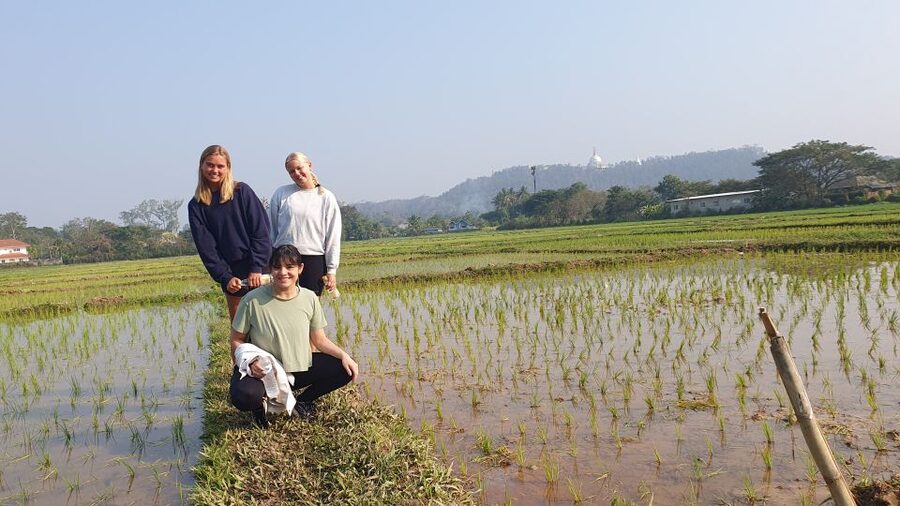
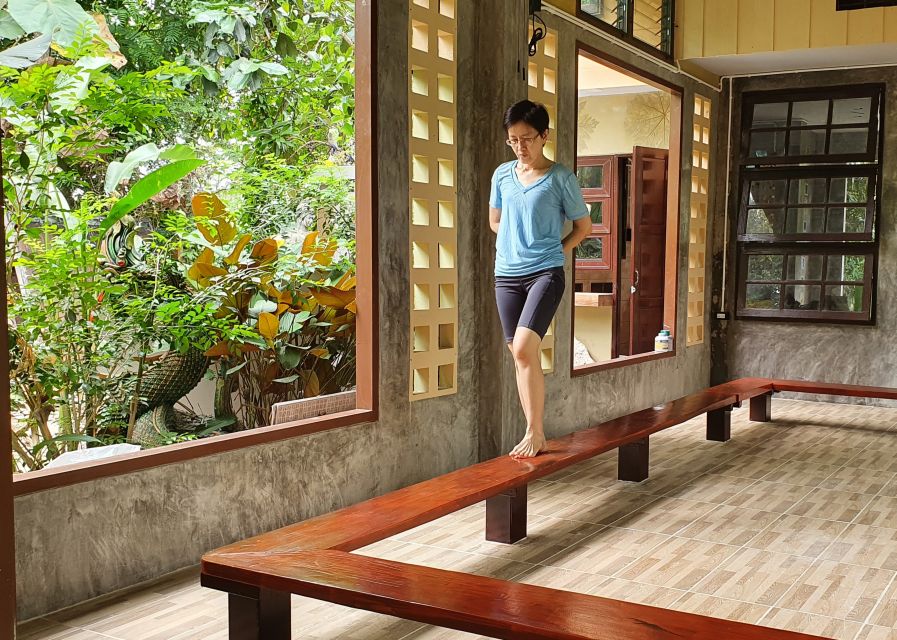
The first major practice is mindful walking. This is not a hike, and you are not covering ground to reach a viewpoint. The point is to move slowly and notice each step, your breathing, and the space around you.
For many people, walking meditation is easier than beginning with a long period of sitting. Your body has a clear task, so your attention has something steady to follow. Amori guides you through the method and helps you understand how ordinary movement can become a meditation practice.
This is also where the natural setting earns its keep. The retreat invites you to notice the sounds and feel of the surroundings rather than shut yourself away from them. You get a taste of Thai culture through a slower, more reflective practice rather than through a staged performance or a quick cultural talk.
Do not expect a botanical tour or a long nature walk. The available information describes nature as the setting for the exercises, not as a separate attraction. If you want hiking, waterfalls, or mountain views, this is not the right outing. If you want a calm place to reset your attention, the walking portion is more fitting.
Guided sitting meditation and Buddhist ideas
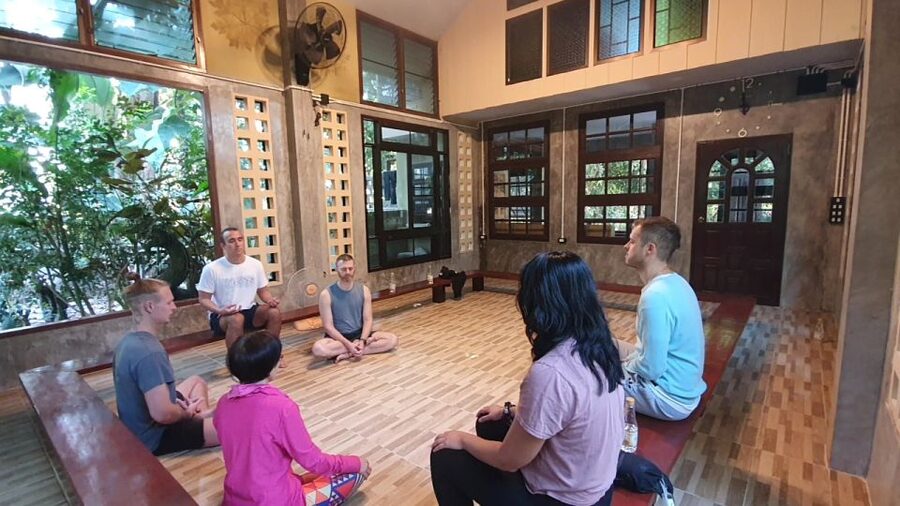
After walking, the session moves into guided sitting meditation. Amori explains the steps carefully, then leads you through the practice. This structure helps if your mind tends to race when you sit quietly, which is common for beginners.
The meditation also gives you time to reflect on intention, mindfulness, and difficult memories. One participant found the guidance useful for handling thoughts that kept returning during meditation. Another came away with a new approach to daily mindfulness rather than only a pleasant afternoon.
The teaching can go beyond physical technique. In a one-person session, Amori has discussed Buddhist philosophy and made time for personal questions. A private or nearly private group gives the conversation more room, although you should not assume every booking will become a private lesson.
This is the strongest part of the experience for anyone who wants tools rather than a quick relaxation treatment. You learn how to approach meditation, not just how to endure three quiet hours. The difference is important. You may leave with a practice you can repeat at home, even if you still find it difficult.
You should also keep expectations sensible. Meditation does not guarantee a life-changing moment, and your mind may remain busy. The value is in learning how to notice that busyness without immediately following every thought.
Same base, a completely different kind of day out:
- Chiang Mai: Elephant Sanctuary & Waterfall Group Tour
★ 4.9 · 5,780 reviews - Chiang Mai: Chiang Rai Temples, Karen Tribe and Hot Springs
★ 4.7 · 5,401 reviews - Chiang Mai: Cooking Class, Market & Thai Herbs Garden Tour
★ 4.9 · 4,824 reviews - Chiang Mai: Authentic Cooking Class with Market & Farm Visit
★ 4.9 · 4,546 reviews
Yoga and gentle stretches for mixed abilities
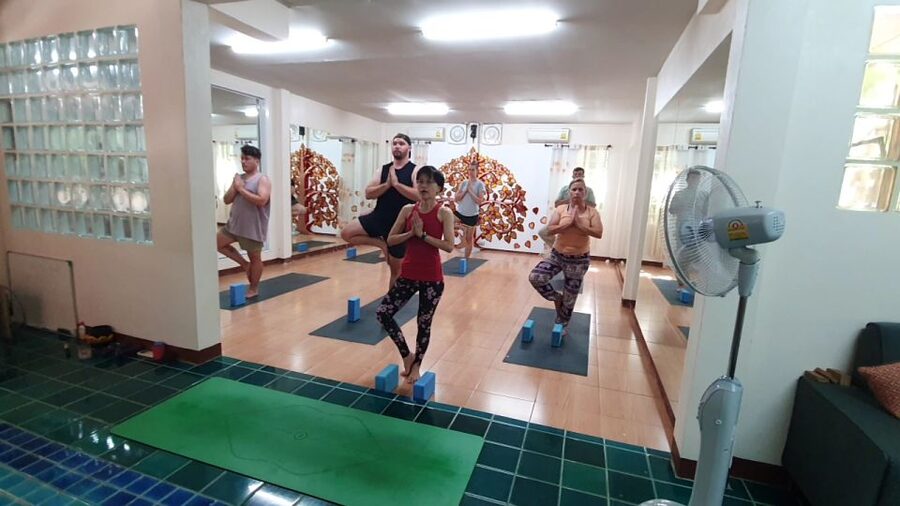
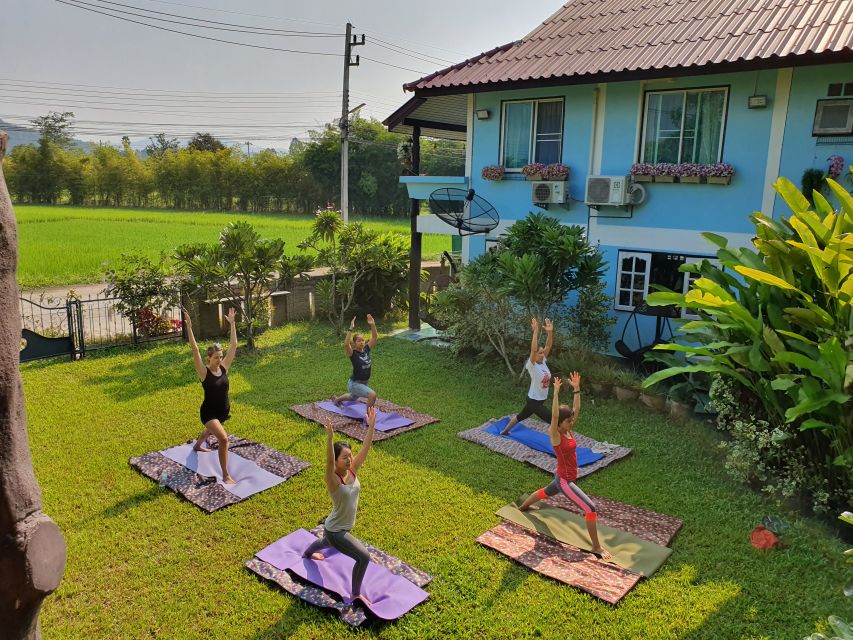
The yoga section follows the meditation. The practice is adapted to the people attending, with gentle stretches available for those who need a softer approach.
That flexibility is a real advantage. Some participants were complete beginners, while others already practiced yoga and wanted more challenge. Amori has adjusted routines for different levels, including sessions that suited experienced practitioners and first-timers in the same general format.
Still, adapted does not mean effortless. One beginner found the class more advanced than expected, while another described it as challenging but enjoyable. A participant who was older could not manage every position and movement. If you have limited mobility, you should tell Amori at the start and work within your own comfort.
The yoga is best seen as a mindful movement class, not a performance test. You are not expected to copy every pose perfectly. The value is in connecting breathing, posture, and attention after the stillness of meditation.
For a first yoga lesson, the instruction appears to be clear and encouraging. The teacher explains why you do things, not only where to place your hands or feet. That can make the practice less intimidating, but you should still wear clothing that allows free movement.
Tea, coffee, fruit, and a taste of Thailand
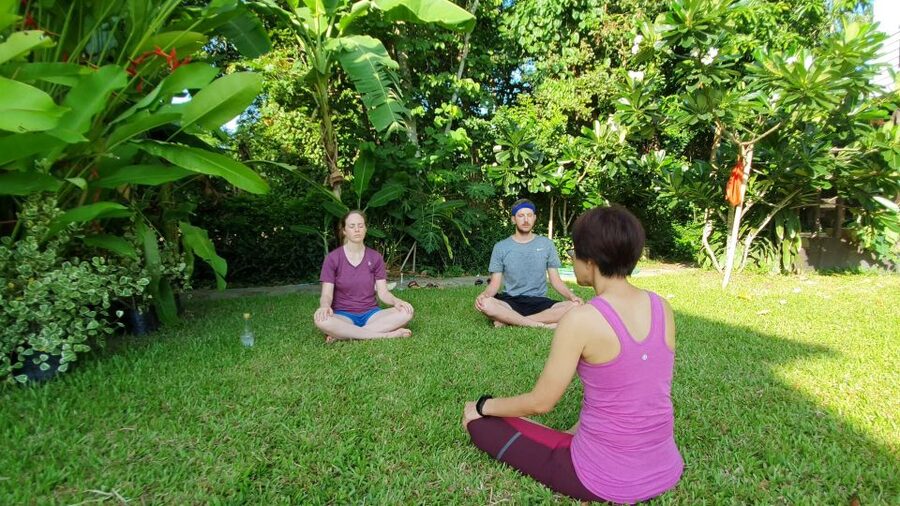
The session ends in a garden with a cup of tea or coffee. This quiet finish gives you time to settle after the physical and mental work.
Some sessions have also included fresh fruit, sticky rice treats, or Thai snacks. These touches add a local feel without turning the activity into a food tour. They also provide a natural moment to talk with Amori and ask about the practice.
This closing break may seem minor, but it helps the three hours feel like a complete experience. You begin with movement, move into stillness, return to the body through yoga, then finish with conversation and refreshments.
The exact snacks are not guaranteed, so book this for the meditation and yoga rather than for a promised meal. Tea or coffee in the garden is the stated finish. Any additional fruit or Thai treats should be regarded as a welcome extra.
Amori’s teaching style and the small-group advantage
Amori is the central reason this experience feels personal. She is described as patient, gentle, calm, friendly, and clear in her explanations. She also takes time to understand your past experience before adjusting the session.
That matters in meditation. A standard class can leave you wondering if you are sitting correctly, breathing correctly, or doing anything at all. Direct guidance helps you move past those early questions.
The group is limited to six people. If only one or two people book, you may receive close attention and have more time for discussion. A solo participant described the session as a personalized course, with detailed explanations and room for meaningful conversation.
A full group will be less private, but the six-person limit still keeps it smaller than a typical commercial class. You should choose this format if you want instruction and interaction. If you prefer to meditate alone without talking, a self-guided visit to a temple or park may suit you better.
The English instruction is generally a strength, but one person found the language difference difficult. If you are unsure, ask questions early and tell the instructor when you need a movement or concept explained again.
Is $48 good value for three hours?
At $48 per person, this is not the cheapest yoga class in Chiang Mai. It is also more than a simple visit to a temple or a self-guided meditation session.
The comparison is not quite fair, though. Your fee covers three hours of guided instruction, three distinct practices, a small-group format, the setting, and tea or coffee. You are paying for Amori’s attention and for a planned progression from walking to sitting meditation to yoga.
The price looks strongest when the group is small. A solo booking can feel close to a private lesson, though there is no guarantee that you will be the only person attending. For two people, the personal instruction and shared experience can make the cost easier to justify.
The value is also higher if you are new to meditation. You leave with a method you can continue at home rather than only a short-lived feeling of calm. If you already attend yoga and meditation classes regularly, the benefit depends more on your interest in Amori’s approach and the Thai setting.
There are no included hotel transfers, so add the cost of your own transport. The meeting point is accessible by Grab, according to the practical experience of past participants. Reserve now and pay later is available, and cancellation up to 24 hours before the activity allows a full refund.
Who should book this Chiang Mai retreat?
I would point this experience toward several types of people:
- You are new to meditation and want patient, guided instruction.
- You have trouble meditating alone and want help dealing with a busy mind.
- You want a quiet half-day outside the main city routine.
- You are curious about Buddhist ideas and Thai culture in a personal setting.
- You practice yoga and would like a session adjusted to your level.
- You want a small group rather than a large class.
You may want to think twice if you are seeking a strenuous yoga workout, a long nature excursion, or a full-day retreat. Three hours is enough for an introduction, but not enough for a complete residential program or an extensive cultural tour.
Older participants and anyone with physical limits should expect to modify some movements. The yoga can be gentle, but not every pose will suit every body. Comfortable clothes are essential, and honest communication with Amori will make the session safer and more useful.
Practical verdict: book it for calm, not sightseeing
I would book this if you want to slow down in Chiang Mai and learn a practice you can use beyond your holiday. The strongest points are Amori’s patient guidance, the peaceful setting, and the way meditation is paired with walking and yoga rather than taught as an isolated exercise.
The five-star rating from 46 reviews reflects consistently strong satisfaction, with special praise for the teaching, personal attention, calm atmosphere, and useful meditation methods. The one lower rating still points to a practical concern: English may not feel fully effortless for everyone.
Book it as a thoughtful three-hour reset, especially early in your stay if you want to bring more calm to the rest of your trip. If you find the session especially useful, the provider also mentions the option of returning for a longer stay, though this particular booking covers three hours only.
FAQ
How long does the meditation and self-care retreat last?
The experience lasts three hours. Starting times vary, so you need to check availability when choosing a date.
Where do I meet the instructor?
The meeting point is Flow Yoga Chiang Mai in Chiang Mai Province, Thailand.
Is hotel pickup and drop-off included?
No. Hotel pickup and drop-off are not included. You need to arrange your own transport to and from Flow Yoga Chiang Mai.
Is the session suitable for beginners?
Yes. Previous yoga or meditation experience is not required, and the yoga is adapted to the people attending. Some movements may still feel challenging, so beginners should work at their own pace.
What activities are included?
You practice mindful walking, guided sitting meditation, yoga or gentle stretches, and finish with tea or coffee in a garden. Some sessions may also include fruit or Thai snacks.
What language is the experience offered in?
The instructor teaches in English. You should be comfortable following English guidance, especially during meditation explanations.
Just added around Chiang Mai
- Taste of Chiang Mai: Michelin Guide & Street Food Tour★ 4.9 · 159 reviews
- Red, Blue, White Temples & Hot Spring Trip from Chiang Mai★ 4.4 · 143 reviews
- From Chiang Mai: Mae Taeng Valley and Waterfalls Cycle Tour★ 4.9 · 159 reviews
- Long Neck Village, Silver Temple & Chiang Mai Top Sites★ 4.7 · 17 reviews
- Chiang Mai: Local Northern Thai Cooking Class at Grandma’s★ 5.0 · 33 reviews
- Chiang Mai: Khum Khantoke Northern Thai Cuisine and Show★ 4.3 · 38 reviews
- Private : Sticky Waterfall & Secret Temple & Karen Village.★ 5.0 · 9 reviews
- Half-day with CHIANGMAI ELEPHANT CARE program (12pm-6pm.)★ 5.0 · 27 reviews
Chiang Mai Tours, compared.
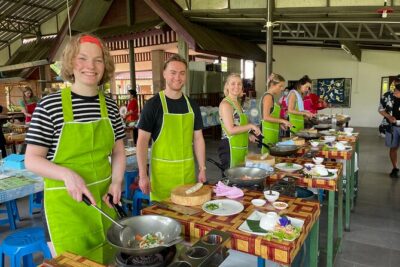
Half-Day Thai Cooking Class at Organic Farm in Chiang Mai
Read our review →
Elephant Sanctuary, Waterfall & Bamboo Rafting
Read our review →


Chiang Rai Temples, Karen Tribe and Hot Springs
Read our review →
Cooking Class, Market & Thai Herbs Garden Tour
Read our review →
Authentic Cooking Class with Market & Farm Visit
Read our review →
Elephant Sanctuary Feeding Program Half-Day Tour
Read our review →Browse the lists this tour appears in