
Reviewed · PHUKET TOURS
Phuket: Elephant Nature Reserve Entry Ticket and Guided Tour
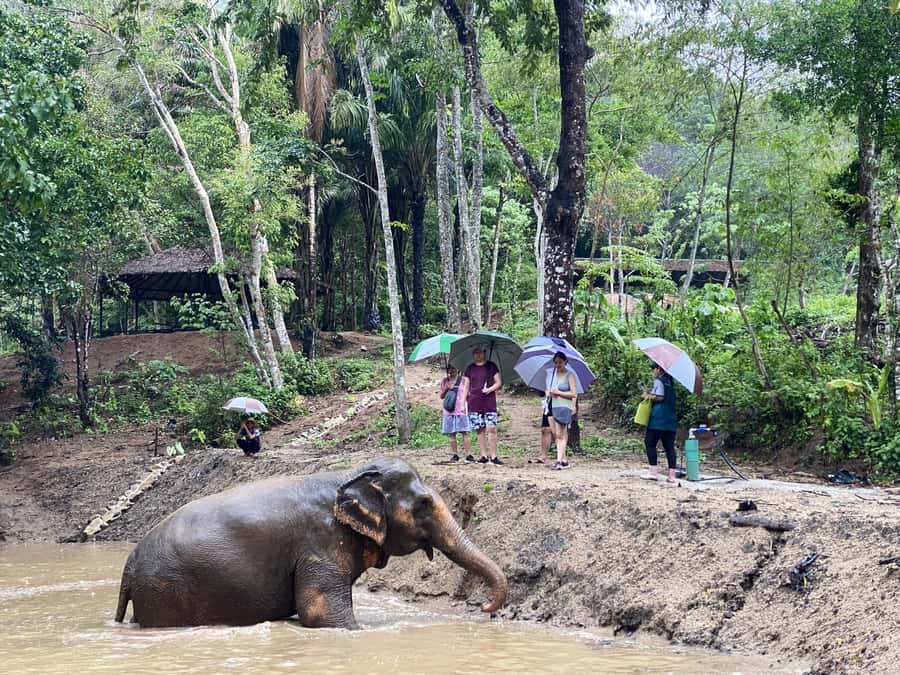
Phuket Elephant Nature Reserve makes a clear choice: no riding, bathing, or touching the elephants. Instead, you prepare food, offer it in a controlled way, and watch the animals move through a calm forest setting while your guide explains their care and past lives.
I like the honest approach and the useful 90-minute length. You get close enough for good photographs, yet the elephants are not asked to perform. I also like that your ticket supports an accredited sanctuary rather than a show built around tricks or forced contact. The main consideration is simple: this is a quiet observation experience, not a hands-on elephant encounter, and the reserve does not suit wheelchair users.
Key points to know before you book
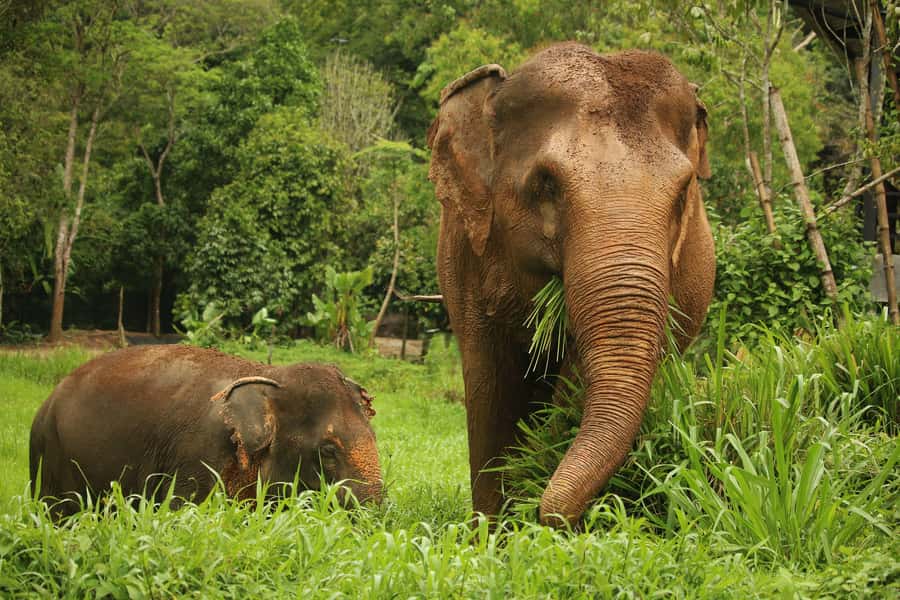
- No riding, bathing, or touching: The elephants are observed at a respectful distance and are not used as props for tourist contact.
- Food preparation is part of the visit: You may chop fruit and vegetables and help arrange food for the elephants, but hand feeding is not part of the experience.
- Guides explain individual elephants: Staff share rescue stories, personality traits, and details about daily care.
- A 1.5-hour visit is well paced: The short tour includes an introduction, food preparation, feeding observation, and a walk near jungle paths and ponds.
- Meet at Hug Me Cafe: You make your own way to Phuket Elephant Nature Reserve and meet the guide beside the cafe.
- Bring protection from the sun: Comfortable shoes, a hat, and sunscreen will make the visit easier.
Why the no-touch policy matters
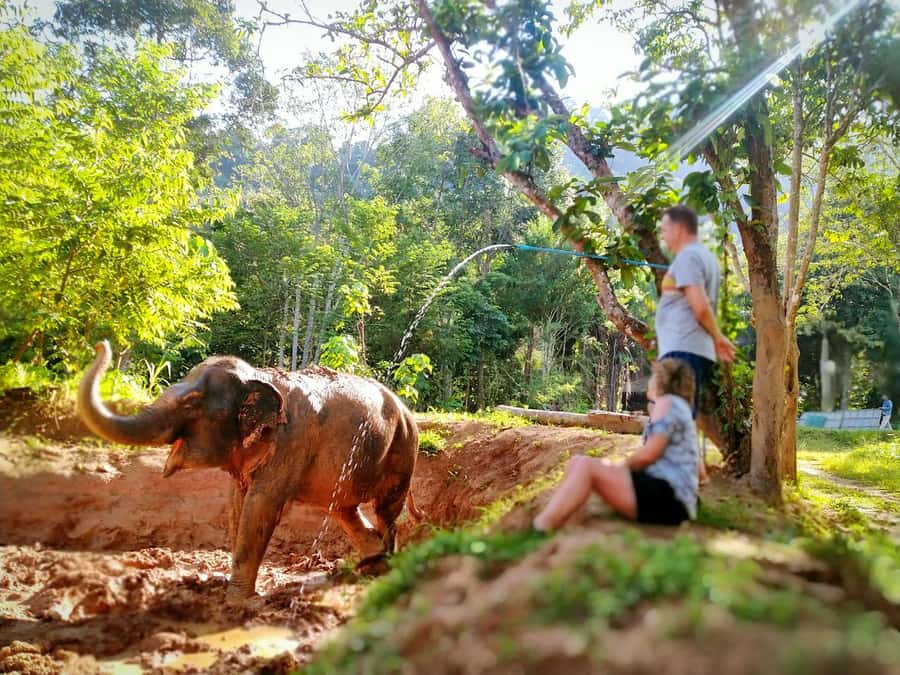
Elephant sanctuaries in Thailand vary widely. Some allow riding, bathing, hugging, or constant hand feeding. This reserve takes the harder-to-sell but more respectful route: you watch the elephants without asking them to entertain you.
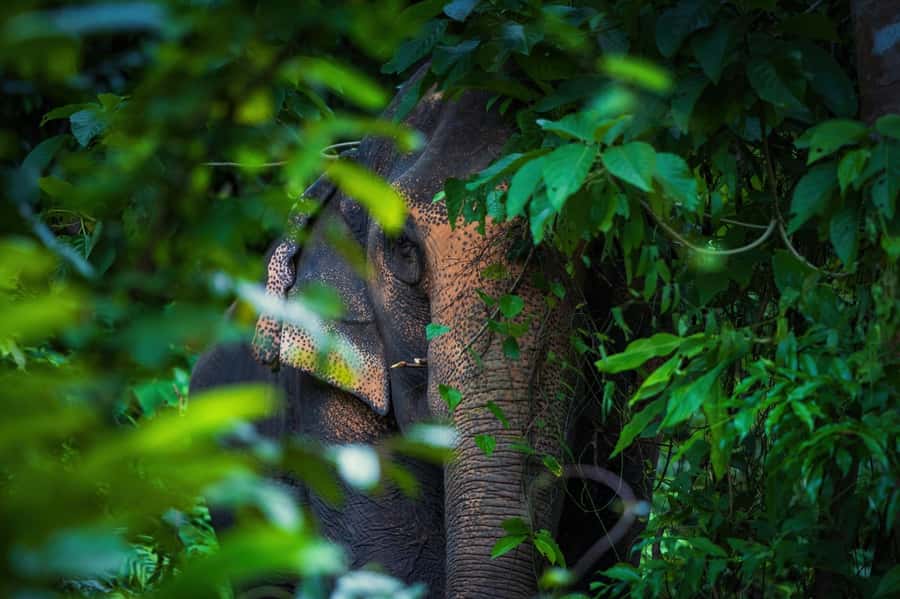
That changes the mood. Instead of lining up for a staged photograph, you pay attention to how an elephant walks, eats, reacts, and chooses where to go. The animals are free to move within the sanctuary, and the staff work to keep the interaction calm. You are there to observe their routine, not control it.
The reserve’s policy also gives the guide something worthwhile to explain. You learn why touching, washing, or riding can cause stress and why a sanctuary built around elephant welfare must put the animals first. The best part of the visit is not a dramatic stunt. It is seeing the elephants behave like animals rather than performers.
A small warning helps set expectations. If your ideal elephant outing means sitting on an elephant, scrubbing one in a river, or holding a baby for a photograph, this will feel restrained. That restraint is the point, but you should know it before paying.
More national park days near Phuket:
- Chiang Mai: Doi Inthanon National Park Eco-Friendly Tour
★ 4.6 · 6,667 reviews - From Bangkok: Khao Yai National Park Small-Group Day Trip
★ 4.5 · 704 reviews - Chiang Mai: Doi Inthanon National Park and Pha Dok Siew Trek
★ 4.5 · 527 reviews
Arriving at Phuket Elephant Nature Reserve
You make your own way to the reserve. The meeting point is next to Hug Me Cafe, where you meet your English-speaking guide and receive an introduction before seeing the elephants.
This arrangement keeps the booking simple, but transportation is not included. You need to plan your route to the reserve yourself and allow enough time to find the cafe and meeting area. Since the activity ends back at the same meeting point, you do not need to arrange a separate pickup location afterward.
The cafe is useful around the tour. Some families arrive early for a drink or snack, and the on-site cafe also offers a place to sit afterward. You might want to build in a little extra time there, particularly if you are visiting with children or want to cool off after walking in the sun.
The reserve is not listed as suitable for wheelchair users. Comfortable shoes are recommended, and that advice makes sense for the outdoor paths and observation areas. A hat and sunscreen are also sensible choices in Phuket’s heat.
The introduction sets the rules
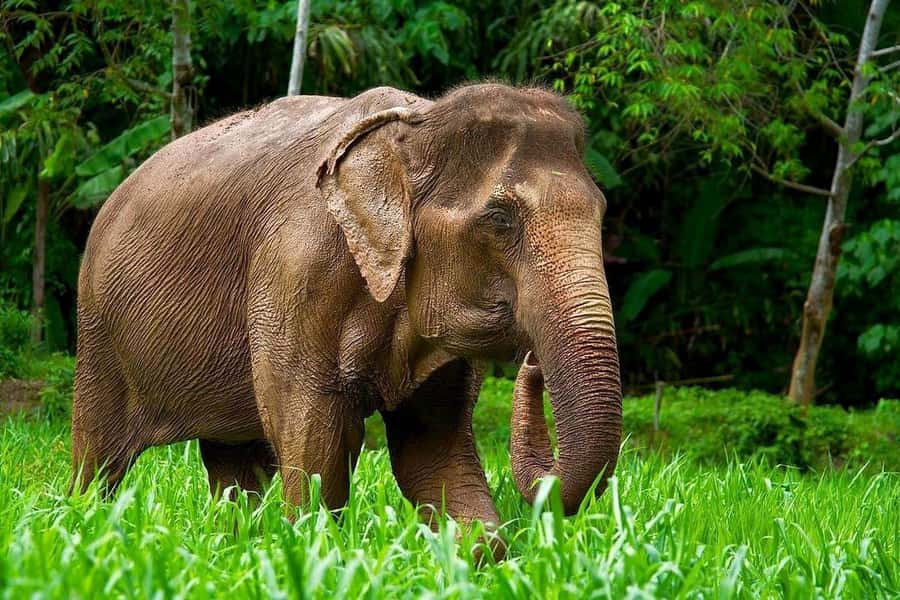
The tour begins with a briefing and an introduction to the rescued elephants. This is more than a quick safety speech. It explains how the visit works and why the reserve does not allow the usual tourist activities.
Listen closely here. The most important rule is that the elephants decide how close the interaction becomes. You may see them from a short distance, but you should not reach out, chase them, or expect them to pose.
Guides also describe the elephants as individuals. You may hear about an elephant’s rescue, personality, or particular habits. One of the more memorable details from the visit format is the attention given to differences between young and adult elephants, including the way a baby eats compared with the larger animals.
Guides named Tom and Mike have received especially warm praise for friendly, clear explanations. Staff are also described as patient and attentive to the elephants. Guide quality matters here because the activity is educational by design. Without a good explanation, you would mainly be watching animals eat. With one, you begin to understand why the reserve’s rules are important.
Preparing food in the elephant kitchen
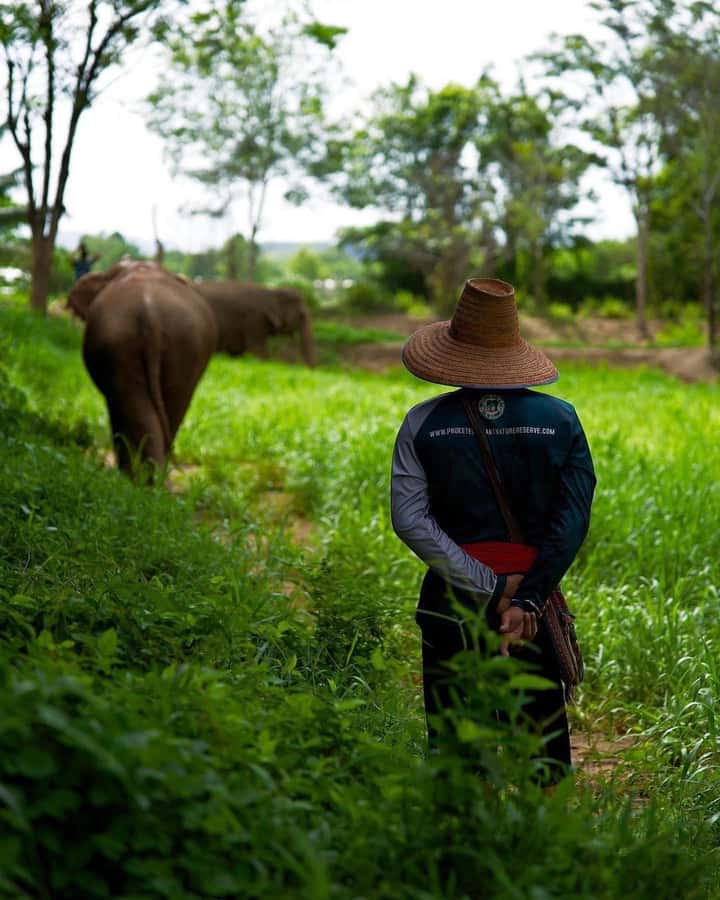
The food preparation is the most active part of the visit. You may chop fruit and vegetables and help arrange a meal for the elephants. One description compares the food setup to a buffet spread on a large tray, allowing the elephants to choose what they want.
This is a useful compromise. You take part in the care routine without turning the elephants into a petting-zoo attraction. You still handle the food, see how much preparation is involved, and watch the animals respond to the meal. But the elephants are not forced to take food from your hand.
The distinction matters. Several parts of the experience are often described as feeding, but the practical reality is more controlled. You prepare the food and may offer it under the guide’s direction, while the reserve avoids hand feeding and close physical contact. The rules can vary slightly depending on the elephant and the staff’s instructions, so follow the guide rather than assuming you can reach out.
This activity works well for children because it gives them a job. Kids can help prepare the food and then watch the elephants eat, instead of waiting through a long talk. Families with children aged 10 and 12 have found the 90-minute format manageable, with enough variety to keep the visit moving.
A few more Phuket half-days worth weighing up
- Phang Nga Bay Sea Cave Canoeing & James Bond Island by Big Boat
★ 5.0 · 4,666 reviews - Phuket: Elephant Jungle Sanctuary Ethical Feeding Experience
★ 4.8 · 4,359 reviews - From Phuket: Phang Nga Bay and Canoeing Tour by Big Boat
★ 4.7 · 3,528 reviews - Phi Phi Islands Adventure Day Trip w/ Seaview Lunch by V. Marine
★ 5.0 · 3,295 reviews
Watching the elephants eat and move freely
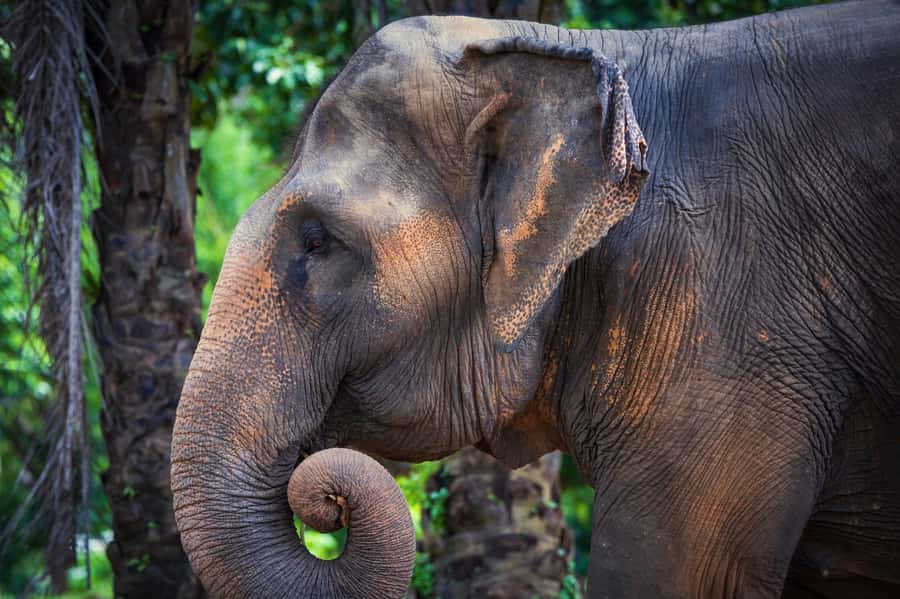
Once the food is ready, you watch the elephants eat in a relaxed setting. The animals are not performing a routine. They may choose what to eat, where to stand, and when to move away.
That can make the visit feel slower than a standard attraction, but it also makes it more genuine. You might notice the contrast between the baby elephant’s eating style and that of the adults. You can also look for the small signs of normal behavior that are easy to miss during a hurried photo stop.
The reserve allows close observation while maintaining distance. You may get good pictures, but you should not expect a guaranteed close-up with every elephant. The best photograph may be one of an elephant walking through the forest or eating naturally, not one with a person touching its trunk.
Staff help manage the space. Their job is to keep the encounter calm and prevent visitors from crowding the elephants. This is one reason the tour feels different from places where people are constantly washing, hugging, or climbing onto the animals.
The jungle observation and water ponds
After the food portion, the tour continues with an elephant jungle observation. You follow paths near natural water ponds and other features of the reserve, looking for elephants as they move through their surroundings.
The walk gives the visit a second rhythm. The first part centers on preparation and feeding. The latter part asks you to slow down and watch. You may see elephants roaming, resting, or using the area in their own way.
The reserve is described as a small forest sanctuary, so do not picture a huge wilderness preserve where elephants disappear for hours. You are visiting a managed refuge with paths and viewing areas. Even so, the no-chain, no-riding approach lets the animals appear more at ease than those kept in a performance setting.
A baby elephant has been among the memorable animals seen during this part of the visit. The exact elephants present can change, of course, and sightings are not a scripted show. That uncertainty is worth accepting if your goal is respectful observation.
What the ethical approach feels like in practice
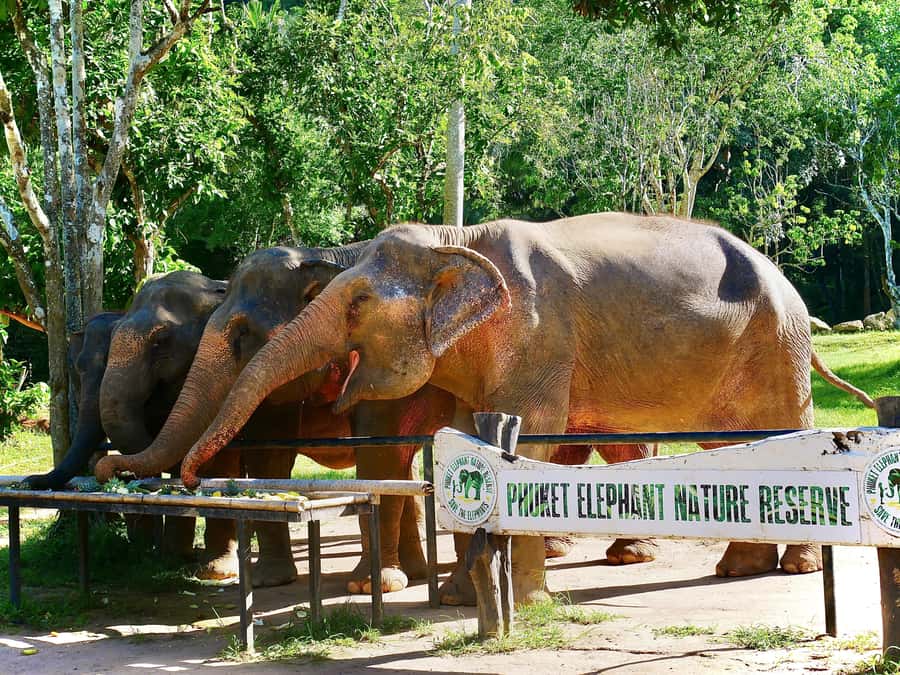
The word ethical gets used loosely in the elephant tourism business. Here, the practical signs are clearer: no riding, no bathing, no touching, no forced performance, and no hand feeding. You prepare food and observe the elephants while staff protect their space.
That does not mean you should treat the reserve as a perfect window into wild elephant life. It is still a sanctuary that receives paying visitors. The elephants live in a managed environment, and your presence is part of the model that funds their care. The useful question is how much control the animals retain during the encounter.
At this reserve, the answer appears to be a meaningful amount. The elephants can move away, and the staff explain that human contact can distress them. You are encouraged to admire them rather than handle them.
I especially like the message this sends to children. Instead of teaching them that a wild animal exists to provide a hug or a bath, the visit shows that care can mean giving an animal space. That is a stronger lesson than a quick photograph.
Is 90 minutes enough time?
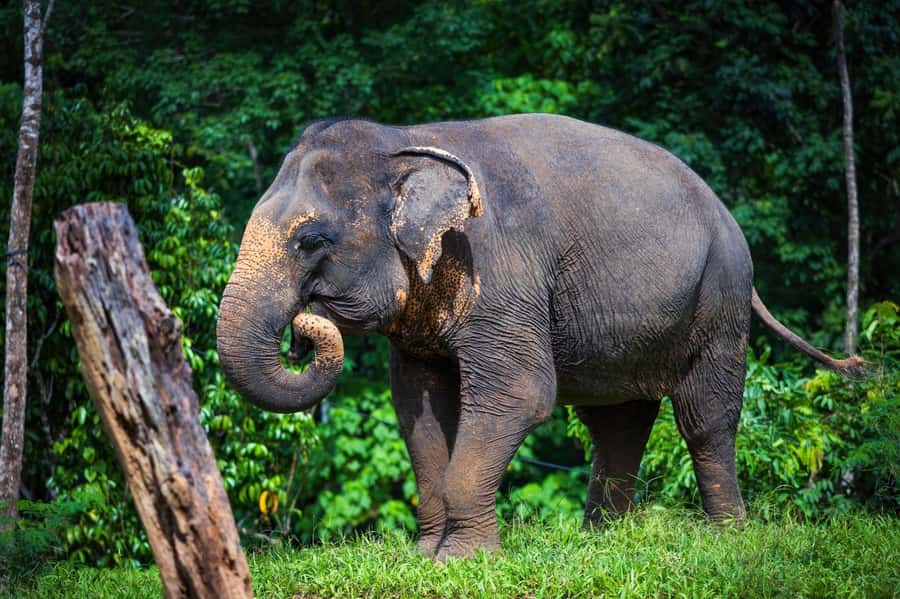
For most people, yes. The 1.5-hour schedule includes the briefing, introduction, food preparation, elephant feeding observation, and jungle walk. It is long enough to provide variety without turning a hot outdoor visit into an endurance test.
Families may find the timing particularly useful. Children get several clear stages: learn, prepare food, watch the elephants eat, and walk near the ponds. You are not committing half a day to an activity that may be quiet by nature.
The short duration also makes the reserve easy to pair with another Phuket plan. Since you arrange your own transportation, check the start time carefully and consider road conditions when planning the rest of your day. Starting times vary, so availability is the place to confirm the exact schedule.
There is one tradeoff. If you want a long guided walk or extended time with many elephants, 90 minutes may feel brief. The visit is designed as a focused introduction, not a full-day sanctuary program.
Price and what you receive for $37
At $37 per person, the price is reasonable if you value animal welfare, a guide, and a short but well-organized visit. Your ticket includes entry to Phuket Elephant Nature Reserve, the English-speaking guide, and the elephant meeting and food activity.
Transportation, food, and drinks are extra. That makes the final cost higher if you need a taxi or want to spend time at the cafe, but the included experience covers the main reason for coming. The cafe can be useful for a drink before or after, though it is not part of the ticket.
You are also paying for an encounter that refuses some popular tourist activities. That may sound like less, but it is actually the service’s main value. The reserve has built the experience around observation and care rather than selling maximum physical contact.
If you are comparing this with a cheaper elephant attraction, check what the low price includes and how the animals are handled. A bargain is not much of a bargain if it supports riding or repeated bathing sessions. Here, your money helps maintain a sanctuary that presents elephant care as the main event.
The booking terms add some useful flexibility. You can cancel up to 24 hours before the activity for a full refund, and you can reserve now and pay later. Those options help if your Phuket schedule is still changing.
Practical tips for a better visit
Wear shoes you can walk in comfortably. You may be outside on paths, and sandals with poor support could make the observation portion less pleasant.
Bring a hat and sunscreen. Shade may vary as you move around the reserve, and the food preparation and walking sections take place outdoors.
Keep your phone or camera ready, but do not let photography take over. You may have strong photo opportunities near the elephants, yet the best behavior is to remain calm and follow staff instructions.
Do not expect to touch an elephant. Do not assume you can hand feed one. The reserve’s system may involve preparing and arranging food, while the elephants choose how they approach it.
Arrive with enough time to locate Hug Me Cafe. Since transport is not included, your visit begins only when you reach the reserve and meet the guide.
If you have children, explain the no-touch rule before arrival. Kids usually respond well when they know they have a role in preparing food and a clear reason for keeping their distance.
If an introductory video is offered, it may help explain the reserve’s work. One technical problem has been reported with a video stopping when the Wi-Fi failed, so do not let a screen replace the live explanation from your guide.
Who will enjoy this elephant visit?
I would choose this for you if you want to see elephants in a calm setting and support a sanctuary that avoids riding, bathing, and direct contact. It is also a good fit for families, first-time visitors to Phuket, and anyone who wants an educational activity that takes less than two hours.
It suits people who enjoy watching animal behavior. You need some patience because the elephants are not following a schedule made for photographs. The reward is seeing them eat and move without being pushed into a performance.
It is less suitable if you want a thrill-based excursion or guaranteed interaction. You will not ride an elephant, bathe one, hug one, or pose with one on command. Wheelchair users should also note that the activity is not listed as suitable for them.
Should you book the Phuket Elephant Nature Reserve tour?
Book it if ethical treatment is your first concern and you are happy to observe rather than touch. The combination of food preparation, individual elephant stories, clear English commentary, and a short jungle observation gives you plenty to do in 90 minutes.
I would particularly recommend it over any Phuket activity built around riding or bathing elephants. The no-contact policy may feel less exciting at first, but it respects the animals and gives you a better understanding of why the reserve exists.
Skip it only if you need a hands-on encounter or a long sanctuary visit. For everyone else, $37 is a fair price for a focused, educational outing where the elephants keep control of the meeting.
FAQ
How long does the Phuket Elephant Nature Reserve tour last?
The activity lasts 1.5 hours, or 90 minutes. Check availability for the exact starting times.
Where do I meet the guide?
Meet your guide next to Hug Me Cafe at Phuket Elephant Nature Reserve. The activity ends back at the same meeting point.
Is transportation included?
No. You make your own way to Phuket Elephant Nature Reserve, and transportation is not included in the ticket.
What is included in the ticket?
The ticket includes entry to Phuket Elephant Nature Reserve, an English-speaking guide, and the elephant meeting and feeding activity.
Can I ride, bathe, or touch the elephants?
No. The reserve does not allow riding, bathing, or touching. The activity is based on respectful observation and food preparation.
Can I feed the elephants by hand?
Hand feeding is not part of the experience. You can help prepare food, and the elephants may eat from food arranged for them under the guide’s direction.
What should I bring?
Bring comfortable shoes, a hat, and sunscreen. Food and drinks are not included.
Is the activity suitable for wheelchair users?
No. The activity is listed as unsuitable for wheelchair users.
Just added around Phuket
- The Upside Down House: Phuket’s Must-See Attraction★ 4.7 · 13 reviews
- Siam Niramit Phuket Admission Ticket with Transfer Option★ 4.6 · 49 reviews
- Simon Cabaret Phuket Show Included Tickets and Transfer★ 4.4 · 155 reviews
- Phuket: Zipline Flying Higher than a Hawk with ATV Option★ 4.7 · 33 reviews
- Phuket:City Tour,Big Buddha, Forest Safari Tiger Park Canopy★ 3.6 · 15 reviews
- Phuket: White Water Rafting, ATV, and Zipline Adventure★ 3.1 · 35 reviews
- Phuket: Fully Customized Night Market Tour★ 4.2 · 18 reviews
- Phuket: Big Buddha View Wat Chalong, Old Town Guided Tour★ 3.6 · 38 reviews
Phuket Tours, compared.

Phang Nga Bay Sea Cave Canoeing & James Bond Island by Big Boat
Read our review →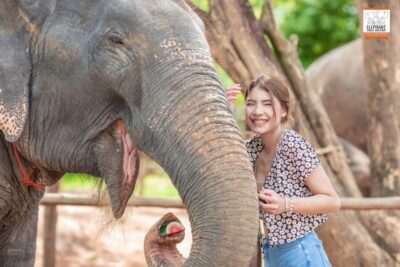
Elephant Jungle Sanctuary Ethical Feeding Experience
Read our review →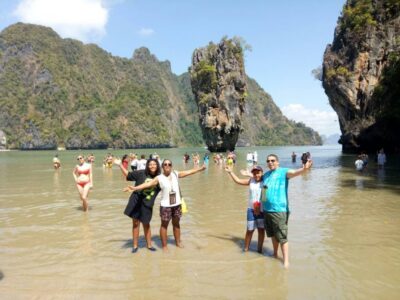

Phi Phi Islands Adventure Day Trip w/ Seaview Lunch by V. Marine
Read our review →

Phi Phi Islands and Maya Bay Day Trip with Lunch
Read our review →
Phuket Thai Cooking Class with Market Tour Option
Read our review →Browse the lists this tour appears in