
Reviewed · PHUKET TOURS
Phuket Elephant Nature Reserve Ethical Sanctuary
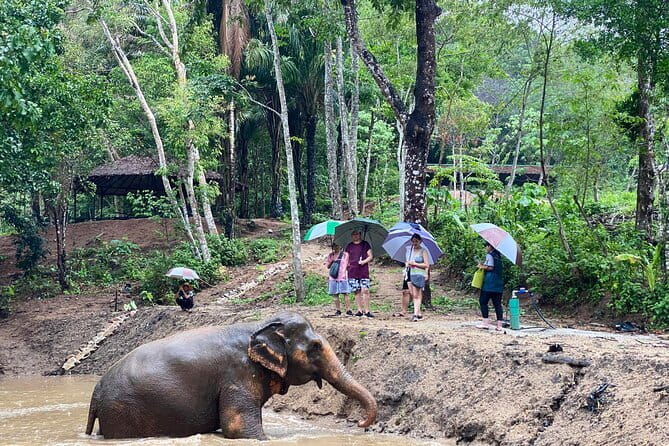
Phuket Elephant Nature Reserve puts the elephants first. You watch them roam through jungle areas and gather at natural ponds, prepare food with the mahouts, and learn how the sanctuary recycles elephant dung. The animals are not made to perform for you.
I like the hands-off approach and the clear explanation of why riding, bathing, and forced contact can harm elephants. I also like the half-day format, which adds a Thai cooking demonstration, lunch, vitamin-ball preparation, and the dung recycling center. The main drawback is simple: you cannot touch, bathe, or feed an elephant directly by hand, so anyone seeking a hands-on photo opportunity may find the rules restrictive.
Key points to know before booking
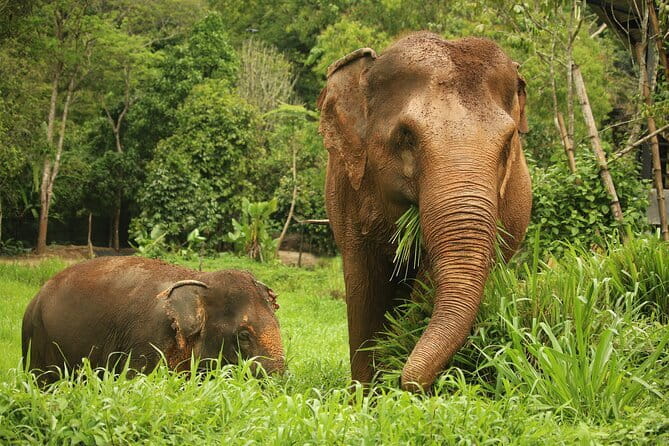
- Elephants roam freely: You observe rescued elephants in jungle areas and around natural water ponds rather than watching a staged show.
- No bathing or touching: The sanctuary keeps physical contact to a minimum and does not ask elephants to perform for photographs.
- Food preparation is part of the visit: You help prepare fruits and vitamin balls with the mahouts, then watch the elephants eat.
- The half-day option includes cooking: You prepare a Thai meal after the elephant activities and eat what you have made.
- Dung becomes a useful resource: The recycling center shows how elephant waste is processed instead of simply discarded.
- You arrange your own transport: Pickup is not included, though the site is near public transportation.
Why this sanctuary feels different
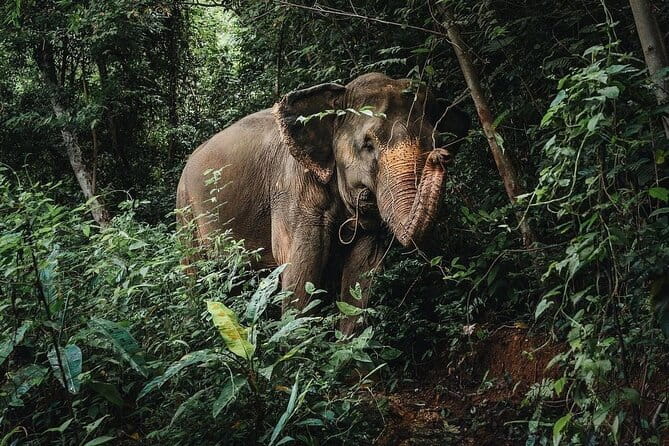
Many elephant attractions in Thailand sell close contact as the main event. Riding, bathing, hugging, and hand feeding can look appealing in a holiday photograph, but they often require training methods and working conditions that put the animal’s welfare second.
Here, the central rule is restraint. You can see the elephants at fairly close range, but you do not touch them or climb onto them. You also do not hand food directly to them. Instead, you prepare food and watch the mahouts manage the interaction.
That may sound less exciting on paper. In practice, it creates a calmer visit. The elephants are not being called over for a line of photographs or made to repeat a trick. You spend time watching natural behavior, such as walking, eating, and moving toward water.
The sanctuary describes itself as a place for rescued elephants that cannot simply return to the wild. Some have spent much of their lives around people, so a protected setting with room to roam can be a more realistic form of care than release into an unfamiliar environment.
I especially appreciate the educational side. The guides explain the problems behind elephant tourism, including why bathing and riding are not harmless entertainment. For families, this gives children a useful lesson in animal welfare instead of presenting a wildlife encounter as a photo prop.
More national park days near Phuket:
- Phuket: Elephant Nature Reserve Entry Ticket and Guided Tour
★ 4.9 · 223 reviews - Exploring Phang Nga Bay national park with Lunch and Dinner
★ 5.0 · 48 reviews - Khao Sok National Park & Samet Nangshe Private Tour from Phuket
★ 4.5 · 23 reviews
What happens during the roughly three-and-a-half-hour visit
The half-day program begins with a briefing and introduction. This is when you learn how to behave around the elephants, what the sanctuary is trying to achieve, and why the rules limit physical contact.
Pay attention here. The briefing shapes the whole visit. You are not simply arriving, feeding an elephant, and leaving. You are learning how a sanctuary can offer public access without turning every animal into an attraction.
The schedule then moves into food preparation. You may chop fruit and help make vitamin balls, a compact food supplement prepared for the elephants. The activity is practical and easy to understand, especially for children. You get to contribute without putting your hand directly into an elephant’s mouth.
The mahouts, or elephant handlers, guide this part of the program. Their role is not just to bring the animals into position for photographs. They help manage distance and explain the elephants’ care. Guides associated with the program include Tom, Dong, and Steve, although your assigned guide depends on the day and group.
Watching elephants in the jungle and beside the ponds
The most important part of the visit is observation. You follow the elephants in their natural-looking setting and watch them move through jungle areas and around water ponds.
The wording natural habitat should be understood sensibly. This is still a managed sanctuary, not a wild forest. The elephants receive care, food, and supervision. But the setting is designed to give them more freedom than a performance arena, and they are allowed to make their own movements rather than being forced through a routine.
The ponds are a good place for photographs. Water gives the elephants something to do, and the setting is more appealing than a concrete enclosure. You might see them drinking, walking near the water, or pausing while the group watches from a safe distance.
Photography is welcome, but patience matters. You may not get the perfectly posed image you would receive at an attraction built around staged encounters. That is part of the point. The best photographs come from observing what the elephants choose to do.
Weather can change the mood of the visit. Phuket is hot and humid, and rain is always possible. Bring a hat, sunglasses, comfortable shoes, and a refillable water bottle. The sanctuary provides water and has a refill station, but your own bottle is not included.
Rain is not automatically a problem. Wet weather can bring the elephants out to play or make the jungle setting feel more animated. Still, comfortable footwear is important because the program takes place outdoors and may involve walking on damp ground.
Making elephant food without forced contact

Food preparation is one of the most satisfying parts of the program because it gives you a clear role. You are not just standing behind a fence while someone else cares for the animals. You help prepare food under the mahouts’ direction.
The vitamin balls are a memorable detail. You see how food can be made more useful for rescued elephants, then watch the animals receive it. The process also makes clear that sanctuary care involves much more than providing a patch of land.
The no-hand-feeding rule may surprise you. At some sanctuaries, feeding is the main way visitors get close. Here, removing that contact helps keep the elephant from being trained to approach every person for food. You still participate, but the interaction is controlled and respectful.
That distinction is worth considering before you book. If your dream is to hold fruit out to an elephant for a close-up photograph, this is not that kind of visit. If you want to understand how an ethical encounter can work, the rule makes good sense.
A few more Phuket half-days worth weighing up
- Phang Nga Bay Sea Cave Canoeing & James Bond Island by Big Boat
★ 5.0 · 4,666 reviews - Phuket: Elephant Jungle Sanctuary Ethical Feeding Experience
★ 4.8 · 4,359 reviews - From Phuket: Phang Nga Bay and Canoeing Tour by Big Boat
★ 4.7 · 3,528 reviews - Phi Phi Islands Adventure Day Trip w/ Seaview Lunch by V. Marine
★ 5.0 · 3,295 reviews
The dung recycling center adds a useful reality check
The elephant dung recycling center is easy to overlook when you are focused on the animals. It should not be skipped. It shows one of the less glamorous parts of running a sanctuary.
Large elephants produce a lot of waste, and a responsible facility must deal with it. Recycling the dung turns a daily problem into something useful and reduces the amount sent away as rubbish. The center also reminds you that elephant care is an ongoing operation, not just a pleasant jungle setting.
This stop adds balance to the visit. You see the beautiful side of sanctuary work, including elephants near water and food preparation. Then you see the practical side: cleaning, recycling, feeding, and maintaining the place.
For children, the dung center can be especially effective. It is memorable, slightly funny, and educational without needing a long lecture. You leave with a clearer idea of the work required to care for large rescued animals.
Thai cooking and lunch in the half-day program
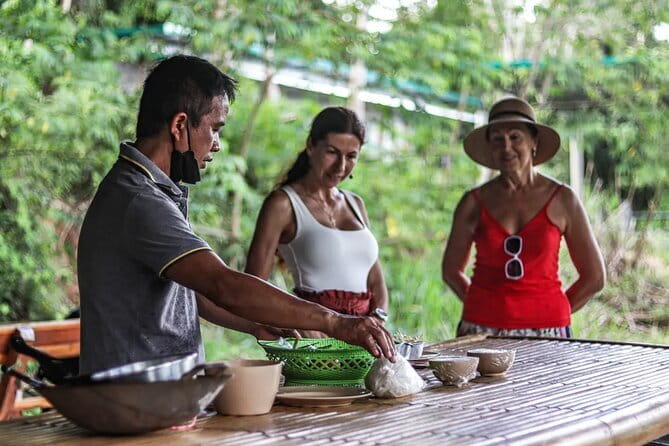
The half-day visit includes a Thai cooking class and lunch. The cooking session takes place after the elephant education and observation activities, and you eat the meal prepared during the demonstration.
This is a useful addition if you want more than a short elephant stop. It turns the visit into a broader cultural activity and gives you a proper break in the middle of a warm day. The food has been described as very good, and the cooking lesson is accessible enough for families.
The cooking portion also changes the pace. Elephant observation can involve waiting, walking, and standing outdoors. A meal and demonstration give you time to sit down and reset before continuing or heading back.
The extra time costs more than the shorter program, but I think it offers reasonable value if you enjoy food and want a fuller morning or afternoon. If your main goal is simply to see elephants ethically, a shorter visit may suit you better, especially during Phuket’s hottest months.
The information provided for this booking describes an approximately three-hour-thirty-minute program, while some program references describe a 90-minute visit. Check the exact option and duration at booking. The shorter format may focus on elephant observation and food preparation, while the half-day version includes the cooking class, lunch, vitamin balls, and dung recycling center.
Is $39.11 good value?

At $39.11 per person, this is a modest price for a guided sanctuary visit with an educational program. The value is strongest if your booking includes lunch, cooking, food preparation, the recycling center, water, a guide, and insurance.
You are not paying for a guaranteed close-up photograph or a dramatic elephant performance. You are helping support a facility that takes care of rescued animals while receiving a structured lesson in responsible elephant tourism.
The price also needs to be judged against what is absent. Transport is not included, so you must make your own way to the reserve. Comfortable shoes, a hat, sunglasses, and a personal water bottle are also your responsibility.
If you already have transport arranged and want an ethical elephant activity, the cost is fair. If you need a private transfer from your hotel, add that expense before comparing this visit with other Phuket options.
The reserve has received a 5 out of 5 average from 50 ratings, with all published recommendations positive. That record points to a well-organized visit, but the important question is still whether the hands-off rules match what you want.
Who should book this experience?
I would choose this for families, first-time visitors to an elephant sanctuary, and anyone trying to support better animal tourism in Thailand. Children around school age can take part in food preparation and understand the lesson about riding and bathing.
It also suits people who want a smaller, calmer setting. The sanctuary cares for a limited number of elephants rather than trying to keep a constant stream of animals moving through a large entertainment complex.
The half-day option works well for couples and families who want to combine wildlife education with Thai food. You receive more context and spend more time at the reserve than with a quick photo stop.
You may want another type of activity if you insist on bathing with elephants, riding, stroking them, or feeding them by hand. Those activities are specifically not offered here, and that is a strength from an animal welfare point of view, but it remains a practical limitation for some people.
The visit is also less ideal if you dislike heat, humidity, or outdoor walking. One former participant found 90 minutes to be the right length in hot weather. If you are sensitive to Phuket’s climate, confirm the shorter option or prepare carefully for the half-day program.
Practical details that matter
The ticket is mobile, and confirmation is sent at booking. Free cancellation is available up to 24 hours before the start time. Changes or cancellations inside that window are not accepted for a refund.
The sanctuary is near public transportation, and service animals are allowed. Most people can take part, but the program is outdoors, so comfortable footwear is essential.
Bring:
- A refillable water bottle
- A hat and sunglasses
- Comfortable shoes
- Clothes suitable for hot or rainy weather
- A phone or camera for observation photographs
Do not arrive expecting to touch the elephants. The safest and most respectful approach is to listen to the guide, keep the recommended distance, and let the animals decide where they go.
Should you book Phuket Elephant Nature Reserve?
Book it if you want an ethical elephant encounter built around watching, learning, and helping prepare food rather than touching animals. The combination of jungle observation, natural ponds, vitamin balls, dung recycling, and Thai cooking gives the half-day program real substance.
I would choose the longer option if you have the time and enjoy food activities. Choose the shorter visit if you mainly want to see the elephants or are visiting during the hottest part of the day.
The lack of bathing, touching, and hand feeding is not a missing feature. It is the reason this visit feels more responsible. For a reasonably priced, family-friendly introduction to elephant welfare in Phuket, this is a strong choice.
FAQ
Where is Phuket Elephant Nature Reserve?
It is located in Phuket, Thailand.
How long does the experience last?
The booking information gives an approximate duration of three hours and thirty minutes for the half-day program. A 90-minute option is also referenced, so check the exact program selected when booking.
Can I touch the elephants?
No. The experience uses a hands-off approach, and touching the elephants is not permitted.
Can I bathe with the elephants?
No. Bathing with the elephants is not part of this sanctuary visit.
Can I feed the elephants by hand?
No. You can help prepare their food and watch them eat, but direct hand feeding is not permitted.
What food-related activities are included?
The half-day program includes preparing vitamin balls and elephant food with the mahouts. It also includes a Thai cooking class and lunch.
Is lunch included?
Yes. Thai lunch is included in the half-day program.
Is transportation included?
No. Transport is not included. The reserve is near public transportation.
What is the cancellation policy?
You can cancel up to 24 hours before the start time for a full refund. Cancellations or changes made less than 24 hours before the start time are not accepted for a refund.
Just added around Phuket
- Travstore Original Phuket Discovery Tour★ 3.9 · 39 reviews
- Phuket: Wow Andaman Snorkeling Trip to Phi Phi & Bamboo Islands★ 4.5 · 15 reviews
- Zipline 18 Platforms and ATV Adventure Tour From Phuket★ 4.5 · 20 reviews
- Zipline and ATV Skyline Adventure Phuket Include Pickup Transfer★ 5.0 · 11 reviews
- Wonders of Khao Sok Discovery with Guaranteed Departure★ 4.5 · 31 reviews
- Unique Thai Cooking Experience in Patong with Chef Care★ 5.0 · 87 reviews
- Holiday travel photoshoot in Phuket★ 5.0 · 25 reviews
- Try Scuba Diving★ 5.0 · 11 reviews
Phuket Tours, compared.

Phang Nga Bay Sea Cave Canoeing & James Bond Island by Big Boat
Read our review →
Elephant Jungle Sanctuary Ethical Feeding Experience
Read our review →

Phi Phi Islands Adventure Day Trip w/ Seaview Lunch by V. Marine
Read our review →
Phi Phi Islands and Maya Bay Day Trip with Lunch
Read our review →
Phuket Thai Cooking Class with Market Tour Option
Read our review →Browse the lists this tour appears in