Reviewed · CHIANG MAI TOURS
Visit Chiang Rai Temples and Lalitta Cafe from Chiang Mai
Chiang Rai’s three famous temples give this long day its purpose: the White Temple, Blue Temple, and Red Temple each offer a very different vision of northern Thai art. Add the giant Goddess of Mercy statue, a waterfall garden at Lalitta Café, and lunch, and you get a lot in one trip.
I like the small maximum group of 12, which should feel more manageable than a packed coach. I also like that temple entry and lunch are included, since the main sights are the reason to make the long trip from Chiang Mai.
The catch is the road time. You may spend roughly three and a half to four hours each way in the van, and pickup delays can make an already long 11 to 12-hour day feel even longer. This tour rewards patience, especially during busy periods.
Key points to know before booking
- White Temple: Spend about an hour at Chalermchai Kositpipat’s dazzling contemporary work, one of Thailand’s most photographed sights.
- Blue and Red Temples: See bold blue-and-gold interiors at Wat Rong Suea Ten, then ride an elevator into the head of the giant Goddess of Mercy statue at Wat Huay Pla Kang.
- Lalitta Café: Pay 60 baht in cash for entry, with that amount discounted from your food or drink purchase.
- Long day on the road: The temples are far from Chiang Mai, so expect a demanding day with extensive van travel.
- Optional Karen village: A 300-baht entry fee applies if you choose to visit the longneck Karen village.
- Small-group format: The vehicle carries no more than 12 people, and air conditioning, water, lunch, and temple tickets are included.
Why Chiang Rai makes such a strong day trip
Chiang Rai is not a quick side trip from Chiang Mai. The two cities are separated by a long road journey, so this outing is best understood as a full northern Thailand excursion rather than a casual half-day tour.
The reward is a set of temples unlike the older, more restrained shrines you may see around Chiang Mai. The White Temple is a modern art project in temple form. The Blue Temple uses color and ornament for drama. Wat Huay Pla Kang combines Thai and Chinese influences around a huge statue that looks out across the surrounding city.
At $45.50 per person, the price is reasonable for what is covered. You receive an air-conditioned vehicle, water, lunch, temple admission, and a guide. You still pay separately for Lalitta Café, drinks beyond the included water and lunch, tips, and the optional Karen village.
The value depends on your tolerance for transport. If you want to see Chiang Rai in one day without arranging several buses, tickets, and meals yourself, this is an efficient package. If you dislike long road journeys or want quiet time at each site, an overnight stay in Chiang Rai may suit you better.
A few more Chiang Mai half-days worth weighing up
- Half-Day Thai Cooking Class at Organic Farm in Chiang Mai
★ 5.0 · 19,087 reviews - Chiang Mai: Elephant Sanctuary, Waterfall & Bamboo Rafting
★ 4.9 · 9,160 reviews - Chiang Mai: Doi Inthanon National Park Eco-Friendly Tour
★ 4.6 · 6,667 reviews
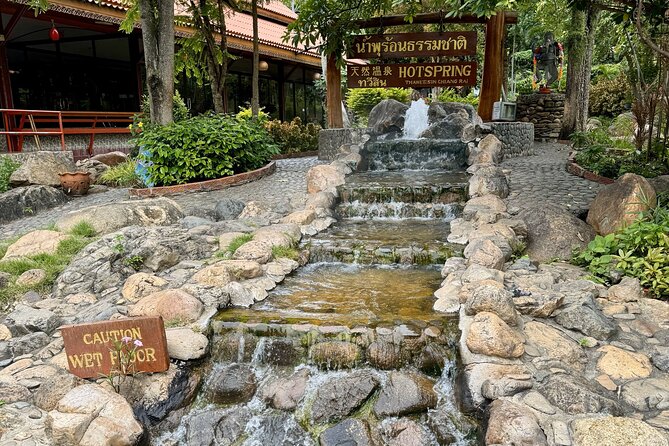
Mae Khachan Hot Spring gives you a short reset
The first stop is Mae Khachan Hot Spring, where you can rest your feet and stretch after leaving Chiang Mai. The visit lasts about 30 minutes, and there is no admission fee.
Keep your expectations modest. This is mainly a break in the journey, not a long bathing session or a major cultural stop. Its value comes from the timing: after an early start and the first stretch of road, a brief pause can make the rest of the morning easier.
Pickup begins around 7:00 a.m. Since the van collects people from different locations, the actual departure can take longer than expected. Keep your phone available, and if you have not received a pickup confirmation, contact the operator rather than waiting without information.
The White Temple is contemporary art in temple form
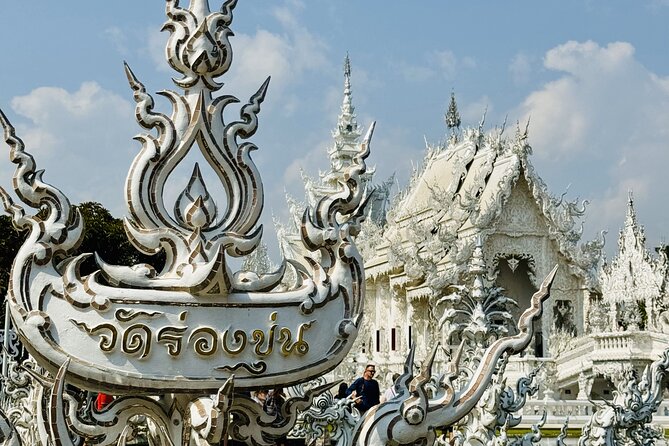
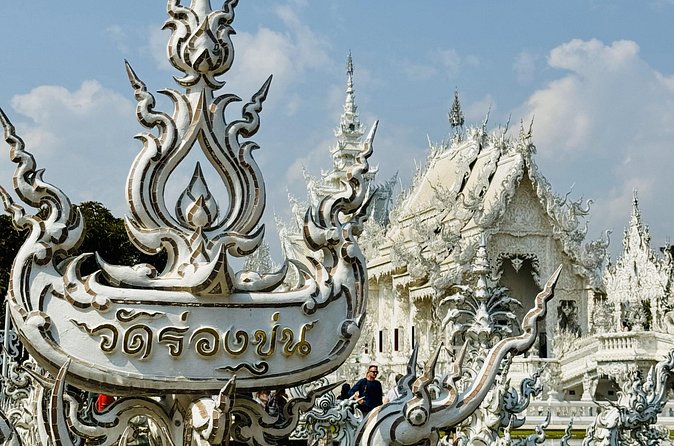
Wat Rong Khun, usually called the White Temple, is the visual centerpiece of the day. Artist Chalermchai Kositpipat created this unusual complex with a brilliant white exterior covered in mirrored details.
The effect is theatrical. In strong sunlight, the white surface and crystal-like decoration can appear almost too bright to look at for long. The design uses the image of purity, but the site is also clearly a work of modern art rather than a conventional old temple.
You have about one hour here. That is enough to see the main structure and take in the details, though anyone interested in photography or art may want more time. The grounds can be crowded, especially during the high season, so an early start matters.
Dress respectfully, as you would at any Thai religious site. Bring water, wear comfortable shoes, and avoid treating the temple as only a photo backdrop. The strange, highly polished style is the point, and it becomes more interesting when you notice how far it departs from traditional temple design.
Wat Huay Pla Kang offers the day’s biggest view
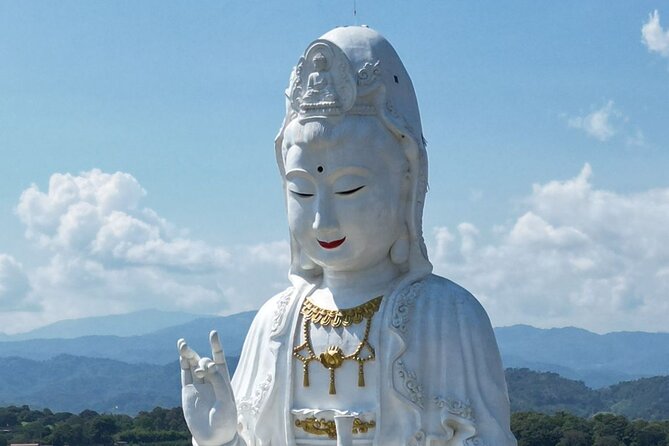
Wat Huay Pla Kang is often called the Red Temple because of its association with the red-toned temple buildings, though the main visual landmark is the enormous statue of the Goddess of Mercy. It combines Thai and Chinese design influences and has a very different mood from the White Temple.
One useful detail is easy to miss: you can take an elevator up into the head of the statue. From there, the elevated position gives you panoramic views over Chiang Rai and the surrounding area.
The stop lasts about an hour, making it one of the more substantial visits. The statue can be mistaken for a giant Buddha, but it represents the Goddess of Mercy. That distinction matters because the site’s imagery reflects a wider blend of Buddhist and Chinese religious traditions.
This is also a good place to pace yourself. The day includes several stops, and the combination of heat, road time, and constant sightseeing can wear you down. Use the hour for the statue and the view, but do not feel pressured to rush through every corner of the temple grounds.
Same base, a completely different kind of day out:
- Chiang Mai: Elephant Sanctuary & Waterfall Group Tour
★ 4.9 · 5,780 reviews - Chiang Mai: Chiang Rai Temples, Karen Tribe and Hot Springs
★ 4.7 · 5,401 reviews - Chiang Mai: Cooking Class, Market & Thai Herbs Garden Tour
★ 4.9 · 4,824 reviews - Chiang Mai: Authentic Cooking Class with Market & Farm Visit
★ 4.9 · 4,546 reviews
Lalitta Café is a photo stop with a real cost
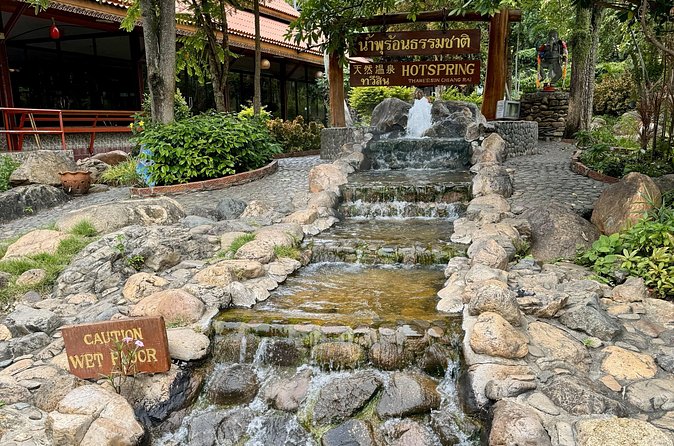
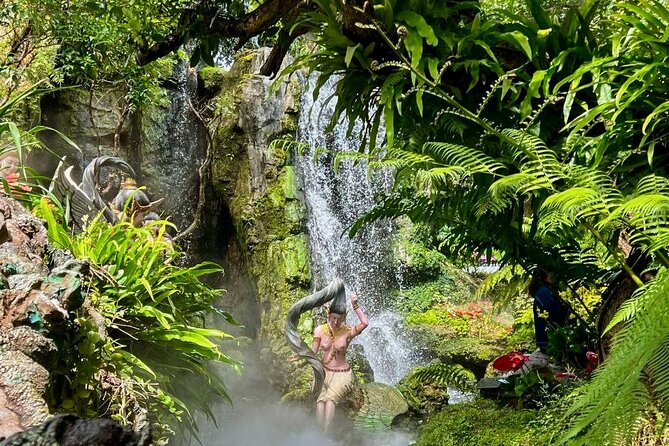
Lalitta Café is designed as a garden escape, with plants, flowers, and a waterfall set around the café. It gives the day a change of rhythm after the temples and road travel.
The stop is scheduled for only about 20 minutes. That is enough to see the garden and take photographs, but it may feel short if you want to sit down, order something, and enjoy the setting without watching the clock.
Entry costs 60 baht and must be paid in cash. The good news is that the 60 baht is discounted from your consumption, so it functions more like a minimum café spend than a simple entrance charge. Food and drinks beyond the included lunch are not covered, and alcohol, soft drinks, coffee, tea, and juice are also extra.
I would carry small Thai notes for this stop. The café is a pleasant addition, but it is not the central reason to book the trip. Think of it as a scenic pause and photo opportunity, not a full café visit.
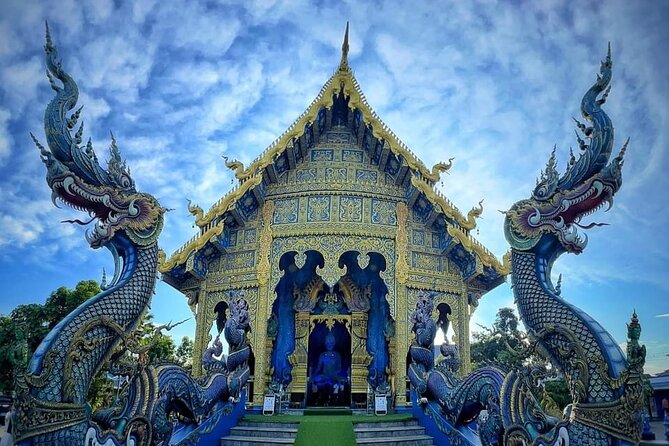
The Blue Temple brings color and theatrical detail
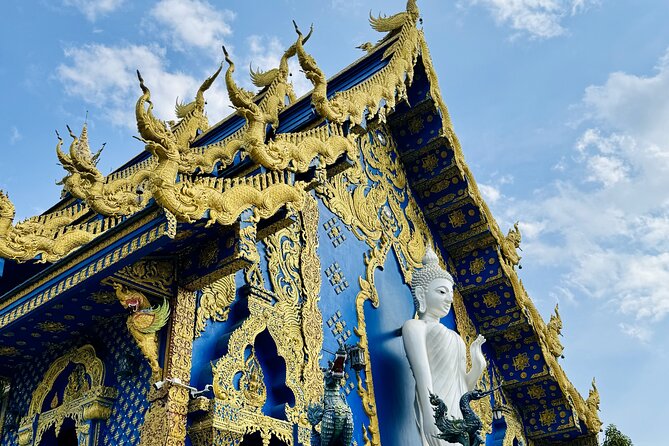
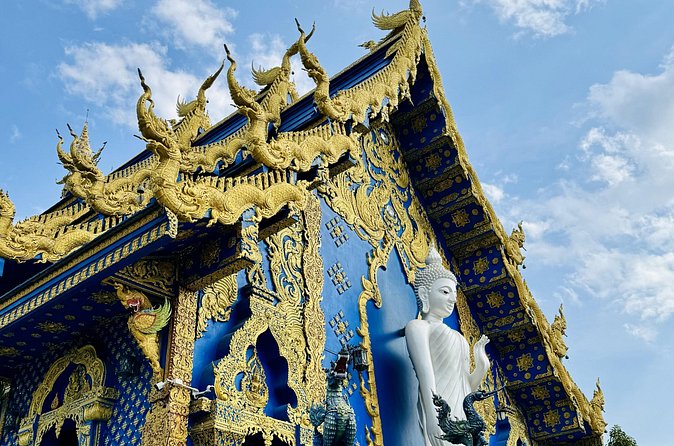
Wat Rong Suea Ten, or the Blue Temple, is one of the most memorable stops because of its deep blue color and gold decoration. The design was created by an apprentice of the artist behind the White Temple, which helps explain the similarly strong artistic personality.
The interior and exterior use color with confidence. Gold details catch the light against the blue surfaces, creating a more dramatic effect than the White Temple’s pale, reflective style. You receive about an hour here, enough to look carefully rather than simply step out, photograph the façade, and return to the van.
The contrast between the two temples is part of the appeal. The White Temple is bright and almost surreal. The Blue Temple feels darker, warmer, and more enclosed. Seeing both on the same day helps you understand how modern Thai temple art can take very different forms.
As at the other sites, stay aware of religious etiquette. The buildings may look designed for photographs, but they remain active spiritual places. Keep your clothing respectful and follow any instructions from the guide or temple staff.
The optional Karen village needs a thoughtful decision
The final listed stop is the longneck Karen village, where you can learn about local culture, see crafts, and observe the brass neck rings associated with the women of the community. Entry is optional and costs 300 baht per person.
This part deserves a little thought. The visit may interest you if you want to learn about the community and see its craftwork. At the same time, the format can feel more focused on shopping than on sustained cultural exchange, so you should decide in advance what you want from the stop.
You are not required to enter. If you are tired after the temples, prefer more time at the main sights, or feel uncertain about the presentation, skipping it is a reasonable choice. Ask the guide how much time is available and what the visit includes before paying the extra fee.
Lunch and the practical rhythm of the day
Lunch is included, which makes the price easier to judge. Water is available in the van and at lunch, but soft drinks, coffee, tea, juice, and alcohol are not included.
The schedule moves quickly. You will get set blocks of time at each major temple, then return to the vehicle for another road segment. That structure is useful if you want to cover Chiang Rai’s main sights in one day, but it leaves little room for wandering beyond the planned stops.
Wear light, comfortable clothing and shoes that are easy to remove if required. A hat and sunscreen can help during outdoor sections, though you should still dress with temple etiquette in mind.
The air-conditioned vehicle is important here. Without it, the road time would be much harder. Still, air conditioning does not remove the basic fact that you will spend much of the day seated. If you are prone to motion sickness, prepare accordingly, since the journey is long and the roads may feel tiring.
The guide can shape the whole experience
Guide quality matters more on a day like this because you spend so many hours together. Eve receives especially warm praise for making the day enjoyable, so if she is assigned to your group, you may benefit from her friendly approach.
Communication has not always been equally smooth. A guide who is difficult to understand can reduce the value of the temple visits, particularly when the sites have unusual religious and artistic details worth explaining.
Pickup communication is another practical point. The scheduled start is 7:00 a.m., but hotel collection can take time, and delays have occurred. Confirm your pickup location and stay reachable on the morning of the trip. A small group helps, but it does not eliminate the need to gather people from different parts of Chiang Mai.
Safety should be non-negotiable. One serious complaint described very fast driving, while other feedback praised a comfortable ride. Conditions can depend on the driver and the day, so speak up immediately if the driving makes you uncomfortable and contact the operator if the concern is not addressed.
Who will get the most from this $45.50 tour
I would recommend this trip to you if you have limited time in northern Thailand and want to see Chiang Rai’s signature temples without arranging transport yourself. It also suits photographers, first-time visitors, and anyone who enjoys modern temple design more than only ancient ruins.
Families and mixed-age groups may appreciate the included lunch, air-conditioned transport, and limited walking compared with an entirely self-guided day. Most people can participate, and service animals are allowed.
I would hesitate to recommend it if you want a slow, reflective temple experience. The road journey is long, the schedule is full, and the 20-minute Lalitta Café stop may feel rushed. An overnight Chiang Rai visit would give you more control, but it would require separate planning and likely cost more.
The 91 percent recommendation rate and 4.6 rating from 23 ratings point to a generally positive experience, but the lower ratings identify real risks: long driving hours, pickup confusion, communication problems, and concerns about driving speed. I would book with realistic expectations rather than assuming every day runs perfectly.
Final booking advice for a long northern Thailand day
Book this tour if the White Temple, Blue Temple, and Goddess of Mercy statue are high on your list and you value convenience over free time. The price covers the costly parts of the day, and the small vehicle is a useful improvement over a large group coach.
Skip it if eight hours on the road sounds miserable. Also think twice if Lalitta Café or the Karen village is your main interest, since both receive limited time and require extra payment.
For most people, the best reason to go is the unusual mix of modern Thai art, religious architecture, panoramic views, and a carefully planned route. The best reason not to go is simple: Chiang Rai is far away. Know that before you book, and the day’s strengths are easier to appreciate.
Free cancellation is available up to 24 hours before the 7:00 a.m. start time. Changes or cancellations made inside that window are not accepted for a refund.
FAQ
How long is the Chiang Rai temple tour from Chiang Mai?
The experience lasts approximately 11 to 12 hours. The road journey can take roughly three and a half to four hours each way, depending on the day and pickup schedule.
What time does the tour start?
The stated start time is 7:00 a.m. Hotel pickup may take longer because the vehicle collects people from different locations.
What temples are included?
The tour includes Wat Rong Khun, known as the White Temple, Wat Huay Pla Kang, also called the Red Temple, and Wat Rong Suea Ten, known as the Blue Temple.
Is lunch included?
Yes. Lunch is included, and water is available in the van and at lunch. Alcohol, soft drinks, coffee, tea, and juices are not included.
Is Lalitta Café included in the price?
Entry to Lalitta Café is not included. It costs 60 baht in cash, and that amount is discounted from your consumption at the café.
How much does the Karen village cost?
Entry to the optional longneck Karen village costs 300 baht per person. The visit is not included in the tour price.
How many people are in the group?
The tour has a maximum of 12 participants. Transport is provided in an air-conditioned vehicle.
Can I cancel for a full refund?
You can cancel at least 24 hours before the experience start time for a full refund. Cancellations or changes made less than 24 hours before the start time are not accepted.
Just added around Chiang Mai
- Wat Phra That Doi Suthep & Wat Pha lat Evening Tour & Guide★ 4.5 · 89 reviews
- Walk With Monks Collecting Alms(meeting point maybe change)★ 4.9 · 8 reviews
- Chiang Mai: Doi Inthanon Park Day Trip with Kiw Mae Pan Hike★ 4.6 · 75 reviews
- Chiang Mai Zipline White Water Rafting and Elephant Sanctuary★ 4.0 · 11 reviews
- Zipline+Sticky waterfall+Long Neck Village Private Tour★ 5.0 · 22 reviews
- Chiang Mai Airport Private Transfer – Hotel or Airport★ 4.5 · 51 reviews
- Trek to a Jungle Waterfall★ 5.0 · 14 reviews
- Zipline Adventure at Skyline Jungle Luge Chiang Mai★ 5.0 · 102 reviews
Chiang Mai Tours, compared.
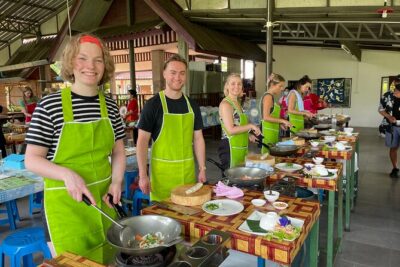
Half-Day Thai Cooking Class at Organic Farm in Chiang Mai
Read our review →
Elephant Sanctuary, Waterfall & Bamboo Rafting
Read our review →
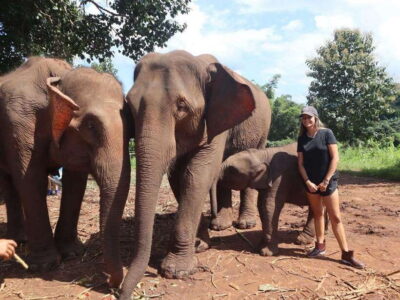
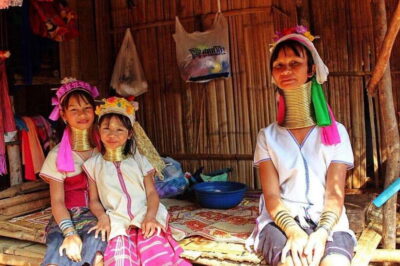
Chiang Rai Temples, Karen Tribe and Hot Springs
Read our review →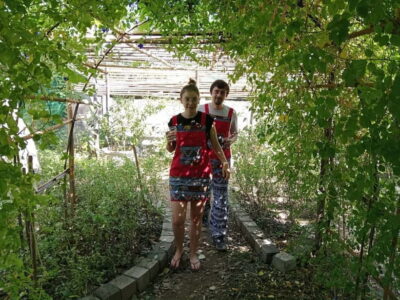
Cooking Class, Market & Thai Herbs Garden Tour
Read our review →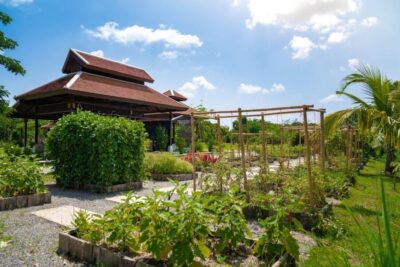
Authentic Cooking Class with Market & Farm Visit
Read our review →