
Reviewed · CHIANG MAI TOURS
Cook Local Northern Thai Food in Traditional House
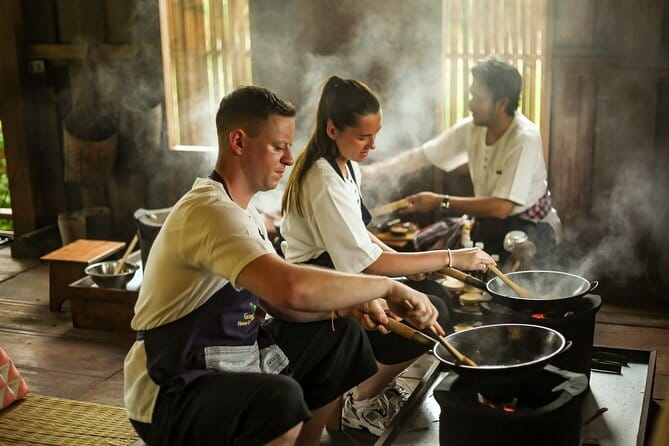
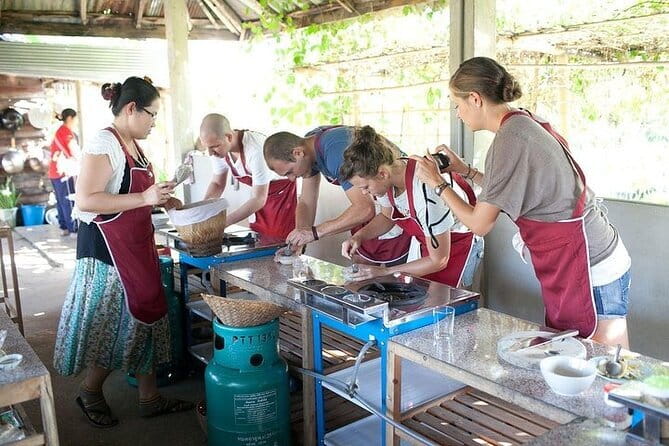
Northern Thai cooking gets personal here. You start at a local market, gather herbs and vegetables at an organic farm, collect eggs from the chicken coop, then cook five dishes in a traditional house setting. The unusual part is the old equipment: charcoal fires, a stone mill, and a hand-operated coconut grater.
I like the small maximum of six participants, which should give you real time at the cooking station instead of a quick demonstration from the far end of a crowded room. I also like that lunch is made by you, not simply served to you. The main consideration is the seven-hour length. This is a full day, and the traditional methods take patience.
- Five Northern Thai dishes: Make Northern Thai sausage, Nam Prik Ong or Nam Prik Num, Northern pork belly curry, curry with young jackfruit, and Thai coconut pancakes.
- Market first, farm second: Learn about seasonings at a local market, then pick herbs, vegetables, and eggs for the cooking session.
- Old kitchen techniques: Light a charcoal grill, mill flour with a traditional millstone, and grate coconut by hand.
- Small group format: The class accepts a maximum of six participants.
- Useful inclusions: Hotel pickup and return, welcome snacks, refreshments, lunch, dessert, and an electronic recipe book.
- Flexible food arrangements: Special dietary requirements can be accommodated if arranged for the class.
Five Northern Thai dishes in one long cooking day
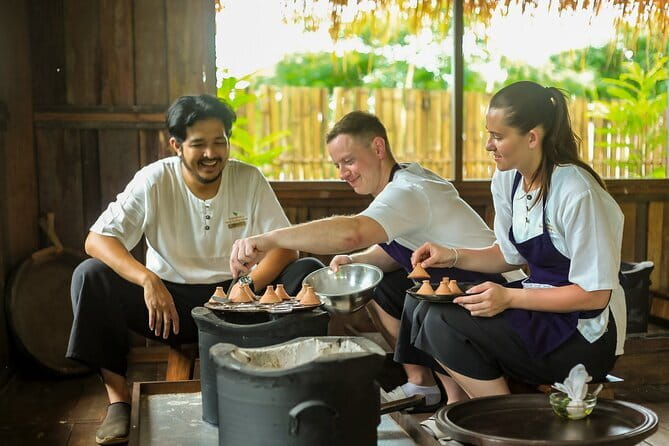
The appeal of this class is its range. You are not learning one famous Thai dish and calling it a day. You work through five preparations that show several sides of Northern Thai food, from sausage and chili dips to pork belly curry, young jackfruit, and a sweet coconut finish.
The cooking list is also a practical introduction to the region. Northern Thai food often depends on herbs, chili pastes, grilled ingredients, and careful use of texture. The class gives you a chance to see those parts working together, rather than treating Thai cuisine as a single national style.
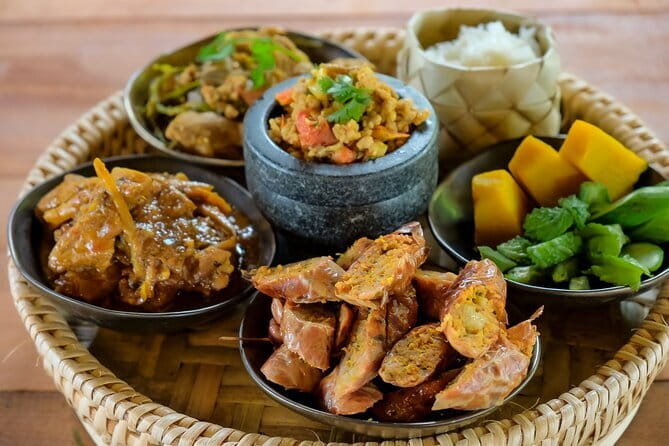
The menu includes Northern Thai sausage, Nam Prik Ong or Nam Prik Num, Northern pork belly curry, curry with young jackfruit, and Thai coconut pancakes. The choice between the two Nam Prik dishes gives the session some flexibility, though the available option and exact menu arrangement should be confirmed when you book.
You should expect to spend much of the day moving between preparation and cooking. That is good news if you want hands-on practice. It is less appealing if you prefer a short class followed by free time in Chiang Mai.
A 9 a.m. start with hotel pickup
The class starts at 9 a.m., and round-trip hotel transfers are included. That makes the morning easier, especially if you are staying in Chiang Mai and do not want to work out transport to an unfamiliar cooking school.
Pickup timing can affect the length of your morning, so allow room around the stated start time. The experience lasts about seven hours, not counting any possible variation in transfer time. You are committing most of the day to the class.
Mobile tickets are accepted, and confirmation is received at booking. The school is also near public transportation, though the included pickup is the simpler choice for most participants.
The small group limit matters here. With no more than six people, you should have a better chance to handle ingredients and ask questions. A tiny class also makes the farm and traditional equipment easier to appreciate, since the instructor does not need to manage a large crowd.
More food tours in Chiang Mai:
- Small-Group Chiang Mai Evening Street Food Tour
★ 4.5 · 826 reviews - Chiang Mai: Evening Local Street Food Market Tour
★ 4.8 · 604 reviews - Northern Flavours Chiang Mai Food Tour with 15+ Tastings
★ 5.0 · 513 reviews
Learning Northern Thai ingredients at the local market
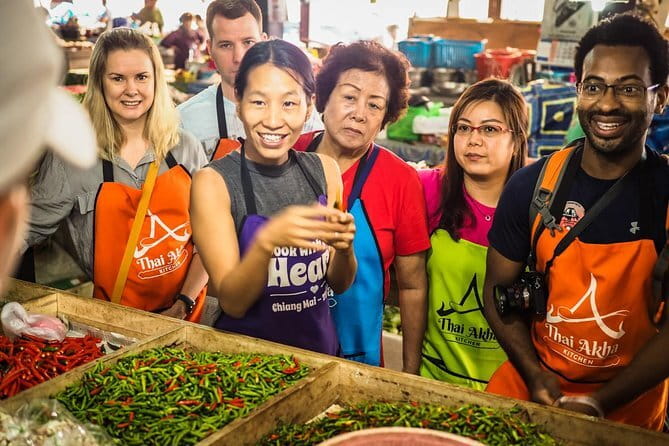
The first teaching stop is a local market. Instead of meeting the ingredients only after they have been measured and placed in bowls, you see the produce, herbs, seasonings, and other items in the setting where people buy them.
This is one of the strongest parts of the plan for anyone who wants food context. A market visit helps you understand that a curry paste or chili dip begins with a set of ordinary ingredients that need to be identified, combined, and prepared correctly.
The instructors introduce ingredients and seasonings used in Northern Thai cooking. That can be more useful than a long list of unfamiliar names, because you can connect each item to a dish you will make later.
Do not expect a sightseeing market tour. Its purpose is culinary, and the useful question is not simply what an ingredient is, but what it does. Pay attention to the seasonings that appear in the sausage, chili dip, and curries. The same herb or spice can change character depending on how it is cooked.
Picking herbs and eggs at the organic farm
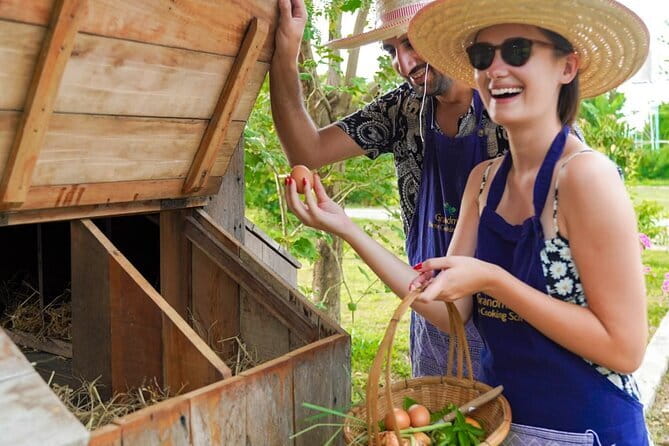
After the market, you tour an organic farm. You learn about Thai herbs and vegetables, pick produce for the dishes, and visit the chicken coop to collect eggs.
That farm stop adds a clear hands-on element. You are not just hearing that ingredients are fresh. You take part in gathering some of them, then use them during the class. The connection between garden, kitchen, and plate is easy to understand because it happens within the same day.
The farm also gives the class a wider cultural purpose. You learn about food production and everyday kitchen habits, not only restaurant-style presentation. For anyone interested in how Northern Thai households use herbs and vegetables, this part may be as valuable as the recipes.
There is a trade-off. Farm work and ingredient gathering take time, and the day will feel active rather than streamlined. If you want the shortest possible route to a finished plate, a market and farm visit may seem like extra steps. If you want a fuller picture of the food, those steps are the point.
Charcoal, stone, and coconut in the traditional house
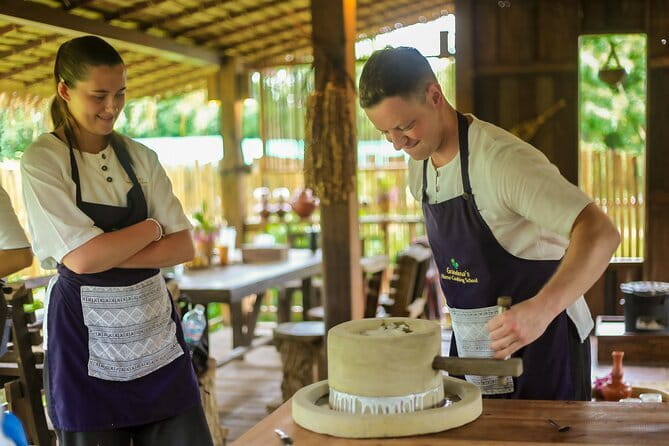
The cooking techniques are the feature that separates this class from a standard modern cooking lesson. You learn to light a charcoal grill, wash vegetables, mill flour with a traditional millstone, and grate coconut meat using a coconut grater.
These methods require more effort than switching on a gas burner or opening a packet of prepared flour. That effort is useful because it shows how texture and flavor begin before the main cooking starts. You get a sense of the work behind dishes that are often presented as quick meals.
Charcoal cooking can also change the rhythm of the class. You need to tend the heat and pay attention to timing. The traditional millstone and coconut grater make the sweet course feel connected to older household methods rather than a modern classroom shortcut.
One important point: the setting is traditional in its methods, but it is not literally someone’s private grandmother’s kitchen. The class is a purpose-built cooking experience from Grandma’s Home Cooking School. That should not put you off, but it helps set the right expectation. You are getting a clean, organized teaching environment with traditional tools, not an accidental visit to a family home.
One participant described the experience as very clean, fun, safe, and interesting, while also making this distinction about the setting. That is useful advice. Come for the traditional techniques and structured instruction, not for a completely unplanned home visit.
Same base, a completely different kind of day out:
- Half-Day Thai Cooking Class at Organic Farm in Chiang Mai
★ 5.0 · 19,087 reviews - Chiang Mai: Elephant Sanctuary, Waterfall & Bamboo Rafting
★ 4.9 · 9,160 reviews - Chiang Mai: Doi Inthanon National Park Eco-Friendly Tour
★ 4.6 · 6,667 reviews - Chiang Mai: Elephant Sanctuary & Waterfall Group Tour
★ 4.9 · 5,780 reviews
Cooking sausage, chili dips, curry, and jackfruit
Northern Thai sausage gives you a chance to work with one of the region’s best-known specialties. Sausage-making is more involved than simply stirring a curry, so it adds variety to the day and gives you a dish that can be difficult to recreate without guidance.
The chili portion includes Nam Prik Ong or Nam Prik Num. These are central Northern Thai-style dips, and learning one of them should help you understand how roasted or cooked ingredients, chilies, and seasonings are brought together. The class does not reduce Northern Thai food to coconut-heavy curries.
The Northern pork belly curry offers a different texture and cooking style. Pork belly needs time and care, so this is another reason the full-day format matters. You are not rushing through five recipes in a single hour.
Curry with young jackfruit brings a plant-based ingredient into the menu. Jackfruit can have a distinctive texture, and cooking it in a Northern-style curry shows how local vegetables can carry a dish rather than merely sit beside meat.
The schedule is ambitious, but the small group helps. You should still expect the instructors to organize the work so that some components cook while others are being prepared. The result is a broad lesson rather than five completely separate master classes.
Thai coconut pancakes and the dessert session
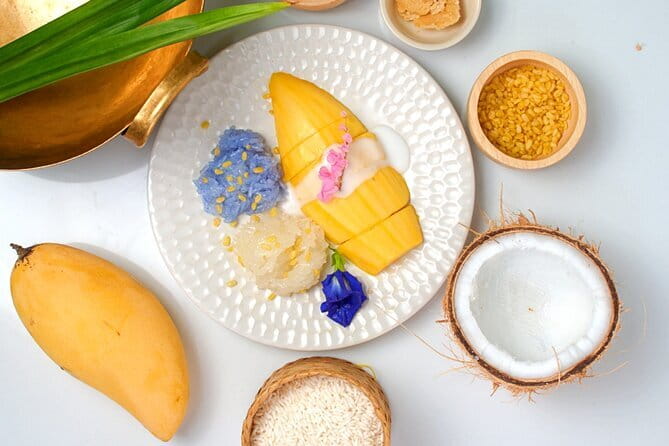
The sweet course is Thai coconut pancakes, made in the traditional way. You also get a dessert and refreshments session with tasting.
This is a nice finish because the pancakes make use of the coconut work you performed earlier. Milling flour and grating coconut are not isolated demonstrations. They support the final food, which helps the traditional tools make sense.
The dessert session also gives you a quieter moment after the main cooking and lunch. You can taste traditional Thai sweets and refreshments, compare the textures, and review what you made during the day.
Lunch is included and consists of your cooking. That is an important value point. You are paying for instruction and food at once, so you should not need to arrange a separate midday meal. Alcohol is not included, and it is not part of the stated experience.
What the $57.99 price really covers
At $57.99 per person, this is not just a recipe lesson. The price covers roughly seven hours of activity, hotel transfers in both directions, the market visit, farm tour, hands-on instruction, lunch, welcome snacks, refreshments, dessert tasting, and an electronic recipe book.
That package makes the price easier to justify than a short class with ingredients and one finished dish. Transportation alone can add cost and planning time, while the farm and market create a fuller day around the cooking.
The value is strongest if you will use the recipes afterward. The electronic recipe book gives you a way to repeat the dishes at home, although some traditional tools may not be available in your own kitchen. You may need to adapt the methods, especially the charcoal grill, millstone, and coconut grater.
The price is less compelling if you only want to learn one familiar dish or if you have limited time in Chiang Mai. A seven-hour class occupies a substantial part of your schedule. It works best as a planned food day, not as a quick activity between temple visits.
The class is usually booked well ahead, with an average booking lead time of 44 days. That suggests you should reserve early if your Chiang Mai dates are fixed, particularly because the group is capped at six.
Who will get the most from this class
I would choose this for people who care about how food is made, not just how it tastes. The traditional tools, ingredient gathering, and market lesson give the day more substance than a simple cook, eat, and leave format.
It also suits couples, friends, and families who enjoy shared tasks. Children under 12 are welcome as visitors, but the supplied information does not say they participate in every cooking activity, so clarify that point before booking for a younger child.
The class can accommodate special dietary requirements. Tell the provider in advance, since five dishes include meat and the exact adaptations will need to be arranged before the session.
You may want to skip it if you dislike long practical activities, charcoal cooking, or working through several recipes in one day. The class is designed around participation. Sitting back will leave you with less from the experience.
A practical way to prepare
Wear clothing that you can move in and do not mind wearing around food preparation. The information does not specify a dress code, so keep your choices simple and comfortable.
Arrive ready for a full schedule. You will move from market learning to farm gathering, then to preparation, cooking, lunch, and dessert. The day has a clear progression, but it is not a quick urban class.
Ask about your dietary needs before the start date. The provider says special requirements can be accommodated, but advance notice is the sensible way to make sure the menu works for you.
Keep the recipe book. It is more than a souvenir if you want to cook Northern Thai dishes at home. Write down any substitutions or cooking adjustments during the session, especially if you do not own traditional equipment.
Should you book Grandma’s Home Cooking School?
Book it if you want a full Northern Thai food day with market shopping, farm ingredients, old cooking methods, and five dishes to eat and repeat at home. The small group, hotel pickup, included lunch, and recipe book add real value at $57.99.
Think twice if you want a brief class, a private family kitchen, or a modern lesson focused on speed. The setting is organized rather than an actual grandmother’s home, and the traditional tools make the day longer and more hands-on.
For food-focused visitors with a free day in Chiang Mai, this is a strong choice. The excellent rating is based on only 15 published ratings, so keep that sample size in mind, but the praised points are clear: clean surroundings, a safe setup, unusual cooking methods, and food that can be among the best meals of a Thailand visit.
FAQ
Where does the cooking class take place?
The experience takes place in Chiang Mai with Grandma’s Home Cooking School. It includes a local market visit, an organic farm tour, and cooking in a traditional house setting.
What time does the class start?
The stated start time is 9 a.m. The full experience lasts approximately seven hours.
Is hotel pickup included?
Yes. Round-trip transfers to and from your hotel are included.
How many people can join the class?
The activity has a maximum of six participants.
Which dishes will I learn to cook?
The class includes Northern Thai sausage, Nam Prik Ong or Nam Prik Num, Northern pork belly curry, curry with young jackfruit, and Thai coconut pancakes.
Is lunch included?
Yes. Lunch is included, and you taste the dishes prepared during the class. Dessert and refreshments are also provided.
Can special dietary requirements be accommodated?
Yes. The activity can accommodate special dietary requirements. Provide the details when arranging your booking.
What happens if I need to cancel?
You can cancel for a full refund if you do so at least 24 hours before the local start time. Cancellations or changes made less than 24 hours before the start are not accepted for a refund.
Just added around Chiang Mai
- Wat Phra That Doi Suthep & Wat Pha lat Evening Tour & Guide★ 4.5 · 89 reviews
- Walk With Monks Collecting Alms(meeting point maybe change)★ 4.9 · 8 reviews
- Chiang Mai: Doi Inthanon Park Day Trip with Kiw Mae Pan Hike★ 4.6 · 75 reviews
- Chiang Mai Zipline White Water Rafting and Elephant Sanctuary★ 4.0 · 11 reviews
- Zipline+Sticky waterfall+Long Neck Village Private Tour★ 5.0 · 22 reviews
- Chiang Mai Airport Private Transfer – Hotel or Airport★ 4.5 · 51 reviews
- Trek to a Jungle Waterfall★ 5.0 · 14 reviews
- Zipline Adventure at Skyline Jungle Luge Chiang Mai★ 5.0 · 102 reviews
Chiang Mai Tours, compared.
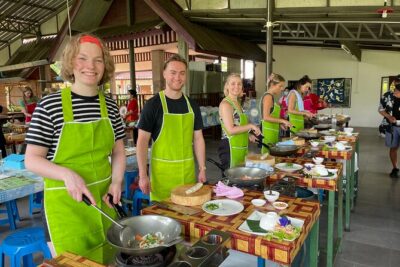
Half-Day Thai Cooking Class at Organic Farm in Chiang Mai
Read our review →
Elephant Sanctuary, Waterfall & Bamboo Rafting
Read our review →


Chiang Rai Temples, Karen Tribe and Hot Springs
Read our review →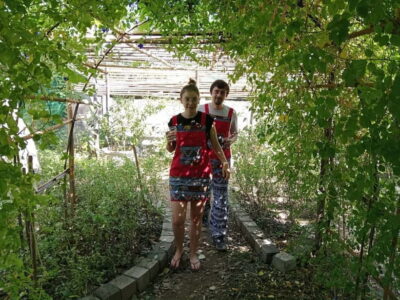
Cooking Class, Market & Thai Herbs Garden Tour
Read our review →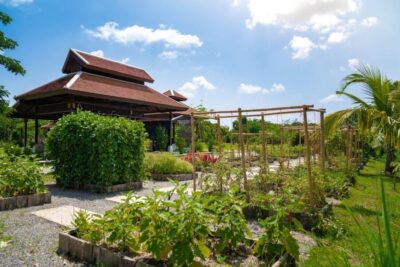
Authentic Cooking Class with Market & Farm Visit
Read our review →
Elephant Sanctuary Feeding Program Half-Day Tour
Read our review →Browse the lists this tour appears in