
Reviewed · CHIANG MAI TOURS
Chiang Mai: Asia Scenic Thai Cooking School
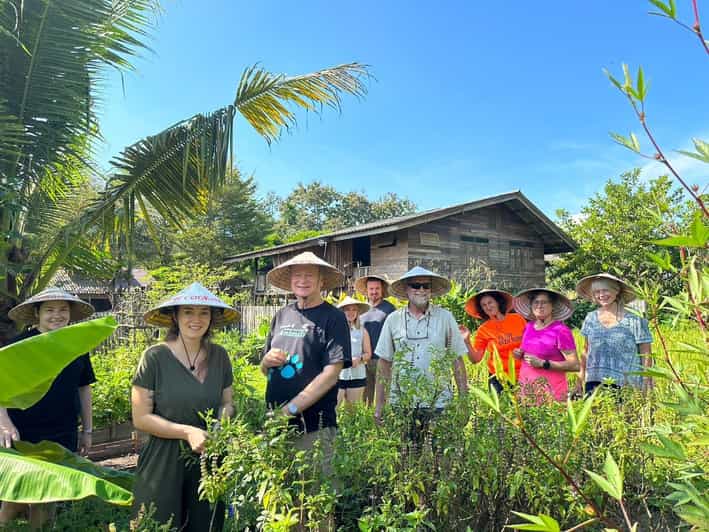
Thai cooking becomes much easier when you see the ingredients before they reach the pan. At Asia Scenic Thai Cooking School, you visit a local market, walk through an organic kitchen garden, then cook a set of Thai dishes at your own station. It is part cooking lesson, part food tour, and part relaxed day out.
I like the chance to choose your dishes, rather than being handed a fixed menu. I also like the farm visit, where herbs and produce are still growing and the instructor can explain how they affect a dish. The main drawback is timing: the farm option can stretch toward six hours, and the trip from the market to the farm may take 30 to 40 minutes.
Key points at a glance
- Choose your own Thai menu: Pick from stir-fries, soups, curry pastes, curries, and spring rolls.
- Shop before you cook: The market tour introduces the spices and produce used later in class.
- See ingredients growing: The organic farm adds useful context about herbs, vegetables, and Thai flavors.
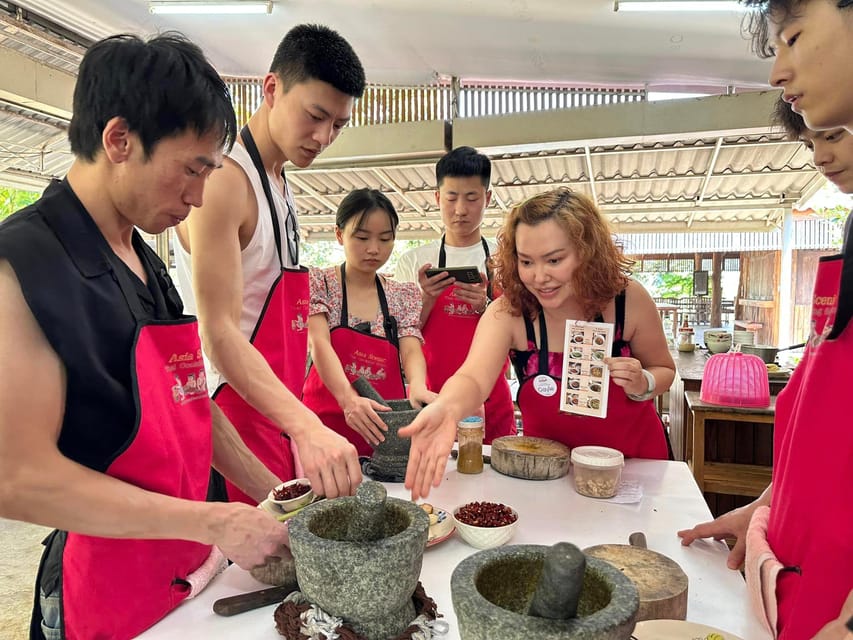
- Cook at your own station: You prepare the dishes yourself instead of only watching a demonstration.
- Friendly, lively instructors: Tommy, Nan, Olive, Thai, Sue, Dev, Kade, Nami, and others have received strong praise for clear teaching and humor.
- Take home the whole menu: The recipe book includes the dishes available in the class, not just the ones you choose.
A Thai cooking class that starts at the market
The most useful part of this experience happens before the cooking begins. Rather than meeting only in a kitchen and measuring ingredients from prepared bowls, you first visit a local market to see the raw materials in context.
That matters in Thai cooking. A curry paste, soup, or stir-fry may depend on a handful of herbs and spices that are unfamiliar if you only see them chopped and mixed. At the market, your guide points out ingredients connected to the recipes you will later prepare. You also get a chance to taste some herbs and seasonal produce.
The market visit is not designed as a long shopping expedition. It is a practical introduction to the building blocks of Thai food. If you want plenty of free time to browse stalls, this part may feel brief. One participant wanted a longer market visit, while the transfer to the farm took a fair share of the morning.
Still, the order makes sense. You see the ingredients first, then learn how they work in a dish. That gives the class more substance than a simple cook-and-eat activity.
More Cooking Classes in Chiang Mai
- Half-Day Thai Cooking Class at Organic Farm in Chiang Mai
★ 5.0 · 19,087 reviews - Chiang Mai: Cooking Class, Market & Thai Herbs Garden Tour
★ 4.9 · 4,824 reviews - Chiang Mai: Authentic Cooking Class with Market & Farm Visit
★ 4.9 · 4,546 reviews
The farm option adds a useful second lesson
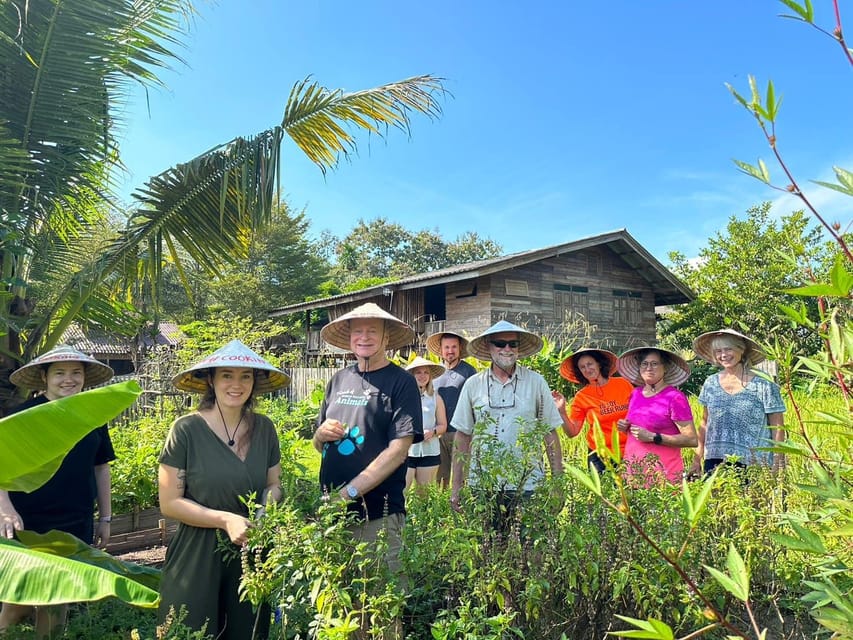
The organic farm is the part I would choose if your schedule allows the longer version. It sits about 30 to 40 minutes from central Chiang Mai, so reaching it takes time, but the setting gives the class room to breathe.
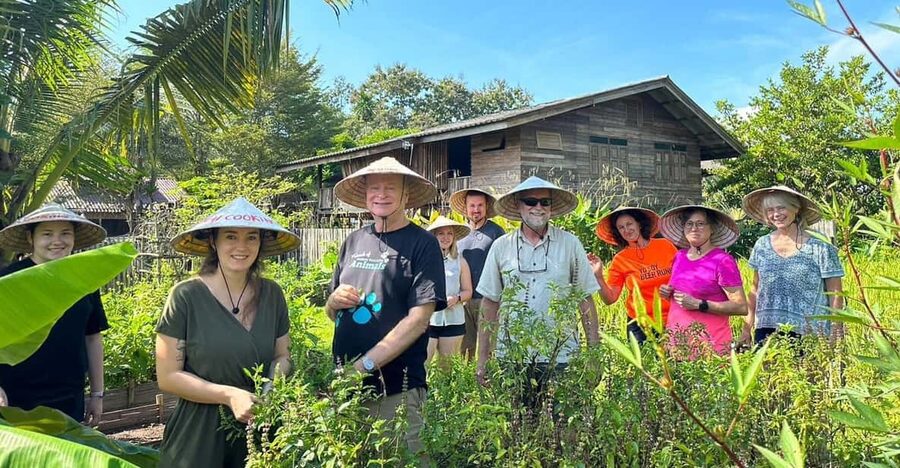
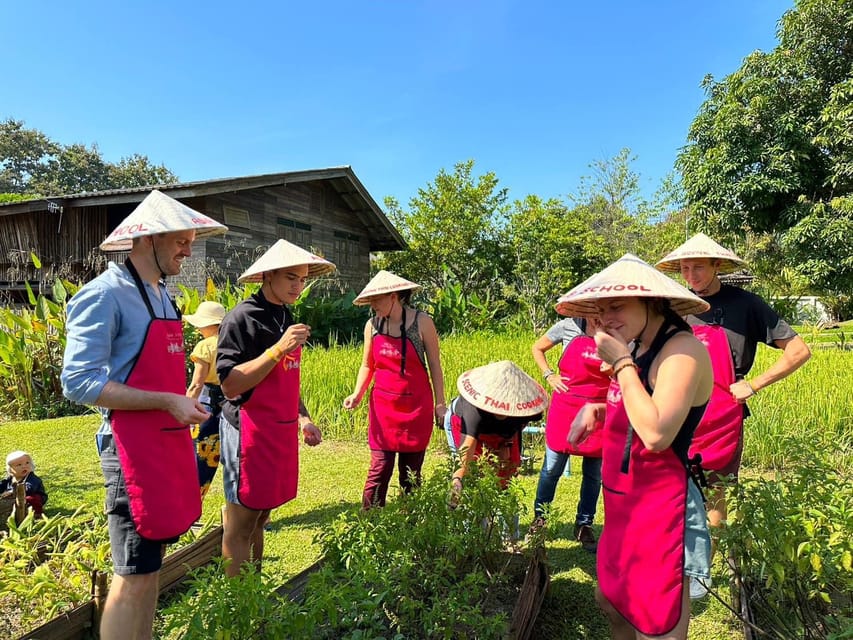
You walk around the garden and vegetable patch, look at herbs and produce, and learn how they are grown. The instructor also explains why particular ingredients matter for taste and how different herbs can change a dish.
This is especially helpful if Thai food is new to you. You may know basil, lemongrass, or chili by name, but seeing the plants helps connect the final dish to its ingredients. The garden also gives you a short break from the city before the cooking starts.
The farm setting is open-air and relaxed. Fresh coffee and herbal tea are available, and hammocks provide a place to sit during short pauses. That combination makes the longer class feel less like a tightly packed lesson.
There is a trade-off. The full farm version takes considerably longer than a city class, and the ride between the market and farm reduces your cooking time or free time. If you are in Chiang Mai for only a day or two, the city option may be the more sensible choice.
Five dishes, with room for personal taste
The menu is one of the strongest parts of the class. You can choose five dishes from several categories, allowing you to build a meal around foods you actually want to learn.
The stir-fried choices include:
- Pad Thai
- Pad See Ew
- Hot basil stir-fry
- Cashew nut with chicken
The soup choices include coconut milk soup, Tom Yum, and Tom Sab. For curry paste, you can choose red, green, Massaman, Panang, or Khao Soi. The curry choices include red, green, Massaman, Panang, and Khao Soi, and spring rolls are also available.
The exact class format can vary by package. The main information describes five selected dishes, while some full-day descriptions refer to additional dishes or seven dishes prepared during the longer farm session. Check the menu and package shown for your date so you know how much food and cooking time to expect.
The choice system works well for mixed groups. One person can focus on Pad Thai, another on green curry, and someone else can choose soup or spring rolls. Vegetarian and vegan adjustments are also handled, and dietary needs can be discussed with the instructor.
If you want to learn the greatest number of techniques, choose dishes from different categories. A stir-fry teaches fast cooking and sauce balance. A soup shows how herbs, sourness, salt, and heat work together. Curry paste teaches the groundwork behind a finished curry.
What the hands-on cooking feels like
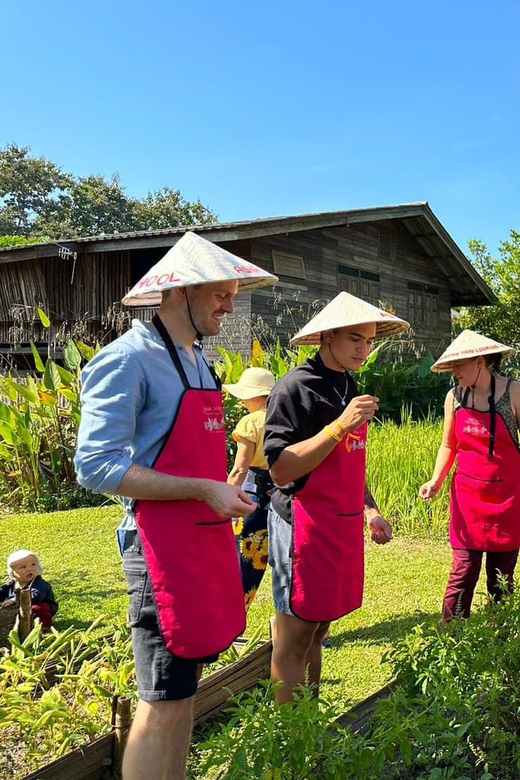
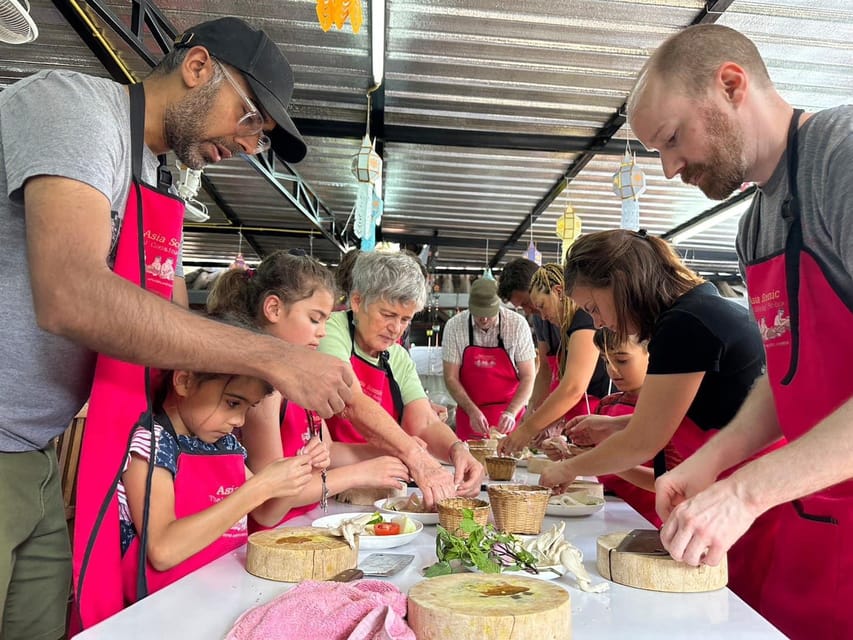
Once you reach the school or farm kitchen, you receive an individual cooking station and the necessary ingredients. The open-air setup keeps the mood informal, and you work through the dishes under the instructor’s direction.
This is not a silent demonstration where you watch a chef do everything. You chop, mix, stir, and cook your own food. The teacher explains the steps, then gives you time to repeat them at your station.
The instructors are a major part of the experience. Tommy has been praised for being funny while still giving clear instruction. Nan is known for careful explanations and a friendly manner. Olive, Thai, Sue, Dev, and Kade have also been singled out for warmth, humor, and patient teaching.
Those details matter because cooking classes can become confusing when the pace is too fast. Here, the teaching style appears to be encouraging for beginners and still worthwhile if you already cook Thai food at home. One experienced home cook found the class informative rather than basic.
The class also works for groups with different skill levels. You do not need to arrive as a confident cook. The instructor guides you through each dish, and the small group size, limited to 10 people, gives the lesson a more personal feel than a large demonstration.
More Thai cooking classes in Chiang Mai:
- Thai and Akha Cooking Class in Chiang Mai
★ 5.0 · 4,358 reviews - Chiang Mai: Cooking Class with Market and Pickup
★ 4.9 · 1,365 reviews - Chiang Mai: Cooking Class with Organic Farm at Mama Noi
★ 4.9 · 1,151 reviews - Full Day Thai Cooking at Farm (Chiang Mai)
★ 5.0 · 1,127 reviews
Learning the balance behind Thai flavors
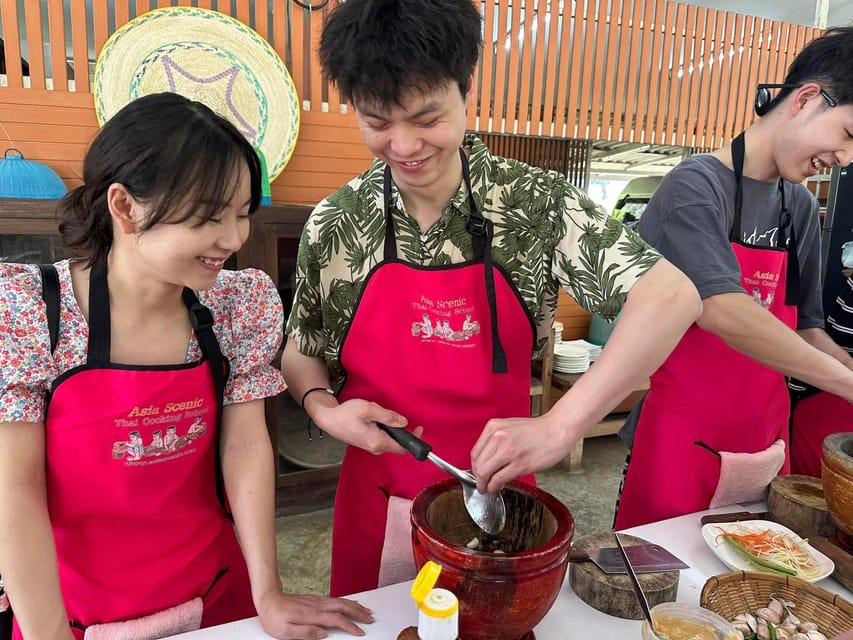
The real value is not simply eating five plates of food. It is learning how the ingredients work together.
Thai cooking often depends on balance rather than one dominant flavor. Sour, salty, sweet, spicy, creamy, and aromatic elements may all appear in a single meal. The instructors explain the role of individual ingredients, including how herbs affect flavor and how curry paste changes the finished dish.
You also watch how sticky rice is cooked. This is a small part of the day, but it helps place the meal within a wider Thai food tradition. It gives you one more method to remember when you return home.
The lesson is practical rather than overly formal. You learn dishes you are likely to recognize and cook again: Pad Thai, curries, soups, stir-fries, and spring rolls. The recipe book helps turn the class into something useful after your holiday.
The book includes all of the available recipes, not only the five you prepare. That is good value. You can try the dishes you skipped, compare menus with friends, and recreate more of the class at home.
Eating what you have made
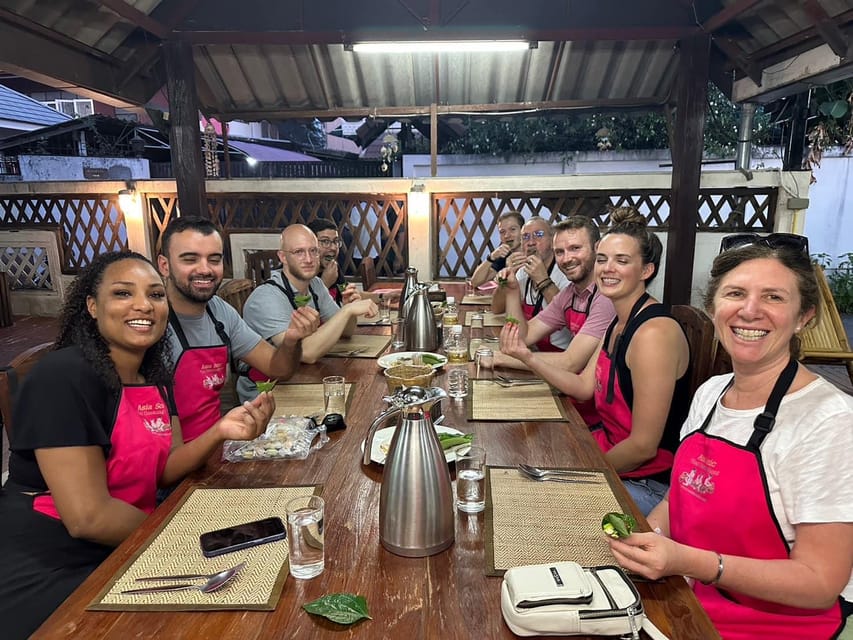
After cooking, you sit down and eat your own dishes in a calm setting. Because you have prepared the food yourself, the meal becomes part of the lesson rather than a separate restaurant stop.
The portions can add up quickly. One full-day participant was so full that two dishes had to be taken away. Plan your appetite accordingly, especially if you choose several substantial curry or noodle dishes.
A welcome snack or seasonal fruit is included, along with fresh coffee and herbal tea. These small extras are useful during a long morning or afternoon, particularly when the class includes the farm visit and several cooking sessions.
The meal is also a natural time to compare choices with other people in the group. A group of different nationalities can each select different dishes, making the final table more varied than a fixed set menu.
How much time should you allow?
The listed duration ranges from 270 minutes to six hours. The shorter option is better for a focused cooking lesson in or near the old city. The longer farm package adds transport, the market, the garden tour, and more time in the open-air kitchen.
Pickup is included for hotels within 3 kilometers of downtown Chiang Mai. The exact pickup time is confirmed by email, so check your inbox and meet in the hotel lobby at least 10 minutes early. A late arrival can mean missing the pickup.
The school is in the heart of Chiang Mai’s old city, which makes the city-based format easy to fit around sightseeing. The farm option requires more planning because the transfer takes time.
I would avoid booking the longest version immediately before an airport transfer, an important temple tour, or another fixed appointment. The activity is designed as a relaxed half-day or full-day experience, not a quick stop between tightly scheduled plans.
Is $41 a good price?
At $41 per person, the value is strong if you want more than a single meal. The fee includes transport within the downtown pickup area, the market tour, farm access for the relevant package, ingredients, an individual station, drinks, the food you prepare, and the cookbook.
A restaurant meal in Chiang Mai may cost less, especially at a simple local place. But a restaurant does not teach you how to make the food, show you the ingredients at a market and farm, or send you home with recipes.
The price makes the most sense for food lovers, first-time visitors who want cultural context, and anyone who plans to cook Thai food again. If you dislike group activities or already know the recipes well, the value is less clear.
The small group limit of 10 helps justify the cost. You are not lost in a crowd, and the instructor can help with dietary adjustments and cooking questions. The strongest value comes from the full package, not just the final plate of food.
Dietary needs and family suitability
Vegetarian and vegan adjustments are available, and recipes can be adapted to suit different dietary requirements. Tell the operator about your needs when booking and remind the instructor at the start of the class.
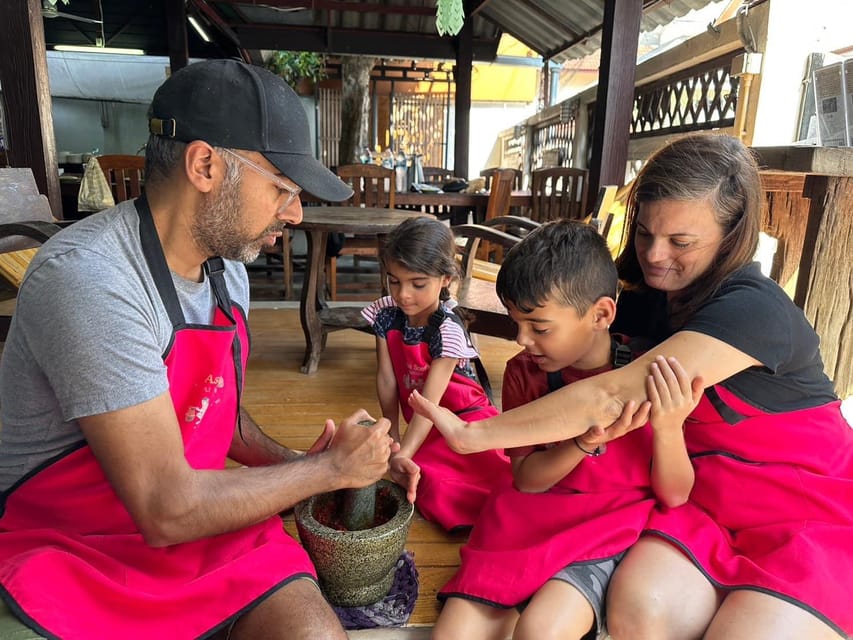
The activity is not suitable for children under 4. Older children may enjoy choosing ingredients and cooking, but the provided information does not specify a separate children’s menu or child pricing.
This class suits couples, solo visitors, families with older children, and groups of friends. Solo participants can join the small group without needing to arrange a private lesson. Couples can choose different dishes and share the results.
If you are not comfortable with heat, chopping, or standing during a cooking lesson, ask about the exact setup before booking. The class is hands-on, so you should expect to take part rather than simply sit and watch.
Practical strengths and small drawbacks
The best features are clear. You get a market visit, a farm tour in the longer version, real cooking at your own station, a choice of dishes, and a cookbook that covers the wider menu.
The instructors also add a lot. Tommy’s humor, Nan’s careful teaching, Olive’s friendly approach, and the clear guidance from Thai, Sue, Dev, and Kade have helped make the class approachable for many types of cooks.
The main limitations are time and transport. The market stop may not satisfy anyone hoping for a long browse, and the road to the farm takes 30 to 40 minutes. The day can also produce more food than you expect.
The activity is best when you treat it as a major part of your Chiang Mai day. Rushing through it would miss the point. Give yourself enough time to enjoy the garden, ask questions, cook slowly, and eat what you make.
Should you book Asia Scenic Thai Cooking School?
Book it if you want a practical introduction to Thai food, especially if you like choosing your own menu and learning how ingredients are used. I would pick the farm version for a fuller food and culture outing, provided you can spare up to six hours.
Choose the city option if your schedule is tight or you prefer less transport. Either way, the market visit, hands-on cooking, adaptable recipes, friendly instructors, and full recipe book make this a useful experience rather than a one-time meal.
At $41, it is a solid choice for anyone who wants to bring a few Thai cooking skills home. Just check the package length, confirm your pickup email, and arrive ready to eat a lot.
FAQ
How much does the Asia Scenic Thai Cooking School experience cost?
The listed price is $41 per person.
How long does the cooking class last?
The duration ranges from 270 minutes to six hours, depending on the option you choose.
Is pickup included?
Yes. Pickup is included for hotels within a 3-kilometer radius of downtown Chiang Mai.
What dishes can I choose?
You can choose five dishes from stir-fries, soups, curry pastes, curries, and spring rolls. Options include Pad Thai, Pad See Ew, hot basil stir-fry, Tom Yum, coconut milk soup, red curry, green curry, Massaman curry, Panang curry, Khao Soi, and spring rolls.
Is the farm visit included?
The experience includes a visit to an organic kitchen garden or organic farm. The longer full-day farm option includes a market visit, farm tour, and cooking at the farm.
Can the dishes be adapted for vegetarian or vegan diets?
Yes. The recipes and food can be adapted for dietary requirements, including vegetarian and vegan preferences.
How many people are in each group?
The class is limited to 10 participants.
Is the class taught in English?
Yes. The live tour guide service is available in English and Thai.
Are children allowed to join?
Children under 4 are not suitable for this activity. The provided information does not give a separate children’s menu or child price.
What do I take home after the class?
You receive a cookbook containing the available recipes, including dishes beyond the five you select for the class.
Just added around Chiang Mai
- Taste of Chiang Mai: Michelin Guide & Street Food Tour★ 4.9 · 159 reviews
- Red, Blue, White Temples & Hot Spring Trip from Chiang Mai★ 4.4 · 143 reviews
- From Chiang Mai: Mae Taeng Valley and Waterfalls Cycle Tour★ 4.9 · 159 reviews
- Long Neck Village, Silver Temple & Chiang Mai Top Sites★ 4.7 · 17 reviews
- Chiang Mai: Local Northern Thai Cooking Class at Grandma’s★ 5.0 · 33 reviews
- Chiang Mai: Khum Khantoke Northern Thai Cuisine and Show★ 4.3 · 38 reviews
- Private : Sticky Waterfall & Secret Temple & Karen Village.★ 5.0 · 9 reviews
- Half-day with CHIANGMAI ELEPHANT CARE program (12pm-6pm.)★ 5.0 · 27 reviews
Chiang Mai Tours, compared.
Half-Day Thai Cooking Class at Organic Farm in Chiang Mai
Read our review →
Elephant Sanctuary, Waterfall & Bamboo Rafting
Read our review →


Chiang Rai Temples, Karen Tribe and Hot Springs
Read our review →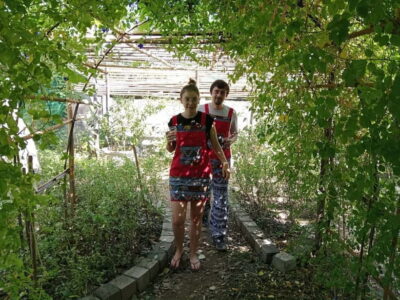
Cooking Class, Market & Thai Herbs Garden Tour
Read our review →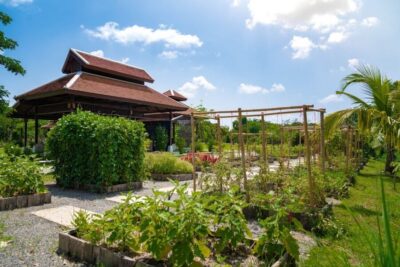
Authentic Cooking Class with Market & Farm Visit
Read our review →
Elephant Sanctuary Feeding Program Half-Day Tour
Read our review →Browse the lists this tour appears in