
Reviewed · CHIANG MAI TOURS
Chiang Mai: Evening Chanting & Meditation
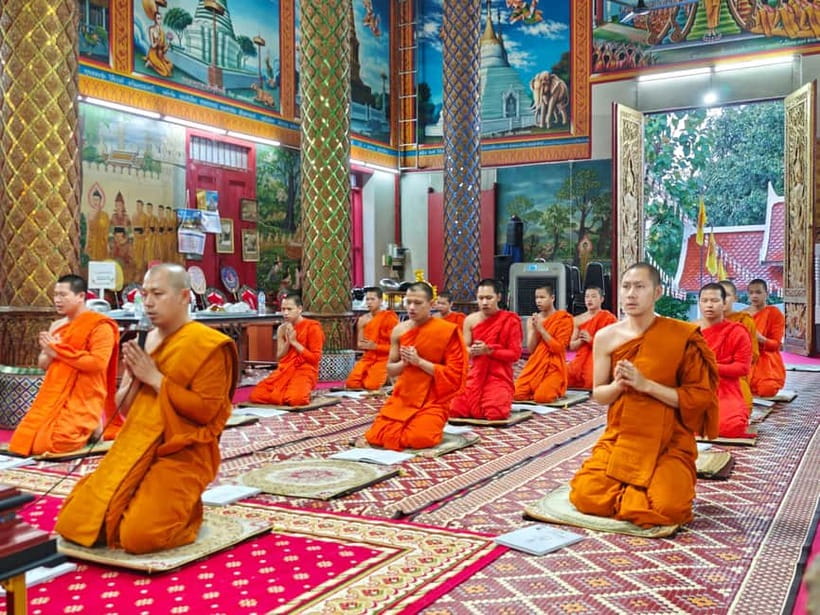
The most meaningful part of this Chiang Mai evening is that you do not simply look around a temple and snap photos. You sit with the monastic community, listen to the low, steady chant, and take part in a short meditation and Metta practice. Son, a former monk of 13 years, has guided many sessions, though guides may also include Earth, Big, or Paponsonkl.
I like the direct contact with Buddhist practice, especially the chance to ask monks about their daily lives after the formal session. I also like the modest price of $20, which buys a focused three-hour experience rather than another quick temple visit. The main consideration is that chanting is not presented in English, so you will need to appreciate its sound and rhythm even if you do not understand every word.
Key points before you book
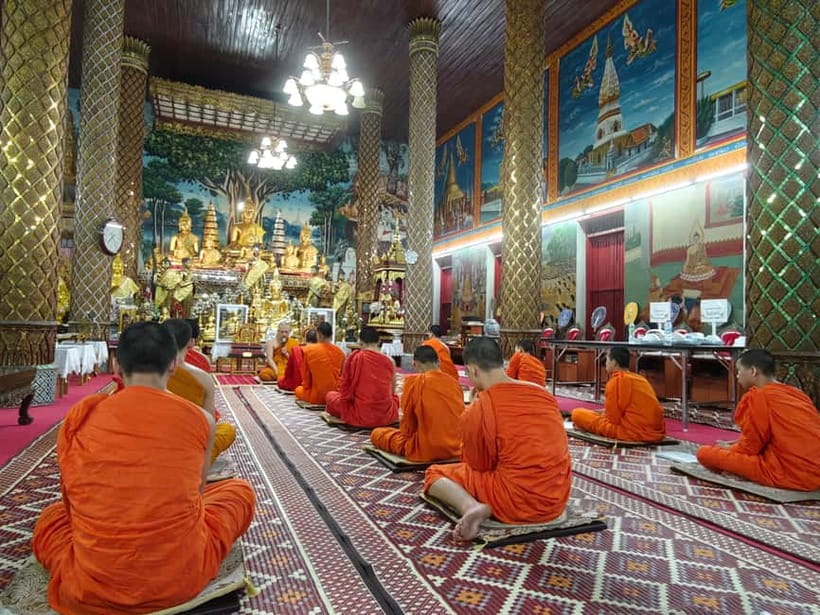
- Chanting lasts about 40 to 50 minutes: Expect a quiet, sustained ritual rather than a short demonstration.
- The meditation is brief but purposeful: A guide leads a 15-minute silent session after the chanting.
- Metta adds a personal touch: You extend wishes of well-being to loved ones, people who have died, and all living beings.
- Former monks explain the practice: Son and other guides draw on first-hand monastic experience to explain Buddhist ideas in plain English.
- Questions with monks are part of the value: Time after the formal practice may allow for discussion about Buddhism, temple life, and Thai culture.
- Temple manners matter: Dress modestly, arrive 15 minutes early, silence your phone, and do not use flash photography.
A quiet evening inside Chiang Mai temple life
Chiang Mai is full of temples, but many visits are brief daytime stops. You admire the rooflines, walk around the prayer hall, take a few pictures, and move on. This experience slows the pace right down.
The evening begins at the temple meeting point, where you have time to settle yourself before prayers start. The supplied information names Wat Chai Sri Phoom as the setting, while the meeting instructions say the guide waits in front of Wat Lok Moli. The itinerary also lists A Chef’s Tour Chiang Mai Food Tours as the start and end point. That is enough reason to check the exact meeting instructions carefully before setting off, since the location may change.
The point is not sightseeing in the usual sense. You are there to listen, sit, and take part respectfully. The evening atmosphere, gentle breeze, and quieter temple grounds help mark a clear break from the noise of the city.
I would arrive at least 15 minutes early. This gives you time to find the guide, put your phone away, and adjust to the setting without rushing into a prayer session. Bring water, but do not expect food or drinks to be included.
More evenings out in Chiang Mai:
- Chiang Mai: Doi Suthep and Wat Umong Enchanting Evening Tour
★ 4.6 · 1,811 reviews - Small-Group Chiang Mai Evening Street Food Tour
★ 4.5 · 826 reviews - Chiang Mai: Evening Cooking Class and Local Market Visit
★ 4.9 · 648 reviews
Listening to the monks chant for 40 to 50 minutes
The central part of the evening is the chanting. Resident monks recite sacred Buddhist texts in a steady, sonorous rhythm. The chant is not translated line by line, and one visitor specifically wished for an English version, so you should not book this expecting a spoken lesson during the ritual itself.
That does not make the session inaccessible. You can follow the sound, the pauses, and the shared rhythm of the room. The repeated voices create a calm setting, and closing your eyes may help you focus on the vibration rather than on the words you cannot understand.
Your guide explains what is happening and helps you approach the ritual properly. The experience is participatory, but it is not a performance staged for tourists. That distinction matters. The value comes from joining an existing evening practice with care, not from watching a polished cultural show.
The long sitting period may be a challenge if you have back problems. The activity is not suitable for people with back problems, children under 10, or wheelchair users. The information provided does not specify the exact seating arrangement, so anyone concerned about sitting comfortably should ask before booking.
A 15-minute meditation that keeps things simple
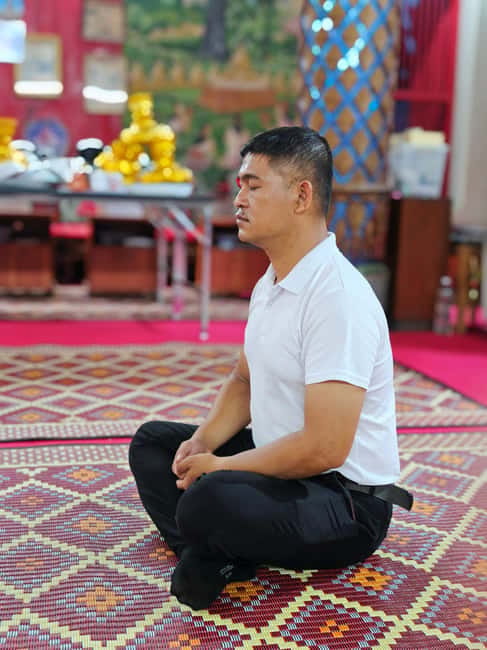
After the chanting, the group moves into a guided meditation lasting about 15 minutes. This is short enough for beginners and long enough to give you a real pause from the day.
The guide helps you quiet your attention and settle into silence. You should not expect an advanced meditation course or a long retreat-style session. Instead, the practice offers a clear introduction to sitting still, following guidance, and noticing the mind without chasing every thought.
I like this structure. The chanting first gives you something external to hear. The meditation then turns your attention inward. For someone new to Buddhist practice, that order makes the evening easier to follow than being asked to sit in silence right away.
Still, meditation works differently for everyone. You may find the temple setting calming, or you may spend much of the 15 minutes noticing an uncomfortable back, a restless mind, or unfamiliar surroundings. The short duration keeps this from becoming a major problem, but a little patience helps.
Practicing Metta for loved ones and all beings
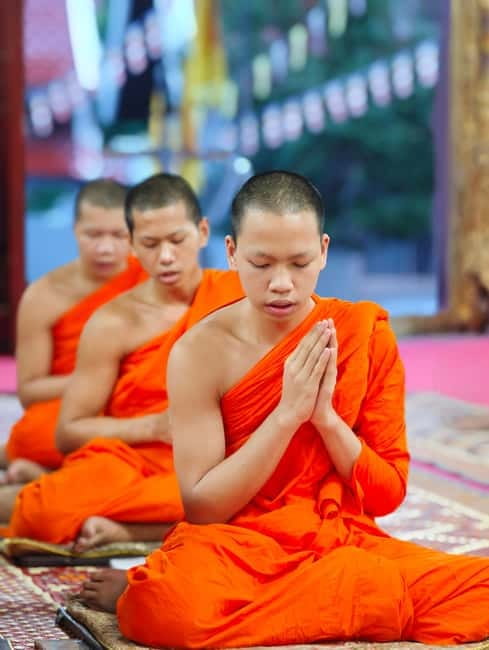
The Metta practice is one of the most personal parts of the evening. Metta is a practice of extending goodwill and wishes for well-being. During the session, you direct those wishes toward loved ones, people who have passed away, and all beings.
This gives the meditation a clear emotional focus. Instead of trying to empty your mind completely, you work with compassion and kind intention. You can think of it as a simple practice of widening your concern beyond yourself.
The guide explains the idea in a way that connects Buddhist teaching with ordinary life. That practical link is important. You are not only hearing a term from Buddhist philosophy, you are being shown how the practice can shape the way you think about other people.
The tone is reflective rather than dramatic. Do not expect a staged blessing or a grand spiritual climax. Some sessions may include a short blessing from the monks, as one visitor experienced, but the supplied details do not promise this every time.
A few more Chiang Mai half-days worth weighing up
- Half-Day Thai Cooking Class at Organic Farm in Chiang Mai
★ 5.0 · 19,087 reviews - Chiang Mai: Elephant Sanctuary, Waterfall & Bamboo Rafting
★ 4.9 · 9,160 reviews - Chiang Mai: Doi Inthanon National Park Eco-Friendly Tour
★ 4.6 · 6,667 reviews - Chiang Mai: Elephant Sanctuary & Waterfall Group Tour
★ 4.9 · 5,780 reviews
Learning from former monks and senior practitioners
The quality of the explanation depends heavily on the guide, and the named guides bring unusual first-hand experience. Son is described as a former monk who spent 13 years in the monastic life. Paponsonkl is also described as a former monk, while Earth and Big have guided other sessions.
That background gives the discussion a useful angle. A guide who has lived as a monk can explain more than basic temple etiquette. You can ask about daily monastic life, Buddhist ideas, meditation, chanting, and how these practices relate to Thai culture.
Several sessions have included long conversations after the meditation. One evening extended into about two and a half hours of talking and listening, which suggests that the exact balance can vary. The advertised duration is three hours, but the formal chanting and meditation take less time than that. The remaining time may be used for explanations, questions, and conversation with monks and lay practitioners.
This is a good fit for curious people who want context, not only ceremony. You do not need a background in Buddhism. The guides are described as speaking English and Thai, and the strongest part of their role is making unfamiliar ideas easier to understand.
You should also allow for some variation. The guide may be Son, Earth, Big, Paponsonkl, or another member of the team. The experience can therefore feel slightly different from one date to another. The common thread is the evening practice, the meditation, and the chance to speak with people connected to the temple.
Why the $20 price can be good value
At $20 per person, this is a reasonably priced way to spend an evening in Chiang Mai. Transportation, meals, drinks, and personal expenses are not included, so the final cost is higher if you need to arrange transport to and from the temple.
The value comes from access and interpretation. You could visit a temple on your own for little or no cost, but you would not necessarily know what the chanting means, how to behave during the ritual, or how Metta fits into Buddhist practice. You would also miss the guided meditation and the organized opportunity to ask monks questions.
For me, the price makes the most sense if you are genuinely interested in Buddhism, meditation, Thai culture, or quieter forms of travel. If you only have a casual interest in temples and prefer an active evening, three hours of sitting and listening may feel slow.
The activity includes the guided meditation, chanting with monks, and explanations of Buddhist philosophy and practice. It does not include a meal, which is worth noting if you are planning your evening around dinner. Eat beforehand or arrange food after the session, but do not bring the expectation of a temple meal.
Temple etiquette and practical preparation
Dress modestly. This means clothing that respects the temple setting, with shoulders and knees covered being the safest choice. Comfortable clothes are also useful because you will sit during chanting and meditation.
Silence your mobile phone before the session begins. Smoking and flash photography are not allowed. Even if photography is permitted in parts of the temple, the prayer session is not the time to use a camera.
Bring water, but keep it discreet and tidy. Arrive early enough to meet the guide without disturbing the group. Since the meeting point may change, confirm the location before you leave your hotel or previous activity.
The activity is not suitable for children under 10, people with back problems, or wheelchair users. The provided information does not describe alternative seating or step-free access, so contact the operator if mobility is a concern rather than assuming the temple can accommodate you.
Free cancellation is available up to 24 hours before the experience for a full refund. You can also reserve now and pay later, which helps if your Chiang Mai plans are still shifting. Starting times depend on availability.
What the evening feels like for different kinds of visitors
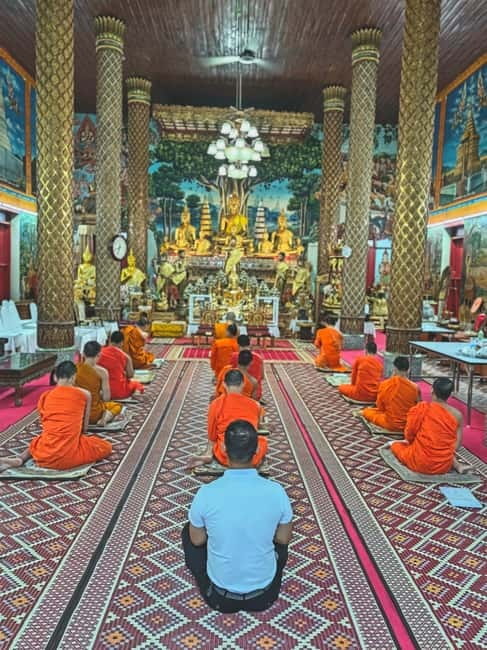
If you are new to meditation, this is a friendly starting point. The session is short, the guide explains the basic ideas, and you can ask questions instead of trying to interpret every part alone.
If you already meditate, you may appreciate the setting and the chance to hear chanting as part of a living religious practice. The 15-minute meditation itself is not advanced, so experienced practitioners should book for the temple contact and Buddhist discussion rather than for technical instruction.
If you are mainly interested in photography, this is probably not the best choice. Flash photography is prohibited, and the emphasis is on quiet participation. The strongest memories are likely to come from the sound of the chant and the conversation afterward, not from a collection of temple images.
If you are traveling with young children, note the age restriction. The activity is not suitable for children under 10, and the long period of sitting may not suit restless participants even above that age.
If you want a night market, food stop, or moving tour, choose another activity. This evening asks you to slow down. That is its strength, but it also defines its limits.
The most praised part: guides who make Buddhism approachable
The repeated strength of this experience is the guide. Son receives especially warm attention for his clear English, kindness, and personal history as a monk. He explains Buddhist philosophy without making it feel like a lecture, and he answers questions about both formal teachings and everyday life.
That personal connection matters because chanting can seem mysterious from the outside. A good explanation gives you a way to understand why the monks chant, how meditation fits into Buddhist life, and why Metta is practiced.
Other guides receive praise for patience and clarity too. Earth is described as making the experience easy to follow, and Big is noted for patience and generosity. The guide names and assignments can change, but the former monk background is a useful feature to look for when selecting a date.
The monks also remain available for questions in many sessions. You may be able to ask about their routines, Buddhist philosophy, Thai culture, or the meaning of the practices you have just joined. Keep your questions respectful and understand that the amount of discussion can depend on the evening.
Should you book Chiang Mai Evening Chanting and Meditation?
Book it if you want a quiet, respectful introduction to Buddhist practice and value conversation more than sightseeing. The combination of 40 to 50 minutes of chanting, a 15-minute meditation, Metta, and time with former monks gives the evening more substance than a standard temple visit.
I would especially recommend it to solo visitors, couples, and small groups who are curious about how Buddhism is practiced in daily life. The $20 cost is fair for the guided access and interpretation, provided you are comfortable arranging your own transport and spending much of the evening seated.
Skip it if you need an active itinerary, have significant back or mobility concerns, or want every part of the ceremony translated into English. Also confirm the meeting point, since the instructions refer to Wat Lok Moli, Wat Chai Sri Phoom, and A Chef’s Tour Chiang Mai Food Tours.
For the right person, this is a gentle way to leave the day behind. You listen, sit quietly, wish others well, and have the chance to ask honest questions. That is a simple evening, but in Chiang Mai it can be a memorable one.
FAQ
Where does the experience take place?
The experience is associated with Wat Chai Sri Phoom in Chiang Mai Province. The meeting instructions say the guide waits in front of Wat Lok Moli, while the itinerary lists A Chef’s Tour Chiang Mai Food Tours as the starting and ending point. The location may change, so confirm the current meeting instructions before arrival.
How long does the activity last?
The advertised duration is three hours. The chanting usually lasts about 40 to 50 minutes, followed by a 15-minute guided meditation and time for explanations, questions, and conversation.
How much does it cost?
The price is $20 per person.
Is transportation included?
No. Transportation to and from Wat Chai Sri Phoom is not included.
Are meals and drinks included?
No. Meals and beverages are not included. You should plan your food separately.
What languages are available?
The live guide speaks English and Thai.
Do I need meditation experience?
No meditation experience is stated as a requirement. The session includes a guided 15-minute meditation, making it suitable for people who want an introduction to the practice.
What should I wear?
Wear comfortable clothes and dress modestly to respect the temple’s traditions.
Can I take photographs?
Flash photography is not allowed. You should also silence your mobile device before the session begins.
Who should not book this activity?
The activity is not suitable for children under 10, people with back problems, or wheelchair users.
Just added around Chiang Mai
- Taste of Chiang Mai: Michelin Guide & Street Food Tour★ 4.9 · 159 reviews
- Red, Blue, White Temples & Hot Spring Trip from Chiang Mai★ 4.4 · 143 reviews
- From Chiang Mai: Mae Taeng Valley and Waterfalls Cycle Tour★ 4.9 · 159 reviews
- Long Neck Village, Silver Temple & Chiang Mai Top Sites★ 4.7 · 17 reviews
- Chiang Mai: Local Northern Thai Cooking Class at Grandma’s★ 5.0 · 33 reviews
- Chiang Mai: Khum Khantoke Northern Thai Cuisine and Show★ 4.3 · 38 reviews
- Private : Sticky Waterfall & Secret Temple & Karen Village.★ 5.0 · 9 reviews
- Half-day with CHIANGMAI ELEPHANT CARE program (12pm-6pm.)★ 5.0 · 27 reviews
Chiang Mai Tours, compared.
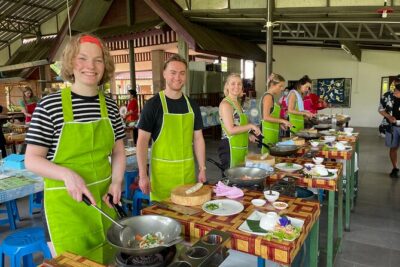
Half-Day Thai Cooking Class at Organic Farm in Chiang Mai
Read our review →
Elephant Sanctuary, Waterfall & Bamboo Rafting
Read our review →

Chiang Rai Temples, Karen Tribe and Hot Springs
Read our review →
Cooking Class, Market & Thai Herbs Garden Tour
Read our review →
Authentic Cooking Class with Market & Farm Visit
Read our review →
Elephant Sanctuary Feeding Program Half-Day Tour
Read our review →Browse the lists this tour appears in