
Reviewed · CHIANG MAI TOURS
Guided Chiang Mai City Night Tour by EV Tram
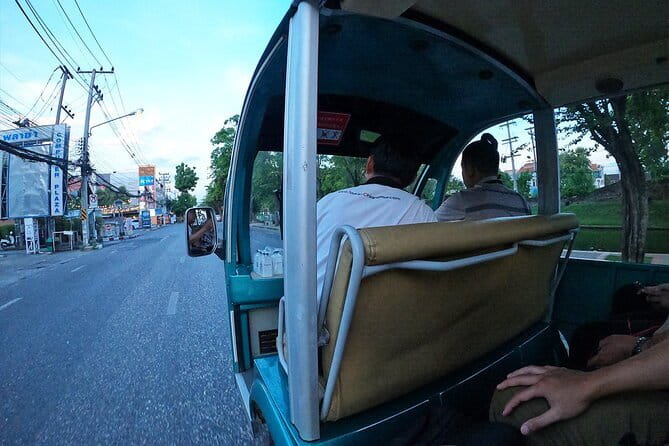
Chiang Mai feels different after sunset, and this quiet EV tram lets you notice that change without the racket of a standard motor tour. From Three Kings Monument, you roll through the old city and nearby neighborhoods, stopping at temples, gates, markets, and a street-food area while a local English-speaking guide explains what you are seeing.
I like the gentle pace and the small maximum group of 12 people, which should make it easier to hear the guide and ask questions. I also like the mix of major sights and everyday places, especially Warorot Market and Chiang Mai Gate Night Market. The main drawback is time: the advertised duration is about two hours, yet the route includes many stops and one review describes the outing as closer to two and a half hours. Expect a compact overview, not a thorough visit inside every temple.
Key points at a glance
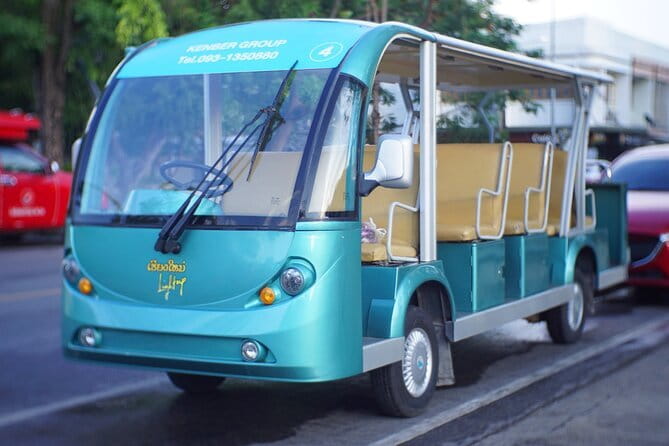
- Quiet electric transport: The EV tram reduces road noise and lets you see the old city without sitting in a sealed vehicle.
- A useful first look at Chiang Mai: The route connects the city pillar, old gates, Lanna temples, Shan and Burmese influences, markets, and street food.
- Small group format: The maximum group size is 12, a good setup for questions and a more personal guide experience.
- Food is part of the plan: Snacks, drinks, bottled water, and some food at Chiang Mai Gate Night Market are included, but extra dishes and drinks cost more.
- Simple central meeting point: Start at Three Kings Monument at 6pm and return there at the end.
- Good value for an orientation tour: At $27.43 per person, the price covers the tram, guide, entry fees listed for the tour, refreshments, and accident insurance.
Why Chiang Mai works better after dark
The best feature here is not a single monument. It is the way the evening route links different parts of Chiang Mai into one readable story.
You begin with the old city’s political and religious center, move through temple districts, pass historic gates, see local shopping areas, and finish with food. The tram keeps the pace calm. You can look left and right without worrying about traffic, and the lower noise level suits temple visits far better than a loud bus or tuk-tuk convoy.
I see this as an orientation tour first and a sightseeing tour second. You will not get long, detailed visits at every stop. Instead, you get enough context to understand why Chiang Mai looks the way it does and where you may want to return during the rest of your stay.
The city’s story is also broader than a simple list of old temples. The route brings in Lanna traditions, Burmese-Shan design, Buddhist beliefs, markets, public festivals, and ordinary commerce. That range is useful because it connects architecture with present-day life.
More evenings out in Chiang Mai:
- Chiang Mai: Doi Suthep and Wat Umong Enchanting Evening Tour
★ 4.6 · 1,811 reviews - Small-Group Chiang Mai Evening Street Food Tour
★ 4.5 · 826 reviews - Chiang Mai: Evening Cooking Class and Local Market Visit
★ 4.9 · 648 reviews
Meeting at Three Kings Monument at 6pm
The tour begins at Three Kings Monument on Prapokklao Road in the Si Phum area of Chiang Mai. This is a practical starting point in the old city, and the evening time avoids the heat of the day.
Your first short walk takes you toward Wat Inthakin Sadeu Muang. This area is tied to the city pillar, called Inthakin, which is said to have been placed here in 1296 by King Mangrai. The guide uses the monument and nearby temple as a quick introduction to Chiang Mai’s founding story.
That opening matters. Without it, the old city can look like a pleasant collection of temples and walls. With it, the walls, gates, and central shrines begin to make sense as parts of a planned Lanna capital.
After about 15 minutes, you board the EV tram. Wear sensible shoes and smart-casual clothing. The route includes short walks and temple visits, so bare beachwear would be out of place even though the evening itself is relaxed.
Wat Chiang Man and the city’s oldest temple traditions
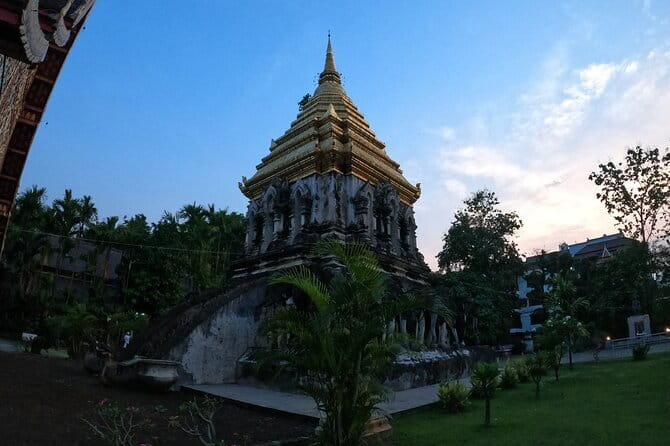
Wat Chiang Man is the first major temple stop. It is known as Chiang Mai’s oldest temple and for its Lanna-style chedi, supported by rows of elephant-shaped buttresses.
The planned stop is only about five minutes, so keep your expectations in check. This is a quick look and an explanation, not a long period for quiet study or extensive photography. Still, it gives you a useful early example of the northern Thai style that appears in other temples later in the evening.
The elephant forms are especially helpful for first-time visitors. They are easy to spot, and the guide can connect the temple’s design with the symbolic and artistic traditions of the region.
Wat Lok Molee brings a different look
Wat Lok Molee receives about 20 minutes, making it one of the longer temple stops. It sits outside the old city walls and is noted for its wooden buildings and terracotta sculptures.
The temple is thought to have been founded in the 14th century for monks from Burma. That detail gives the evening route more range. Chiang Mai’s religious architecture is not one uniform style, and this stop shows how movement across the region shaped the city.
I would use this as a photography stop and a chance to slow down. The wooden complex and terracotta work should appeal to you if you prefer texture and smaller decorative details over one huge monument. The tour does not promise a full ritual or extended temple visit, so the guide’s explanation will be central to what you take away.
A few more Chiang Mai half-days worth weighing up
- Half-Day Thai Cooking Class at Organic Farm in Chiang Mai
★ 5.0 · 19,087 reviews - Chiang Mai: Elephant Sanctuary, Waterfall & Bamboo Rafting
★ 4.9 · 9,160 reviews - Chiang Mai: Doi Inthanon National Park Eco-Friendly Tour
★ 4.6 · 6,667 reviews - Chiang Mai: Elephant Sanctuary & Waterfall Group Tour
★ 4.9 · 5,780 reviews
Chang Puek Gate and the city after work
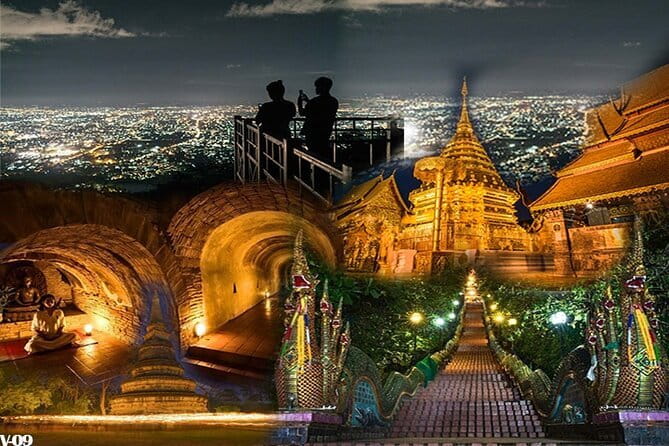
The tram continues toward Chang Puek Gate, the northern entrance to the old city. The area includes remnants of the city wall and a night market known for street food.
This is one of the tour’s useful shifts in mood. You move from formal temple grounds into a place where local eating and evening commerce take over. The route description does not assign a separate timed stop here, so think of Chang Puek as part of the moving city experience rather than a long market visit.
If you are comparing this with a tour that only visits famous monuments, this section gives the EV tram an advantage. You see how the old city functions at night, not just how it looks in photographs.
Wat Pa Pao and Wat Nong Kham
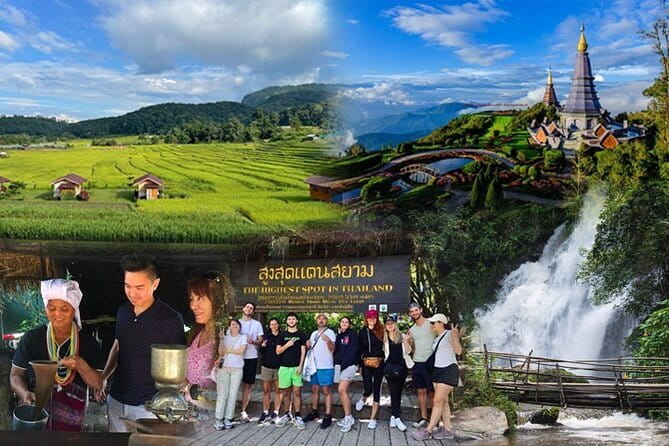
Wat Pa Pao is identified as the first temple of the Ngiaw, or Tai Yai, community in Chiang Mai. The planned visit lasts about 15 minutes.
This stop is valuable because it points to the city’s cultural connections with communities beyond central Thailand. The wording may appear as Ngiaw or Tai Yai, but the key point is the same: Chiang Mai’s religious life has been shaped by several regional groups.
Wat Nong Kham adds Burmese-Shan temple design to the route. The available details do not give a separate timed visit, so the guide may explain it as the tram passes or during a brief stop. You should treat this as a compact introduction rather than an architectural lecture.
Together, these two temples make the tour more than a standard old-city circuit. They show that local identity includes outside influences, migration, and shared Buddhist traditions.
Warorot Market shows everyday Chiang Mai
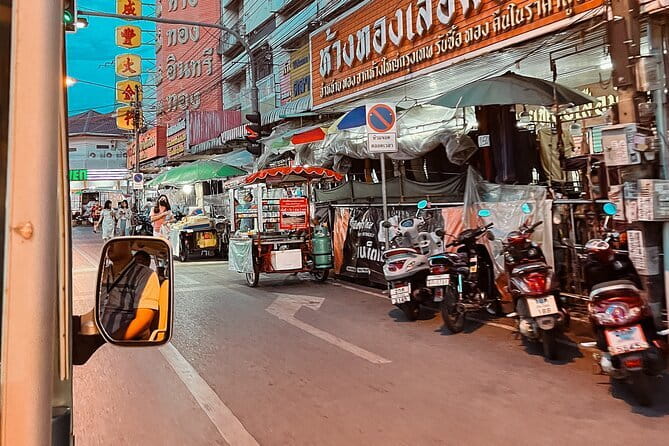
Warorot Market is Chiang Mai’s largest local fresh market, with food and other products sold to local people. It is a different experience from a temple courtyard: practical, busy, and tied to daily shopping.
The route gives you a chance to look around, but it does not promise a full guided market-food tour here. I would use the stop to notice the kinds of goods being sold and how the market differs from a night market aimed mainly at visitors.
This is also a good place to remember that a two-hour tour can only offer a sample. If you want extended time for shopping, tasting, or photography, plan to return on your own. The EV tram tour gives you the introduction and location, not hours to browse every aisle.
Tha Phae Gate and public life
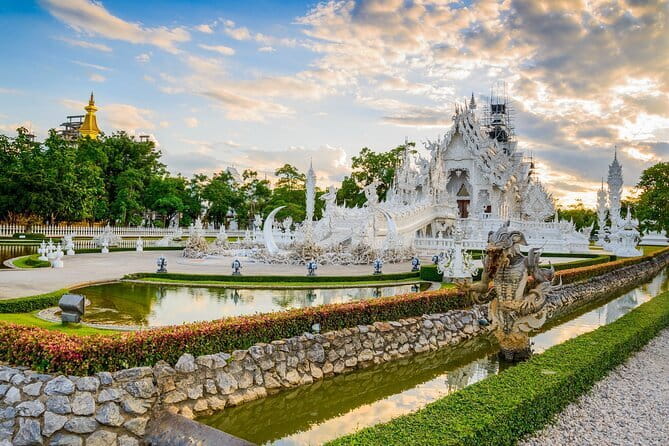
Tha Phae Gate is described as a main center for public activities and festivals in Chiang Mai. The gate helps connect the city’s old defensive structure with its modern public life.
You may find the stop most useful if you are interested in how historic spaces remain active. Gates are not only old walls preserved for sightseeing. They are meeting points, event areas, and useful markers for understanding the layout of the city.
Like Chang Puek Gate, Tha Phae is part of the wider route rather than a clearly timed standalone visit. The guide’s comments help supply the context, while the tram keeps the group moving toward the evening’s food stop.
Chiang Mai Gate Night Market and included food
The main food stop is Chiang Mai Gate Night Market, with about 25 minutes set aside. A local foodie accompanies this portion, and some snacks and drinks are included.
The tour also provides bottled water. Extra food and drinks are not included, and alcohol is specifically excluded, so bring some spending money if you want to try more than the included items.
Twenty-five minutes is enough for a taste and a look around, but it is not a full dinner crawl. I like that the food stop is built into the tour because it gives you a practical introduction to Chiang Mai’s evening eating scene. Still, you should not book this expecting a large meal or unlimited samples.
This is where the tour feels most connected to ordinary city life. You are not only looking at old buildings. You are seeing how the evening is spent around food stalls and public markets. If you are cautious about choosing street food on your own, having a local guide point out the stop can also make the first encounter easier.
Wat Chedi Luang closes the temple circuit
Wat Chedi Luang is one of the route’s headline sights. The temple is associated with Chiang Mai’s largest stupa and with the city pillar and Buddhist scriptures.
The planned stop is about 10 minutes. That is enough to admire the scale and hear the main points, but not enough for a slow architectural study. The old stupa is the sort of sight that benefits from stepping back and looking at the whole structure, so do not spend every second taking close-up photographs.
The temple also gives the route a strong final monument. After seeing smaller wooden and terracotta details at Wat Lok Molee, you finish with a large historic structure connected to the city’s religious center.
The route also passes or visits Wat Phra Singh, noted for its beautiful northern-style architecture and chapel. No separate duration is provided, so the exact amount of time here may be limited. If Wat Phra Singh is high on your list, plan an additional visit during daylight or another evening.
What the $27.43 price really covers
At $27.43 per person, I consider this fairly priced for a two-hour small-group orientation, provided you value the guide and the transport more than long temple visits.
The price includes:
- EV tram transportation during the tour
- A professional English-speaking guide
- Admission fees listed for the route
- Some snacks and drinks during the food portion
- Bottled water
- Travel accident insurance
The group limit of 12 improves the value. A guide can explain more clearly to a small group, and you have a better chance to ask a question than on a large coach tour.
The price does not include extra food, drinks, alcohol, souvenirs, personal costs, or hotel transport. Optional pick-up and drop-off within five kilometers of the city center costs THB 500 per way per group. Since the meeting point is central, I would usually meet at Three Kings Monument unless carrying luggage or staying somewhere inconvenient.
Timing, pace, and practical limits
The activity starts at 6pm and returns to Three Kings Monument. The stated duration is approximately two hours, while one account describes the experience as lasting about two and a half hours. Allow a little flexibility rather than booking something immediately afterward.
The route contains several short stops, so the pace is not physically demanding, but you will get on and off the tram and walk around temple grounds. Most people can take part, according to the tour information, yet comfortable shoes remain sensible.
A minimum of two adults is required per booking. The child rate applies only when a child shares with two paying adults. Group discounts are available, though the exact discount is not specified.
The tour offers free cancellation up to 24 hours before the start time. Changes or cancellations inside that period are not accepted for a refund, and cut-off times use Chiang Mai local time.
Who should book this Chiang Mai night tour?
I would book this for a first evening in Chiang Mai, especially if you want a clear introduction before exploring alone. The route gives you several useful landmarks, two market areas, temple context, and a taste of local food without making you plan every turn.
It also suits you if road noise bothers you or if you prefer an easy ride with short walks. Families may appreciate the simple format, provided they meet the child-rate and two-adult rules.
I would choose something else if your priority is detailed temple photography, a long dinner, extensive shopping, or a private guide. The many stops mean that some places receive only a brief look. This is an overview with food, not a full cultural study of every temple.
Should you book it?
Book this EV tram tour if you want a calm, well-organized first look at Chiang Mai after dark. The strongest reasons are the small group, low-noise transport, English-speaking guide, mix of temple traditions, and included food stop.
Skip it if you already know the old city well or want to spend an entire evening at one market. For most first-time visitors, though, $27.43 buys a useful map in your head, a few good temple references, and a gentle introduction to how Chiang Mai looks and eats after sunset.
FAQ
Where does the tour start?
It starts at Three Kings Monument on Prapokklao Road in Si Phum, Chiang Mai.
What time does the tour begin?
The start time is 6pm.
Where does the tour end?
The activity ends back at the meeting point at Three Kings Monument.
How long does the tour last?
The listed duration is approximately two hours. One account describes the experience as lasting about two and a half hours, so allow extra time.
What type of transport is used?
The tour uses an electric vehicle tram throughout the trip.
How large is the group?
The maximum group size is 12 people.
Is an English-speaking guide included?
Yes. A professional English-speaking guide is included.
Is food included?
Some snacks and drinks are included during the food portion at Chiang Mai Gate Night Market. Extra food and drinks are not included.
Is hotel pick-up included?
No. Pick-up and drop-off are optional and cost THB 500 per way per group for locations within five kilometers of the city center.
Can I cancel for a refund?
Yes. You can cancel up to 24 hours before the experience start time for a full refund. Cancellations or changes made less than 24 hours before the start are not accepted for a refund.
Just added around Chiang Mai
- Walk With Monks Collecting Alms(meeting point maybe change)★ 4.9 · 8 reviews
- Wat Phra That Doi Suthep & Wat Pha lat Evening Tour & Guide★ 4.5 · 89 reviews
- Chiang Mai: Doi Inthanon Park Day Trip with Kiw Mae Pan Hike★ 4.6 · 75 reviews
- Chiang Mai Zipline White Water Rafting and Elephant Sanctuary★ 4.0 · 11 reviews
- Zipline+Sticky waterfall+Long Neck Village Private Tour★ 5.0 · 22 reviews
- Chiang Mai Airport Private Transfer – Hotel or Airport★ 4.5 · 51 reviews
- Trek to a Jungle Waterfall★ 5.0 · 14 reviews
- Zipline Adventure at Skyline Jungle Luge Chiang Mai★ 5.0 · 102 reviews
Chiang Mai Tours, compared.
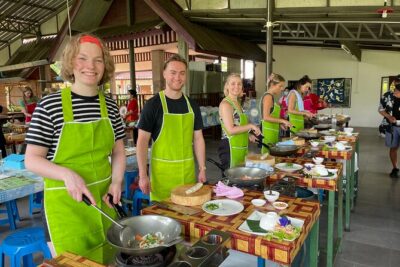
Half-Day Thai Cooking Class at Organic Farm in Chiang Mai
Read our review →
Elephant Sanctuary, Waterfall & Bamboo Rafting
Read our review →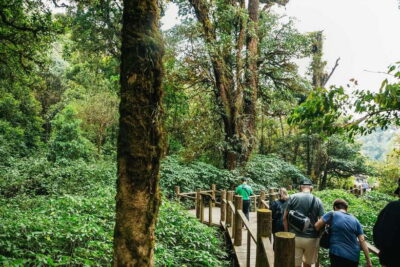
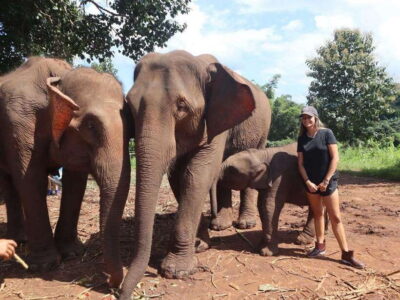

Chiang Rai Temples, Karen Tribe and Hot Springs
Read our review →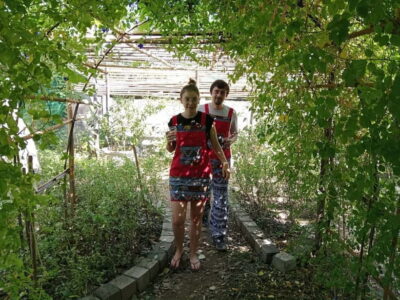
Cooking Class, Market & Thai Herbs Garden Tour
Read our review →
Authentic Cooking Class with Market & Farm Visit
Read our review →
Elephant Sanctuary Feeding Program Half-Day Tour
Read our review →Browse the lists this tour appears in