
Reviewed · CHIANG MAI TOURS
Chiang Mai: Food Tour by Songtheaw Truck with 15+ Tastings
Chiang Mai’s best food often sits away from the famous restaurant names, and this four-hour tour takes you straight to those local tables. You’ll ride between five food stops and a market in a red songthaew, tasting more than 15 Northern Thai dishes along the way.
I like the serious range of food and the way guides such as Moui, Aim, and Noi connect each dish to Northern Thai culture. I also like the small group limit of eight, which makes it easier to ask questions and share plates. The main drawback is simple: this tour is not suitable for vegetarians, vegans, people with nut allergies, or anyone with serious food allergies.
Key points at a glance
- More than 15 tastings: Expect generous portions of dishes, snacks, desserts, and market foods rather than tiny samples.
- Five local food stops: The route favors family-run and little-known places that are difficult to find without local help.
- A red songthaew ride: The truck cuts down on long walks and links food stops across Chiang Mai.
- Northern Thai focus: Learn about Shan influences, fermented ingredients, local spices, and the food traditions of the north.
- A market finish: The final stop adds fresh snacks, fruit, sweets, tea, and a look at everyday buying and eating habits.
- Come very hungry: Several people finish completely full, so a light breakfast, or no breakfast, is sensible.
Why this tour works for food lovers
This is not a quick circuit of Chiang Mai’s best-known dishes. It is a guided eating lesson, with the food doing most of the teaching.
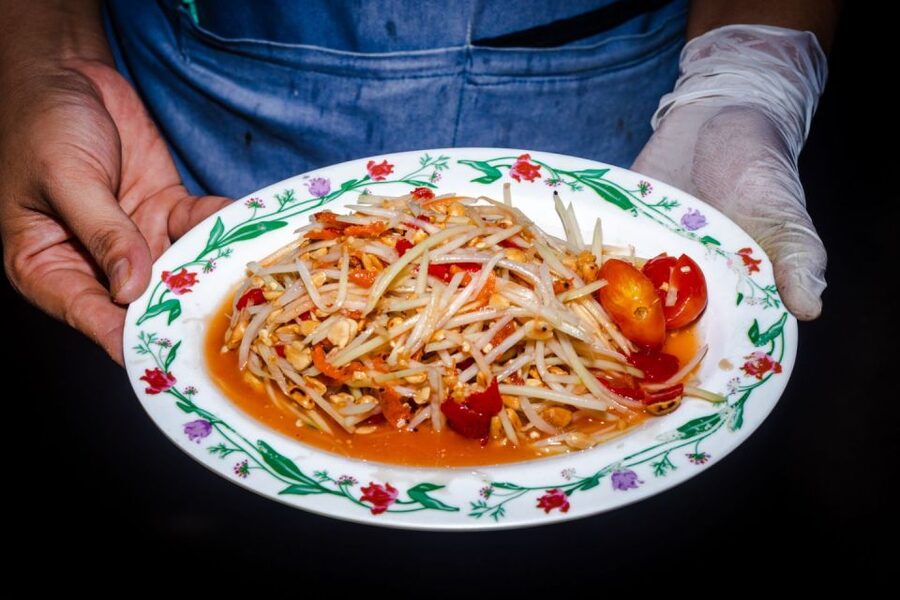
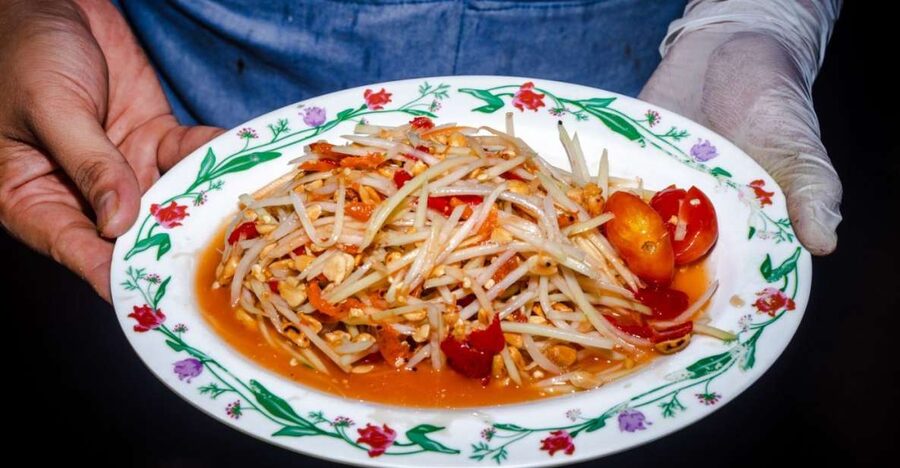
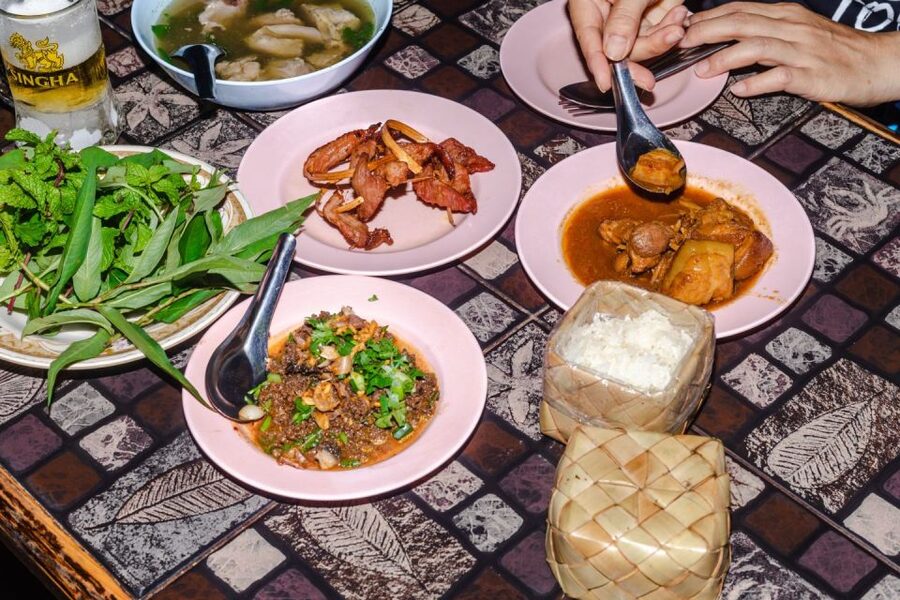
Northern Thai cooking has its own character. You’ll encounter fermented pork, sai oua sausage, larb, curry soups, crispy pork, sticky rice, tea leaf salad, unusual snacks, and desserts. Some tastings may be adventurous, including silkworm larvae, crickets, coagulated chicken blood, or water buffalo. The point is not to shock you. It is to show how broad the local food culture can be.
Your guide explains the ingredients before you eat. Guides have brought spice blends to smell, dried fermented soybean paste to examine, and background on how dishes developed through contact with neighboring regions and communities. That extra context turns a plate of food into a useful lesson in Northern Thailand.
I especially like that the guides explain the food in relation to people and place. You may learn about the origins of a dish, the restaurant owner who prepares it, or why an ingredient matters in local cooking. That gives you a better chance of ordering well after the tour ends.
More Food Tours in Chiang Mai
- Small-Group Chiang Mai Evening Street Food Tour
★ 4.5 · 826 reviews - Chiang Mai: Evening Local Street Food Market Tour
★ 4.8 · 604 reviews - Northern Flavours Chiang Mai Food Tour with 15+ Tastings
★ 5.0 · 513 reviews
Meeting at Wat Lok Molee
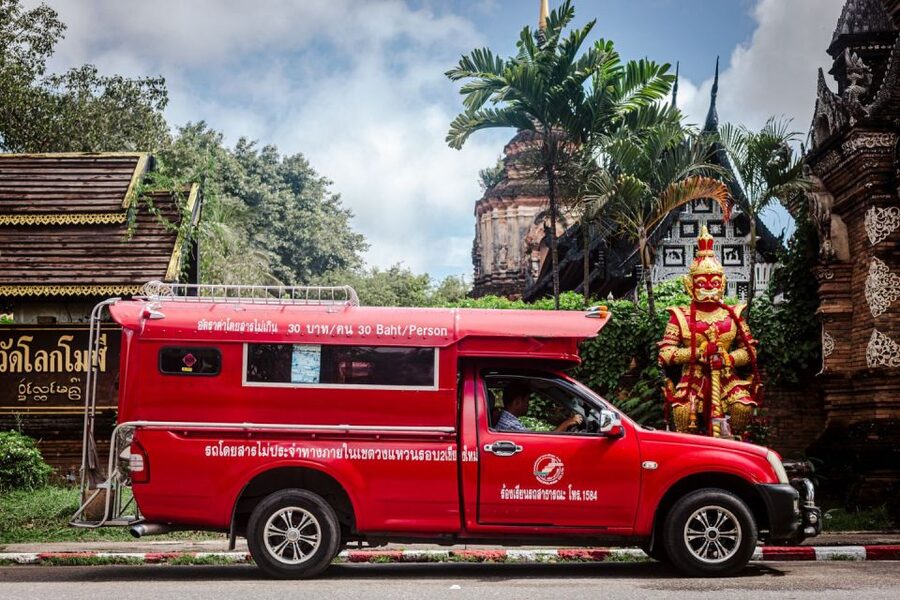
The tour begins at Wat Lok Molee, a well-known temple not far from central Chiang Mai. Enter the temple grounds, turn left, and look for your guide under the large decorated tree beside the four-headed statue.
Give yourself extra time to get there. The meeting point is specific, but it is not a hotel pickup, and a late arrival could be awkward once the truck leaves. If you use a taxi, give the driver the Thai address: วัดโลกโมฬี ถนน มณีนพรัตน์.
The temple setting is a good starting point. You are not meeting at a generic shopping center or hotel lobby. You begin beside one of Chiang Mai’s cultural landmarks, then move from temple grounds into the city’s everyday food life.
The songthaew makes the route practical
The red songthaew, also called a rod deang, is more than a fun way to get around. It allows the guide to connect several food areas without asking you to walk long distances in the heat.
The group is limited to eight people, and the truck is used for transport between stops. You will still walk through a market, so comfortable shoes matter. An umbrella is also useful because the tour runs in rain or shine.
This setup suits you if you want to see several parts of Chiang Mai but would rather not spend four hours walking from one meal to the next. One person with mobility issues found the tour manageable because there was plenty of sitting and shade. Still, this is not a formal promise of step-free access, so ask the operator if you need specific assistance.
The transport has a 95 percent perfect-score rate, which fits the design of the tour. You spend your energy eating and listening, not figuring out how to reach the next stop.
Five food stops beyond the tourist circuit
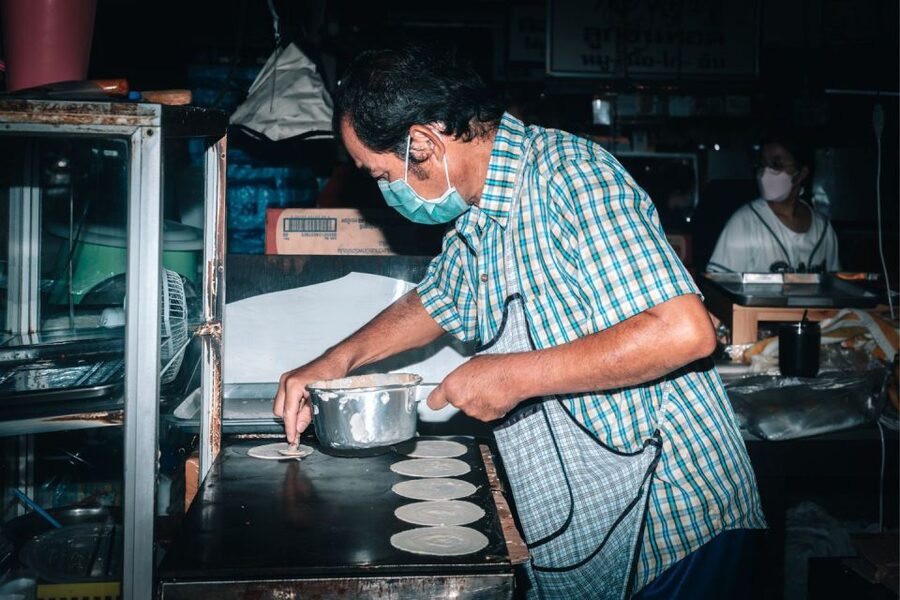
The exact dishes can vary, but the structure is clear: several local eateries followed by a market visit. Portions are served family-style in many places, so everyone can try a broad selection.
One stop may feature crispy pork belly cooked in a clay pot or deep pot. This is the sort of dish that sounds familiar until you taste the local version, with crisp skin, rich meat, and a cooking method worth hearing about. Crispy pork and grilled chicken are recurring favorites, but they arrive as part of a much wider meal.
Another stop may bring sai oua, the famous Northern Thai sausage. The sausage is packed with herbs and spices, with lemongrass among the flavors highlighted on the tour. It is a useful introduction to the north’s love of aromatic, boldly seasoned food.
Khao soi can also appear, giving you a chance to compare the dish you may have already seen around Chiang Mai with other northern specialties. The tour does not treat khao soi as the whole story. It places the curry noodle dish beside less familiar food, including Shan specialties and zingy larb salad.
At other stops, you might try fermented pork, vegetable dishes, curry soups, tea leaf salad, or food made with ingredients that rarely appear on standard tourist menus. One menu included water buffalo, while other tastings included silkworm and cricket. If you are open to trying unfamiliar food, this is where the tour earns much of its value.
The portions are not symbolic. Several diners describe eating until they could not manage another bite. That is good news for value, but it also means pacing matters. Take a small portion first, ask questions, and leave room for the next stop.
More street food walks in Chiang Mai:
- The 10 Tastings of Chiang Mai With Locals: Private Street Food Tour
★ 5.0 · 216 reviews - Taste of Chiang Mai: Michelin Guide & Street Food Tour
★ 4.9 · 159 reviews - Chiang Mai: Temples and Street Food Night Tour by Tuk Tuk
★ 4.3 · 81 reviews - Chiang Mai: Walking Food Tour
★ 4.8 · 15 reviews
The market adds the daily-life lesson
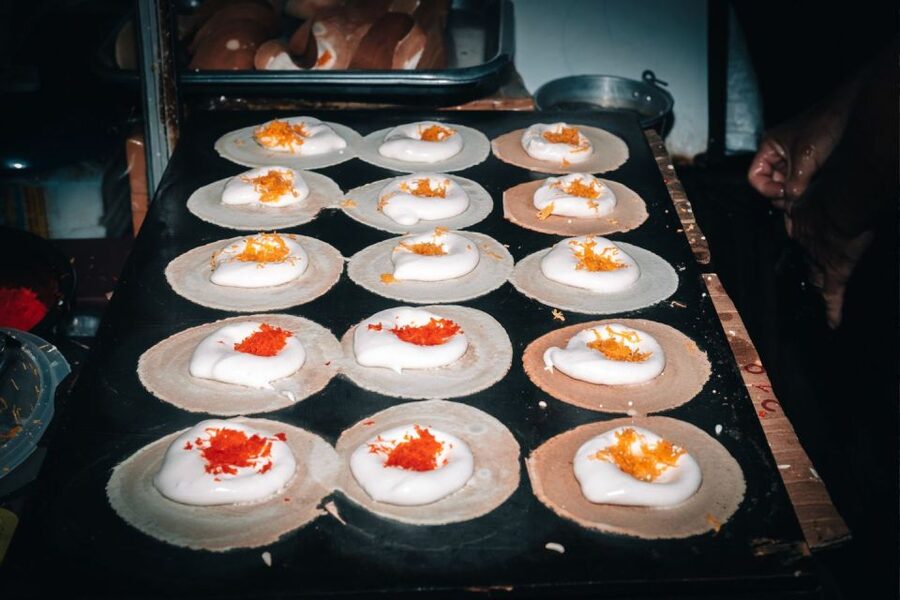
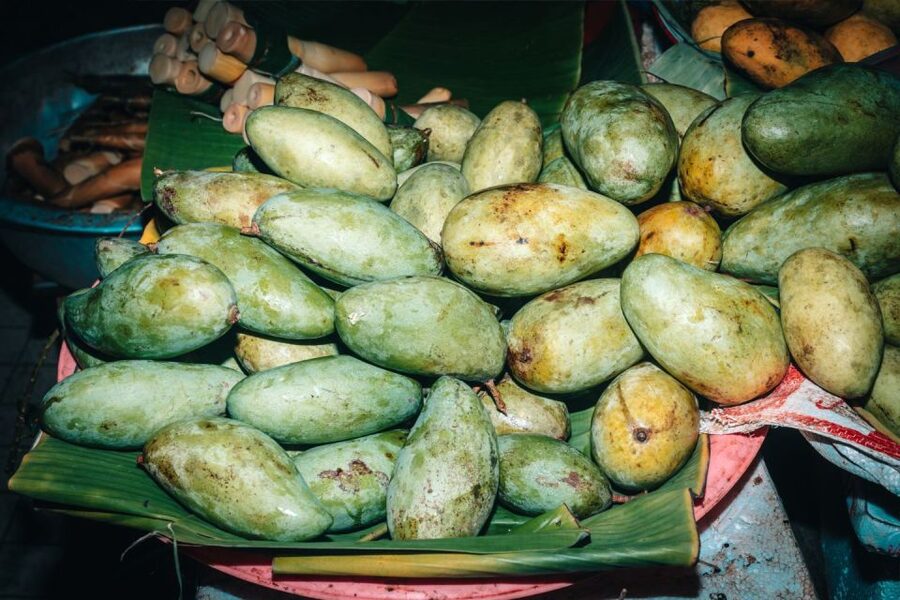
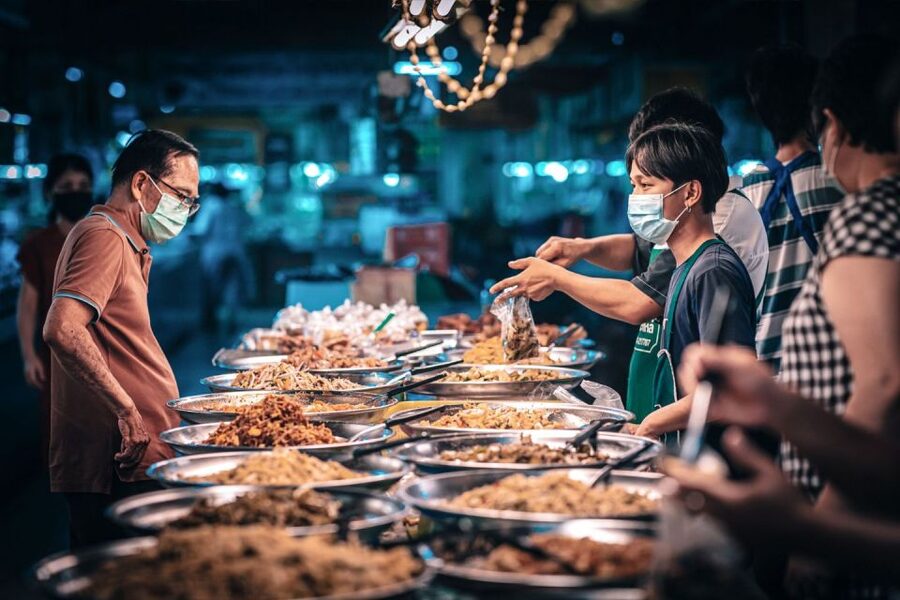
The market is not simply a final place to buy souvenirs. Your guide leads you through the stalls and explains local food habits, ingredients, snacks, and sweets.
You may see or sample bags of snacks, fruit, desserts, spices, tea, and other foods that are hard to identify when you walk through a market alone. A guide can tell you what something is, how it is eaten, and why local shoppers buy it.
The market tasting works like a picnic. The guide chooses several items, and the group samples them together. It is a pleasant change from sitting at restaurant tables, and it lets you try many small foods after the larger dishes earlier in the tour.
There is one fair limitation. One participant found the final market rather ordinary compared with other markets in Chiang Mai. That is worth keeping in mind if your main goal is a major market visit. The market’s real value is the explanation and tasting, not a grand visual spectacle.
The history behind the bowl
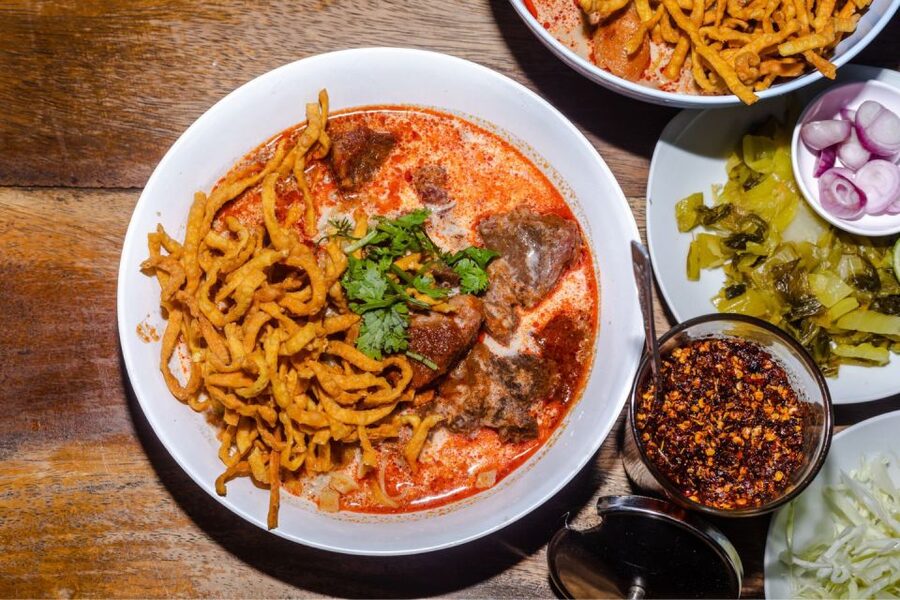
The strongest part of this tour is the guide’s role. Food stops alone are useful, but the stories give them shape.
Guides such as Moui, Aim, Noi, Bun, Tree, and Muang have been praised for explaining how Northern Thai food developed and how outside influences shaped it. Shan food and ingredients from neighboring areas help show that regional cooking does not stop at a modern border.
You might hear about the use of fermented soybean paste, spice blends, preserved meats, herbs, or local proteins. You also learn about the people who prepare the food. Some guides introduce restaurant owners or chefs, which adds a personal touch without turning the visit into a staged show.
I like this teaching style because it helps you eat more confidently later. You begin to recognize the difference between sour, bitter, salty, spicy, fermented, and herbal flavors. You also get a better sense of why Northern Thai food can taste different from dishes you may have tried in Bangkok or at home.
The English-language guiding is another practical strength. The tour is offered in English, and the listed guides are described as able to explain dishes, history, and culture clearly. If food vocabulary is new to you, that matters.
How much food will you actually eat?
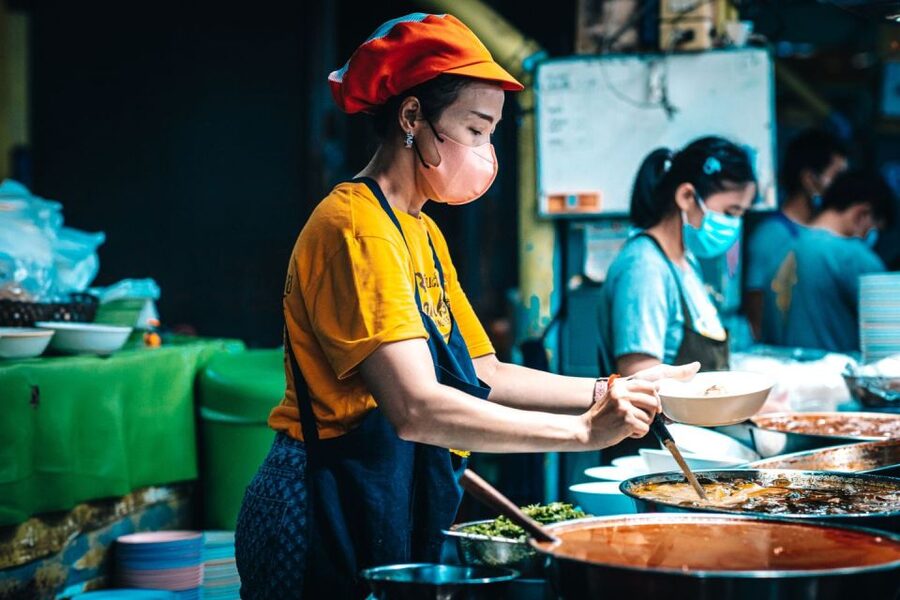
A lot. The advertised number is more than 15 tastings, and the portions are described as substantial. The tour is closer to a moving feast than a sample platter.
You may eat several items at one location, then move to the next restaurant before you have fully recovered. This is why I would not schedule a big dinner immediately afterward. The morning departure is especially demanding if you eat a full breakfast first.
A sensible plan is to drink water, eat lightly beforehand, and pace yourself. Bottled water and soft drinks are included. Alcohol is not included, so do not expect beer or cocktails with the meal.
The variety also means you can usually focus on what interests you most. If one unfamiliar item is not for you, there are many other dishes to try. However, do not book this expecting small, delicate tastings. The generous servings are part of the appeal and part of the challenge.
Who should book it?
This tour is a strong choice for first-time visitors who want an easy introduction to Chiang Mai food. You do not need to research obscure restaurants, work out transport, or guess what to order. The guide does that work, while you concentrate on tasting.
It also suits repeat visitors. If you have already tried khao soi and visited the central night markets, the tour takes you toward dishes and venues you may not find on your own. Several stops are family-run or aimed at locals rather than tourists.
Small groups help here. With no more than eight people, the meal can feel social without becoming a large bus outing. You can ask about ingredients, compare reactions with other diners, and get direct help from the guide.
The tour may also suit you if extensive walking is difficult, since the truck handles much of the movement and many stops offer seating and shade. You still need comfortable footwear for the market, and you should contact the operator in advance if you have mobility needs that require specific arrangements.
Who should skip it?
Do not book this if you are vegetarian, vegan, or pescatarian. The tour is built around Northern Thai food that may include meat, fermented pork, blood, insects, and other animal products.
It is also unsuitable for people with severe food allergies or nut allergies, and for anyone who cannot consume soy sauce. The number of tastings makes careful avoidance harder than it would be at a single restaurant.
Food is the focus, so picky eaters may find the experience stressful rather than fun. If you want a gentle introduction with familiar dishes only, choose a different outing.
The tour is also not suitable for people over 95 years of age. Weather is another consideration. The route operates in rain or sunshine, so bring an umbrella and wear clothing suited to the forecast.
Is $62 a fair price?
At $62 per person, the price is not the cheapest way to eat in Chiang Mai. Local food on its own can cost very little.
But this is not just four hours of food. The price covers more than 15 tastings, transportation in a private songthaew, an English-speaking guide, bottled water, soft drinks, and the time spent finding and coordinating several local venues. You are also paying for access to dishes and restaurants that would be difficult to identify alone.
The value is strongest if you would otherwise spend money on several separate meals while still missing the background and less familiar specialties. It is less attractive if you already speak Thai, know Chiang Mai’s food districts well, and enjoy planning your own local eating route.
For most visitors, I consider the price reasonable for the amount of food and transport included. The generous servings alone can replace a couple of meals, though you should not book it simply as a way to save money. Book it for the guidance, range, and access.
Free cancellation up to 24 hours before the start gives you useful flexibility, and the reserve-now, pay-later option helps if your Chiang Mai plans are still moving around.
Practical tips for a better outing
- Arrive early at Wat Lok Molee: The meeting point is inside the temple grounds, not simply outside the main gate.
- Skip a heavy breakfast: You will likely eat enough to stay full for hours.
- Wear comfortable shoes: The truck reduces walking, but the market still requires time on your feet.
- Bring an umbrella: The tour runs in wet weather as well as dry weather.
- Ask before tasting: Your guide can explain ingredients and flag dishes that may not suit you.
- Keep the evening light: A large meal after the tour is probably unnecessary.
- Carry room for snacks: The market portion can include fruit, sweets, tea, and packaged foods you may want to buy.
FAQ
Where does the Chiang Mai food tour meet?
It meets in the grounds of Wat Lok Molee. Enter the temple grounds, turn left, and look under the large decorated tree beside the four-headed statue for your guide.
How long does the food tour last?
The tour lasts four hours. Starting times vary, so check availability when booking.
How many people are in the group?
The group is limited to eight participants.
Is transportation included?
Yes. Transportation between food stops is included in a private red songthaew truck. Bottled water and soft drinks are also included.
Is the tour suitable for vegetarians or vegans?
No. The tour is not suitable for vegetarians, vegans, or pescatarians. It is also not suitable for people with serious food allergies or nut allergies.
What should I bring?
Bring comfortable shoes, an umbrella, and clothing suited to the weather. The tour operates in rain or sunshine, and you will walk through a market despite using the truck for transport.
Should you book this Northern Thai food tour?
Book it if you want more than khao soi and the usual market snacks. The tour gives you a broad taste of Northern Thai cooking, moves you efficiently around Chiang Mai, and explains the cultural background behind each plate.
I would choose it early in a Chiang Mai visit. You will leave with a better idea of what to order, which flavors you enjoy, and how to approach local food stalls with more confidence.
Skip it if you need vegetarian food, have serious allergy concerns, or prefer to choose every dish yourself. For everyone else, the combination of 15-plus tastings, a small group, local eateries, and a passionate guide makes this a very practical way to understand Chiang Mai through food.
Just added around Chiang Mai
- Taste of Chiang Mai: Michelin Guide & Street Food Tour★ 4.9 · 159 reviews
- Red, Blue, White Temples & Hot Spring Trip from Chiang Mai★ 4.4 · 143 reviews
- From Chiang Mai: Mae Taeng Valley and Waterfalls Cycle Tour★ 4.9 · 159 reviews
- Long Neck Village, Silver Temple & Chiang Mai Top Sites★ 4.7 · 17 reviews
- Chiang Mai: Local Northern Thai Cooking Class at Grandma’s★ 5.0 · 33 reviews
- Chiang Mai: Khum Khantoke Northern Thai Cuisine and Show★ 4.3 · 38 reviews
- Private : Sticky Waterfall & Secret Temple & Karen Village.★ 5.0 · 9 reviews
- Half-day with CHIANGMAI ELEPHANT CARE program (12pm-6pm.)★ 5.0 · 27 reviews
Chiang Mai Tours, compared.
Half-Day Thai Cooking Class at Organic Farm in Chiang Mai
Read our review →
Elephant Sanctuary, Waterfall & Bamboo Rafting
Read our review →


Chiang Rai Temples, Karen Tribe and Hot Springs
Read our review →
Cooking Class, Market & Thai Herbs Garden Tour
Read our review →
Authentic Cooking Class with Market & Farm Visit
Read our review →
Elephant Sanctuary Feeding Program Half-Day Tour
Read our review →Browse the lists this tour appears in