
Reviewed · CHIANG MAI TOURS
The 10 Tastings of Chiang Mai With Locals: Private Street Food Tour
Chiang Mai’s best food lesson may be the one that leaves you too full for dinner. This private tour moves between local restaurants, food stalls, and markets, with stops for Thai tea, Chiang Mai sausage, curries, salads, sweets, and other regional specialties. Guides such as May, Tanya, Mae, and Eddie adjust the route and dishes to suit you.
I like the one-on-one format, since you can ask why a dish tastes sour, how spicy it should be, or where to eat later in your trip. I also like the mix of food and city sights: Wat Chai Si Phum, Wat Mo Kham Tuang, Chang Phueak Monument, and Chang Phuak Gate add useful local context between meals.
The main caution is simple: this is a serious amount of food. Some people report eating more than 10 substantial portions, while one unhappy customer found the shared servings too small for the price. Expectations, appetite, and your guide’s route can make a real difference.
Key points at a glance
- Ten food and drink tastings: Expect both sweet and savory dishes, with several stops potentially serving full-size portions rather than tiny samples.
- A truly private outing: Only your party and the local guide take part, allowing room for dietary needs and personal preferences.
- Northern Thai flavors: Chiang Mai sausage, Burmese pork curry, Shan tea leaf salad, Thai tea, and other local dishes may appear along the route.
- Food plus temple and market stops: The sightseeing is light, but it gives the meal a stronger sense of place.
- Guides shape the experience: May, Tanya, Mae, Eddie, Kunmai, Naphat, Purichat, and others are praised for warmth, local insight, and flexibility.
- Come very hungry: The tour lasts about three hours, and taking leftovers back to your hotel is not unusual.
Why this private Chiang Mai food tour works
The useful thing about this tour is not just the number ten. It is the chance to eat with someone who can explain what is on your plate and change the plan when you have had enough of one flavor.
A large group food walk often follows a fixed menu. Here, your guide can steer you toward dishes you have not tried, reduce the heat, or replace a dish for vegetarian and gluten-free diners. That flexibility matters in Thailand, where a meal can include fish sauce, shrimp paste, meat stock, or hidden chili even when the dish looks harmless.
The private setup also makes conversation easier. You can ask about ingredients, customs, markets, and local restaurants without trying to speak over a dozen other people. Several guides are described as warm, funny, and attentive, and some have strong food backgrounds. May, for example, is a chef and can explain ingredients and preparation. Mae is praised for her understanding of Northern Thai food and culture, while Eddie is known for detailed advice about local places to eat.
The route is not fixed in the same way a museum tour is fixed. Some stops depend on your host’s chosen route, so your exact dishes and markets may differ. That is a benefit if you value personal choices, but it means you should not book expecting a precise menu.
More Food Tours in Chiang Mai
- Small-Group Chiang Mai Evening Street Food Tour
★ 4.5 · 826 reviews - Chiang Mai: Evening Local Street Food Market Tour
★ 4.8 · 604 reviews - Northern Flavours Chiang Mai Food Tour with 15+ Tastings
★ 5.0 · 513 reviews
Meeting near Wat Chai Si Phum
The experience begins at Mountain View Guesthouse in the Si Phum area. Hotel pickup and drop-off are not included, so you need to reach the meeting point on your own. The area is near public transportation, and the tour returns to the same meeting point at the end.
The first stop is listed near Wat Chai Si Phum, where you begin with a light local dish. This is a sensible opening. It gives your stomach a gentle start before the heavier food arrives, and it puts you in Chiang Mai’s old-city setting straight away.
A temple visit may also be part of the early route. One guide took a couple to a temple where they could make a wish, which they found a memorable bonus. Keep your expectations measured, though. This is a food tour with city sights, not a full temple tour. You may get a short look at the buildings and some cultural explanation, but food remains the main event.
Thai tea at Chang Phueak Monument
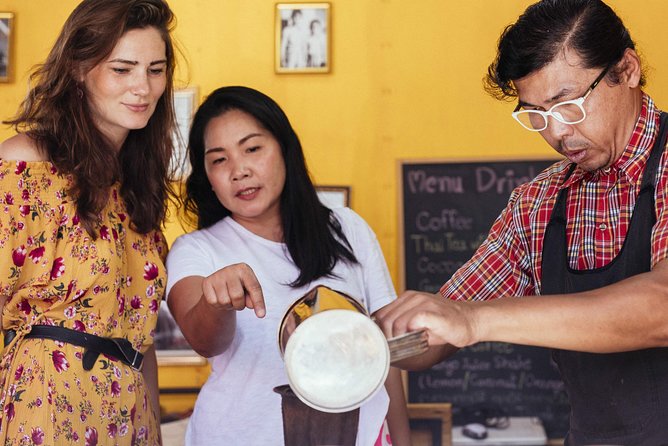
At Chang Phueak Monument, you learn why Thai tea has its famous orange color. You can choose your sweetness level and decide between a hot or cold drink.
That small choice tells you a lot about the tour’s tone. Rather than handing you one standard beverage, the guide can match the drink to your taste. If you usually find Thai tea too sweet, ask for less sugar at the start. If you want the classic cold version, this is your chance to try it in a local setting.
The monument also gives the food walk a pause. Three hours of eating can become tiring if every stop is a restaurant table. Short moves between food points, temples, and landmarks help break things up. One person particularly valued the walking because it helped the food settle before the next serving.
The amount of walking is not fully specified, and some guides may use transport between stops. One outing included a guide driving the group from place to place, while another included walking between restaurants. The exact balance depends on your host and route, so ask at the start if mobility or walking time matters to you.
Chiang Mai sausage at Chang Phuak Gate
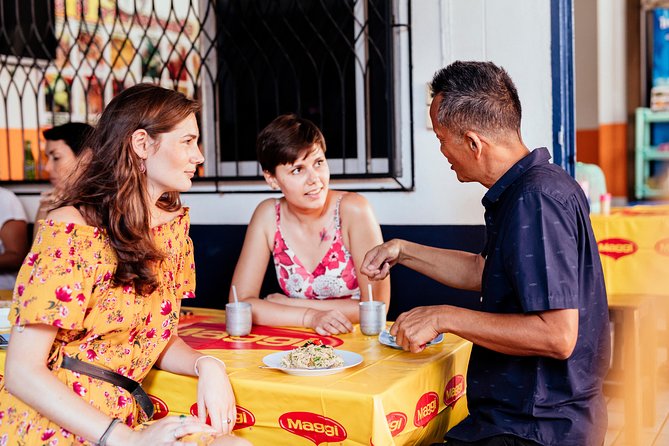
Chang Phuak Gate, also called the Elephant Gate, is one of the food-focused highlights. No Chiang Mai eating tour feels complete without trying the local sausage, and this stop takes you to a nearby restaurant for it.
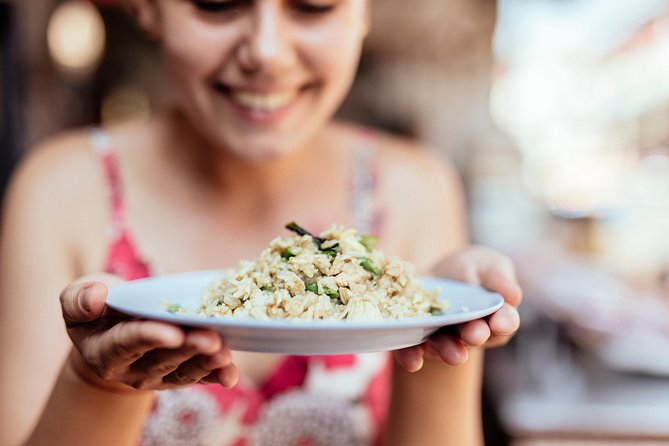
Chiang Mai sausage, or sai ua, is one of Northern Thailand’s signature foods. The important point here is not simply checking it off a list. Your guide can explain the herbs, seasoning, and the way the sausage fits into Northern Thai meals. The dish is often aromatic rather than simply hot, though spice levels vary.
This is also where portion size becomes important. Some people describe the tastings as large enough to count as main dishes. Another person felt that dishes shared among three people were too small for the price. Private tours can involve shared plates, so if you are especially hungry, tell your guide that you would prefer individual servings when possible.
More street food walks in Chiang Mai:
- Taste of Chiang Mai: Michelin Guide & Street Food Tour
★ 4.9 · 159 reviews - Chiang Mai: Food Tour by Songtheaw Truck with 15+ Tastings
★ 4.9 · 157 reviews - Chiang Mai: Temples and Street Food Night Tour by Tuk Tuk
★ 4.3 · 81 reviews - Chiang Mai: Walking Food Tour
★ 4.8 · 15 reviews
Wat Mo Kham Tuang and the quieter pauses
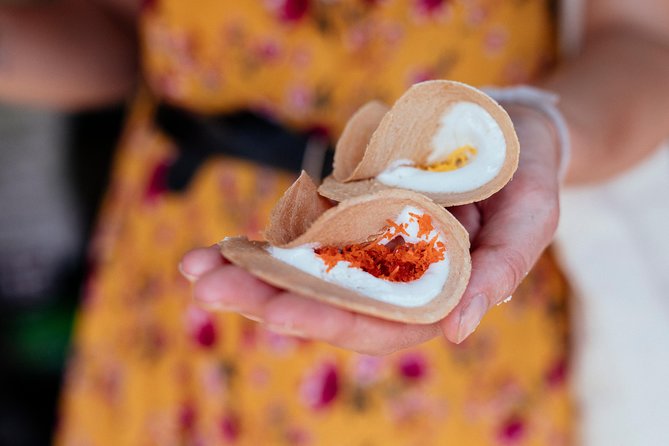
Wat Mo Kham Tuang provides a cultural break after the first food stops. The temple includes a viharn, an ubosot, a chedi, salas, and kuti buildings, along with statues of Hindu deities.
You do not need to be a temple expert to appreciate this stop. The value is the change of pace and the chance to connect Chiang Mai’s food traditions with its religious and cultural setting. Your guide may explain the buildings and statues, though the amount of temple commentary can vary.
One person felt that only one temple received much attention and that the sightseeing portion was brief. That is a fair way to frame the experience. If you want detailed architecture and long historical talks, book a dedicated temple tour. If you want a meal with a few meaningful glimpses of the city, this balance works better.
Markets, restaurants, and dishes beyond the first four stops
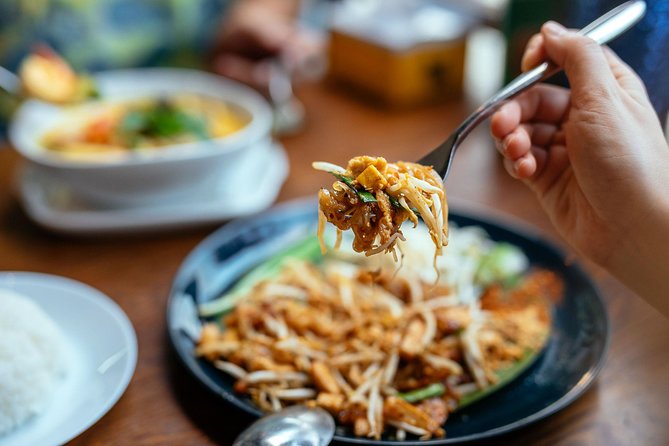
The route can include extra food points based on the host’s choices. This is where the tour’s strongest food experiences may occur. The exact plan can include local restaurants, street stalls, and markets, with no guaranteed list of vendors or dishes.
Food mentioned across the experience includes Shan tea leaf salad, Burmese pork curry, Chiang Mai sausage, Thai tea, desserts, and other Northern Thai specialties. Some outings visit two markets, while others include a night market or a Chinese market. One route moved from a restaurant to evening street food, which eased the group into stronger local flavors.
A market stop can be exciting because you see the food before you eat it. You can watch what local people are choosing, inspect unfamiliar ingredients, and ask your guide what is worth trying. The drawback is comfort. Markets can be crowded, especially during festivals. One group found the Chinese market extremely packed during Chinese New Year.
You should also expect variation from one guide to the next. Tanya is praised for knowing her way around markets and for finding out-of-the-way food spots. She also adjusted meals carefully for vegetarian diners. Purichat focused on authentic dishes and kept the spice level manageable. Kunmai received praise for careful attention to detail and making the day feel easy from start to finish.
What the food volume really means
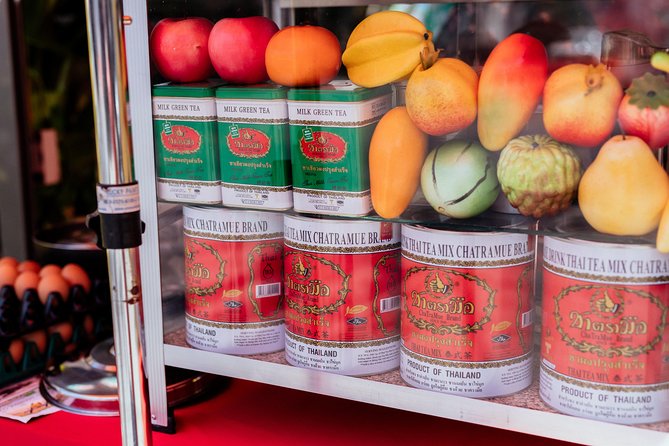
The phrase 10 tastings sounds modest until you learn that several servings may be substantial. One person counted at least seven main dishes, with snacks and dessert on top. Another group had enough leftovers to take back to the hotel.
I would not eat a large breakfast before a morning departure or a heavy lunch before an afternoon one. Come hungry, but pace yourself. You do not need to finish every plate immediately, and your guide can often help adjust the order or portions.
This is a useful tour for curious eaters, but not always for people who prefer tiny samples. If you want to sample ten flavors without feeling full, make that clear when you meet your guide. The included tastings cover food and drinks, but extra food and drinks cost more.
The menu can also change as your guide learns what you like. Tell the guide if you want mild dishes, more chili, seafood, meat, sweets, or specific Northern Thai foods. Vegetarian alternatives are included, and several people with vegetarian or gluten-free diets received suitable changes. Still, explain your restrictions clearly before ordering, especially if you need to avoid a particular ingredient.
Guides make the biggest difference
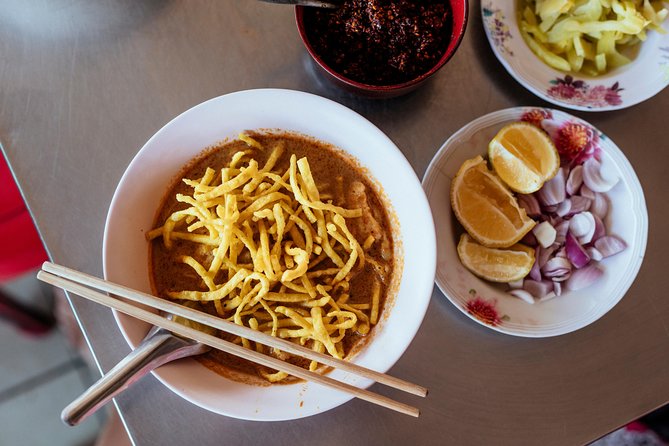
The food matters, but the guide determines how well the pieces fit together. The best guides do more than name each dish. They explain how it is made, why it matters in Chiang Mai, and how to order it elsewhere.
May is a strong choice for food-focused visitors because she works as a chef and can discuss ingredients and cooking methods. Tanya is a good fit for market fans and vegetarians, with a reputation for friendly, personal route choices. Mae brings a strong understanding of Northern Thai cuisine and culture.
Eddie is singled out for energetic food advice and a sharp sense of where to find excellent local meals. Sawitchaya is praised for building a vegetarian-friendly route and adding historical and culinary background. Mai helped a gluten-free diner make changes, while Naphat is described as especially good at tailoring the experience to personal tastes.
You cannot necessarily select a particular guide when booking, so treat these names as examples of the quality and style you might receive, not a promise. The common thread is personal attention. Tell your guide what you have already eaten in Thailand, what you want to try, and what you cannot eat.
Is $78.52 per person good value?
At $78.52 per person, this is not the cheapest way to eat in Chiang Mai. Local markets can provide a filling meal for far less. If you judge the tour only by the cost of the food, you may feel the price is high, especially if plates are shared.
You are paying for more than the dishes. The fee covers a private guide, ten food and drink tastings, route planning, cultural explanation, and tailored advice for the rest of your visit. A good guide can save you from ordering poorly, help you understand unfamiliar dishes, and point you toward places you would not find on your own.
The value improves if you are new to Chiang Mai and want practical food guidance early in your stay. One couple wished they could have done the tour on their first day so they would have understood the food and city better from the start. I agree with that timing. Book it near the beginning if you want recommendations to shape the rest of your meals.
The value drops if you already know Chiang Mai’s food scene, dislike large meals, or expect a long walking tour with many street stalls. The sightseeing is secondary, and the exact mix of street food, restaurants, and markets is not fixed.
Morning or afternoon?
You can choose a morning or afternoon departure. Your choice should match your appetite and the kind of city atmosphere you want, but the supplied details do not guarantee a particular market schedule for either option.
A morning tour may be easier if you prefer to eat your main meal earlier. An afternoon option can lead into evening food stops, depending on the host’s route. Either way, avoid scheduling another major meal immediately afterward. You may be full enough to carry leftovers instead.
The tour lasts about three hours. That is long enough for ten tastings and city stops, but not long enough for a leisurely visit at every temple or market. Think of it as a focused food outing with short cultural interludes.
Who should book this experience?
I would recommend it to first-time visitors who want help reading Chiang Mai’s food culture. It also suits couples, families, and small private groups who want to set the pace rather than follow a large party.
It is especially useful for:
- Vegetarian diners who want local dishes rather than a limited afterthought
- Gluten-free diners who need help choosing and adjusting food
- People who want Northern Thai specialties, not just familiar pad Thai
- Anyone who enjoys markets but wants help deciding what to eat
- Visitors who want restaurant and food advice for the rest of their stay
I would hesitate if your main goal is architecture, temple history, or a long night-market walk. I would also think twice if the $78.52 price feels high for shared food portions. Ask for portion guidance and explain your expectations at the beginning.
Cancellation is free up to 24 hours before the start time for a full refund. Changes or cancellations inside that window are not accepted for a refund. Most people can participate, and the activity is private for your group.
Should you book it?
Book this tour if you want a personal introduction to Chiang Mai through food, especially early in your visit. The strongest reasons are the flexible menu, the range of Northern Thai dishes, and guides who can connect meals with daily life, temples, and local markets.
Do not book it expecting a fixed list of ten tiny street-food samples or a full sightseeing tour. The servings may be much larger than expected, the route can vary, and the city stops are brief. If you come hungry, speak clearly about dietary needs, and treat the guide’s recommendations as part of the value, this can be a very satisfying start to Chiang Mai.
FAQ
How long does the Chiang Mai food tour last?
The tour lasts approximately three hours.
Where does the tour begin?
It begins at Mountain View Guesthouse in Si Phum, Mueang Chiang Mai District.
Where does the tour end?
The activity ends back at the meeting point.
Are vegetarian food options available?
Yes. Vegetarian alternatives are included, and dietary adjustments can be made with the guide.
Is hotel pickup included?
No. Hotel pickup and drop-off are not provided. You must reach the meeting point yourself.
Can I cancel for a full refund?
Yes. You can cancel at least 24 hours before the experience start time for a full refund. Cancellations or changes made less than 24 hours before the start time are not accepted for a refund.
Just added around Chiang Mai
- Taste of Chiang Mai: Michelin Guide & Street Food Tour★ 4.9 · 159 reviews
- Red, Blue, White Temples & Hot Spring Trip from Chiang Mai★ 4.4 · 143 reviews
- From Chiang Mai: Mae Taeng Valley and Waterfalls Cycle Tour★ 4.9 · 159 reviews
- Long Neck Village, Silver Temple & Chiang Mai Top Sites★ 4.7 · 17 reviews
- Chiang Mai: Local Northern Thai Cooking Class at Grandma’s★ 5.0 · 33 reviews
- Chiang Mai: Khum Khantoke Northern Thai Cuisine and Show★ 4.3 · 38 reviews
- Private : Sticky Waterfall & Secret Temple & Karen Village.★ 5.0 · 9 reviews
- Half-day with CHIANGMAI ELEPHANT CARE program (12pm-6pm.)★ 5.0 · 27 reviews
Chiang Mai Tours, compared.
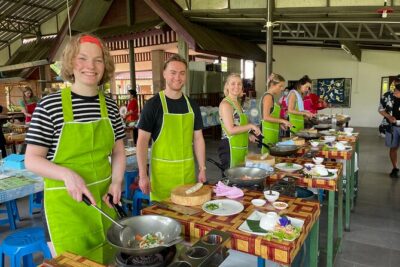
Half-Day Thai Cooking Class at Organic Farm in Chiang Mai
Read our review →
Elephant Sanctuary, Waterfall & Bamboo Rafting
Read our review →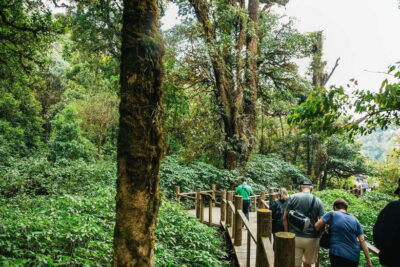
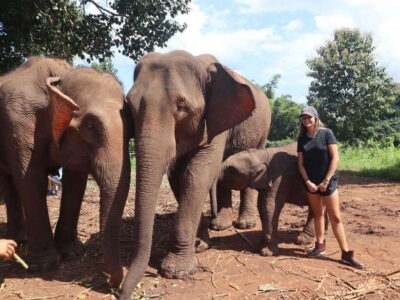

Chiang Rai Temples, Karen Tribe and Hot Springs
Read our review →
Cooking Class, Market & Thai Herbs Garden Tour
Read our review →
Authentic Cooking Class with Market & Farm Visit
Read our review →
Elephant Sanctuary Feeding Program Half-Day Tour
Read our review →Browse the lists this tour appears in