
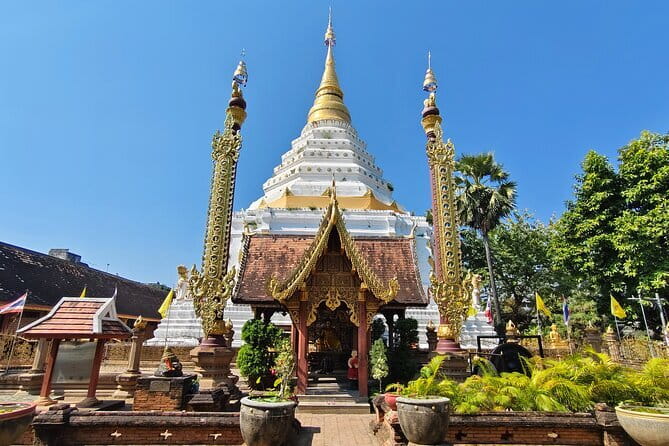
Reviewed · CHIANG MAI TOURS
Chiang Mai Temples Visit Walking Tour with Ex-Monk Guide Part 2
Chiang Mai’s temples make more sense when someone explains how they are used, not just when you admire their roofs. This 3.5-hour walking tour visits four distinct temples with Katoon, an ex-monk guide who can discuss Buddhist practice, temple customs, and his own time as a monk.
I like the personal angle, and I like the variety. You see the old city’s first temple, a Tai Yai temple, a site with Burmese influence, and a fine example of Lanna design. The main drawback is simple: walking in the afternoon heat can be tiring, especially for young children or anyone unused to Chiang Mai’s warm weather.
Key points
- Katoon’s former monastic life gives the Buddhist explanations a direct, personal quality.
- Wat Chiang Man is linked to Chiang Mai’s founding in 1296 and makes a strong first temple stop.
- Wat Pa Pao introduces Tai Yai culture, a part of Chiang Mai many short temple visits skip.
- Wat Chiang Yuen brings Burmese influence into the story through its old gate and pavilion.
- Wat Lok Molee finishes with traditional Lanna architecture and a wooden chanting hall.
- The tour is capped at 20 people, with English or Chinese guidance and free cancellation up to 24 hours before departure.
Why an ex-monk changes the temple visit
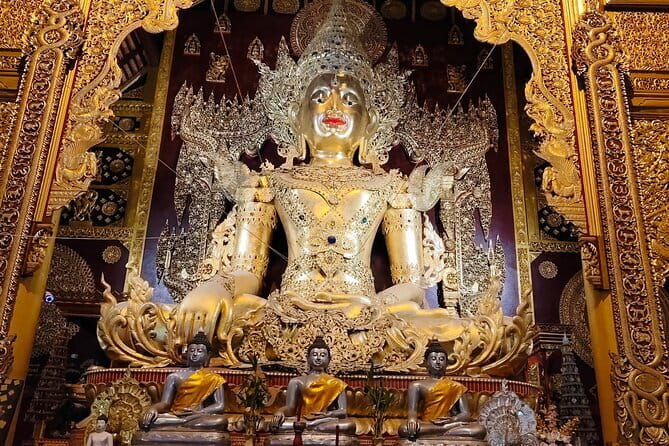
Many temple walks give you dates, names, and a quick explanation of the Buddha. This one aims at something more useful: helping you understand what people do at a temple and why.
Katoon can explain Buddhist ideas in plain terms and answer questions about his former life as a monk. He also teaches the respectful way to make a Buddhist greeting or offering, while clarifying that this act is not quite the same as prayer in the Western sense. That small distinction is exactly the sort of thing you may miss when visiting alone.
The personal questions are not limited to temple architecture. You can ask about monastic routines, beliefs, and customs, then connect those answers to the buildings around you. For visitors who want more than photographs, this is the heart of the tour.
The experience is also suitable for families. A group with children aged 7 and 2 found the guide patient and willing to answer questions. That does not mean every child will enjoy three and a half hours on foot, but it does suggest that the tone is flexible rather than stiff or overly academic.
More walking tours in Chiang Mai:
- Chiang Mai: 3 Hour Old City and Temples Guided Walking Tour
★ 4.6 · 1,568 reviews - Chiang Mai: Historic Temples and City Guided Walking Tour
★ 4.7 · 650 reviews - Chiang Mai: Temple And City Walking Tour Part I
★ 4.7 · 244 reviews
Starting at Three Kings Monument
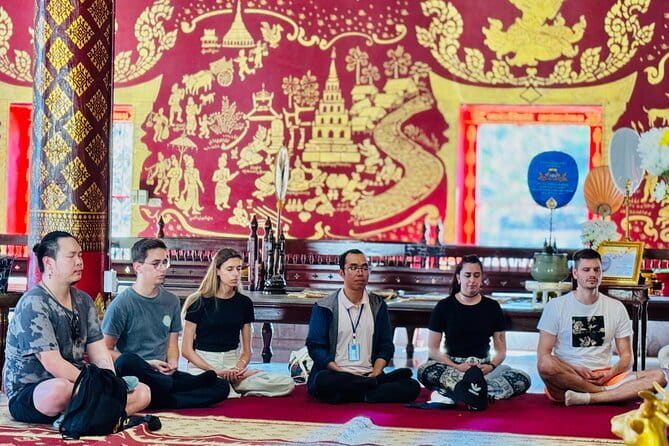
The meeting point is Three Kings Monument, on Prapokklao Road in the old city. The guide gives an introduction here before the group sets off. Allow about 10 minutes for this opening.
This is a sensible place to begin. You get your bearings in central Chiang Mai before moving into the temple district, and the introduction gives you a chance to understand the plan. Since the tour returns to the same meeting point, you do not need to arrange a separate ride from the final temple.
The start time is 1:00 pm. That makes the tour easy to fit around a morning market visit or an early lunch, but it also means you will be walking during the warmer part of the day. Bring water, since bottled water is not included, and wear clothing suitable for temple visits. The tour information does not specify a dress code, but respectful clothing is the safe choice at Buddhist sites.
Wat Chiang Man and Chiang Mai’s first chapter
The first temple is Wat Chiang Man, with about 45 minutes set aside for the visit. Built in 1296, it is regarded as the first temple constructed in Chiang Mai and is tied closely to the city’s early foundation.
That date matters. Instead of seeing a temple as an isolated religious building, you begin with a place connected to the birth of the city itself. Katoon can help you read the site through both history and belief, explaining why temples mattered to the Lanna kingdom and to everyday Buddhist life.
A 45-minute stop gives you enough time for an explanation, questions, and a proper look around without turning the visit into a long technical lecture. If you are new to northern Thai temple design, this is a useful place to begin because later stops can be compared with it.
The benefit of having a guide is clearest here. A roofline, image, or ritual object may look decorative at first glance. With context, you can ask what it represents, how it is used, and what belongs to local tradition rather than a general idea of Buddhism.
Wat Pa Pao and Chiang Mai’s Tai Yai connection
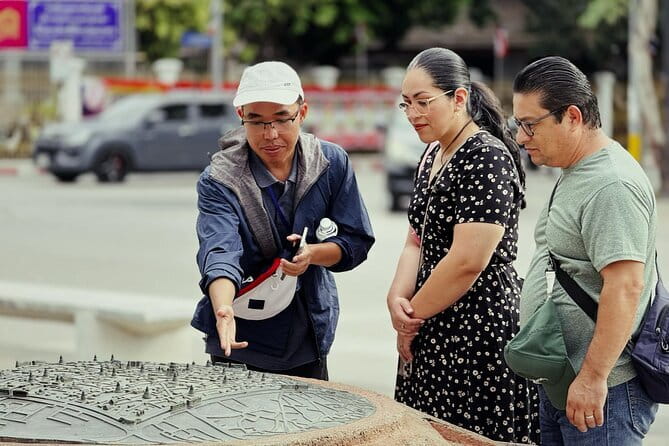
The walk continues to Wat Pa Pao, with around 30 minutes at the temple. It is described as Chiang Mai’s first temple of the Ngiaw, or Tai Yai, community and was built in 1883 during the reign of Prachao Intawichayont. Lady Bua Lhai, a Tai Yai concubine of the king, is associated with its construction.
This stop adds a social layer to the tour. Chiang Mai is not defined by one single version of northern Thai culture. The Tai Yai connection shows how different communities shaped the city’s religious life and temple traditions.
Thirty minutes is enough for a focused visit, though it will feel brief if you want to examine every architectural detail. That is a fair trade in a four-temple route. The point is not to linger at one site for half a day, but to see how each temple adds a new piece to the story.
I particularly like this stop for repeat visitors to Chiang Mai. If you have already seen the city’s most famous temples, Wat Pa Pao gives you a different subject to consider: community identity and the movement of people and traditions across the region.
A few more Chiang Mai half-days worth weighing up
- Half-Day Thai Cooking Class at Organic Farm in Chiang Mai
★ 5.0 · 19,087 reviews - Chiang Mai: Elephant Sanctuary, Waterfall & Bamboo Rafting
★ 4.9 · 9,160 reviews - Chiang Mai: Doi Inthanon National Park Eco-Friendly Tour
★ 4.6 · 6,667 reviews - Chiang Mai: Elephant Sanctuary & Waterfall Group Tour
★ 4.9 · 5,780 reviews
Wat Chiang Yuen’s Burmese-style details
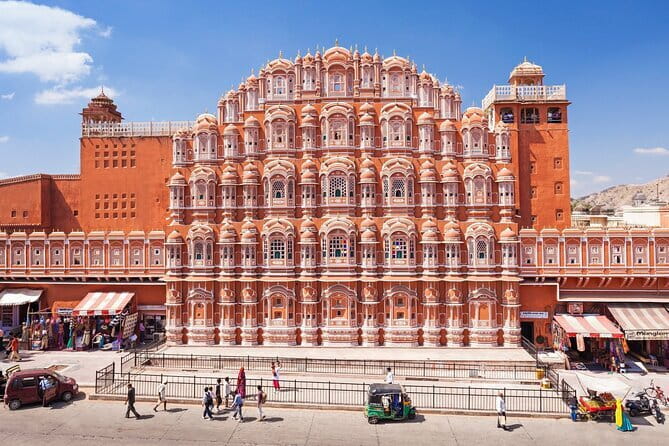
Next comes Wat Chiang Yuen, another 30-minute stop. The temple is known for its ancient Burmese colonial gate and attractive pavilion, while also having other distinctive features linked to its role in the Lanna kingdom.
This is where the tour’s comparison between traditions becomes useful. Wat Pa Pao introduces Tai Yai heritage, while Wat Chiang Yuen brings Burmese influence into view. You are not simply ticking off four similar temples. Each stop has a different architectural or cultural reason for being included.
The old gate and pavilion give you clear visual details to focus on. Ask Katoon how Burmese, Tai Yai, and Lanna traditions relate to one another, and you can turn what might be a short photo stop into a better lesson in northern Thailand’s past.
Again, half an hour is a modest amount of time. The itinerary does not promise a long meditation session or an unhurried architectural study. It is better suited to someone who enjoys moving between places and asking questions along the way.
Wat Lok Molee and Lanna woodwork
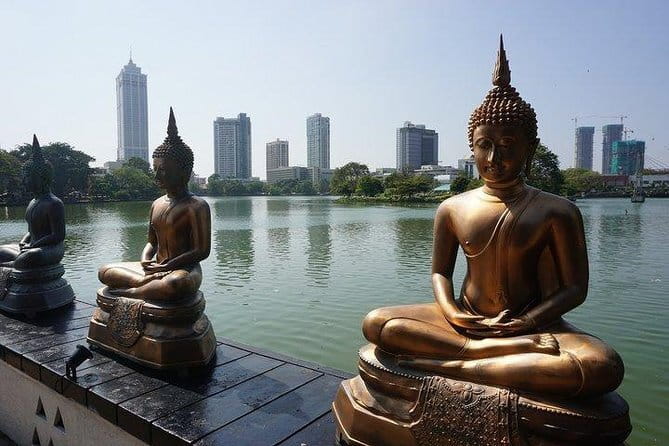
The final temple is Wat Lok Molee, where the visit lasts about 45 minutes. Its wooden chanting hall and traditional Lanna architecture provide a strong closing scene.
The longer stop gives you time to slow down after the earlier visits. A wooden hall may seem less grand than a large, ornate temple, but that is part of its appeal. The design lets you consider local materials, proportions, and the way a religious building creates a setting for chanting and community practice.
This is also a good point to return to the main theme of the tour. Buddhist temples are not only monuments. They are places for teaching, ritual, reflection, and gathering. Katoon’s explanations can help connect the hall’s appearance with its purpose.
At the end, the group walks back to Three Kings Monument. The activity lasts about three hours and 30 minutes in total, so plan to finish around 4:30 pm, allowing for normal changes in walking pace and discussion.
What you are really paying for at $25.92
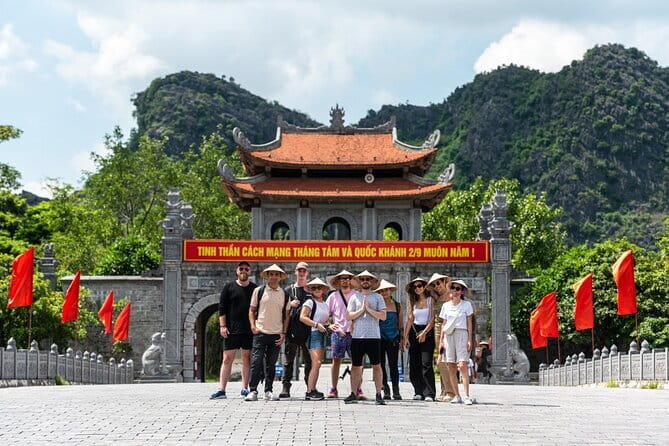
At $25.92 per person, the cost is reasonable if you want interpretation rather than a self-guided route. The temples themselves have no admission charge listed, so most of the value comes from the guide, the route planning, and the chance to ask questions in real time.
You are paying for access to four sites in one organized afternoon, plus an English or Chinese-speaking guide holding a TAT license. The former-monk background makes the price easier to justify for anyone interested in Buddhism, since the experience is not limited to sightseeing facts.
The value is weaker if you prefer to move at your own speed, spend long periods photographing details, or sit quietly at one temple. You could visit the sites independently, but you would lose the guided link between Buddhist practice, local communities, and architecture.
The average booking lead time is 11 days. That suggests planning ahead is sensible, particularly if you have only a short stay in Chiang Mai and need this exact afternoon schedule. The maximum group size is 20, which is manageable but not intimate by default. The actual feel will depend on how full the departure is.
Walking comfort, families, and temple manners
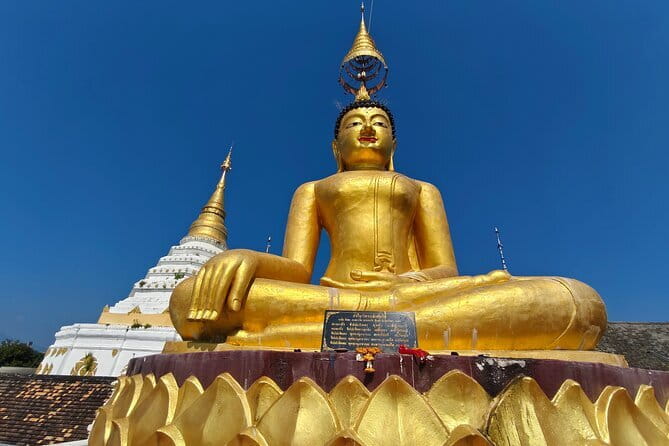
Most people can take part, and the tour is near public transportation. Still, the route is on foot and lasts much of an afternoon. Comfortable shoes, sun protection, and your own drinking water will make a real difference.
Families can consider it, especially if children are curious and willing to listen. The guide has been described as caring and patient with a family that included children aged 7 and 2. That is encouraging, but the younger child may still need to be carried or managed during the walk, since no special child transport is listed.
A temple visit also calls for basic courtesy. Keep your voice low, follow the guide’s instructions, and dress respectfully. If you are shown how to greet, bow, or make an offering, treat it as a religious custom rather than a staged performance.
The tour requires good weather. If poor weather cancels it, you can choose another date or receive a full refund. Normal cancellation is free up to 24 hours before the local start time. Changes or cancellations inside that window are not accepted for a refund.
Who will get the most from this route
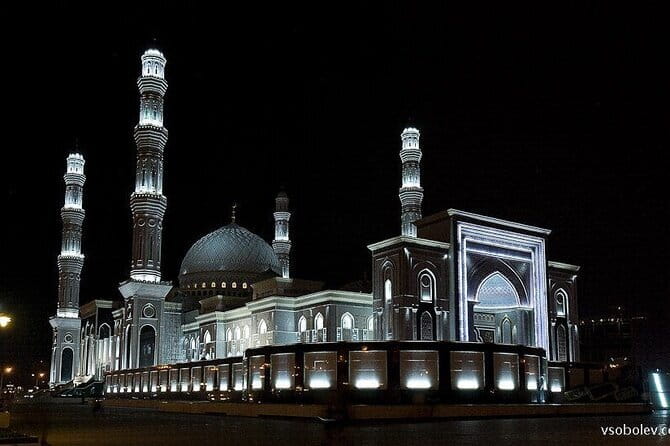
I would choose this tour if you want to understand Buddhism in practical terms. Katoon’s former monastic life gives you a reason to ask questions that a standard sightseeing guide may not be able to answer from personal experience.
It also suits first-time visitors who want an organized introduction to Chiang Mai’s temple culture without committing to a full-day outing. The four stops are varied enough to keep the route from feeling repetitive, and the return to the starting point keeps the logistics simple.
Repeat visitors can benefit too, especially if you have already visited the headline temples. Wat Pa Pao’s Tai Yai story and Wat Chiang Yuen’s Burmese features add cultural detail beyond the usual old-city checklist.
I would think twice if you dislike afternoon walking, need a very slow pace, or want an extended meditation experience. The tour is built around movement, explanation, and conversation. It is not presented as a silent retreat.
Should you book the Chiang Mai temple walk?
Book it if Buddhist customs, temple design, and personal questions matter more to you than simply seeing famous buildings. The strongest reason to go is Katoon’s former-monastic perspective, supported by a route that covers Lanna, Tai Yai, Burmese, and early Chiang Mai traditions.
The price is fair for a licensed guide and a focused 3.5-hour route. Bring water, prepare for heat, and accept that a group of up to 20 may not feel private. If those conditions suit you, this is a thoughtful way to see Chiang Mai’s temples with more meaning and less guesswork.
FAQ
Where does the tour start?
It starts at Three Kings Monument on Prapokklao Road in Chiang Mai.
What time does the tour begin?
The tour starts at 1:00 pm.
How long does the temple walk last?
The activity lasts approximately 3 hours and 30 minutes.
Which temples are included?
The route includes Wat Chiang Man, Wat Pa Pao, Wat Chiang Yuen, and Wat Lok Molee.
Who guides the tour?
The tour includes an English or Chinese-speaking guide holding a TAT license. The guide identified in the tour information and feedback is Katoon, an ex-monk.
Is bottled water included?
No. Bottled water is not included, so you should bring your own.
Can I cancel for a full refund?
Yes. You can cancel at least 24 hours before the local start time for a full refund. If poor weather cancels the activity, you will be offered another date or a full refund.
Just added around Chiang Mai
- Wat Phra That Doi Suthep & Wat Pha lat Evening Tour & Guide★ 4.5 · 89 reviews
- Walk With Monks Collecting Alms(meeting point maybe change)★ 4.9 · 8 reviews
- Chiang Mai: Doi Inthanon Park Day Trip with Kiw Mae Pan Hike★ 4.6 · 75 reviews
- Chiang Mai Zipline White Water Rafting and Elephant Sanctuary★ 4.0 · 11 reviews
- Zipline+Sticky waterfall+Long Neck Village Private Tour★ 5.0 · 22 reviews
- Chiang Mai Airport Private Transfer – Hotel or Airport★ 4.5 · 51 reviews
- Trek to a Jungle Waterfall★ 5.0 · 14 reviews
- Zipline Adventure at Skyline Jungle Luge Chiang Mai★ 5.0 · 102 reviews
Chiang Mai Tours, compared.
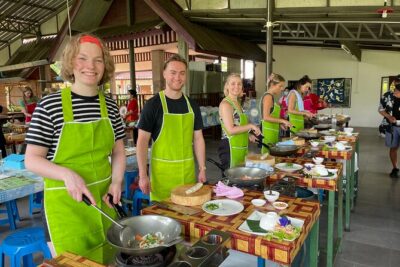
Half-Day Thai Cooking Class at Organic Farm in Chiang Mai
Read our review →
Elephant Sanctuary, Waterfall & Bamboo Rafting
Read our review →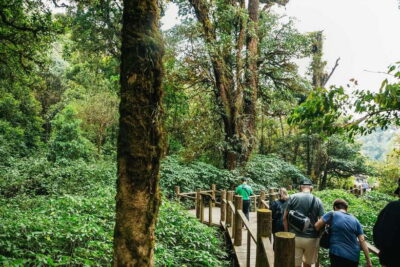
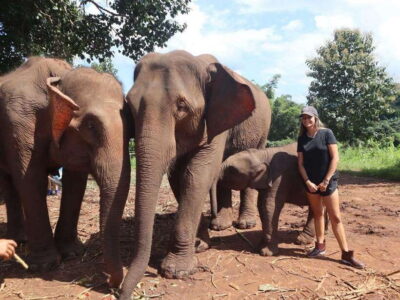

Chiang Rai Temples, Karen Tribe and Hot Springs
Read our review →
Cooking Class, Market & Thai Herbs Garden Tour
Read our review →
Authentic Cooking Class with Market & Farm Visit
Read our review →
Elephant Sanctuary Feeding Program Half-Day Tour
Read our review →Browse the lists this tour appears in