
Reviewed · CHIANG MAI TOURS
Northern Flavours Chiang Mai Food Tour with 15+ Tastings
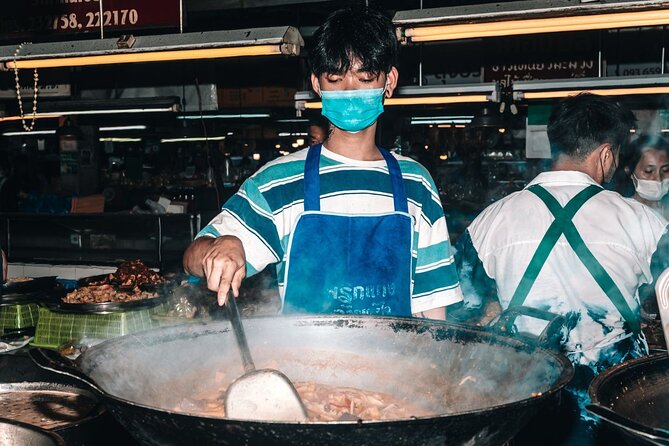
Northern Thai food is far more than green curry and pad Thai. This four-hour outing takes you to tucked-away eateries and street stalls for 15 or more tastes, from spicy dips and noodles to jungle greens, fruit, crispy pork, and some less familiar bites. I like the small eight-person limit and the dedicated red songthaew, which make moving around Chiang Mai easier and more personal.
I also like the food lessons built into the route. Guides such as Aim, Moui, Muoy, and Tree explain Lanna cooking, Burmese influence, ingredients, and local food customs as you eat. The main drawback is simple: this is not a good fit for vegetarians, pescatarians, people avoiding pork, or anyone with severe shellfish or peanut allergies.
Key points to know before you book
- More than 15 tastings: Expect enough food for a full meal, with some groups reaching 18 to 20 items.
- Northern Thai focus: Try dips, curries, noodles, greens, fruit, salads, and snacks that are different from central Thai staples.
- Small group transport: A private red songthaew carries a maximum of eight people between food stops.
- Strong local storytelling: Aim, Moui, Muoy, and Chiang Mai-born guide Tree have been praised for explaining food, culture, and Lanna history.
- Warorot Market finish: The route ends around the local market beside the Ping River, a useful place to continue exploring Chiang Mai’s food scene.
- Come very hungry: Portions are not merely symbolic samples, and bottled water and local soft drinks are included.
Why this tour is about Northern Thailand, not standard Thai food
Many first-time visitors order pad Thai, green curry, and mango sticky rice. Those dishes have their place, but they do not tell the whole story of Chiang Mai. Northern cooking has its own balance of herbs, fermented flavors, roasted spices, pork, dips, noodles, and forest vegetables.
This tour is designed around that difference. You will taste food shaped by the old Lanna kingdom, local plant life, trade routes, and nearby cultures. Burmese influence is part of the story, and the guide explains how outside traditions became part of modern Chiang Mai cooking.
That context matters. A dish is easier to understand when you know why it tastes smoky, sour, bitter, hot, or fermented. Instead of simply eating an unfamiliar plate, you learn how it fits into the region.
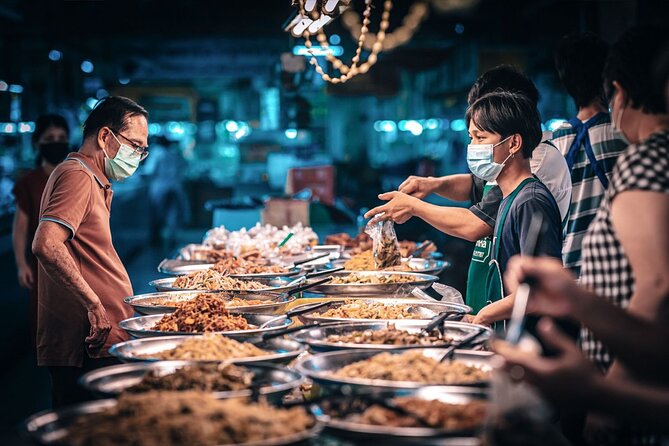
The format also helps you get beyond the most obvious tourist menus. The route uses small restaurants, fresh markets, and street vendors that can be hard to identify on your own. You may pass these places without knowing what to order or how the food is traditionally eaten.
More Food Tours in Chiang Mai
- Small-Group Chiang Mai Evening Street Food Tour
★ 4.5 · 826 reviews - Chiang Mai: Evening Local Street Food Market Tour
★ 4.8 · 604 reviews - The 10 Tastings of Chiang Mai With Locals: Private Street Food Tour
★ 5.0 · 216 reviews
Four hours and 15 or more chances to eat
The headline promise is at least 15 tastings, but the actual amount can be higher. Some groups report trying 15 to 18 dishes, while others count close to 20 items once fruit, snacks, and small side dishes are included.
Do not picture 15 full restaurant meals. The portions are tasting-sized, but they add up quickly. Several people finish feeling very full, so eat lightly beforehand and pace yourself. You will enjoy the later stops more if you do not treat the first few dishes like a race.
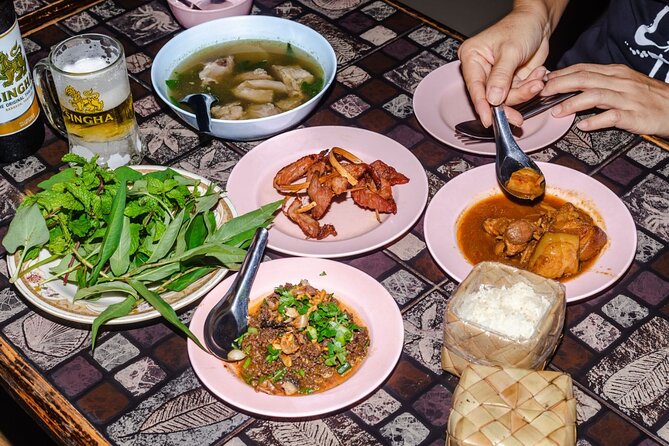
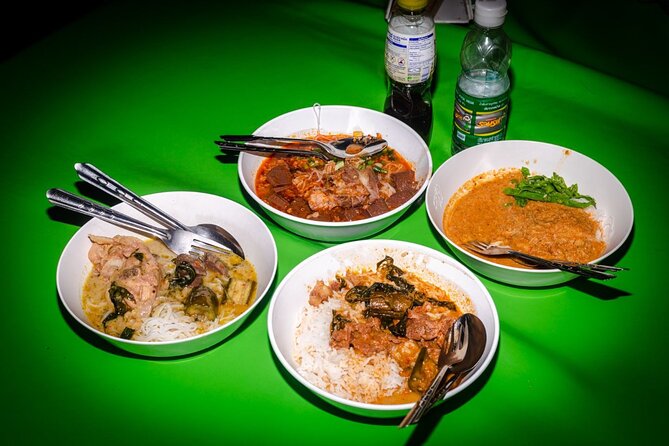
The selection can include:
- Northern dips and chili-based relishes
- Curries and spice-heavy dishes
- Noodles
- Crispy pork belly
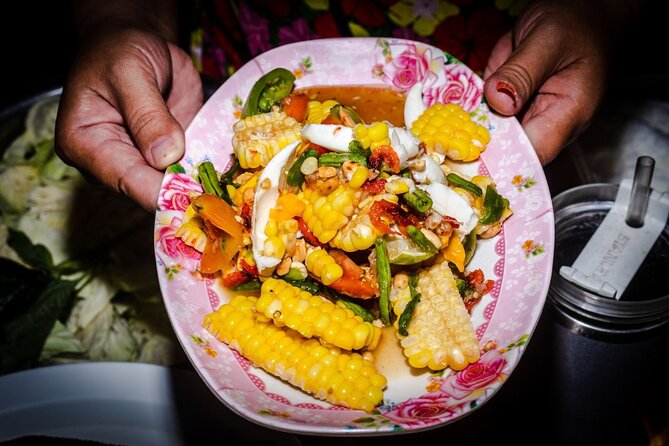
- Corn salad
- Jungle greens and other local vegetables
- Tropical fruit such as mangosteen
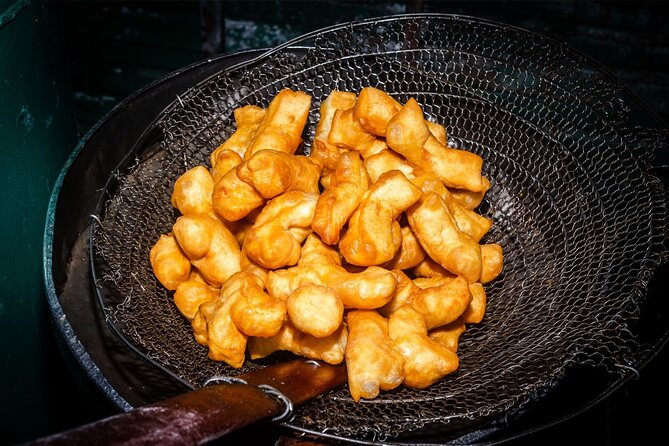
- Street snacks and less familiar ingredients
- Possible insect tastings, including silkworm or grasshopper
The exact dishes can change with vendors, supply, and dietary needs. That is normal for a food route built around working markets and street stalls. It also means you should arrive open to surprises rather than expecting a fixed restaurant menu.
Some food may be spicy. The available information does not promise a standard heat level or a separate mild menu, so tell your guide about your tolerance at the start. Do not assume every dish can be changed.
Stop one: getting into Chiang Mai’s food story
The opening part of the experience is in Chiang Mai and lasts roughly an hour. This is where the guide begins to frame the meal, the city, and the food traditions you are about to encounter.
A good guide makes a major difference here. Aim is described as funny, organized, and well prepared. Moui and Muoy are also praised for explaining ingredients, local customs, and the background of the food. Tree brings a particularly local point of view because he grew up in Chiang Mai.
You are not only being told the names of dishes. The explanations cover how food is eaten, where recipes came from, and how Chiang Mai’s past shaped its table. Guides also discuss the history of vendors and family-run food places, which gives the stops more meaning than a quick sample and a photograph.
This first hour should help you understand the basic rule of the tour: try things you might not order alone. If you are cautious with strong flavors, ask questions and take small bites. You do not need to love every item to get value from the experience.
Stop two: street food, markets, and the red songthaew

The middle section lasts about two hours and involves the most movement. You travel in a red songthaew, Chiang Mai’s familiar shared-style pickup truck, used here as dedicated transport for the small group.
That ride is more than a practical detail. Chiang Mai’s food scene is spread across neighborhoods, markets, and small eateries. Having transport between stops lets you sample several parts of the city without spending much of the evening arranging rides.
The vehicle also keeps the group together. With a maximum of eight people, the guide can explain dishes, answer questions, and keep an eye on the pace. A full group of eight will feel less intimate than a party of two or four, but it remains much easier to manage than a large bus tour.
Expect some light walking at food stops and markets. The tour does not consist of sitting in one restaurant for four hours. You may stand near stalls, move through market areas, and get on and off the truck several times. Wear comfortable shoes and clothing suited to Chiang Mai’s weather.
Rain does not automatically stop the tour. It operates in all weather, so bring an umbrella during the rainy season and dress accordingly. That flexibility is useful, but bad weather can make market walking less comfortable.
The food stops are the heart of the experience. You might taste something you have never seen on a standard Thai menu, then learn how locals combine it with rice, herbs, chili, or a dip. The guide can also point out why a dish tastes different from central Thai food.
Several food choices have drawn particular attention. Crispy pork belly, mangosteen, and corn salad are mentioned as highlights, while the broad variety is praised more than any single dish. A few people return to some of the eateries later in their stay, which is useful if you want to turn a tasting into a proper meal.
More street food walks in Chiang Mai:
- Taste of Chiang Mai: Michelin Guide & Street Food Tour
★ 4.9 · 159 reviews - Chiang Mai: Food Tour by Songtheaw Truck with 15+ Tastings
★ 4.9 · 157 reviews - Chiang Mai: Temples and Street Food Night Tour by Tuk Tuk
★ 4.3 · 81 reviews - Chiang Mai: Walking Food Tour
★ 4.8 · 15 reviews
Stop three: Warorot Market beside the Ping River
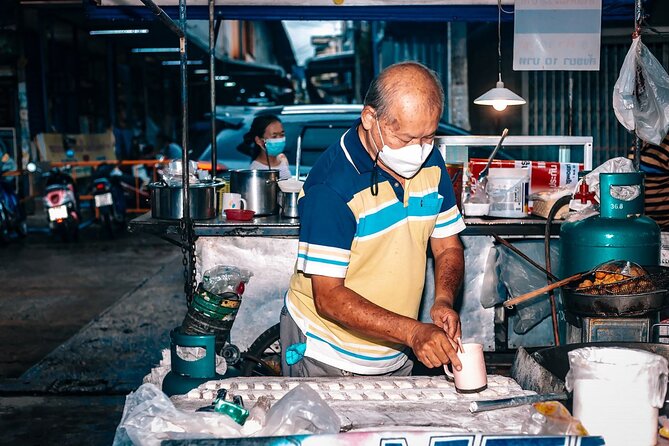
The final hour brings the route to Warorot Market, a well-known local market along the Ping River. This is a fitting ending because it shifts the focus from guided tasting to independent eating.
By this point, you should have a better sense of what to look for in Chiang Mai. You will have tried regional dishes, heard how food reflects Lanna culture, and gained some confidence around unfamiliar stalls. That makes the market easier to enjoy on your own.
The stop is also social. The tour description emphasizes local hospitality and meeting people along the way. The small group format gives you time to compare favorite dishes and ask final questions without the rushed feeling of a large organized outing.
One practical point needs checking before you go. The route description places the conclusion at Warorot Market, while the meeting information also lists the original meeting point as the end of the activity. Confirm the final drop-off arrangement when booking so you know where the evening finishes.
What the guides add to the meal
The most praised part of this experience is not just the number of dishes. It is the guide’s ability to make sense of them.
Aim receives especially strong praise for humor, organization, and clear explanations. Moui and Muoy are described as passionate about Northern Thai food and culture. Tree’s background as someone raised in Chiang Mai adds a useful personal connection to the city.
Guide quality can vary from one departure to another, but the format gives the guide plenty of room to teach. You are not simply handed food and left to guess. You can ask how a dish is prepared, what ingredients are used, or how local people eat it.
The history lessons also go beyond food names. You may hear about Chiang Mai, Thailand, Lanna culture, Burmese influence, and the backgrounds of food vendors. That helps explain why Northern food can feel so different from the dishes served in Bangkok or at international Thai restaurants.
I would book this early in your Chiang Mai stay. The food knowledge can guide the rest of your meals, and several of the stops may be worth revisiting. A tour on your second day is especially sensible if you want ideas for the rest of your visit.
Is $59 good value for this Chiang Mai experience?
At $59 per person, the tour is not the cheapest way to eat in Chiang Mai. Local street food can cost very little, and an independent eater can sample several dishes for much less.
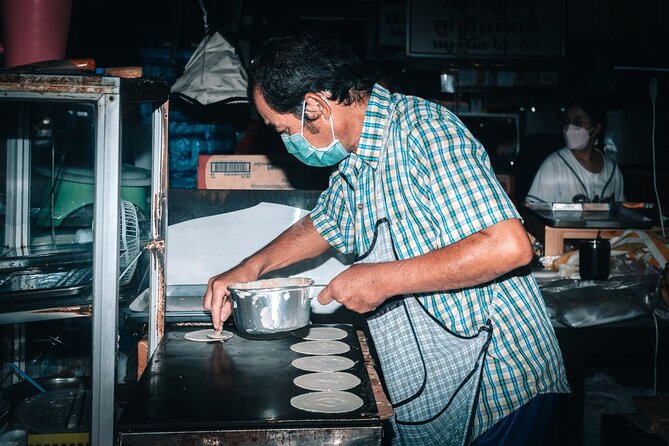
The value here comes from access, range, transport, and guidance. You get at least 15 tastings, bottled water, local soft drinks, a four-hour route, and a dedicated red truck. You also avoid the guesswork involved in finding small vendors, choosing unfamiliar dishes, and working out how to order.
If you already know Chiang Mai well and feel comfortable eating anywhere, you may prefer to spend the money on several independent meals. If this is your first visit, the price is easier to justify. The tour compresses a wide food education into one evening and can save you from wasting meals on familiar central Thai dishes.
The food volume matters, too. You are not paying for a single dish with a short explanation. You are paying for a long sequence of tastings, although the exact number and selection can change.
Food restrictions and comfort considerations
This tour is a poor match for a vegetarian, pescatarian, or anyone following a no-pork diet. Street vendors often have limited menus, so substitutions may not be possible.
People with shellfish, peanut, or severe allergies should not book this experience. The nature of street food makes cross-contact and ingredient control difficult. Other dietary restrictions may mean missing some dishes, which could reduce the value of a tour built around variety.
Alcohol is not included. Bottled water and local soft drinks are provided, and guides have been praised for carrying wipes, sanitizer, and other practical supplies. Still, bring your own medication and communicate clearly about any food concern before eating.
Most people can take part, and the meeting point is near public transport. Service animals are allowed. The route includes vehicle transfers and some walking, but the supplied information does not provide detailed accessibility specifications, so ask the provider if you need particular assistance.
Who will enjoy this food tour most?
I would recommend it to adventurous eaters, first-time visitors, and anyone who wants a useful introduction to Northern Thai cooking. It is especially good for people who enjoy learning the story behind a dish rather than simply collecting restaurant names.
It also suits couples, small groups of friends, and solo visitors who like meeting others over food. The eight-person limit keeps the group manageable, while the truck makes the evening feel like a moving food safari around Chiang Mai.
You should think twice if you dislike strong flavors, need strict control over ingredients, or prefer a slow sit-down dinner. The pace is active, the food keeps coming, and unfamiliar textures are part of the point.
Should you book Northern Flavours Chiang Mai?
Book it if you want to understand what makes Chiang Mai food different from the Thai dishes you already know. The combination of 15 or more tastings, a small group, red songthaew transport, and guides such as Aim, Moui, Muoy, and Tree gives you both a meal and a practical food lesson.
Skip it if you avoid pork, seafood, peanuts, or street food, or if you would rather spend $59 on independent meals. For most flexible eaters, though, this is a strong use of one evening, especially near the start of a Chiang Mai visit. Free cancellation is available when you cancel at least 24 hours before the start time, giving you some room to adjust plans.
FAQ
How long does the Northern Flavours Chiang Mai Food Tour last?
The tour lasts approximately four hours, including food stops, market visits, guide explanations, and travel between locations.
How many food tastings are included?
At least 15 tastings are included. The actual number can be higher, with some outings reaching 18 to 20 different dishes, snacks, fruits, or other items.
How many people can join the tour?
The maximum group size is eight people.
What transport is used during the tour?
You travel between food stops in a red songthaew, also called a rod daeng truck.
Where does the tour start?
The meeting point is Wat Lok Moli, at 298/1 Manee Nopparat Road in Chiang Mai.
Is the tour suitable for vegetarians or people who do not eat pork?
No. The tour is not suitable for vegetarians, pescatarians, or people following a no-pork diet because street vendors have limited menus.
Are drinks included?
Bottled water and local soft drinks are included. Alcoholic drinks are not included.
Just added around Chiang Mai
- Taste of Chiang Mai: Michelin Guide & Street Food Tour★ 4.9 · 159 reviews
- Red, Blue, White Temples & Hot Spring Trip from Chiang Mai★ 4.4 · 143 reviews
- From Chiang Mai: Mae Taeng Valley and Waterfalls Cycle Tour★ 4.9 · 159 reviews
- Long Neck Village, Silver Temple & Chiang Mai Top Sites★ 4.7 · 17 reviews
- Chiang Mai: Local Northern Thai Cooking Class at Grandma’s★ 5.0 · 33 reviews
- Chiang Mai: Khum Khantoke Northern Thai Cuisine and Show★ 4.3 · 38 reviews
- Private : Sticky Waterfall & Secret Temple & Karen Village.★ 5.0 · 9 reviews
- Half-day with CHIANGMAI ELEPHANT CARE program (12pm-6pm.)★ 5.0 · 27 reviews
Chiang Mai Tours, compared.
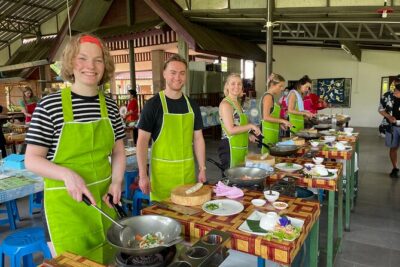
Half-Day Thai Cooking Class at Organic Farm in Chiang Mai
Read our review →
Elephant Sanctuary, Waterfall & Bamboo Rafting
Read our review →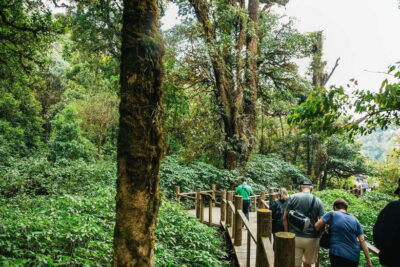


Chiang Rai Temples, Karen Tribe and Hot Springs
Read our review →
Cooking Class, Market & Thai Herbs Garden Tour
Read our review →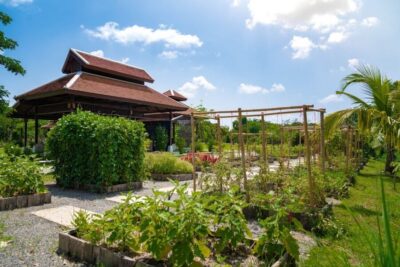
Authentic Cooking Class with Market & Farm Visit
Read our review →
Elephant Sanctuary Feeding Program Half-Day Tour
Read our review →Browse the lists this tour appears in