
Reviewed · CHIANG MAI TOURS
Chiang Mai: Local Food and Markets Guided Walking Tour
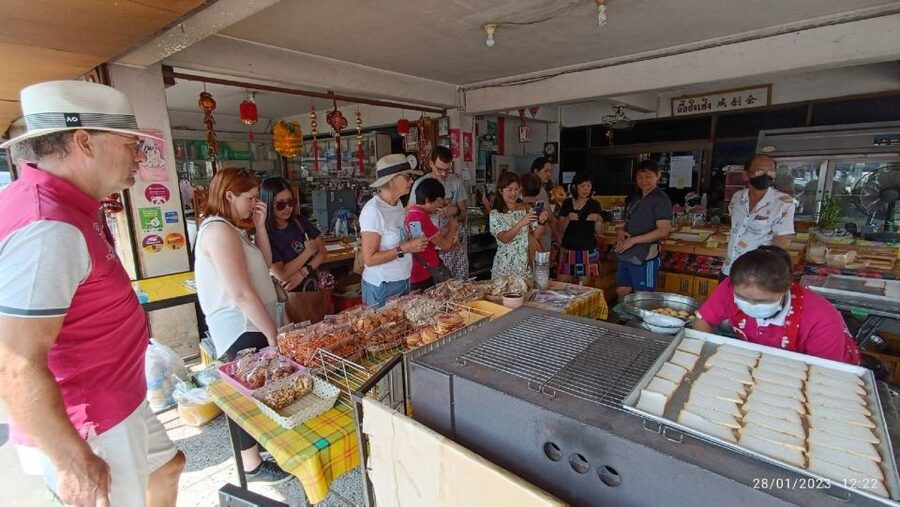
Chiang Mai’s best food lesson may begin with a peanut-filled rice dumpling and end with a bowl of Hakka noodles. This 150-minute walking tour links small food stalls, Warorot Market, and the flower market, giving you a quick look at what locals buy and eat beyond the old city’s usual restaurant circuit.
I like two things here: the local-food focus and the helpful guides who explain what you are eating rather than simply pointing at a stall. Guides including Koi, Nom, Patty, Banana, and Nana have been praised for good English, useful recommendations, and the ability to adjust when a shop is closed or too busy.
The main catch is that food is not included in the $48 price. You pay at each stop, so bring cash. The late 2:30 pm start can also be rushed because some restaurants close early, and the route involves a fair amount of walking.
Key points to know before you book
- Four strong food stops: Try steamed rice skin dumplings, Chinese-style fried dough, mango sticky rice, and Hakka noodles, subject to availability.
- Warorot Market is the heart of the walk: You will see snacks, produce, clothing, herbs, and everyday shopping in one of Chiang Mai’s best-known markets.
- The flower market adds a welcome change of pace: Ton Lamyai’s flowers and herbs bring color and fragrance between food stops.
- Morning tours make the most sense: Restaurants and stalls tend to close by early afternoon, so choose an earlier slot if you want the planned stops.
- This is a walking tour, not a seated feast: Some people covered about 2.5 miles, with a fairly brisk pace between stops.
- You pay for tastings separately: Carry Thai cash and arrive hungry, since the food adds up and can be surprisingly filling.
Starting at Chansom Bridge beside the flower market
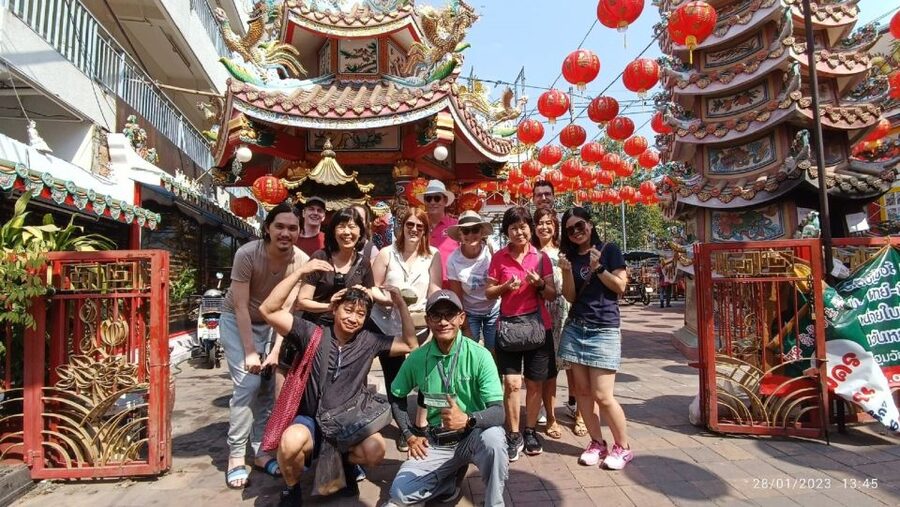
You meet your guide at Chansom Memorial Bridge, locally called Khua Khaek, opposite Ton Lamyai Flower Market. The stated starting area is Praisanee Road, and the team sends an email the evening before with the final meeting details and time.
Arrive 10 minutes early. Your guide holds a TripGuru sign, and the guide can wait only 10 minutes after the scheduled time. Chiang Mai traffic can be slow, especially in the morning, so allow more time than a navigation app suggests.
This meeting point is useful because you are already near two major parts of the route: Ton Lamyai Flower Market and the Ping River area around Warorot. You do not waste time on a hotel transfer, but you do need to arrange your own way to the bridge.
The tour has several start times, which helps if you have a temple visit, cooking class, or train departure later in the day. I would choose a morning slot whenever possible. The early route offers the best chance of finding every planned food stop open, while the 2:30 pm option may use different street stalls instead.
More food tours in Chiang Mai:
- Small-Group Chiang Mai Evening Street Food Tour
★ 4.5 · 826 reviews - Chiang Mai: Evening Local Street Food Market Tour
★ 4.8 · 604 reviews - Northern Flavours Chiang Mai Food Tour with 15+ Tastings
★ 5.0 · 513 reviews
Khao Kriab Pak Moh, a gentle start with a peanut filling
The first food stop is Lung Khajohn Wat Ket, known for Khao Kriab Pak Moh. These are sweet steamed rice skin dumplings, usually filled with peanuts. Their soft, delicate wrapper and sweet center offer a mild introduction to Chiang Mai’s snack culture.
This is a useful stop for anyone who feels unsure about ordering from a Thai food stall. Your guide can explain how the dumplings are made and how they fit into local snack traditions. Guides on this route have also helped order food and find seats, which matters when a small stall is crowded.
The portion may not look substantial, but it is only the first taste. Several people found the complete walk filling, so you should resist treating the first stop as a full breakfast.
The food is purchased separately. Keep small notes handy, since paying for each item can be inconvenient if you bring only a large bill or depend on a card.
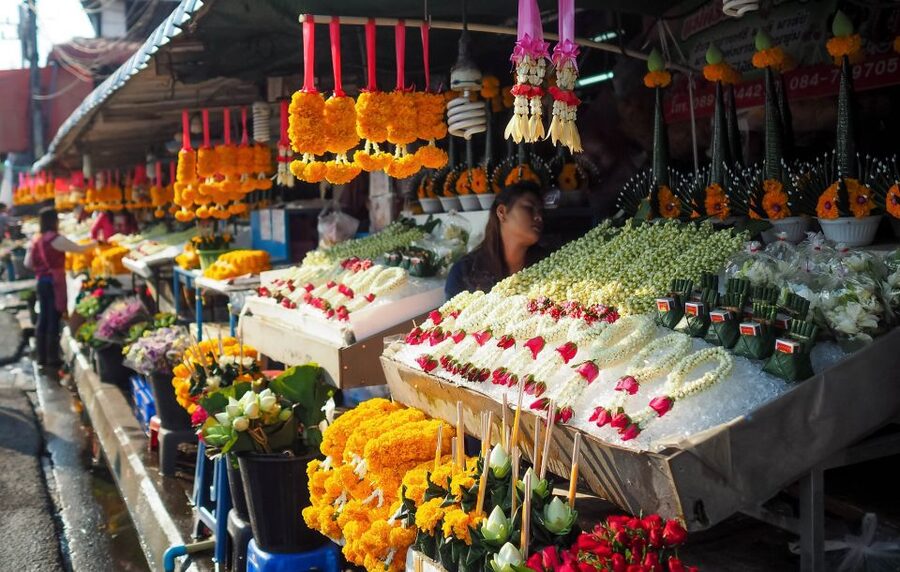
Ton Lamyai Flower Market brings color between courses
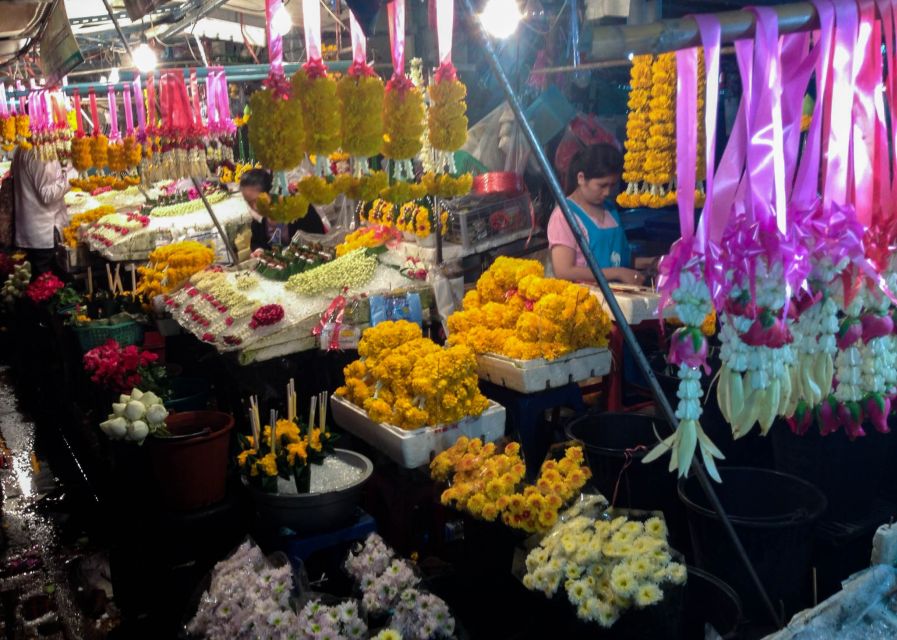
After the dumplings, you pass through Ton Lamyai Flower Market. The market is not just a photo stop. Flowers and herbs are part of daily shopping in Chiang Mai, and the walk gives you a look at a side of the city that a food-only route could easily miss.
You can expect a quick guided visit rather than a long market workshop. The guide may point out flowers, herbs, and local shopping habits while you move through the stalls. The market also gives your palate a break before the next fried snack.
Bring a camera, but keep your hands free enough to walk comfortably. If you buy flowers or other market goods, remember that you still have several stops ahead. One guide even helped carry shopping bags, but that kind of extra help depends on the individual guide and the situation.
The route finishes at Ton Lam Yai Market according to the activity details, while the meeting point is opposite the same flower market. That means you finish in a convenient central area rather than at an out-of-the-way restaurant.
Go Neng and Chiang Mai’s playful pa thong ko
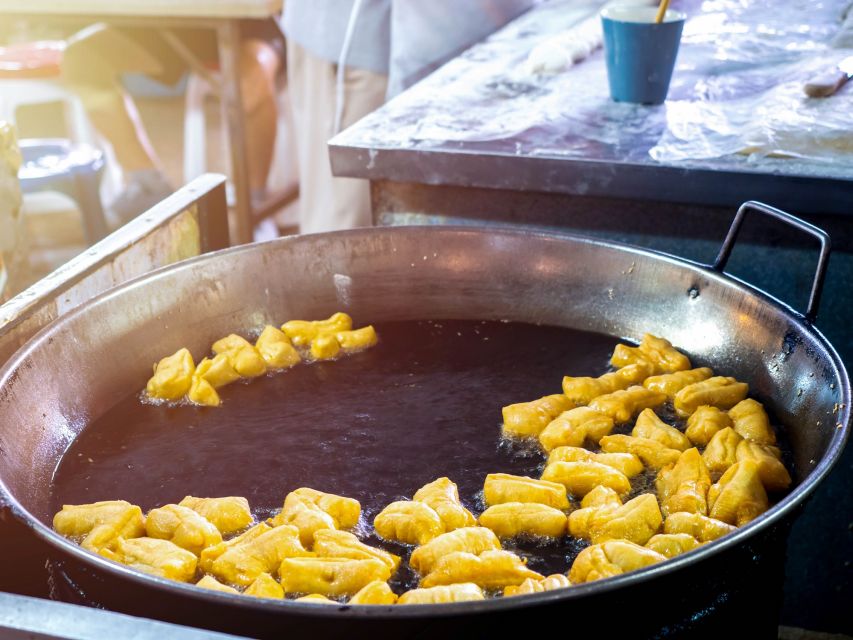
The next stop is Go Neng, where you try pa thong ko, Chinese-style deep-fried dough. The pieces are made in unusual shapes, and some look like little dinosaurs. The shape is part of the fun, but the real appeal is the crisp, fresh fried dough.
This snack is popular with local customers and offers a simple lesson in how Chinese culinary traditions have become part of Chiang Mai’s food culture. Your guide can give the background while you eat, helping connect the food to the city’s mix of influences.
This stop may be less impressive if you are hoping for a complex dish. It is fried dough, after all. One useful way to think about it is as a local breakfast or snack rather than a major meal. The novelty comes from the shape and the setting, not from a long list of ingredients.
If you take the afternoon tour, Go Neng or another planned stop may be closed. The guide can switch to another food stall, but the exact tasting list is not guaranteed.
Same base, a completely different kind of day out:
- Half-Day Thai Cooking Class at Organic Farm in Chiang Mai
★ 5.0 · 19,087 reviews - Chiang Mai: Elephant Sanctuary, Waterfall & Bamboo Rafting
★ 4.9 · 9,160 reviews - Chiang Mai: Doi Inthanon National Park Eco-Friendly Tour
★ 4.6 · 6,667 reviews - Chiang Mai: Elephant Sanctuary & Waterfall Group Tour
★ 4.9 · 5,780 reviews
Warorot Market turns the walk into a food lesson
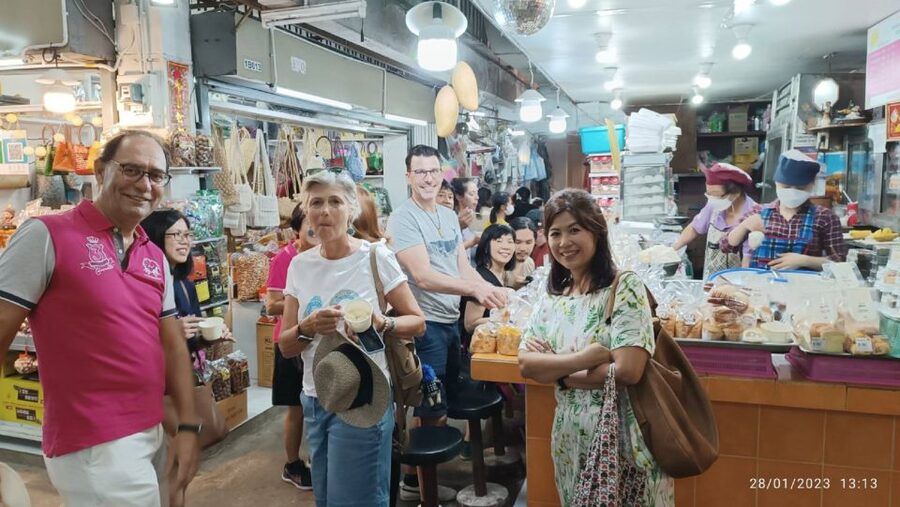
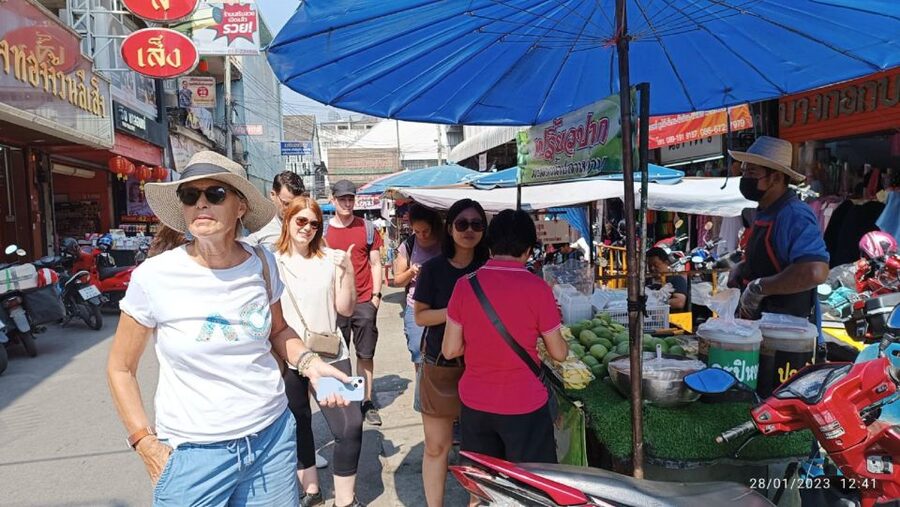
Warorot Market is the largest and most useful stop on the route. You find snacks, produce, clothing, herbs, and other everyday goods here. This is where the tour feels most like a short introduction to local life rather than a string of restaurant visits.
A guide makes a real difference inside a market like this. You can walk past dozens of unfamiliar items without knowing what they are, how they are used, or which ones are worth trying. Guides such as Nom, Koi, and Banana have been praised for explaining local foods, customs, spices, and the reasons certain dishes became part of the city’s cooking.
The market can also be a good place to ask practical questions about the rest of your Chiang Mai stay. Several guides have offered restaurant, night market, and food recommendations beyond the formal route. That makes this tour especially useful on your first day, when you want to get your bearings fast.
You should not expect a quiet, slow-paced market stroll. The walk can move quickly between stops, and the group may pause only briefly at some stalls. Comfortable shoes are essential. Sunglasses, a hat, sunscreen, and insect repellent are also sensible items to pack.
Mango sticky rice gives you a sweet market break
Inside or around Warorot, the guide takes you to a stall selling mango sticky rice. This familiar Thai dessert combines sweet mango with sticky rice and coconut-based flavors. It is a crowd-friendly choice, though the quality depends on the fruit and the stall’s supply that day.
The timing is worth noting. The dessert appears before the final savory dish, so you may find the order slightly odd. One person described the route as a bit of a zigzag and pointed out that dessert in the middle is not always ideal. If you prefer to finish with something sweet, this arrangement may bother you.
Still, the stop shows how a market works as a place for both quick snacks and full meals. You are not only eating famous Thai dishes. You are seeing how food is bought, carried home, and shared as part of ordinary shopping.
Food portions and availability change. Your guide may substitute another sweet or savory item if a stall is sold out or closed. The route is therefore best viewed as a guided market food walk, not a fixed tasting menu.
Thana Ocha ends with Hakka-style noodles
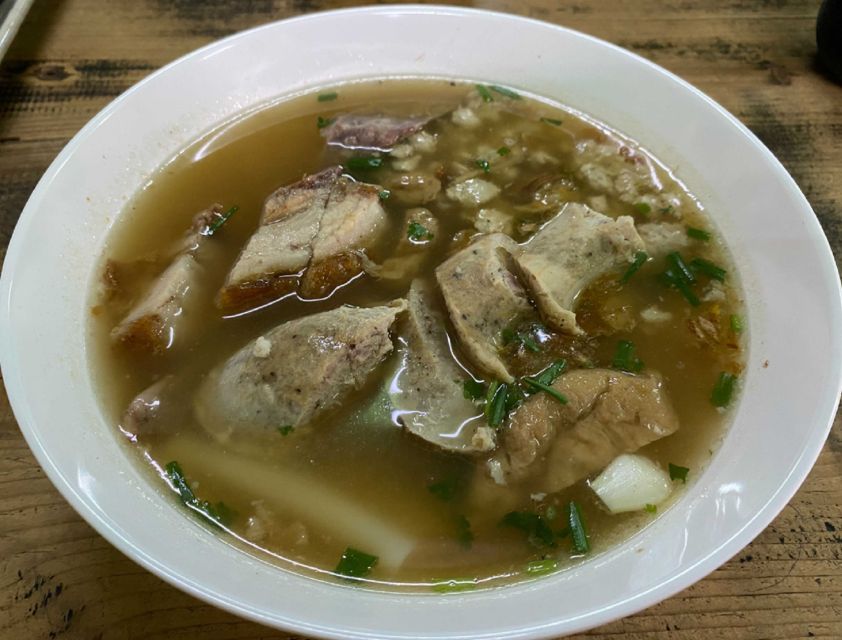
The final planned stop is Thana Ocha, known for Hakka-style noodles served with Hakka stuffed tofu, fish sausage, and wontons. After the lighter snacks and dessert, this is the most substantial dish on the route.
The bowl reflects Chiang Mai’s Chinese culinary connections and gives you more variety than a standard pad Thai-focused food tour. The combination of noodles, tofu, fish sausage, and wontons lets you compare several textures in one meal.
This is often the strongest finish for hungry visitors. You should arrive with a light breakfast or lunch, not a large meal. The food stops are modest individually, but together they can leave you full, especially if you sample every option.
Some people may need to ask questions about ingredients. The tour has no vegan option, and the menu includes fish sausage and other items that may not suit every diet. If you have serious food allergies, the available information does not promise a specialized menu, so this is not the safest choice for highly restricted eating.
What the $48 price really covers
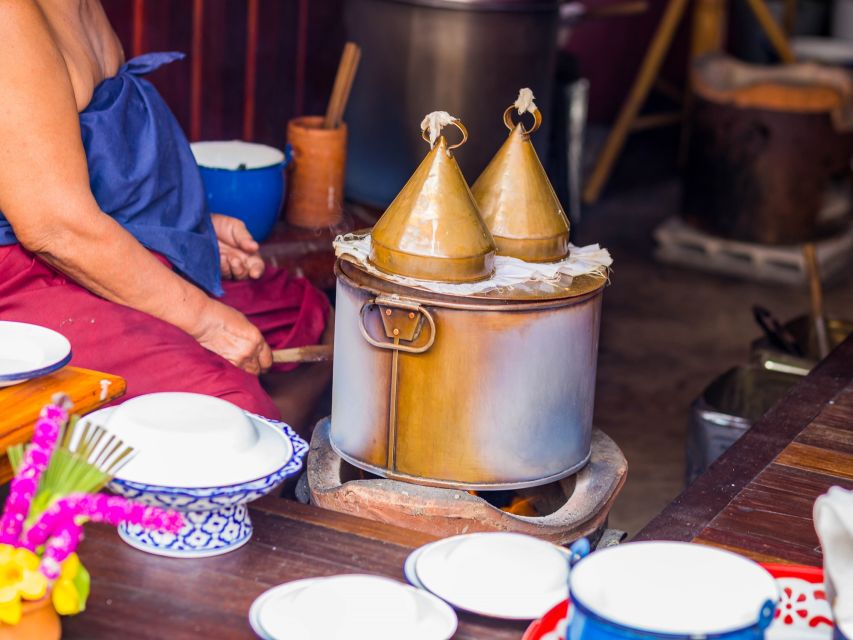
At $48 per person, you are paying for a guide-led route, local ordering help, market context, and carbon-emissions offset credits. The food itself is extra. That makes the total cost depend on how many tastings you buy and how much you shop.
I see the best value in the guide’s local access and time savings. You could walk through Warorot and Ton Lamyai alone, but you might miss small stalls, hesitate over unfamiliar dishes, or spend time guessing what to order. A good guide turns a confusing market into a readable one.
The value is weaker if you want a large number of tastings or a full meal included in one price. The route generally covers four main food experiences, and one person felt there could have been one or two more stops. Others found the quality, variety, and final portions more than enough.
The carbon-offset credits and GSTC-certified approach may matter to you if you prefer lower-impact activities. This is a compact walking experience with no included vehicle transfers, and the operator says carbon emissions are offset. It is not a reason to ignore the food and timing limitations, but it is a useful part of the package.
Timing, walking pace, and group comfort
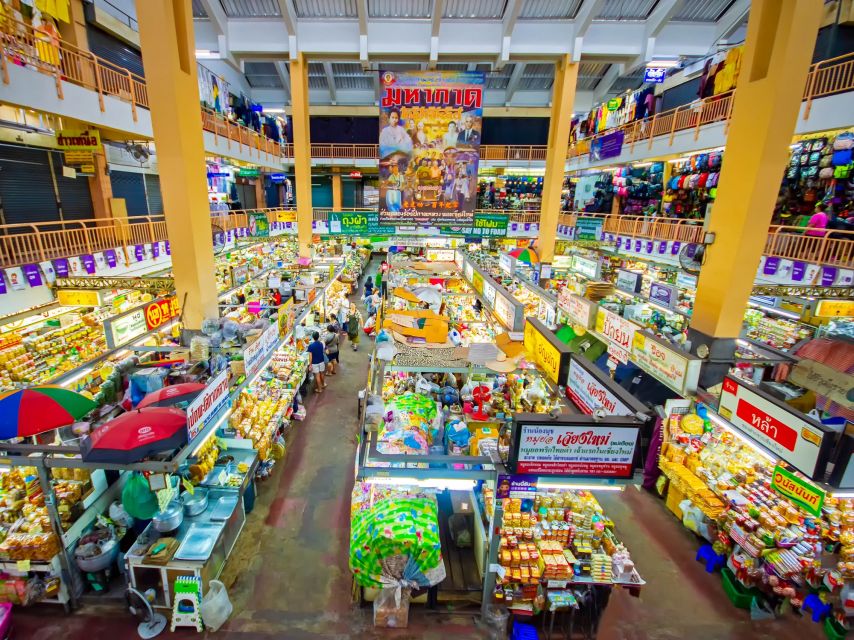
The advertised duration is 150 minutes. The route is short enough to fit into a morning or afternoon, but it is not effortless. Reports of roughly 2.5 miles mean you should wear proper walking shoes rather than sandals that rub.
The pace can feel brisk because the guide is trying to fit several food stops and two markets into a little over two hours. If you want long pauses for shopping, photographs, and careful reading of every stall, you may feel hurried.
On the other hand, the compact schedule works well for a first taste of Chiang Mai. You get a useful introduction without spending an entire day eating. Private or very small groups may also allow more flexibility, depending on the guide.
The route may change because of weather, restaurant hours, crowds, or food availability. This is normal for a market walk, but it means you should not book it solely for one specific stall. The food style and local-market focus are more dependable than the exact sequence.
Who will enjoy this Chiang Mai food walk?
I would choose this tour for a first visit, especially if you want help with ordering and local context. It suits curious eaters who like small portions, market browsing, and a guide who can explain customs along the way.
It also works well for couples, friends, and families with flexible tastes. One guide adjusted the experience for a picky five-year-old, but children who dislike unfamiliar food may get less from it. The walking and heat can also test young children.
You should skip it if you are vegan, pregnant, or have heart, respiratory, or mobility problems, since the activity is not suitable for those conditions. Anyone with major dietary restrictions should also think carefully because the tasting choices are limited and paid for at the stalls.
For serious food fans, this is a good starting point rather than a final word on Chiang Mai cuisine. Guides often share extra restaurant and market suggestions, so you can use the tour to plan the rest of your stay.
Small details that make the experience easier
Bring cash, comfortable shoes, a hat, sunglasses, sunscreen, insect repellent, and a camera. Food purchases are at your own expense, and carrying Thai currency keeps each stop simple.
Do not eat a heavy meal beforehand. The dumplings, fried dough, mango sticky rice, and noodles may be individually manageable, but the full sequence is enough to count as a proper meal.
Choose an early start if the Hakka noodles, mango sticky rice, and other named stops matter to you. The afternoon option remains useful, but the guide may need to replace closed restaurants with other street stalls.
Allow extra time to reach Khua Khaek. The guide waits only 10 minutes, and morning traffic can be much worse than a map estimate suggests.
Cancellation is free up to 24 hours before the activity, and you can reserve now and pay later. Those terms help if your Chiang Mai plans are still shifting.
Should you book this tour?
Book it if you want a friendly, efficient introduction to Chiang Mai food markets and do not mind paying separately for each tasting. The strongest parts are the local guide, the access to stalls you might overlook, the Warorot Market visit, and the mix of sweet, fried, and savory foods.
Choose a morning slot, arrive hungry, and wear good shoes. I would not book it for a long, leisurely food crawl, a vegan menu, or a guaranteed fixed lineup of restaurants. For most curious first-time visitors, though, $48 is reasonable when you value the explanations, ordering help, and shortcut through Chiang Mai’s food scene.
FAQ
How long does the Chiang Mai food tour last?
The tour lasts 150 minutes, or two and a half hours.
Where does the tour meet?
The meeting point is Chansom Memorial Bridge, also called Khua Khaek, opposite Ton Lamyai Flower Market. The stated starting area is Praisanee Road.
Where does the tour finish?
The activity finishes at Ton Lam Yai Market.
Are food tastings included in the price?
No. The guide and walking tour are included, but food and tasting expenses are paid separately.
Which foods might I try?
Possible tastings include Hakka-style noodles, mango sticky rice, pa thong ko deep-fried dough sticks, and Khao Kriab Pak Moh steamed rice skin dumplings. Availability can change.
Is there a vegan option?
No vegan option is available.
What languages does the guide speak?
The tour is offered with a live guide in English or Thai.
Can I cancel the booking?
Yes. You can cancel up to 24 hours in advance for a full refund. You can also reserve now and pay later.
More Walking Tours in Chiang Mai
- Chiang Mai: 3 Hour Old City and Temples Guided Walking Tour
★ 4.6 · 1,568 reviews - Chiang Mai: Historic Temples and City Guided Walking Tour
★ 4.7 · 650 reviews - Chiang Mai: Temple And City Walking Tour Part I
★ 4.7 · 244 reviews - Chiang Mai Untouched Elephant: Nature Walk & Waterfall Trek
★ 4.7 · 77 reviews
Just added around Chiang Mai
- Taste of Chiang Mai: Michelin Guide & Street Food Tour★ 4.9 · 159 reviews
- Red, Blue, White Temples & Hot Spring Trip from Chiang Mai★ 4.4 · 143 reviews
- From Chiang Mai: Mae Taeng Valley and Waterfalls Cycle Tour★ 4.9 · 159 reviews
- Long Neck Village, Silver Temple & Chiang Mai Top Sites★ 4.7 · 17 reviews
- Chiang Mai: Local Northern Thai Cooking Class at Grandma’s★ 5.0 · 33 reviews
- Chiang Mai: Khum Khantoke Northern Thai Cuisine and Show★ 4.3 · 38 reviews
- Private : Sticky Waterfall & Secret Temple & Karen Village.★ 5.0 · 9 reviews
- Half-day with CHIANGMAI ELEPHANT CARE program (12pm-6pm.)★ 5.0 · 27 reviews
Chiang Mai Tours, compared.
Half-Day Thai Cooking Class at Organic Farm in Chiang Mai
Read our review →
Elephant Sanctuary, Waterfall & Bamboo Rafting
Read our review →


Chiang Rai Temples, Karen Tribe and Hot Springs
Read our review →
Cooking Class, Market & Thai Herbs Garden Tour
Read our review →
Authentic Cooking Class with Market & Farm Visit
Read our review →
Elephant Sanctuary Feeding Program Half-Day Tour
Read our review →Browse the lists this tour appears in